


Baoyun Scrap Metal Recycling
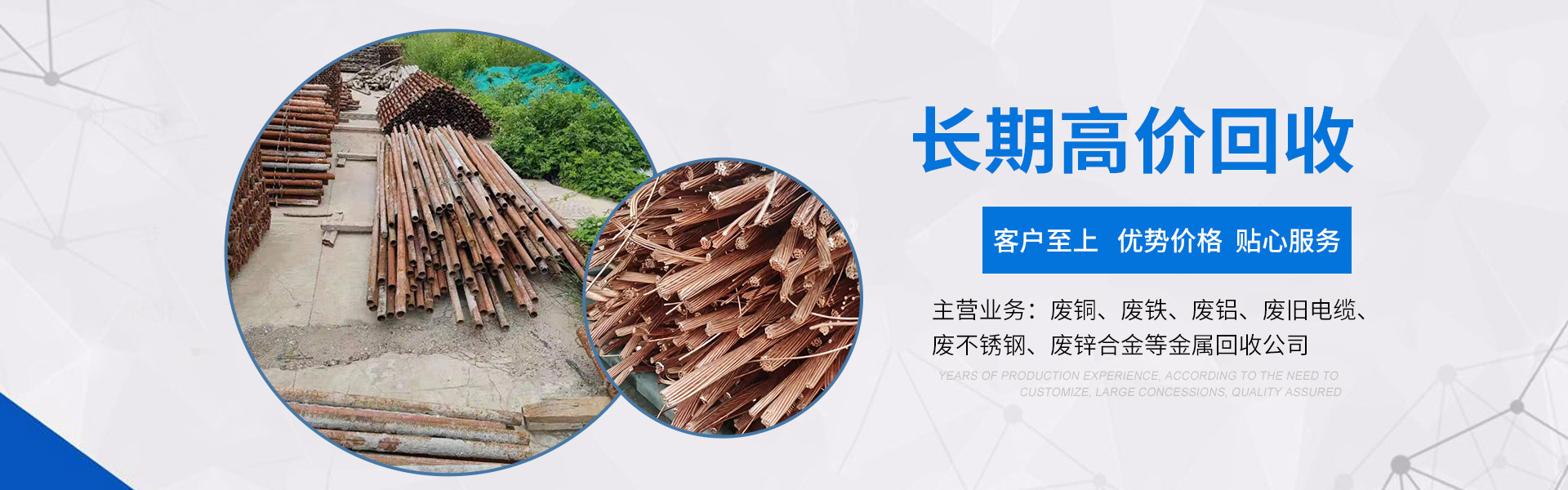
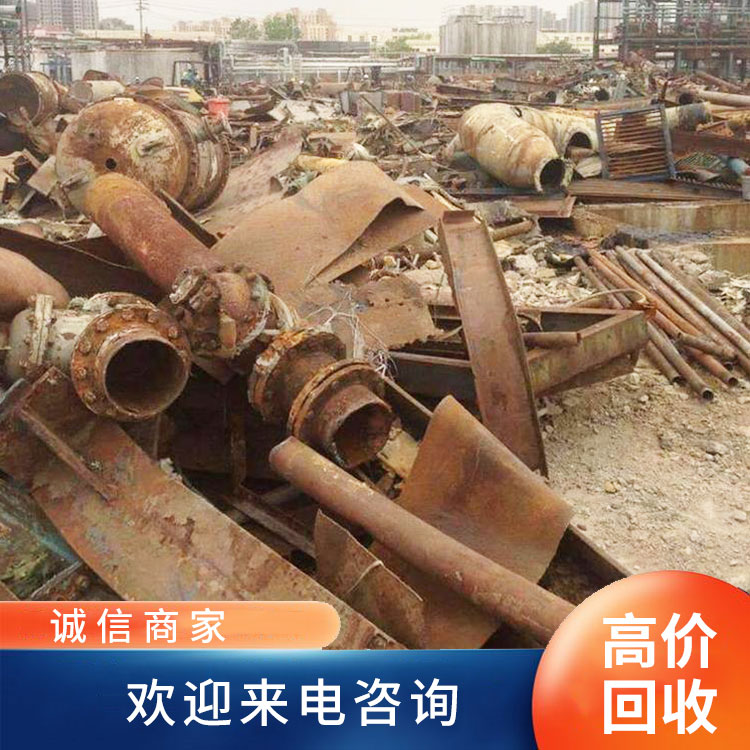
Below, we delve into the significance of scrap iron recycling: Scrap iron is an energy-intensive resource, utilizing scrap iron to produce iron can significantly reduce the comprehensive energy consumption of iron consumption. Scrap iron is a low-carbon power source; using it to produce iron can slightly increase the occurrence of "three wastes" while reducing carbon emissions.
Scrap iron, after recycling, is a renewable resource with limited recycling use. Expanding scrap iron and increasing its supply capacity is a crucial approach to reducing dependence on iron ore. Scrap iron is an essential and indispensable raw material for ironmaking, and it will gradually replace iron ore as the primary ironmaking material, becoming a secondary ironmaking raw material in the iron industry.
Scrap iron refers to discarded or damaged iron from consumer and construction projects that is recycled for use. It typically contains less than 2.0% carbon and sulfur and phosphorus contents do not exceed 0.05%. Due to varying circumstances of its occurrence, scrap iron comes in various shapes, and its properties are generally opposite to those of the material from which it originated. However, it is also affected by factors such as time sensitivity and fatigue, leading to a decrease in its properties.
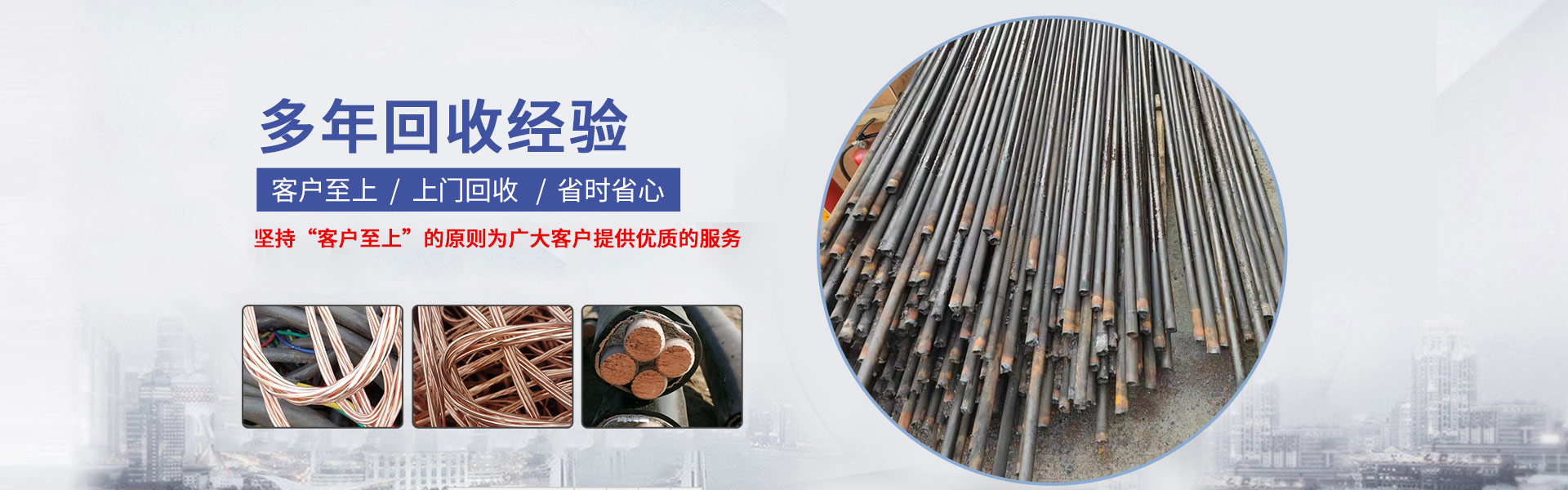
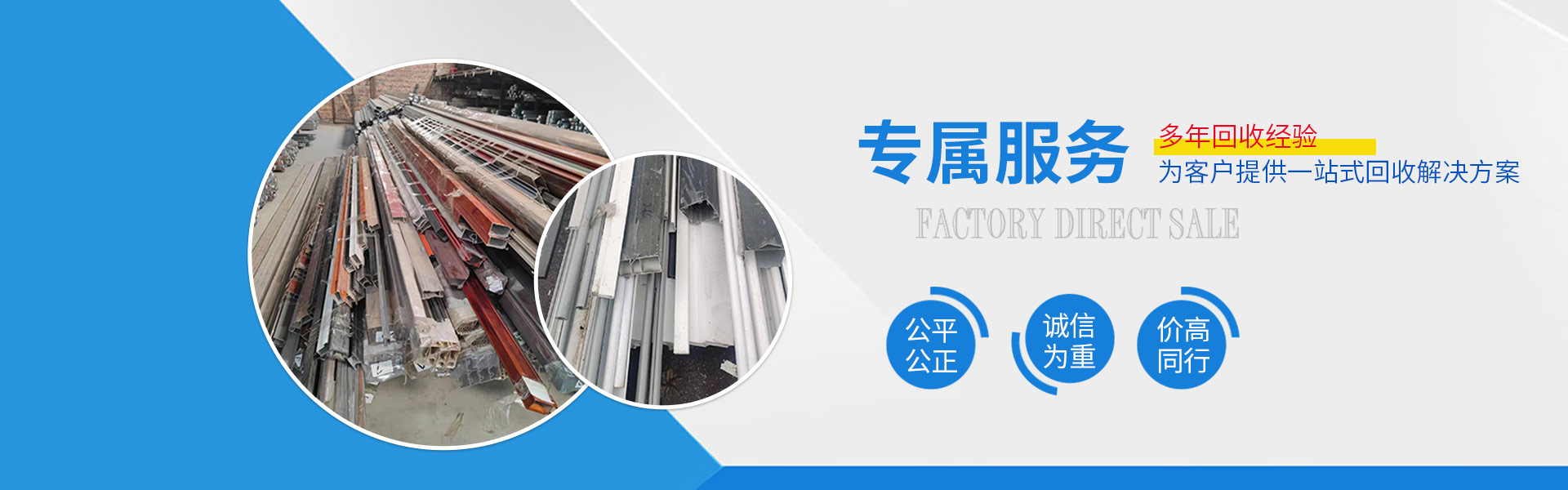
Recycled Metal Resources: Copper, brass, aluminum alloys, stainless steel, scrap iron, wood chips, oxidized materials, shavings, precious and rare metals.
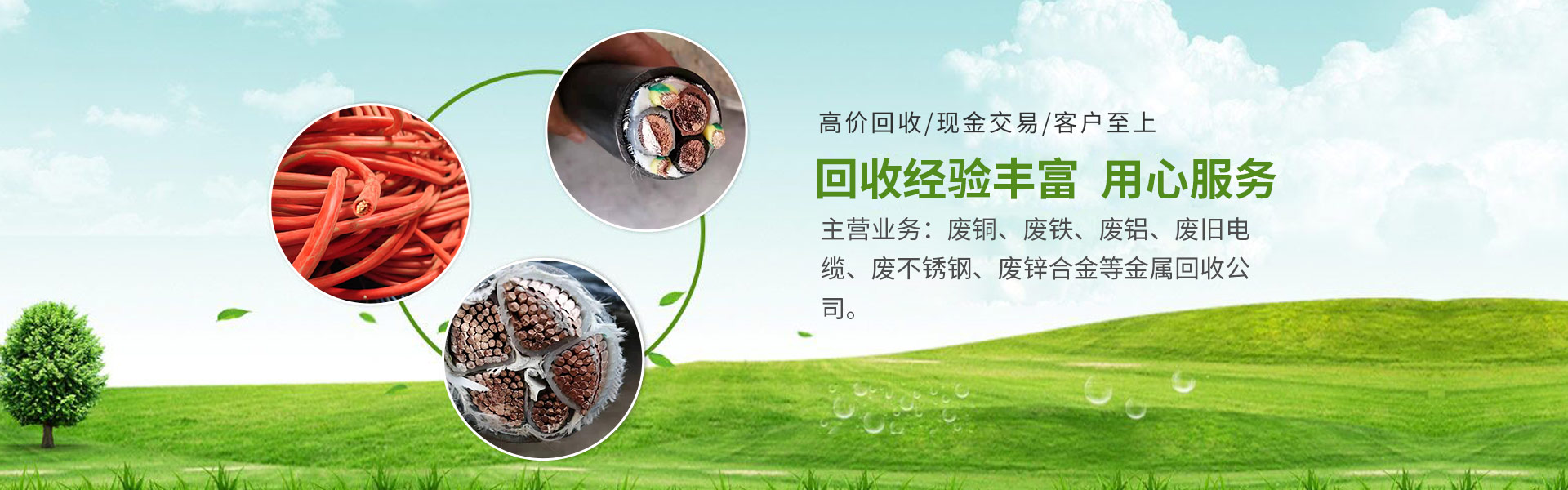
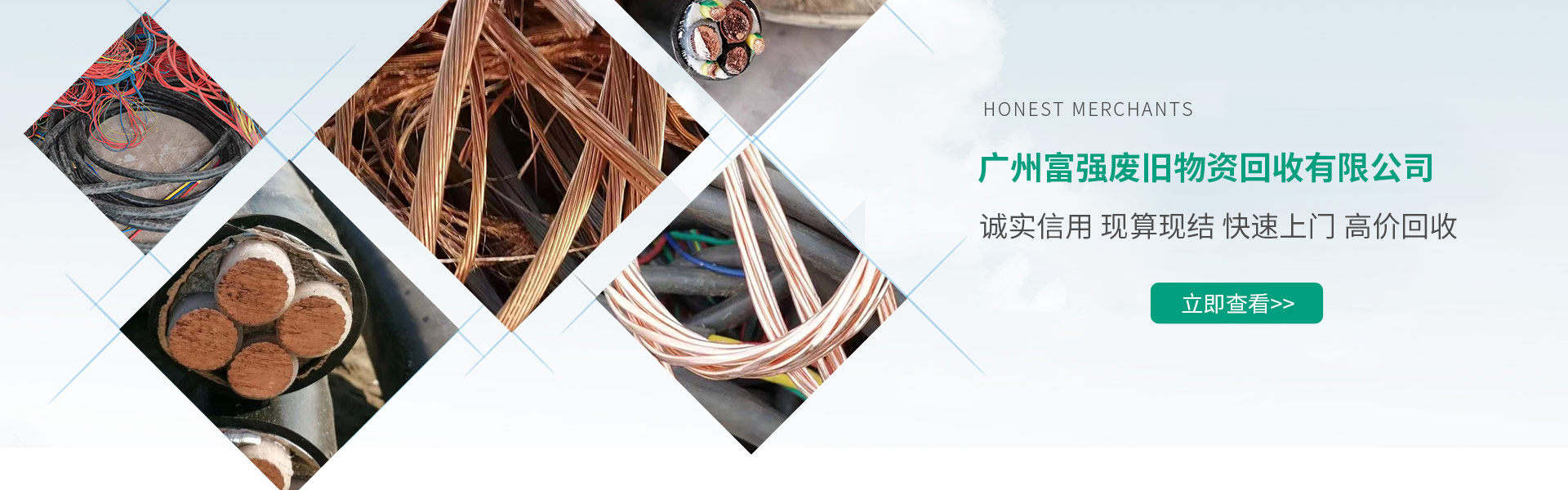
2. Recycled Construction Waste: Engineering waste, factory offcuts, finished steel, semi-finished steel products, various steel scraps, electrical wires and cables, etc.
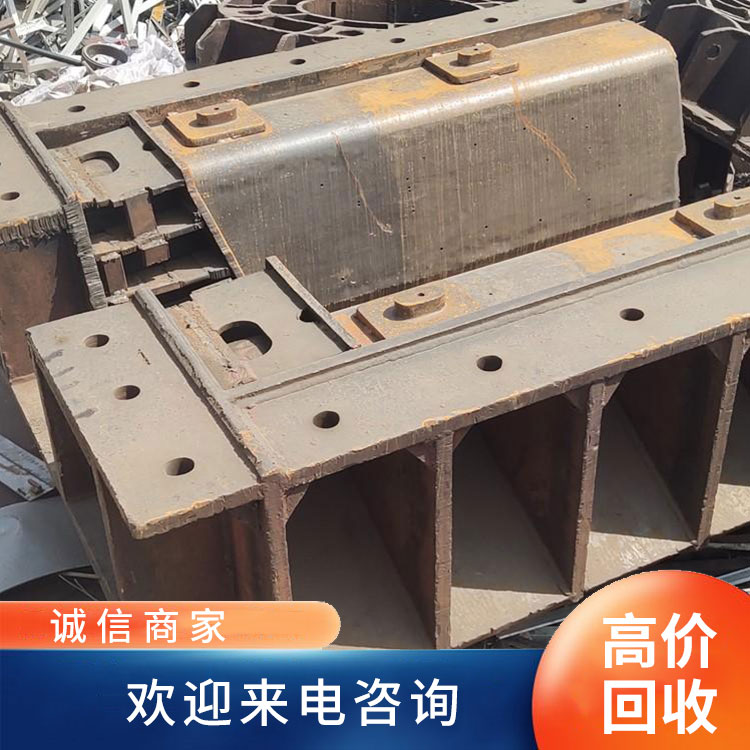
3. Recycled Mechanical and Electrical Equipment: Various second-hand machine tools, motors, batteries, industrial boilers, passenger/cargo elevators, dry oil transformers, and generator sets.
4. Recycled Industrial Machinery: Lathe, Press Brake, Drilling Machine, Milling Machine, Grinding Machine, Planer
The company possesses a complete set of (recycling - processing - smelting) equipment for the regeneration and recycling of waste materials. It seeks appropriate methods and market prices from end-users to directly purchase from society, achieving a win-win situation of mutual benefits. Adhering to the business philosophy of "fair price recycling, mutual benefits, and integrity as the foundation," the company has been purchasing waste items from factories and enterprises in Guangdong Province, including Guangzhou, Shenzhen, Zhuhai, Dongguan, Huizhou, Zhongshan, Foshan, and Shunde, for a long time.
Our company is a comprehensive large-scale processing enterprise specializing in the processing of scrap metal, including copper, aluminum, stainless steel, non-ferrous iron, zinc alloy, zinc slag, aluminum slag, aluminum wire, iron, second-hand machinery, second-hand molds, generators, transformers, distribution boxes, scrap electrical wires and cables, obsolete electrical and mechanical equipment, old machinery, closed factories, refrigeration equipment, relocation of factory equipment, factory demolition, surplus inventory, and stock waste materials. We are one of the few environmental protection units in China currently engaged in the recycling and production of waste resources.
In compliance with energy conservation and emission reduction requirements, we aim to enhance the recycling and application of factory equipment to promote the sustainable development of the economy and society. We integrate the recycling, sorting, transportation, processing, and centralized treatment of resources into an industrialized format. In recent years, China's recycling and application of renewable resources industry has experienced significant growth. Statistics show that during the "Tenth Five-Year Plan" period, China's total recycled renewable resources reached over 420 million tons, with an average annual recycling volume of 100 million tons and an average annual growth rate of over 12%. The total value of secondary renewable resources recycling exceeded 660 billion yuan, with an average annual growth rate of over 20%. In 2010, the recycled renewable resources reached 185 million tons, including 94.62 million tons of scrap steel, 99.96 million tons of scrap non-ferrous metals, 70.21 million tons of scrap paper, 15.28 million tons of scrap plastic, and 15.6 million tons of other scrap materials such as rubber, cotton, flax, chemical fiber, and broken glass. China's renewable resources recycling industry started from 1997 and is still in its early stages, belonging to a sunrise industry. Although the industry has seen rapid development, there is still a significant gap compared to the generation and demand of renewable resources in China and the application status of developed countries. China's development of renewable resources still has vast market potential.

