


A single girder crane is a common lifting equipment, typically consisting of a girder and a set of lifting mechanisms. This crane is capable of lifting, transporting, and transferring various types of cargo and is widely used in industrial production, construction projects, ship loading and unloading, and other fields. Below, we will provide a detailed introduction to the structure, working principle, advantages, and usage precautions of the single girder crane.
One, Construct
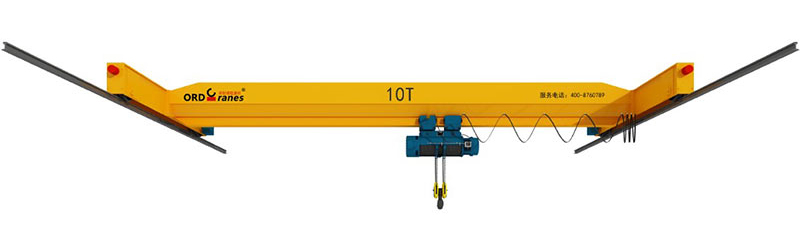
The main components of a single girder crane include the girder, trolley, bogie, winch, and electrical control system. Among them, the girder is the most critical part, typically made of steel, featuring high strength, good rigidity, and wear resistance. The trolley and bogie are hoisting devices suspended from the girder, capable of moving forward and backward for cargo handling. The winch is used for lifting and lowering cargo, with adjustable winding speed and lifting height as needed. The electrical control system encompasses the crane's main control cabinet, girder-side control box, and remote controller, all of which are used to control the crane's operation and various functions.
Section 2: Working Principle
The operation of a single girder crane is relatively simple, typically divided into three steps: start, run, and stop. Firstly, the operator must turn on the electrical control system, then start the crane via the control panel or remote control. Once started, the trolley and jib will begin to move to hoist the cargo. The winch will simultaneously lift or lower the cargo until it reaches the target position. Upon arrival, the operator must stop the crane using the control panel or remote control, and then unload the cargo.
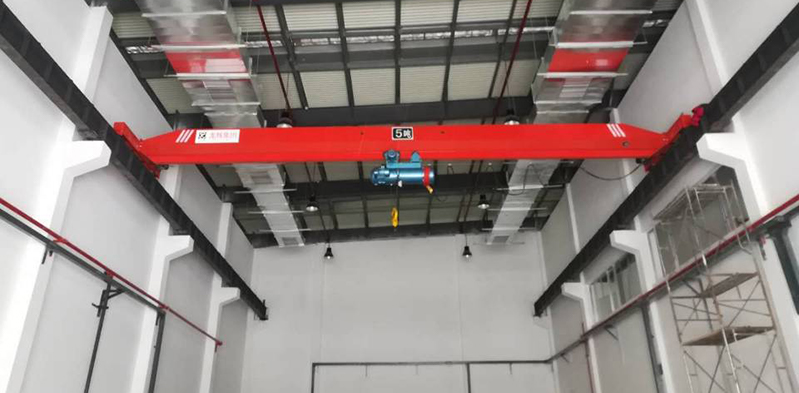
III. Advantages
Single girder cranes offer numerous advantages, making them an essential equipment for many industrial enterprises and construction sites. Firstly, they can complete hoisting, handling, and transferring of various goods quickly and efficiently. Secondly, they are easy to operate and maintain, requiring no specialized training for workers to operate them. Additionally, single girder cranes have a simple structure, occupy less space, and can be customized and modified according to needs, catering to various industrial environments.
Four: Usage Precautions
When operating a single-beam crane, please note the following points. Firstly, operators must follow the operation procedures to ensure the crane's safety and stability. Secondly, the crane's various components should be regularly inspected and scheduled for maintenance.
