


Equipment Introduction
The design of the MBR integrated wastewater treatment equipment primarily focuses on the treatment of domestic wastewater and similar industrial organic wastewater. The main treatment method is the mature biochemical treatment technology—biological contact oxidation process. The water quality parameters are designed based on general domestic wastewater quality, with an average BOD5 of 200mg/L, and the effluent BOD5 is designed at 20mg/L.
There are six components included: (1) Primary Sedimentation Tank (2) Contact Oxidation Tank (3) Secondary Sedimentation Tank (4) Disinfection Tank, Disinfection Equipment (5) Sludge Tank (6) Fan Room, Fans.
The MBR integrated wastewater treatment equipment features physical filtration, biological degradation, and plant interception processes, effectively removing organic matter while, through the collaboration of aquatic plants and microorganisms, achieving the removal of nitrogen (N) and phosphorus (P). It is particularly suitable for projects involving the treatment and reuse of rural domestic wastewater, river, and natural lake water systems.

Equipment Advantages
1. The MBR integrated wastewater treatment equipment has a strong ability to resist shock load, with an average contact oxidation retention time of over 6 hours.
2. Capable of nitrogen and phosphorus removal, and can achieve the treatment of industrial wastewater, domestic wastewater, and urban wastewater by adjusting the structure of the equipment.
3. The contact oxidation pond is typically filled with a combination of soft media, which is lightweight, high-strength, and has stable physical and chemical properties. It boasts a large specific surface area, strong biofilm adhesion, and high efficiency of contact between wastewater and the biofilm.
4. The contact oxidation tank employs an aeration device for aeration, causing the fiber bundle to continuously float, ensuring uniform aeration, facilitating the growth and maturation of microorganisms, and exhibiting characteristics of the activated sludge process.
5. Stable effluent quality with minimal sludge production and easy handling.
6. Submersible pumps can be installed within the equipment, reducing engineering investment.
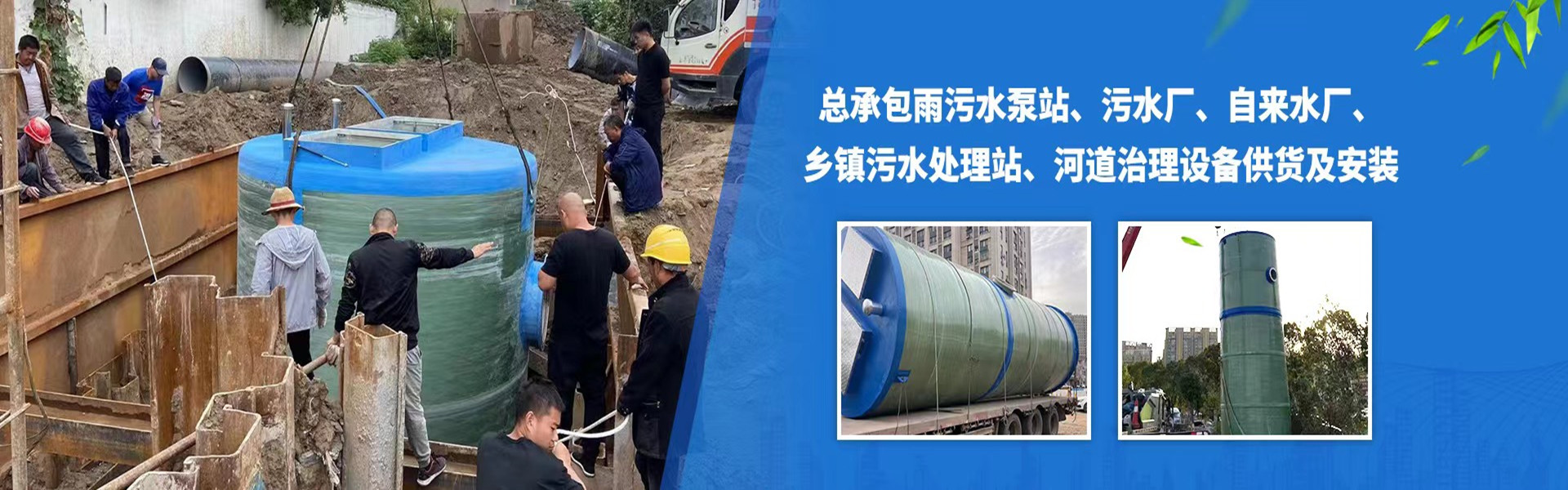
7. The equipment can be placed on the ground or buried underground. When buried, the top can be covered for landscaping, resulting in less land usage and fewer ground structures in the factory area.
8. Easy to achieve automatic control with simple operational management.
9. The equipment can be mounted on a vehicle to create a mobile MBR integrated wastewater treatment unit.
Application Scope
1. MBR integrated wastewater treatment equipment flow rate: 1.0 to 80.0 m3/h; for flow rates over 80.0 m3/h, a separate design is required.
2. Application Range:
Hotels, restaurants, sanatoriums;
(2) Residential communities, villages, and towns.
(3) Train stations, airports, seaport terminals, vessels;
(4) factories, mines, tourist attractions, scenic spots
(5) Various industrial organic wastewater similar to domestic sewage.

Equipment Features
MBR Integrated Wastewater Treatment EquipmentWater Quality Characteristics
1. Wastewater distribution is scattered, with a wide range and strong randomness, making prevention and control extremely difficult. The pipeline collection system is incomplete, characterized by extensive emissions, with virtually no wastewater treatment facilities.
2. Rural domestic wastewater has low concentration and significant variations.
3. Most rural domestic wastewater has similar characteristics, with significant fluctuations in water quality and strong biodegradability.
4. The wastewater from the toilets has poor water quality, but it can be used as fertilizer after entering the septic tank.
MBR Integrated Wastewater Treatment EquipmentFlow characteristics
1. Generally, rural areas have smaller amounts of domestic wastewater, with the exception of small towns. Since the population in rural areas is scattered, the water volume is relatively low, and thus the generated domestic wastewater is also smaller.
2. High variation coefficient, with similar living routines among residents, leads to rural wastewater discharge being greater in the morning and evening compared to daytime, with reduced nighttime flow and even potential complete stoppages, showcasing a distinct variation in water volume.

