
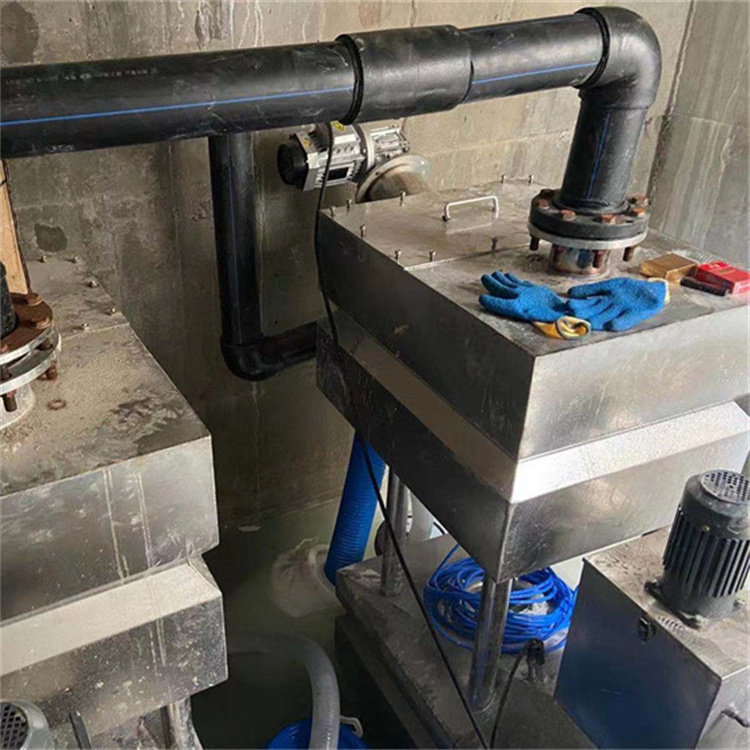
Equipment Introduction
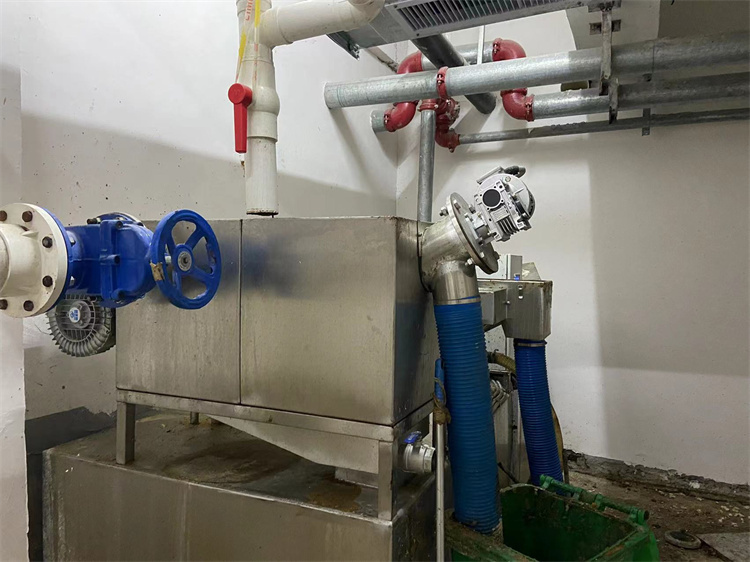
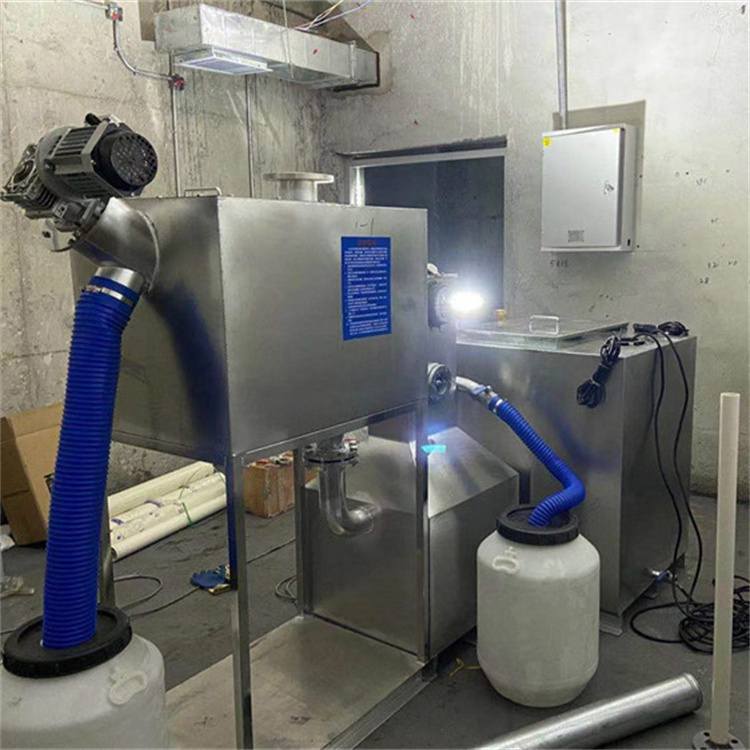
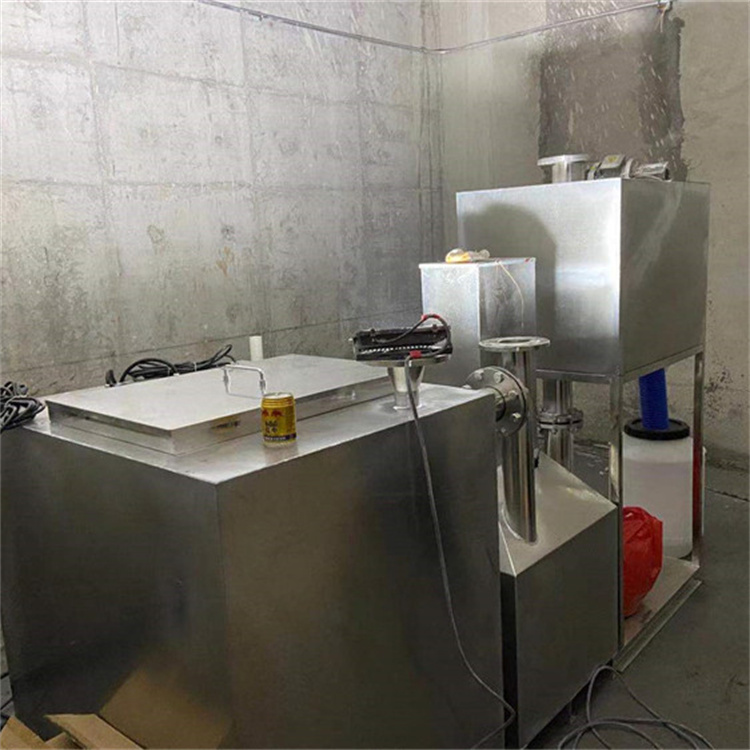
Oil/Water SeparatorUtilizing advanced environmental protection technologies, a scientifically designed treatment process, and a unique structural design, the oil particles float to the water surface after undergoing a period of slow flow and collisions with baffles due to the difference in specific gravity between water and oil. Its distinctive multi-stage treatment and separation system employs slanted plate and corrugated plate oil separation technology. After collision with the slanted plates, the mixture is then分流separated and absorbed through multiple layers of baffles without requiring any power or additives. This effectively separates the mixed oil from the wastewater and concentrates it into an oil collection sump for discharge.

Distinctive Advantages:
1、Oil/Water SeparatorAdvanced Concept: Perfectly integrates solid-liquid separation, backwashing, integration, and intelligence, thoroughly solving the problem of sewage lifting in underground toilets.
2. Made of full stainless steel, it boasts an elegant and stylish appearance, corrosion resistance, and a long service life.
3. Integrated structure, compact land use, easy installation.
4. Reasonably configured, well-designed with preventive measures, low failure rate, and hassle-free, worry-free operation.
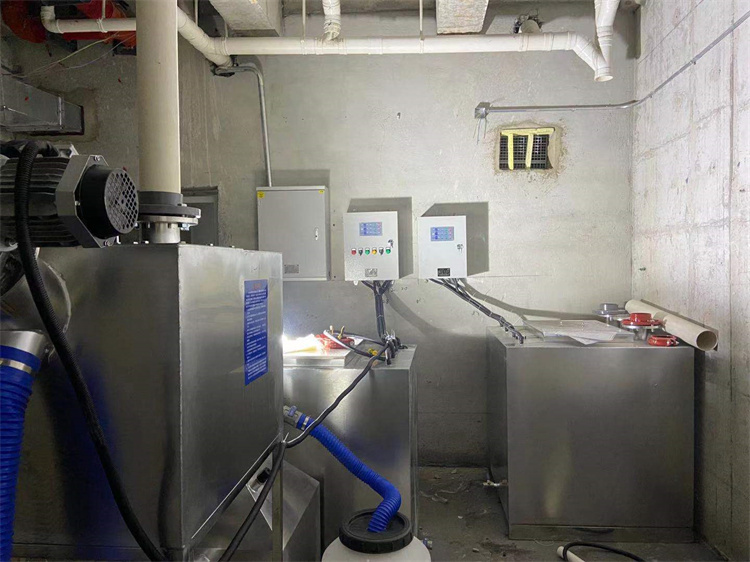
Structural Principles
1. When wastewater entersOil-water separatorAt this time, the solid-liquid separator should be able to retain3mm+ large particle debris, with an automatic self-cleaning brush, simultaneously cleaning the mesh holes, ensuring the mesh remains clean at all times.
Flowing (no oil stains or debris blockages), no daily maintenance required.
2. Automatic separation of oil and waste water inside the equipment, rapid sedimentation of debris, and automatic elevation of the effluent.
3. Debris and oils can be automatically collected and discharged. Daily maintenance simply involves changing the trash bins and oil collection drums.
4. Sludge is treated with a two-stage separation process and is manually discharged into sludge bins on a regular basis, at least once a week.
5. Dual-pump configuration, alternating operation, with backup for each other, equipped with over-limit alarm, heating device, and constant temperature oil prevention from solidifying.
6. Basic Power Requirements: Input power supply is a three-phase five-wire system, rated voltage of 380V, with capacity to accommodate all electrical devices running simultaneously.
7. Prior to using the equipment, ensure the interior of the housing is clean, check for loose connections at all joints, and verify that the electrical connections are functioning properly.
8. Prior to operation, the equipment must be filled with fresh water and adjusted using it. It is strictly prohibited to start the pump without water.
9. Conduct routine inspections for blockages, leaks, and equipment operation. Replace trash bins, sludge bins, and oil collection drums promptly.
10. Refer to Clause 4.8.2 of GB50015 for the model and size requirements of the equipment.
11. The equipment's processing capacity should be determined by the maximum second flow rate of the catering drainage.
12. The flow rate of wastewater in the equipment for catering should not exceed 0.005 m/s, and the retention time of wastewater should be between 2 minutes to 10 minutes.
13. The water quality after equipment treatment should comply with the specification of "Drip oil and grease emission limit of 100mg/L" in CJ343.
Product Standards
Oil-water separatorModel and size specifications should be referred toThe requirements of Article 4.8.2 in GB50015.
The equipment's processing capacity should be matched with the catering drainage volume.Determine the maximum second-level traffic.
The flow rate of culinary wastewater within the equipment must not exceed0.005 m/s, wastewater retention time should be between 2 to 10 minutes.
The water quality after equipment treatment should meetThe specification in CJ343 for "diesel and vegetable oil emissions limit of 100mg/L."