
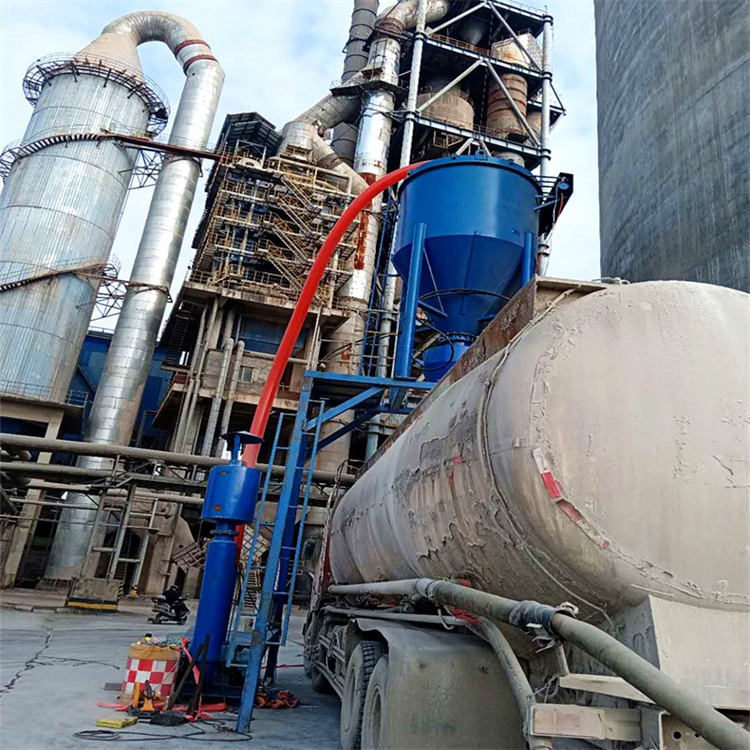
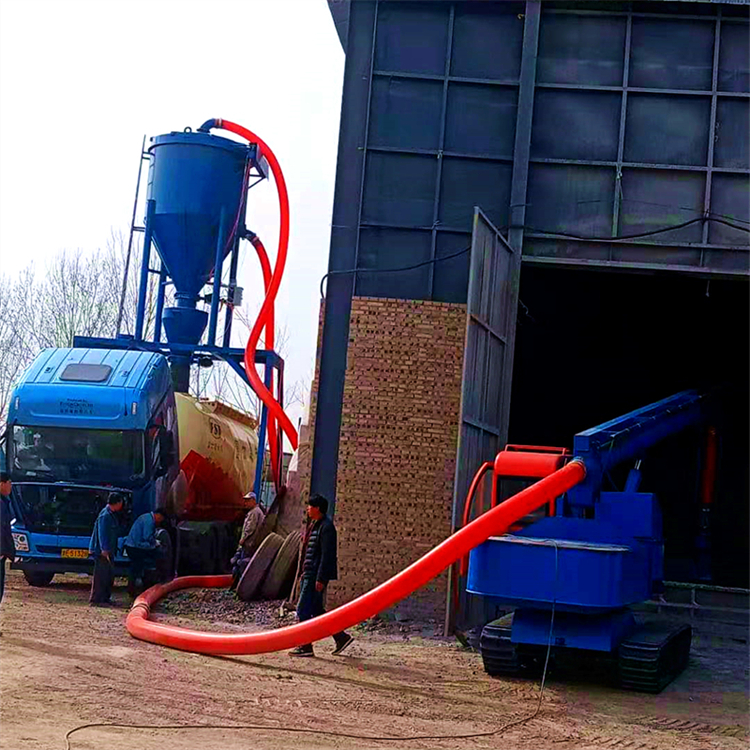
 Guofriend Automatic Dust Extraction Machine for Pallet Packaging 200 Model, Automatic Dust Extraction Loading Machine Quotation
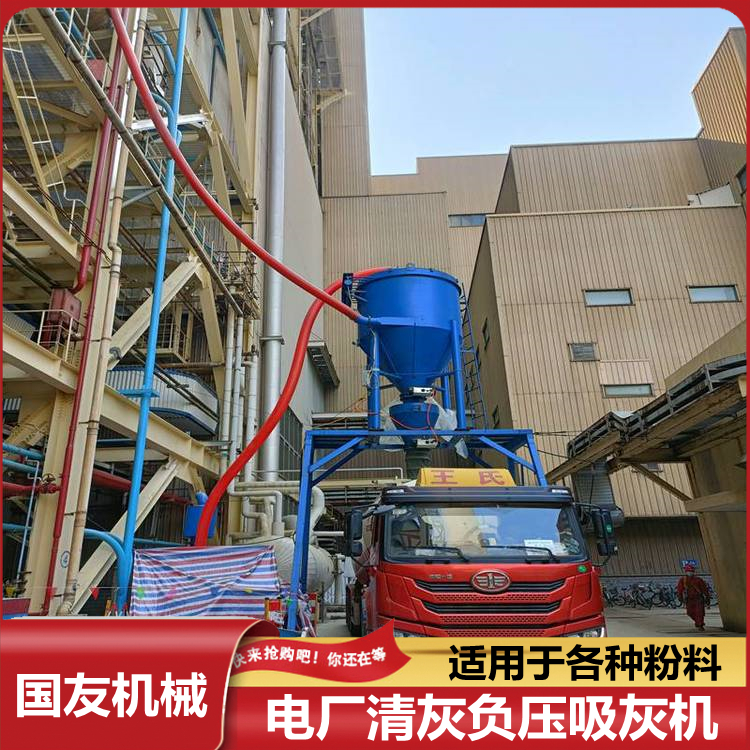 Fly Ash Discharging Machine Model 200 Automatic Dust Loading Machine Quotation
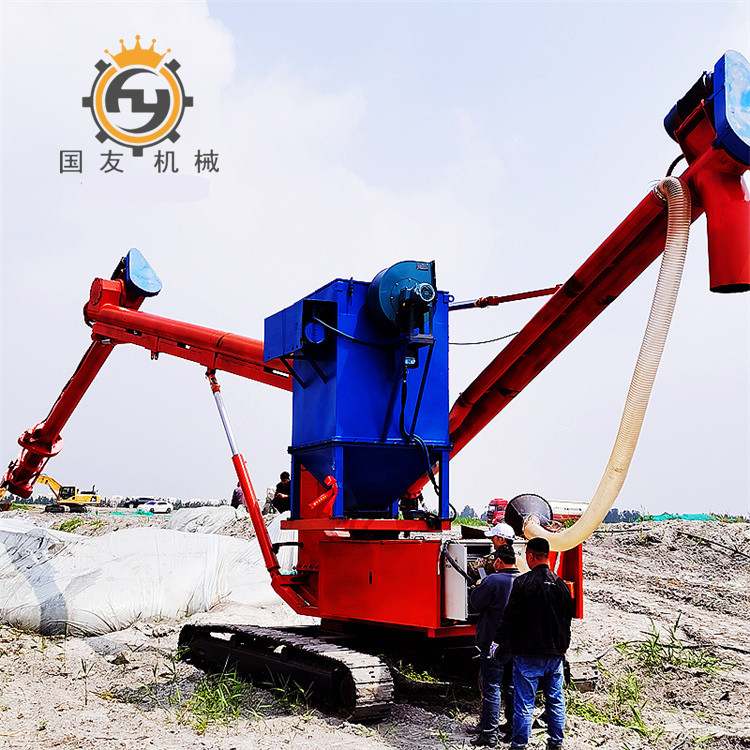 Track-type walking screw unloading machine, Storage screw conveyor model 325, Tubular screw conveyor
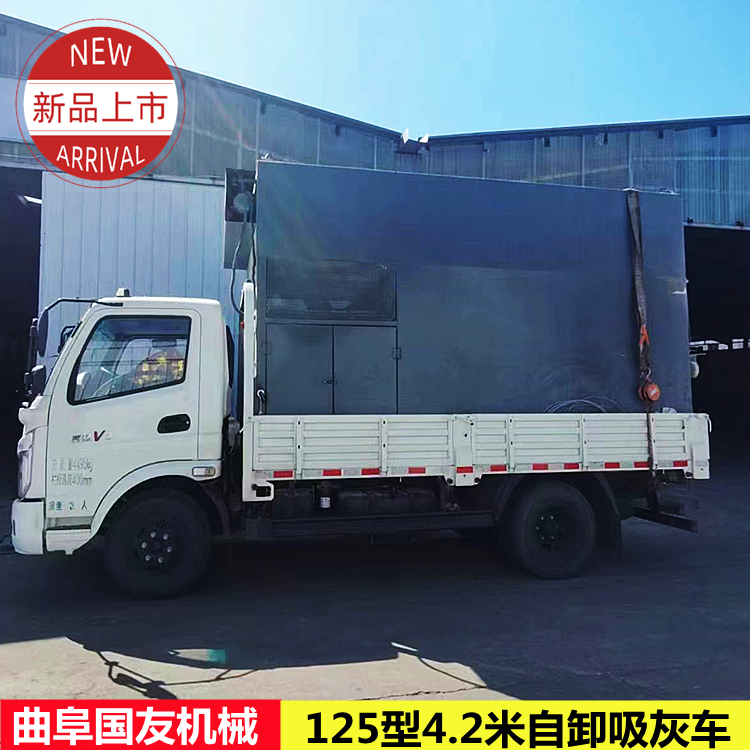 Portable Dust Removal Vehicle, 100-meter Dust Removal Machine, Power Plant Cleaning Dust Removal Vehicle
Product Details

Agricultural Equipment, Forestry Machinery, Farming Machinery, Construction E...



产品Price 35000.00/Tai
最小起订Quantity:1 Tai 供货总Quantity: 10000 Tai


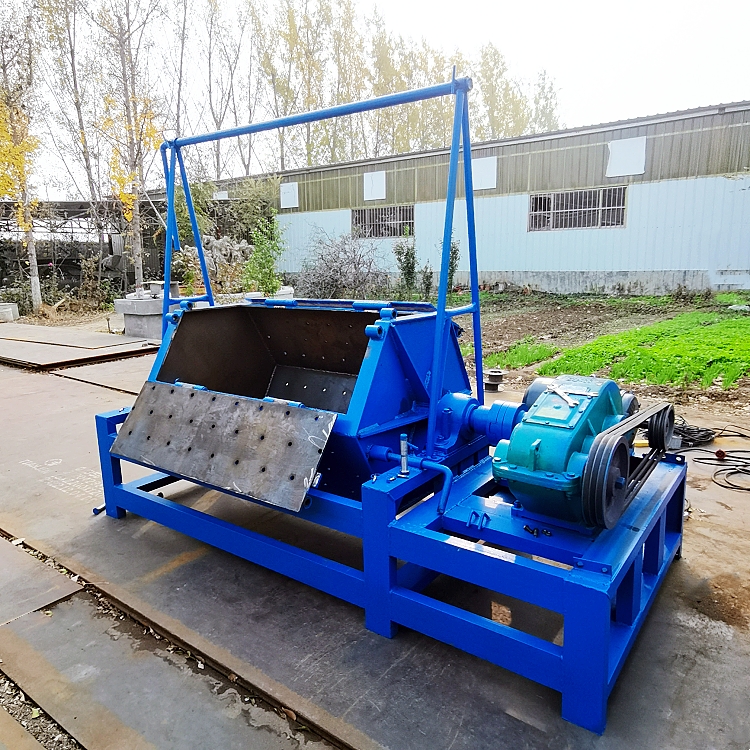 Stone Grinding Machine, Hexagonal Barrel Polishing Machine, Iron Part Oil Rust Removal Grinder, Forge Iron Dry Grinding Machine
¥2100.00
Stone Grinding Machine, Hexagonal Barrel Polishing Machine, Iron Part Oil Rust Removal Grinder, Forge Iron Dry Grinding Machine
¥2100.00
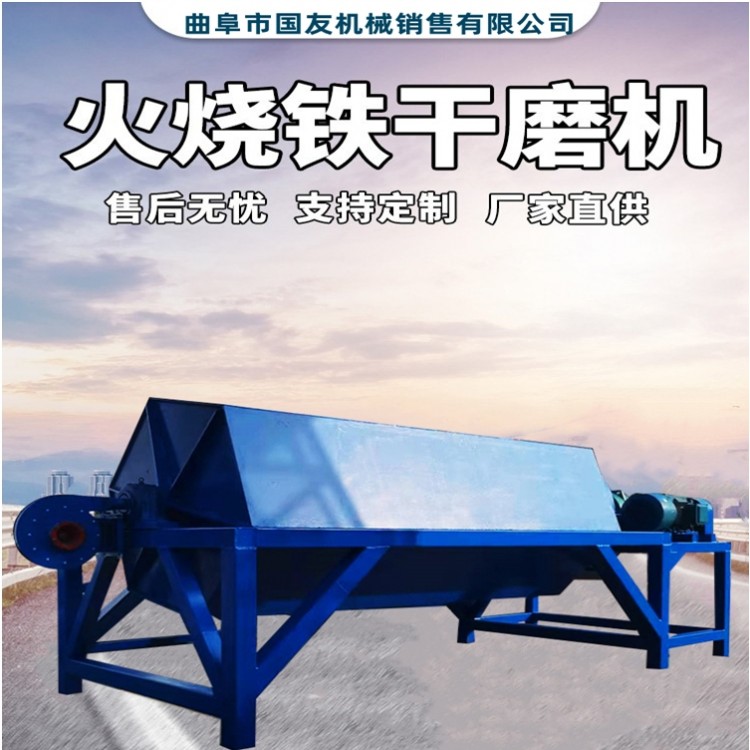 Rust Removal Drum Polisher for Forged Iron, Polyurethane Lined Dry Grinder Manufacturer, In Stock Small Grinding Machine
¥2500.00
Rust Removal Drum Polisher for Forged Iron, Polyurethane Lined Dry Grinder Manufacturer, In Stock Small Grinding Machine
¥2500.00
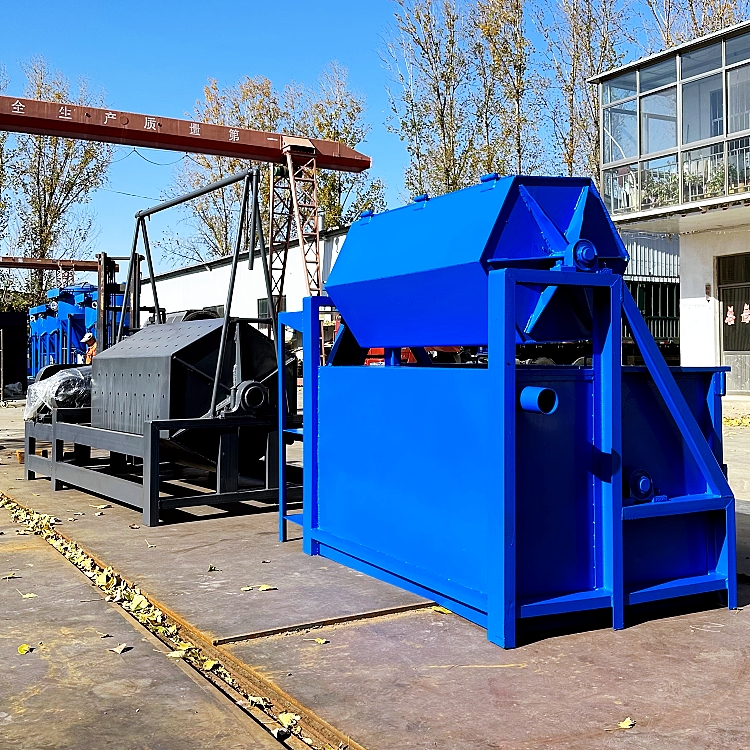 Hexagonal drum ironwork rust removal machine, stone water spray polishing machine, hardware oil rust rolling polishing machine
¥2500.00
Hexagonal drum ironwork rust removal machine, stone water spray polishing machine, hardware oil rust rolling polishing machine
¥2500.00
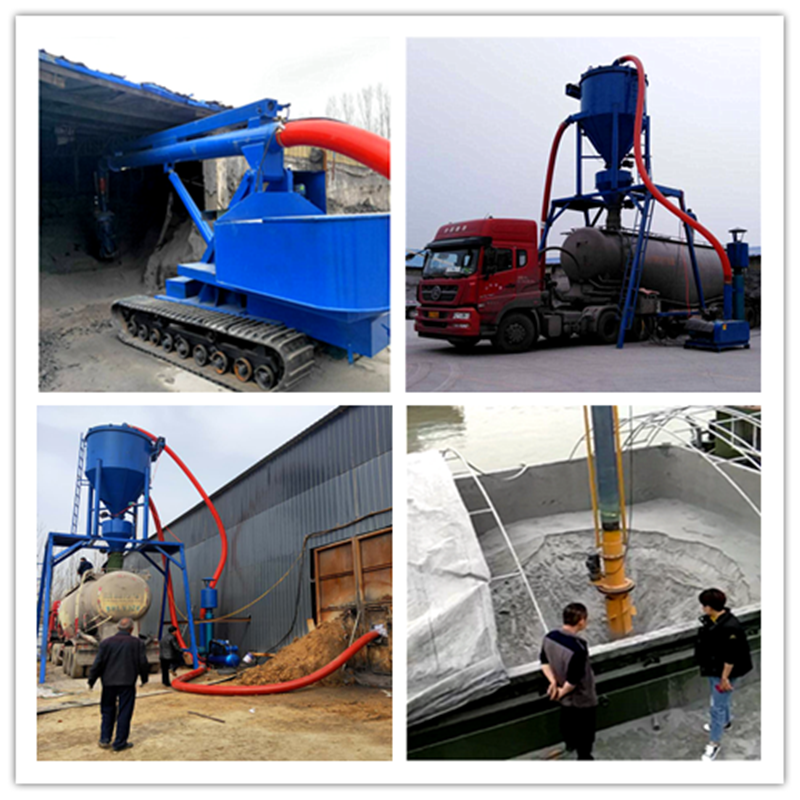
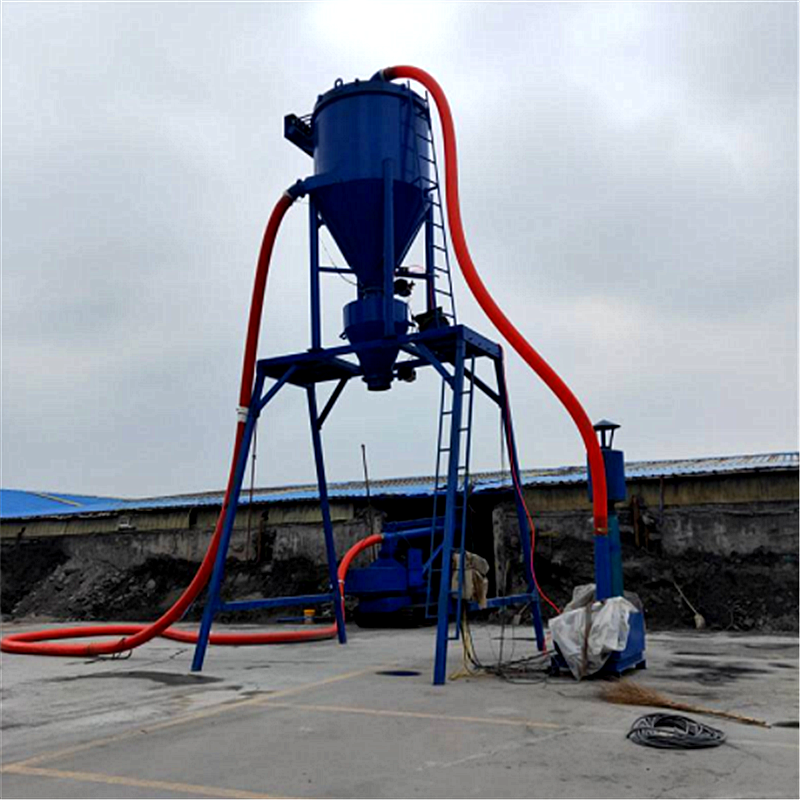
Pneumatic Conveying MachineEquipment Introduction: Pulse-jet dust removal pneumatic conveying machine is a model suitable for fly ash,Self-priming environmental-friendly conveying equipment for the storage and transportation of powdered materials such as cement powder, stone powder, activated carbon powder, etc. This machine is composed of core (material suction) systems (Roots blower, motor, or diesel engine, muffler, base, etc.); dust removal systems (pulse tank, ladder, air pump, etc.); unloading systems (closed or gravity unloading devices); support systems (gantry support); conveying systems (rubber hose, connecting short pipe, clamp, etc.); and accessory systems (suction nozzle, telescopic bag, material level switch, etc.). Our company also offers a range of auxiliary equipment, including robotic arms, rotary feeders, spiral feeders, large hoppers, circular maintenance platforms, variable frequency start cabinets, container unloading systems, and custom processing services for various non-standard pneumatic machines. The machine comes in various types and specifications according to different classification criteria. The unit is available in models with diameters of 100mm, 125, 150, 200, 250, 300, and so on, according to the fan outlet diameter. Various models of fans are paired with motors/diesel engines, air compressors, dust collectors, shut-off valves/pneumatic valves, and hoses, to achieve different conveying effects. Application / Field of Use Fine Chemicals: Pigments, Dyes, Coatings, Carbon Black, Iron Oxide, Ceramic Powder, Heavy Calcium Carbonate, Light Calcium Carbonate, Bentonite, Molecular Sieve, Kaolin, Silica Powder, Activated Carbon, etc. Building Materials: Cement, clay, yellow sand, quartz sand, clay powder, silica stone, limestone powder, dolomite powder, wood shavings powder, glass fiber, silicon dioxide, talcum powder, etc. Food Industry: Flour, starch, grains, milk powder, food additives, etc. Uncommon materials available for special customization; dust and particles can be separated. The main features of pneumatic conveying are its large conveying volume, long conveying distance, and high conveying speed; it allows for loading at one location and unloading at multiple locations. Product Showcase Suction and delivery features 1. Suitable for concentrating material from several points to one location. The feeding point can be one or several, and the material tube can accommodate one or several. Root pipe. Not only can it sequentially transport materials from several feeding points to the unloading points, but it can also simultaneously supply materials from several feeding points. Material is transported to the unloading point. 2. Under vacuum pressure, materials are easily吸入, thus feeding at the throat is simple. The hopper can be left open, allowing for Continuous supply and conveyance. 3. Materials are conveyed under vacuum, making moisture easy to evaporate. Therefore, for materials with high moisture content, it is more convenient to convey them compared to pressure conveying. Delivered; Materials supplied in a heated state can be cooled through conveyance. 4. Parts must maintain sealing integrity; the structures of components such as the gas separator, dust collector, and airlock are relatively complex. 5. The fan is installed at the system terminal, with a requirement for high air purification. Pressure characteristics 1. Suitable for distributing materials from one point to several others. In other words, there is one feeding point, but there can be multiple unloading points. Are several. 2. Compared to suction and blow, the concentration and conveying distance can be significantly increased. 3. Under positive pressure, materials are easily discharged from the discharge port, thus the separator and dust collector designs are simple, generally not Need a lock blower. 4. Blowers or air compressors at the system's inlet, with low requirements for air purification. 5. Under positive pressure, material is less likely to enter the conveying pipe, thus the feeding device structure is relatively complex. Equipment Classification There are three types of pneumatic conveying devices: (1) Negative pressure pneumatic conveying system, which uses blowers to create a vacuum in the pipes to propel the pieces of material in motion. (2) Positive-pressure pneumatic conveying system, where the material moves within the pipeline due to the action of compressed air. (3) Mixed pressure pneumatic conveying system (positive pressure on one side and negative pressure on the other), where part of the conveying pipeline operates in a positive pressure state while the other part is under negative pressure. The material moves in one direction under pressure, and the return movement is facilitated by the negative pressure within the pipeline. According to the size of required pressure, the air-powered conveying device can be further divided into: Low-pressure pneumatic conveying device – less than 10 kPa Medium-pressure pneumatic conveying equipment – below 50 kPa High-pressure pneumatic conveying equipment — above 50 kPa When air compressors are used in the production of air-powered conveying pumps, pressures can reach 200-300 kPa, or even higher. Low-pressure pneumatic conveying systems are used for the transportation of packaged unit loads without skips, where the conveying distance is limited (either within a separate production facility or within the administrative building). These systems are typically suction-type. Medium and high-pressure pneumatic conveying systems are used for the transportation of packaged materials over long distances (over 200-300 meters). Based on the connection characteristics of the receiving and dispatching station or loading and unloading station, pneumatic conveying systems can be classified into single-tube, double-tube (or multi-tube), linear, or circular. A single-tube linear pneumatic conveying system sequentially connects two or several conveying points. Materials can be conveyed in both forward and reverse directions, or simply in one direction.






Phone Consultation