
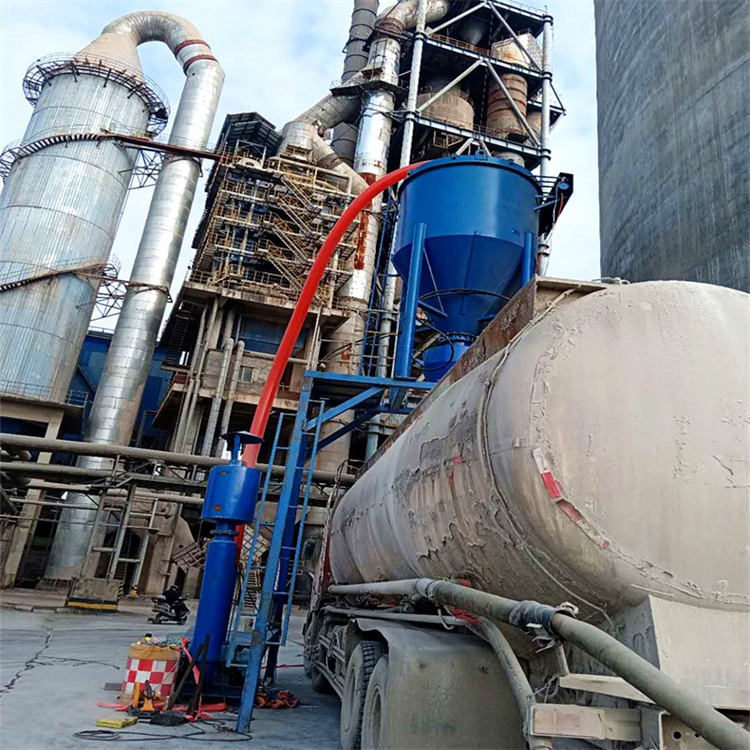
 Guofriend Automatic Dust Extraction Machine for Pallet Packaging 200 Model, Automatic Dust Extraction Loading Machine Quotation
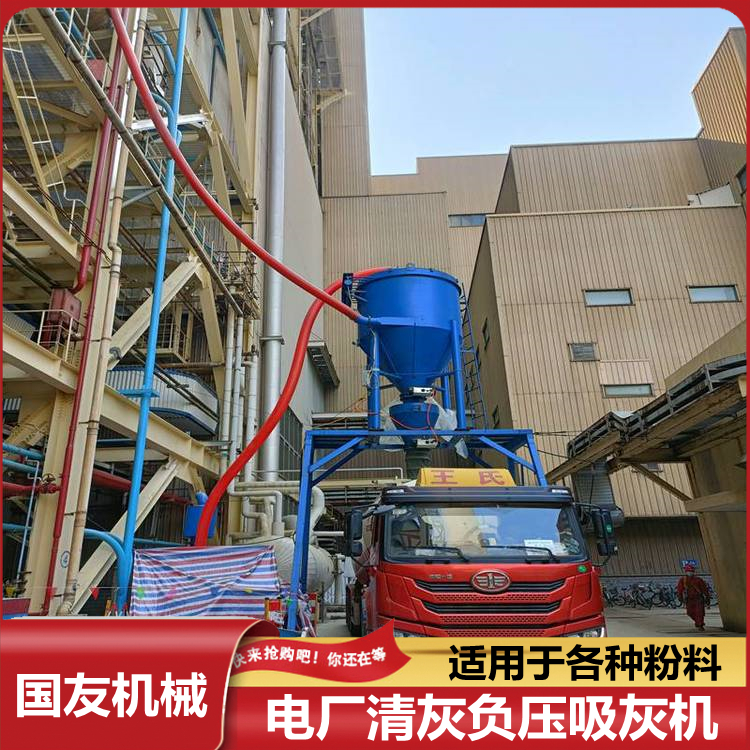 Fly Ash Discharging Machine Model 200 Automatic Dust Loading Machine Quotation
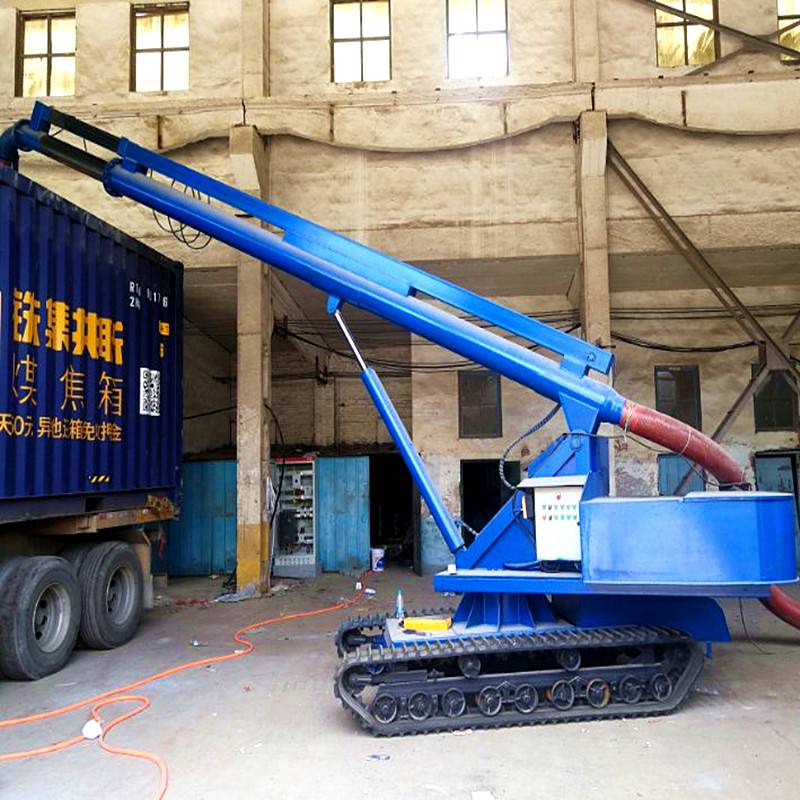
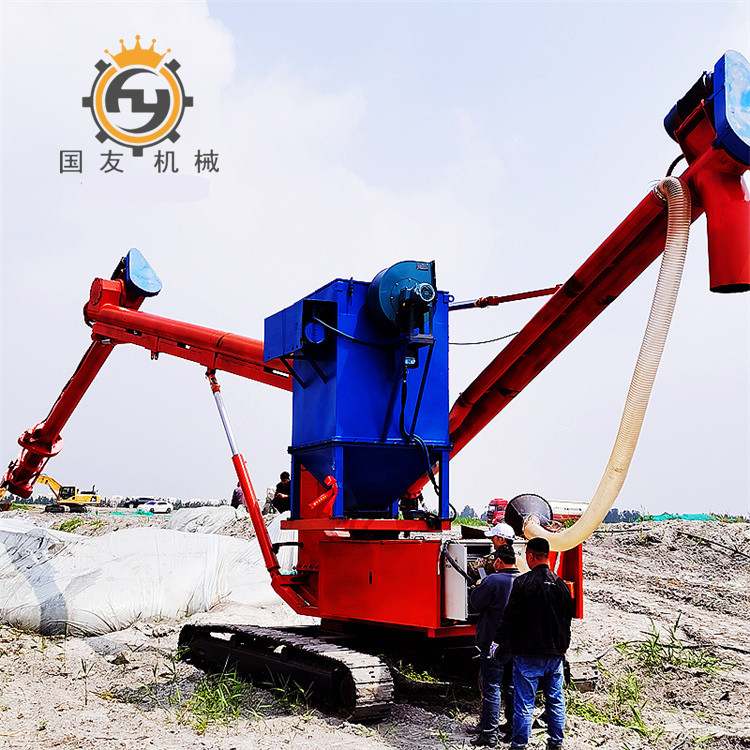 Track-type walking screw unloading machine, Storage screw conveyor model 325, Tubular screw conveyor
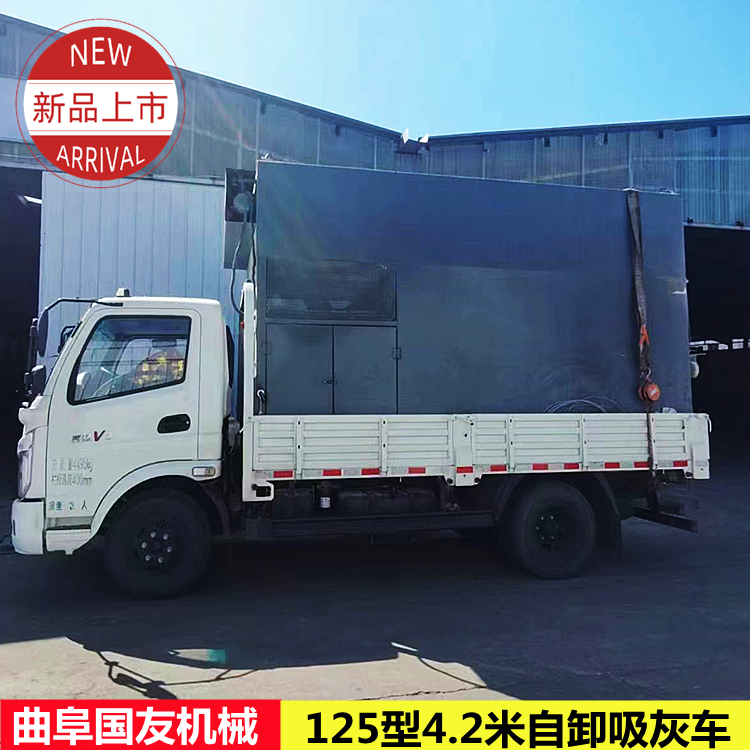 Portable Dust Removal Vehicle, 100-meter Dust Removal Machine, Power Plant Cleaning Dust Removal Vehicle
Product Details

Agricultural Equipment, Forestry Machinery, Farming Machinery, Construction E...

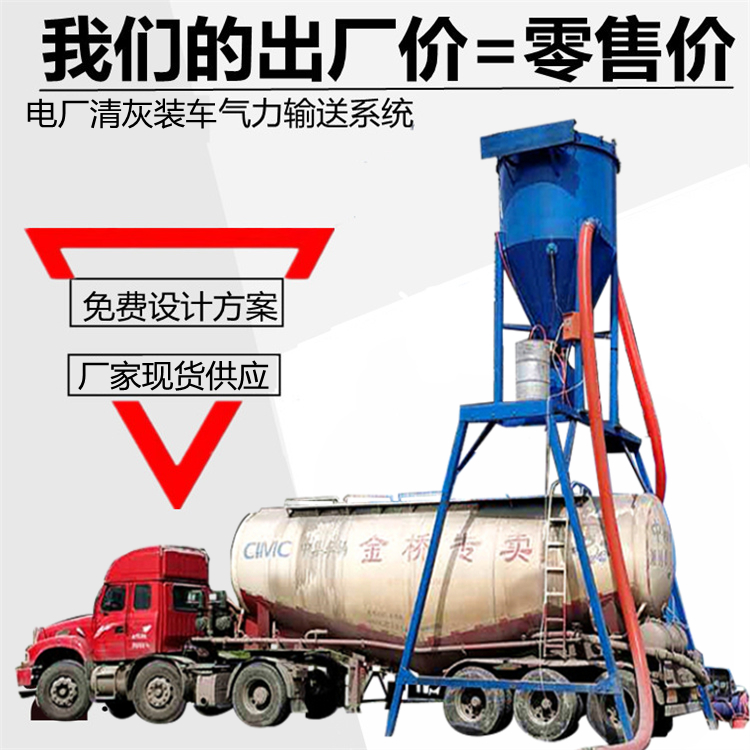


产品Price 26000.00/Tai
最小起订Quantity:1 Tai 供货总Quantity: 10000 Tai


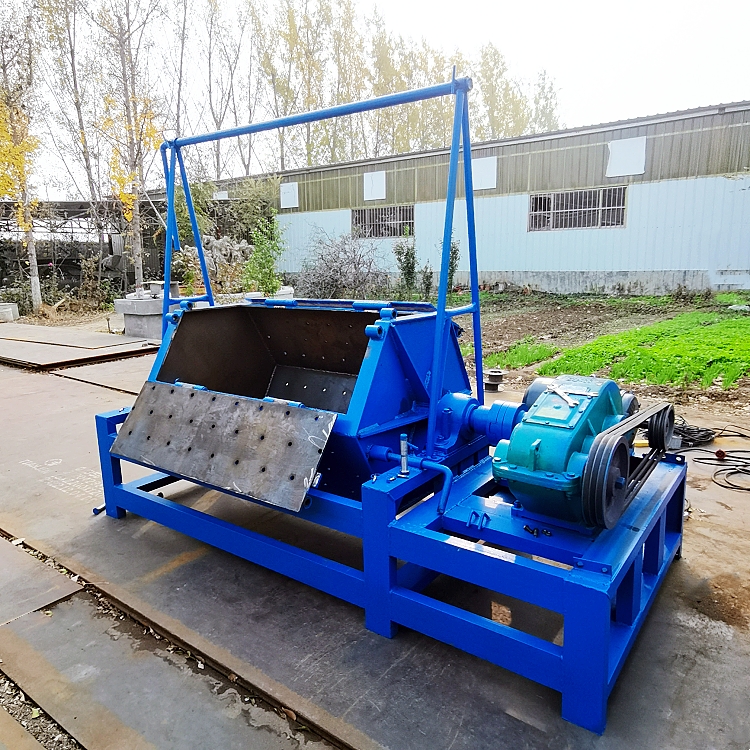 Stone Grinding Machine, Hexagonal Barrel Polishing Machine, Iron Part Oil Rust Removal Grinder, Forge Iron Dry Grinding Machine
¥2100.00
Stone Grinding Machine, Hexagonal Barrel Polishing Machine, Iron Part Oil Rust Removal Grinder, Forge Iron Dry Grinding Machine
¥2100.00
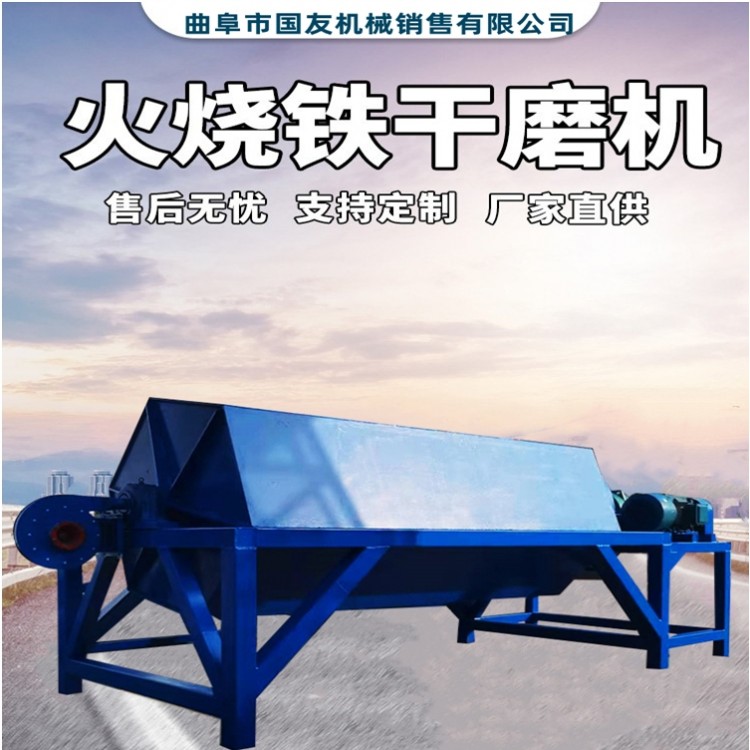 Rust Removal Drum Polisher for Forged Iron, Polyurethane Lined Dry Grinder Manufacturer, In Stock Small Grinding Machine
¥2500.00
Rust Removal Drum Polisher for Forged Iron, Polyurethane Lined Dry Grinder Manufacturer, In Stock Small Grinding Machine
¥2500.00
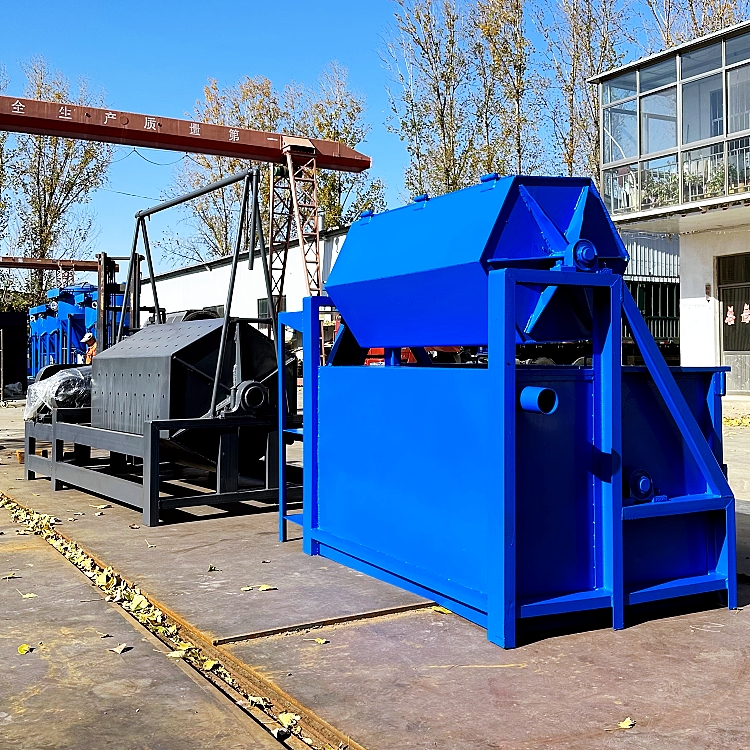 Hexagonal drum ironwork rust removal machine, stone water spray polishing machine, hardware oil rust rolling polishing machine
¥2500.00
Hexagonal drum ironwork rust removal machine, stone water spray polishing machine, hardware oil rust rolling polishing machine
¥2500.00
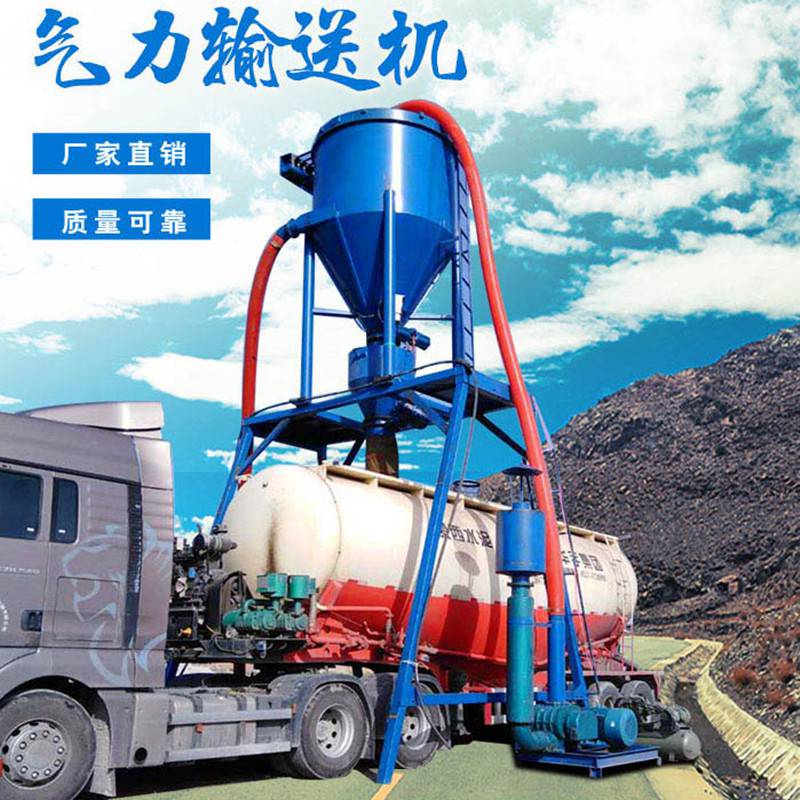
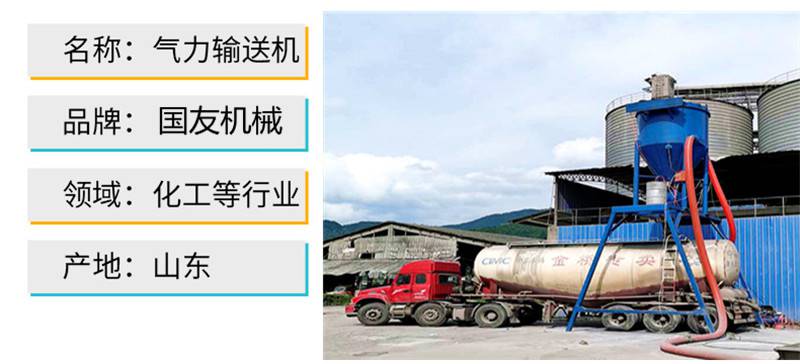
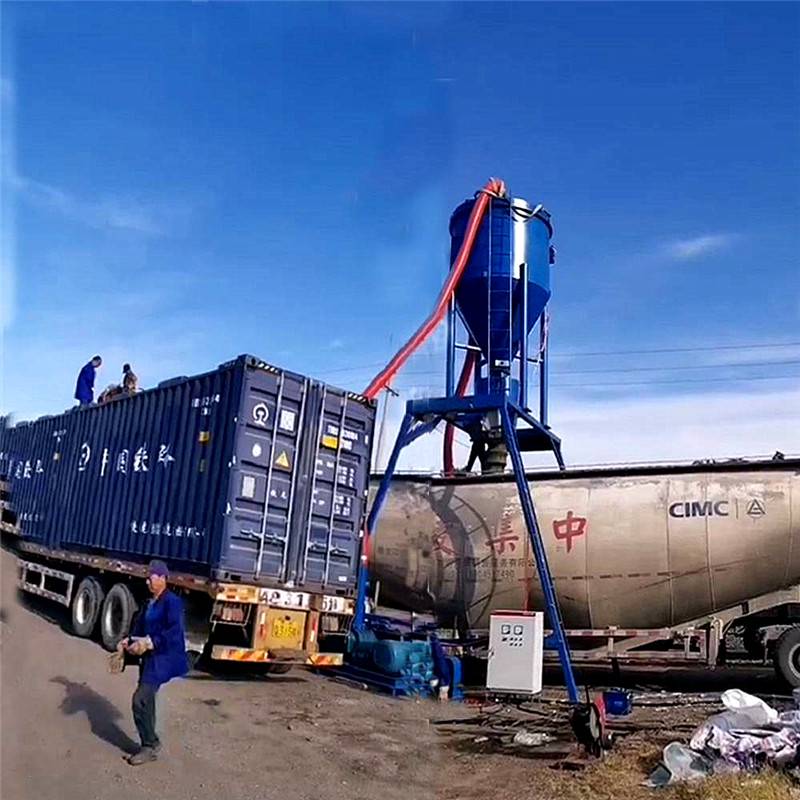
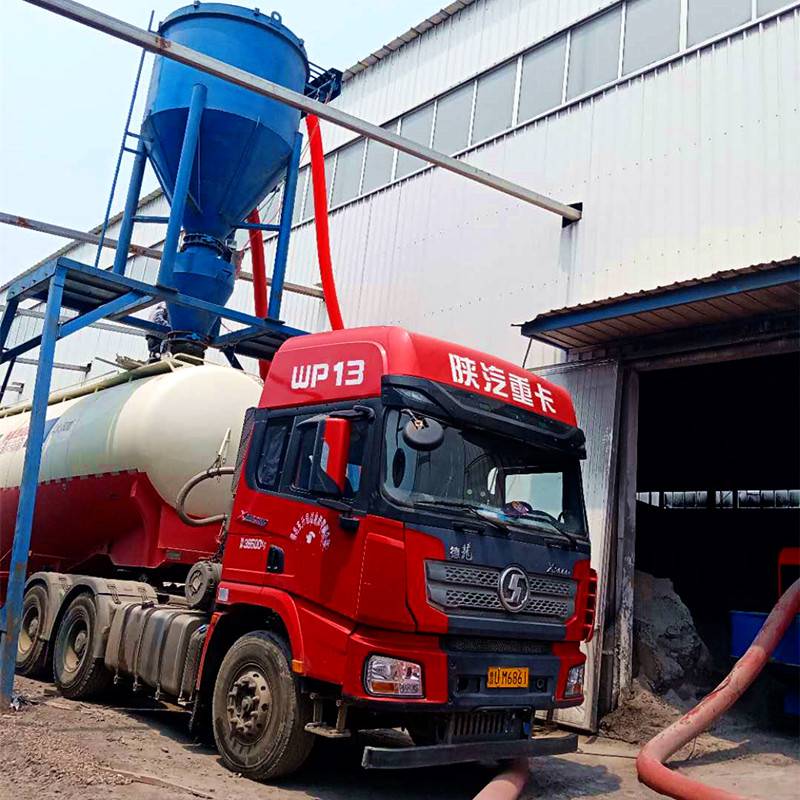
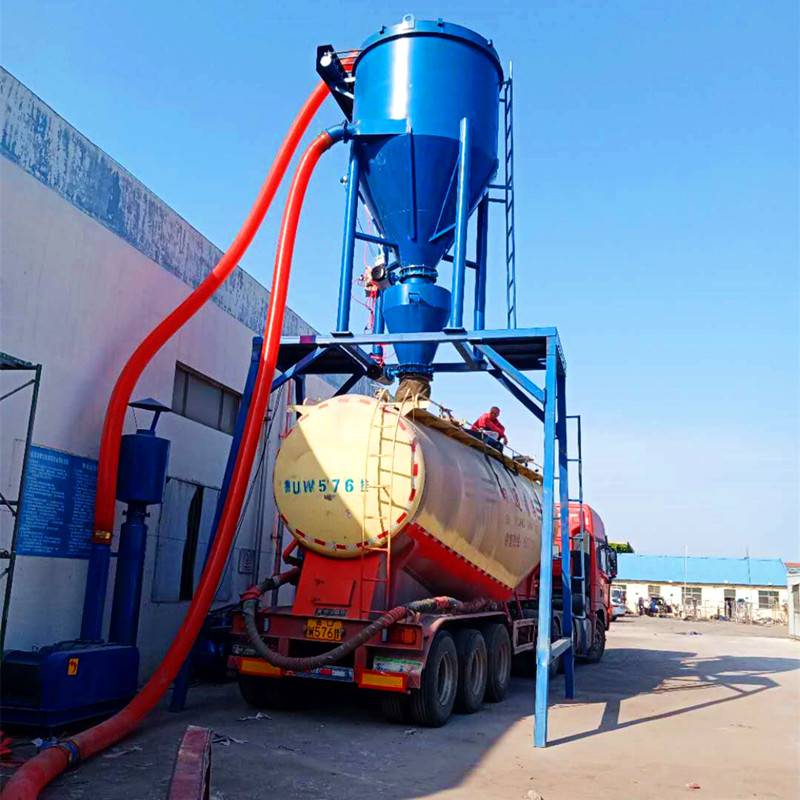
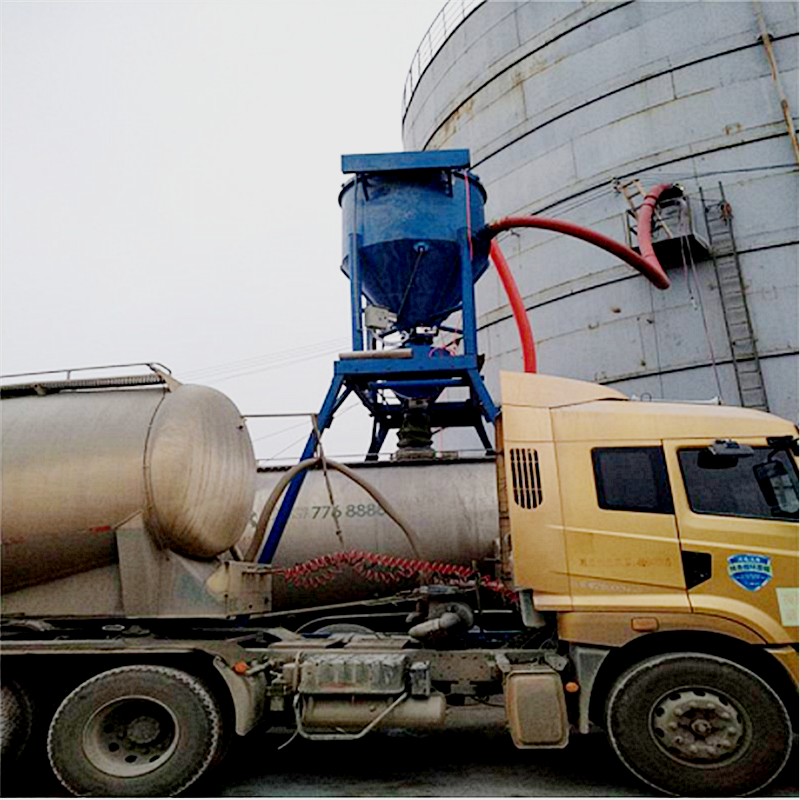
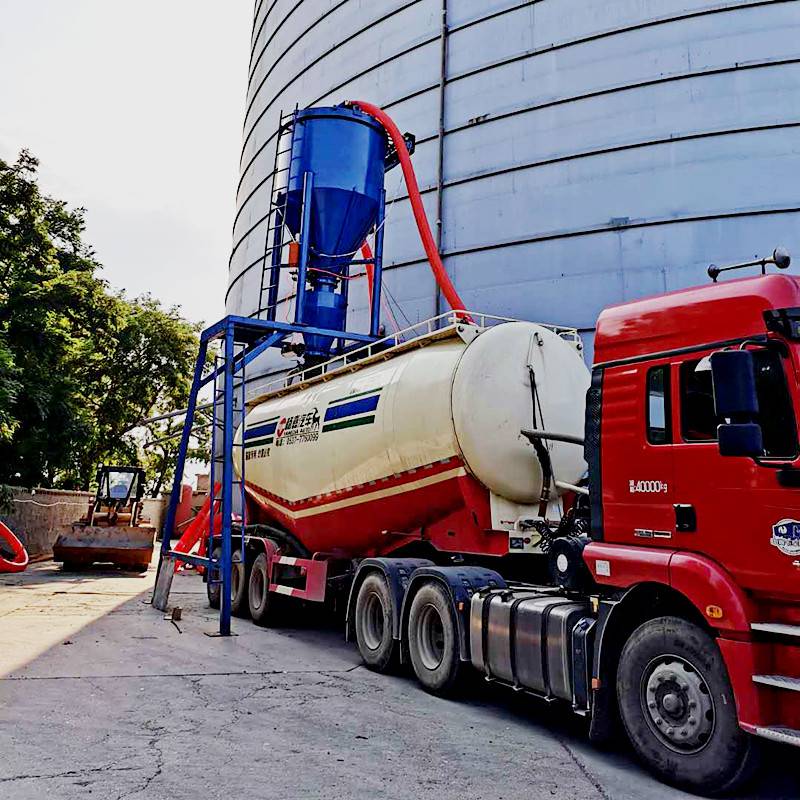
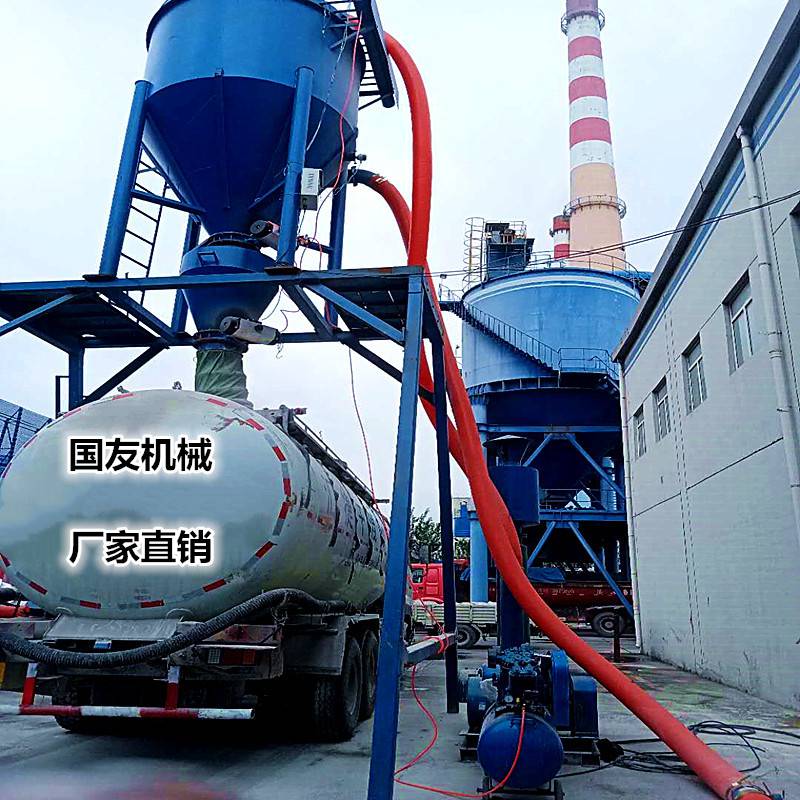
Air conveying machine Equipment Introduction Pulse-jet deduster type pneumatic conveying machine is a unit suitable for fly ash,Self-priming environmental-friendly conveying equipment for the handling and transportation of dry powdery materials such as cement powder, stone powder, activated carbon powder, etc. The machine is composed of key components such as the core (material suction) system (Roots blower, motor, or diesel engine, silencer, base, etc.); the dust removal system (pulse tank, ladder, air pump, etc.); the unloading system (closed or gravity unloader); the support system (gantry support); the conveying system (rubber hose, connecting short pipe, clamp, etc.); and the accessory system (suction nozzle, telescopic fabric bag, material level switch, etc.). We also offer a range of complementary equipment and customized processing services for special-shaped pneumatic machines, including robotic arms, rotary feeders, screw feeders, large hopper bins, circular maintenance platforms, variable frequency starters, and container unloading systems. The machine comes in various types and specifications, categorized according to different criteria. The machine comes in models with impeller diameters of 100mm, 125, 150, 200, 250, 300, and so on. Different models of fans are paired with corresponding motors/diesel engines, air compressors, dust collectors, butterfly valves/pneumatic valves, and hoses to achieve various conveying effects. Usage/Applications Field Fine Chemicals: Pigments, dyes, coatings, carbon black, iron oxide, ceramic powder, heavy calcium, light calcium, bentonite, molecular sieve, kaolin, silica powder, activated carbon, etc. Building Materials: Cement, clay, yellow sand, quartz sand, clay powder, silica stone, limestone powder, dolomite powder, wood shavings powder, glass fiber, silicon dioxide, talcum powder, etc. Food Industry: Flour, starch, grains, milk powder, food additives, etc. Uncommon materials available for special customization; dust and particles can be separated. The main features of pneumatic conveying are its large conveying capacity, long conveying distance, and high conveying speed; it allows for loading at one location and unloading at multiple locations. Product Showcase Automatic Container UnloadingCement Fly Ash Application Site: Cylinder-shaped steel silo cleanout, dust-free negative pressure vacuum dust extraction machine in use. Cement and power plant powder material tanker usage on-site: Equipment Classification: There are three types of pneumatic conveying devices: (1) Suction and conveying air conveying device (negative pressure), which creates negative pressure in the pipeline by a blower to cause movement of the pieces of material. (2) Positive-pressure pneumatic conveying system, where the movement of material within the pipeline is achieved due to the action of compressed air. (3) Mixed-pressure pneumatic conveying system (positive pressure and negative pressure), where part of the conveying pipeline is in a pressure-boosting state, while the other part is in a negative pressure state, or the material moves in one direction under pressure, with the return movement being facilitated by the negative pressure within the pipeline. According to the required pressure levels, the pneumatic conveying devices can be further divided into: Low-pressure pneumatic conveying system — below 10 kPa Medium-pressure pneumatic conveying device - below 50 kPa High-pressure pneumatic conveying equipment—above 50 kPa When air compressors are used in the production of air-powered conveying pumps, the pressure can reach 200-300 kPa, even higher. Low-pressure pneumatic conveying systems are used for the transport of packaged unit loads without bulk containers and where the conveying distance is limited (within a standalone production facility or within the scope of an administrative building). These systems are typically suction-type. Medium and high-pressure pneumatic conveying systems are used for the transportation of packaged materials over long distances (over 200-300 meters). Based on the connection characteristics of the receiving and dispatching stations or loading and unloading stations, pneumatic conveying systems can be classified into single-tube, double-tube (multi-tube), straight-line, or circular configurations. A single-tube straight-line pneumatic conveying system sequentially connects two or more conveying points. Materials can be conveyed in both forward and reverse directions, or simply in one direction. Installation Steps: 1、Fan, Main DriveTypically, both are assembled at the factory; upon receipt, simply check the connection points. 2. Pulsating tank.Typically, this section is in a horizontal transport position. After unloading, there's no need to rush to stand it up. First, inspect the connection points of the components; look inside from the bottom of the tank to check if any filter bags have come loose (this is normal during horizontal transport); check if water has entered the pulse instrument; and verify if the flanged elbow at the top or side feed opening is installed (it may be removed for easier shipping). Once these preparations are complete, the pulse tank should be erected only after ensuring the foundation is secure. 3. Shut-off valve.Secure the shut-off valve to the pulse tank with screws (our company will decide whether to install it upon shipment based on transportation conditions). When securing, consider the position of the shut-off valve motor and junction box for ease of use. Note: Some models may come with a shut-off valve flange ring, which should be securely fastened. 4. Base.Blow-extract integrated equipment; at this point, the pulsating tank can be mounted onto the base. When securing it, consider the location of the feed port. 5. Tower crane.Generally, a gantry consists of 1 base, 4 square tube legs, 2 square tube crossbeams, and 4 channel steel diagonals, which can be securely fastened with screws and then the pulse tank is placed on top. 6. Piping.First, connect the muffler and steel pipe to the blower (for some models, a steel pipe is also required on the pulse tank). Then, use a shorter flexible hose to connect the blower steel pipe to the curved pipe at the top (or side) of the pulse tank. Install the infeed and outfeed hoses. Note: You can heat-treat the hose connection to soften it for easy insertion and removal. After installing the hoses, use clamps to secure them in place. 7. NozzleSimply connect to the material feed hose. 8. Air PumpFor use with the same pulse tank, simply connect to the pulse valve. 9. Miscellaneous.When the total power of the equipment exceeds 30Kw, it should be ensured that the local area has the corresponding power supply capacity and is equipped with soft start devices such as variable frequency starters. After completing all these steps, your beloved device is ready for use! Principles of Use: 1. High priority.The machine is heavy and large in size. Forklifts, loaders, and other heavy equipment are required for disassembly, movement, and maintenance of the machine and its components. Operators with relevant experience should be used, and close attention should be paid to site safety. 2. No-load start-up.Ensure the equipment is material-free prior to each use as much as possible. 3. Test the machine first, then operate.Pilot a small batch of materials to ensure no anomalies before gradually increasing the incoming material quantity. 4. Avoid overloading operation.Different materials have different transportation standards. Typically, we will remind you at the time of order to avoid overloading and strictly prohibit long-term overloading. Consistency.The power, oil (diesel, lubricants, etc.), site, and personnel training requirements for the machine are consistent with those of other equipment. Before each operation, it is necessary to check all environmental indicators. 6. If there's an issue, shut down immediately.If there are issues such as air leakage, smoking, unusual sounds, or movements, the power should be immediately shut off and the machine should be stopped for inspection. First open, then close the other.At startup, first activate the air lock, then turn it for 20 seconds before starting the fan. At shutdown, first turn off the fan and wait until the material mostly stops flowing before closing the air lock. 8. Maintain air intake.Nozzles typically feature an air intake port, which can be inserted into the material pile for operation as needed, to meet the requirement of introducing a portion of air during feeding (if air is not supplied for several consecutive minutes, the vacuum inside the dust collector will continuously increase, which can cause severe, even irreversible damage to the equipment). Important Reminder: Upon arrival, please first clarify the product specifications and model, and then carefully check the quantity, specifications, and appearance of each item against the shipment list to ensure there are no missing, incorrectly shipped, or damaged items. After receiving the goods, if installation and debugging by our staff have been pre-arranged and paid for, please contact our sales personnel to confirm the technician's dispatch and reception arrangements. Do not rush, as we will arrange accordingly as soon as possible. If you need to install and debug it yourself, you may also contact us. We can provide video guidance, and please strictly follow the steps and principles below to ensure smooth operation.











Phone Consultation