
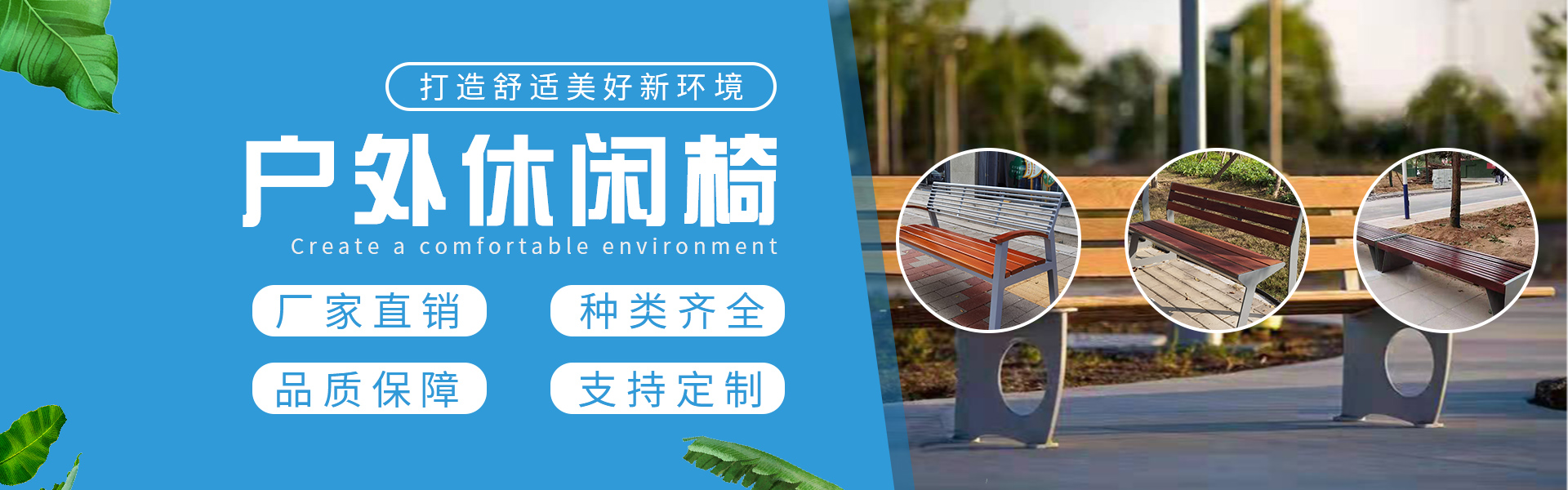


Public seating is one of the fundamental infrastructures of urban public spaces and an essential component in urban environmental design. Its quality also impacts the image of urban public spaces.
Now, the design of public seating is also gaining widespread attention, and it is showing some new trends.
The trend towards artisticization: Western developed countries attach great importance to the construction of urban public art, as it directly impacts the image of a city and even a nation. In some European cities, the government mandates that developers allocate a certain percentage of funds for public art in the development of real estate projects.
Public seating is a vital component of urban public facilities, and artistic public seating is an integral part of urban public art. Whether public seating is artistic has become one of the basic criteria for evaluating a city's cultural image. Artistic public seating brings a literary and artistic temperament to the city's development, establishes the humanistic spirit of urban public spaces, and creates a comfortable and people-friendly environment. Therefore, artistry will inevitably become one of the essential trends in the design of public seating.
(3) The trend towards ecological design considers environmental factors throughout the entire design process, aiming to minimize the environmental impact of the design product's lifecycle and ultimately form a sustainable production and consumption system. Ecological design of urban public seating refers to the consistent integration of ecological design principles into all stages of public seating design. Advocating the concept of ecological design holds practical significance for the design of urban public seating. On one hand, ecological design can enhance economic benefits. In the long run, it promotes the rational and effective use of materials and energy, saving costs in research and development, production, construction, and post-service, while also reducing the risks of environmental pollution and safety incidents. Therefore, in today's market, whether a product incorporates ecological elements is one of the most competitive factors. On the other hand, ecological design can reduce environmental pollution and conserve non-renewable resources. Ecological design takes into account the environmental impact at the design, production, and usage stages from the outset, thereby mitigating negative effects at the source and becoming more environmentally friendly. Now, the concept of ecological design has become deeply ingrained, and using the principles of ecological design to design urban public seating is becoming an inevitable trend.
As urban public space development progresses, public facilities will become increasingly sophisticated, and the design of urban public seating will trend towards artistry, humanization, and ecological concerns. Analyzing the new trends in urban public seating design will benefit the improvement of such designs, ultimately creating higher-quality urban public spaces.
