 Layered Ground Subsidence Monitoring Equipment System - Source Manufacturer - With Case Studies
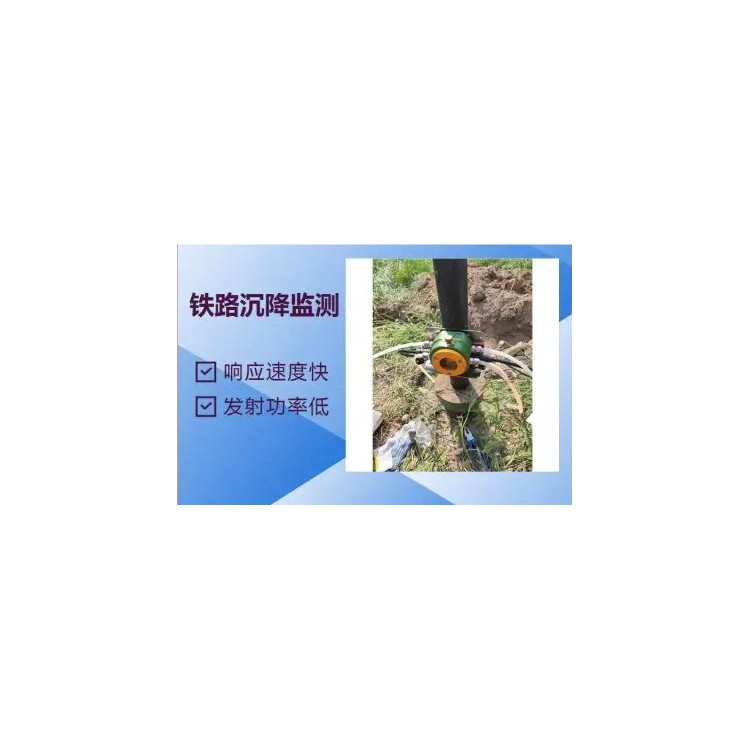 Used Differential Subsidence | Land Subsidence Monitoring | What You Want, We Have Here
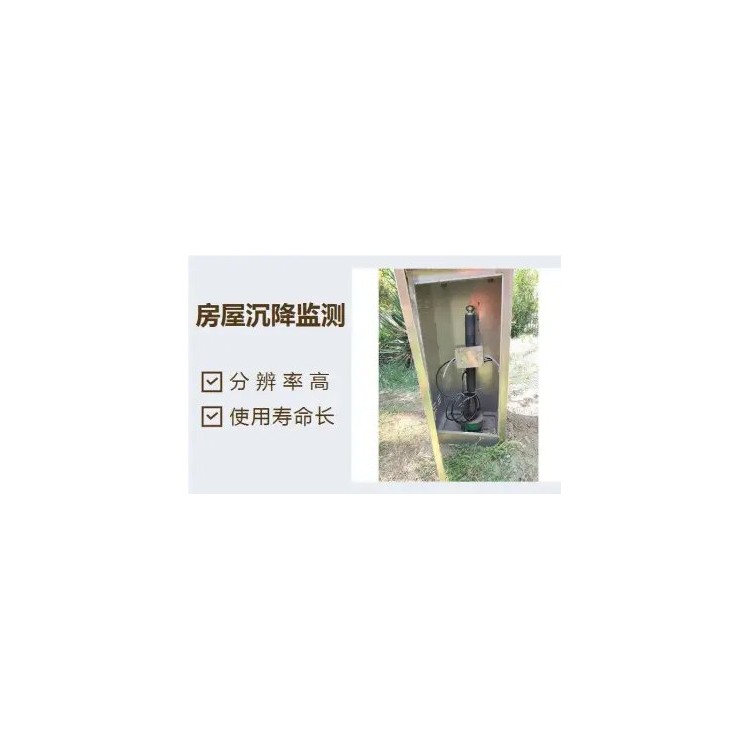 Automatic Settlement Supply | Ground Settlement Monitoring | Here Prices Are More Competitive
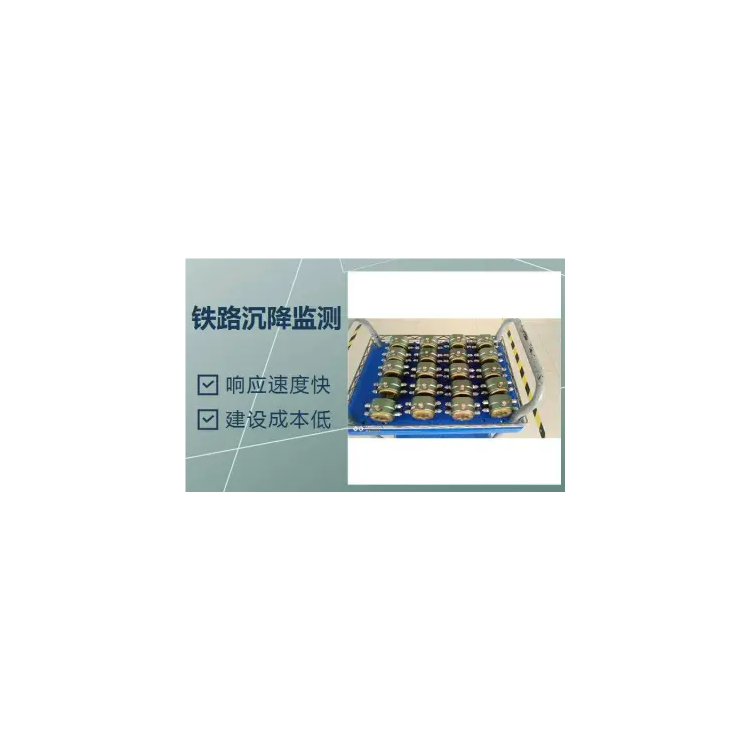 Ground沉降Monitoring - Low transmission power - Sensors with waterproof and shockproof design
Product Details


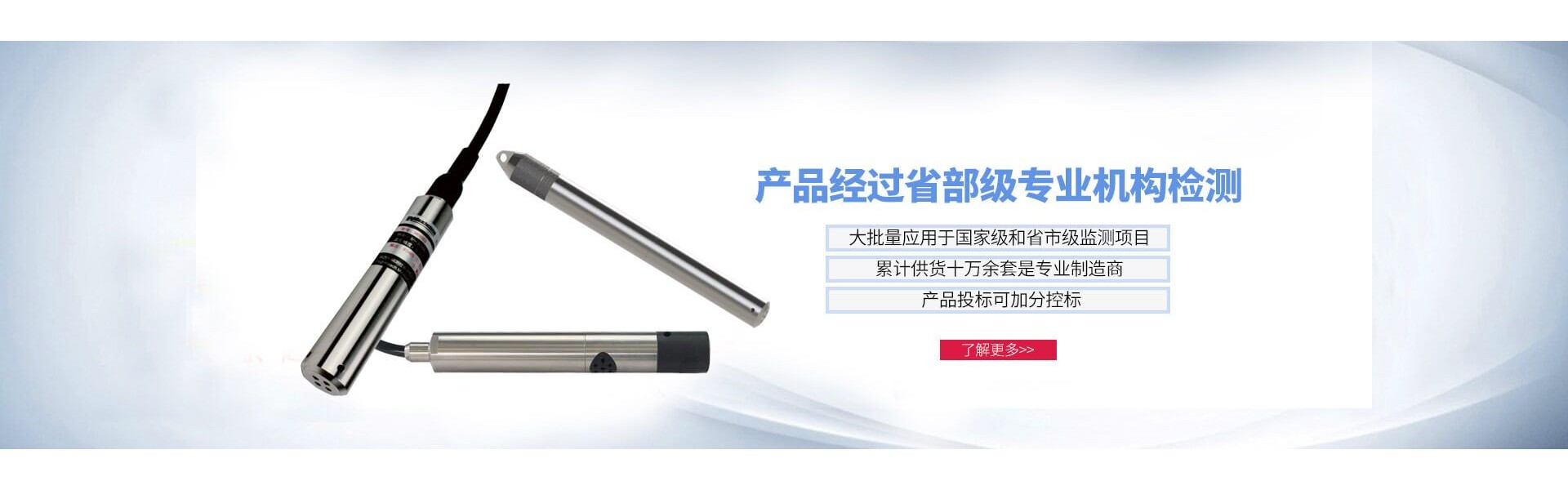
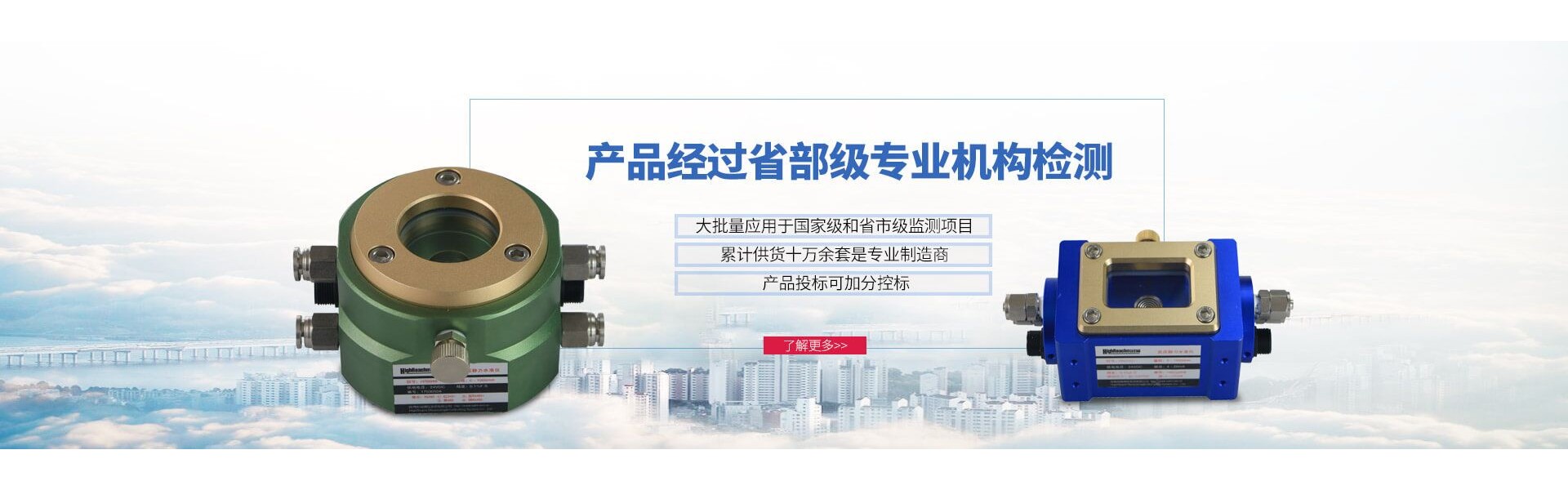
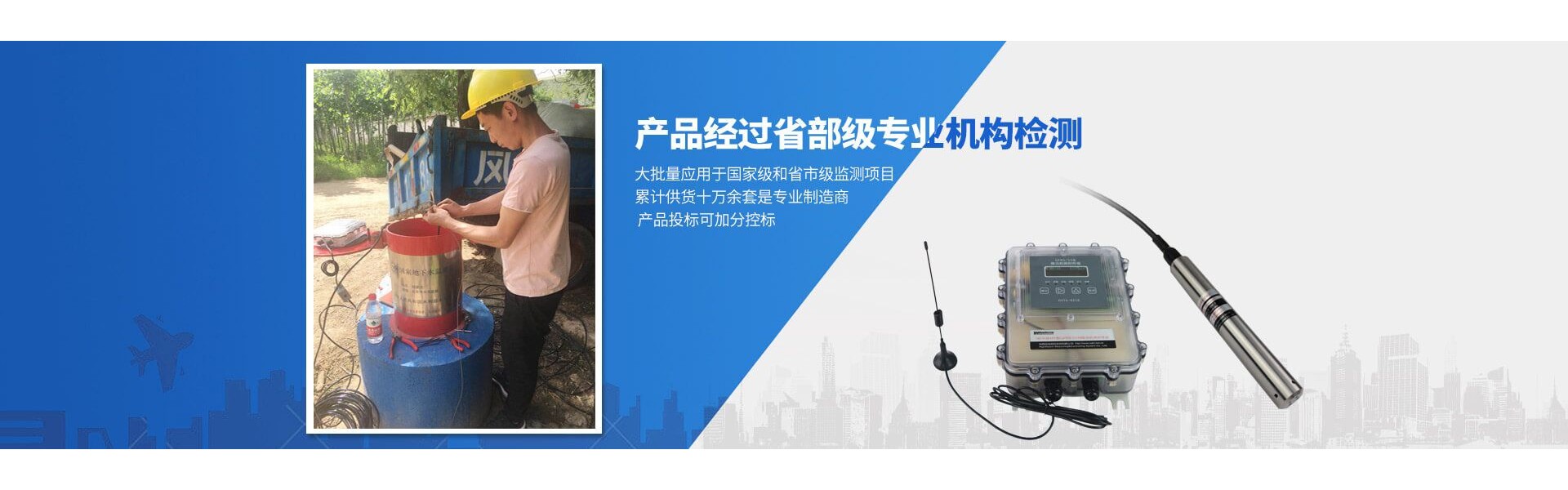
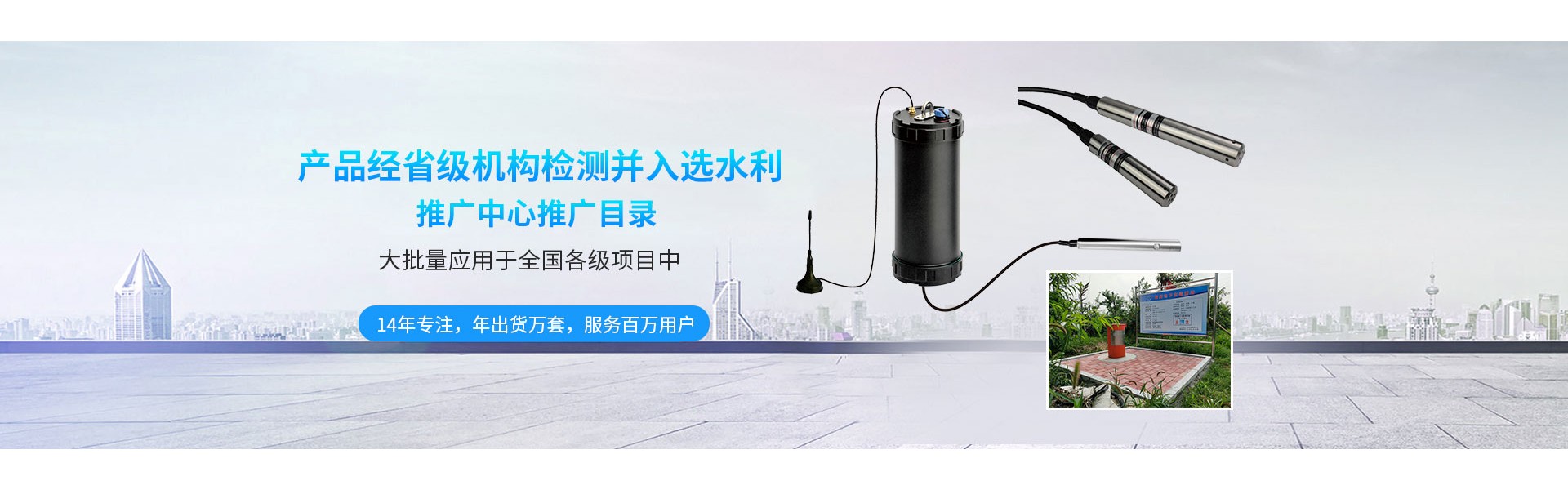
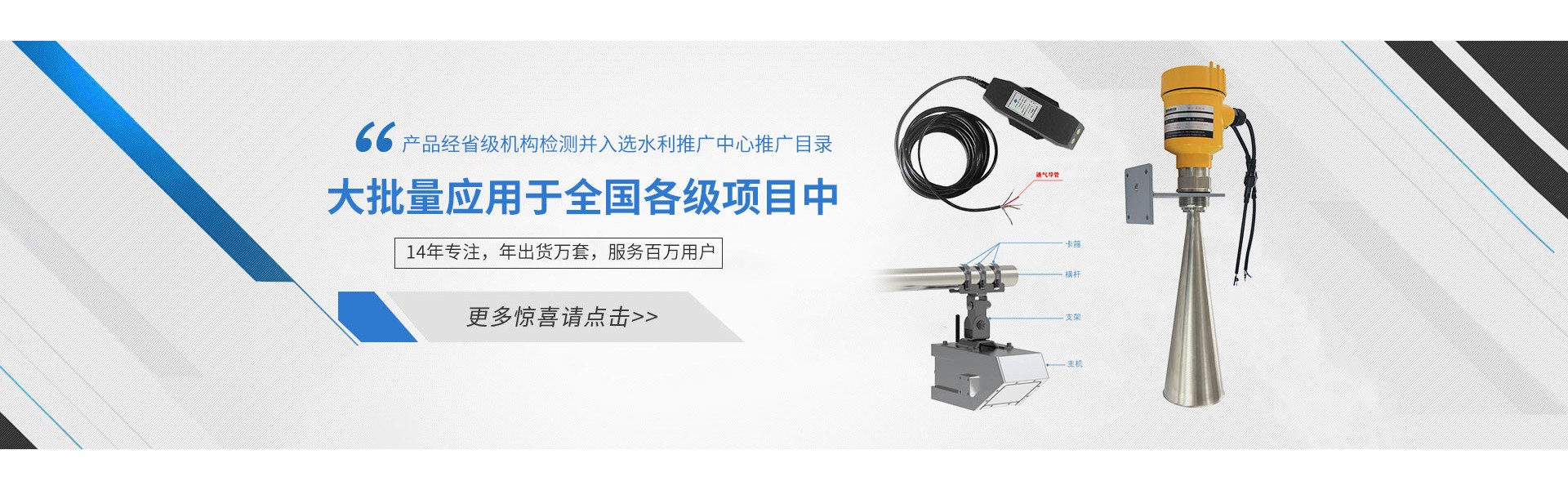
产品Price 99.00/Tai
最小起订Quantity:1 Tai 供货总Quantity: 10000 Tai
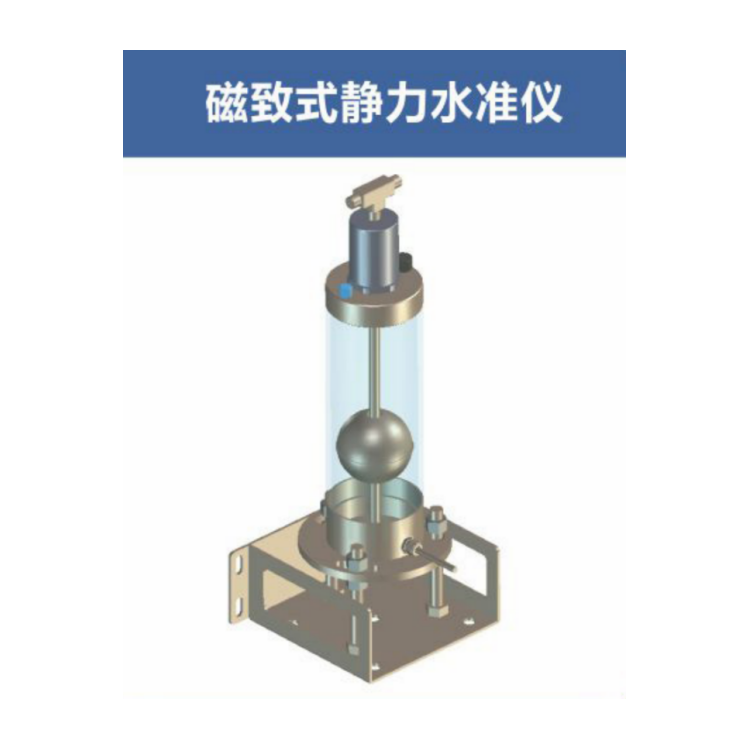 Rock Bed Subsidence Static Leveling Instrument, Layered Subsidence Static Leveling Instrument, Source Manufacturer
¥199.00
Rock Bed Subsidence Static Leveling Instrument, Layered Subsidence Static Leveling Instrument, Source Manufacturer
¥199.00
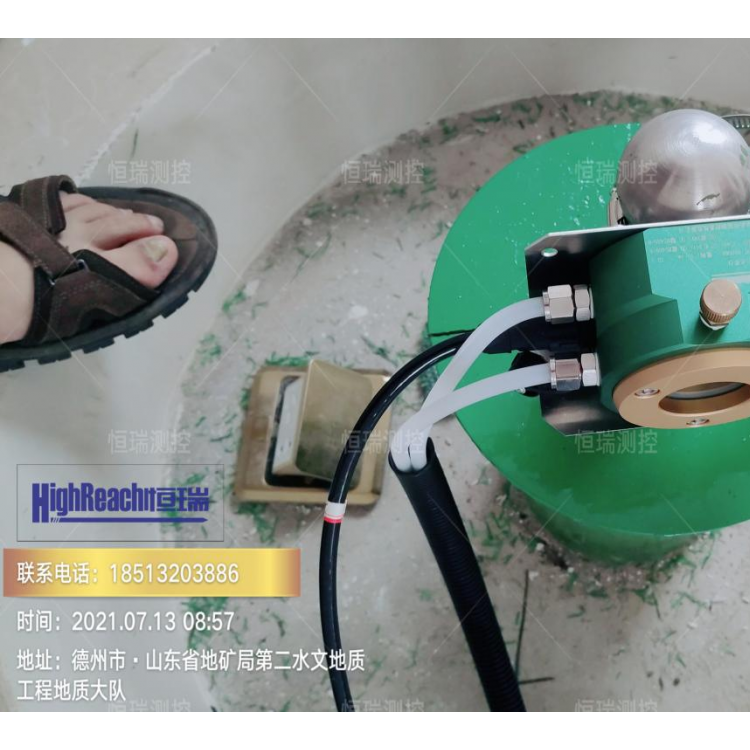 Ground settlement monitoring network construction standard group automated monitoring transmission equipment, this company ships a lot.
¥199.00
Ground settlement monitoring network construction standard group automated monitoring transmission equipment, this company ships a lot.
¥199.00
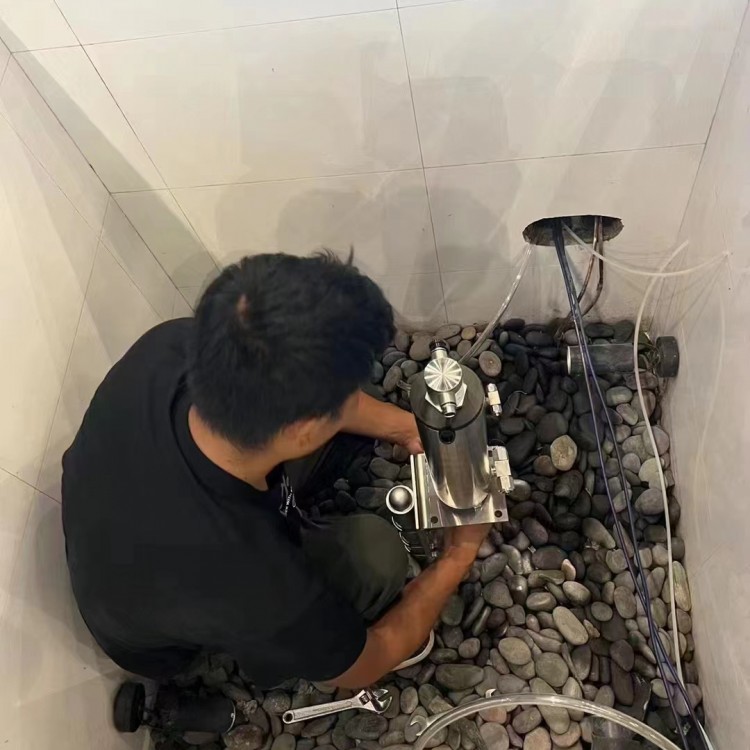 Static Well Level Monitoring Network Construction for Ground Subsidence Surveillance - Large Quantity Available
¥199.00
Static Well Level Monitoring Network Construction for Ground Subsidence Surveillance - Large Quantity Available
¥199.00
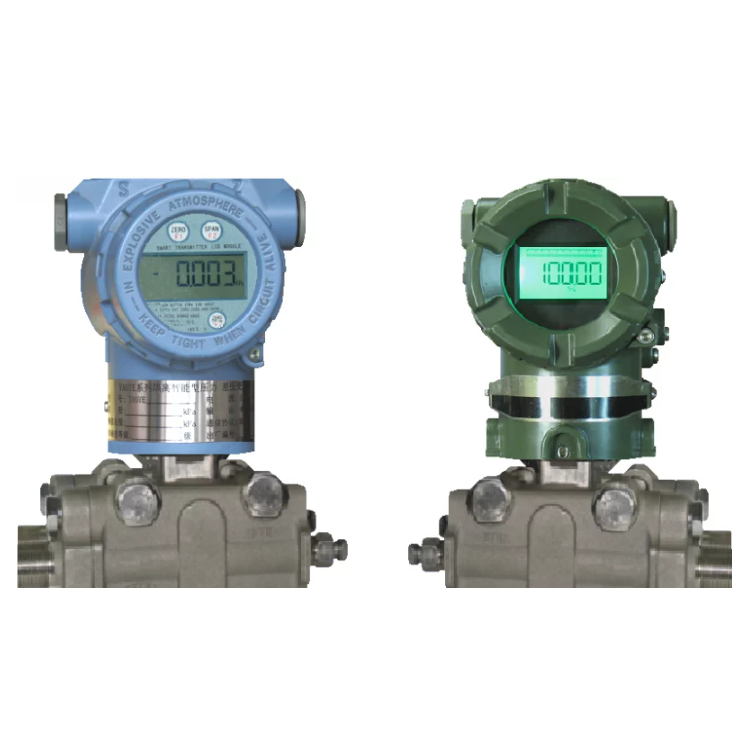
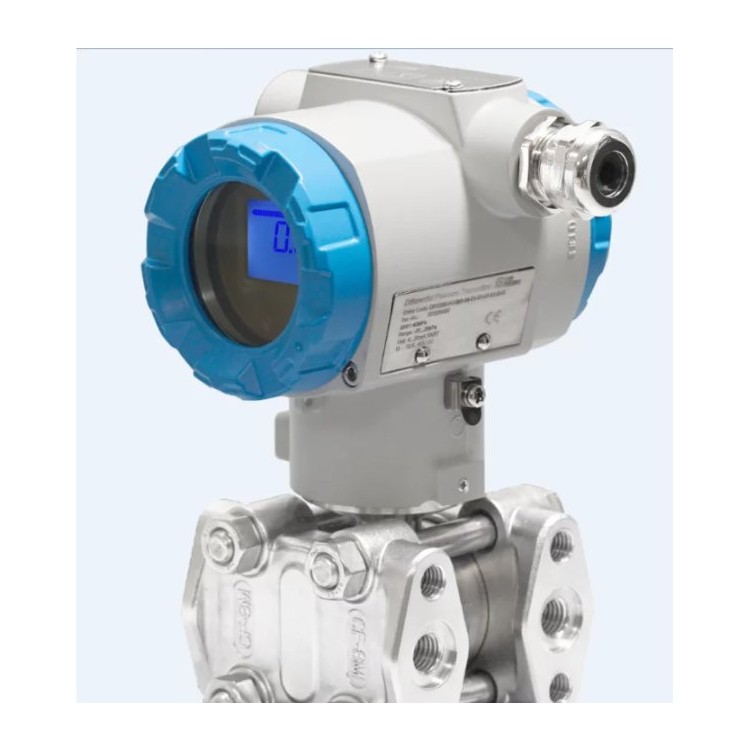
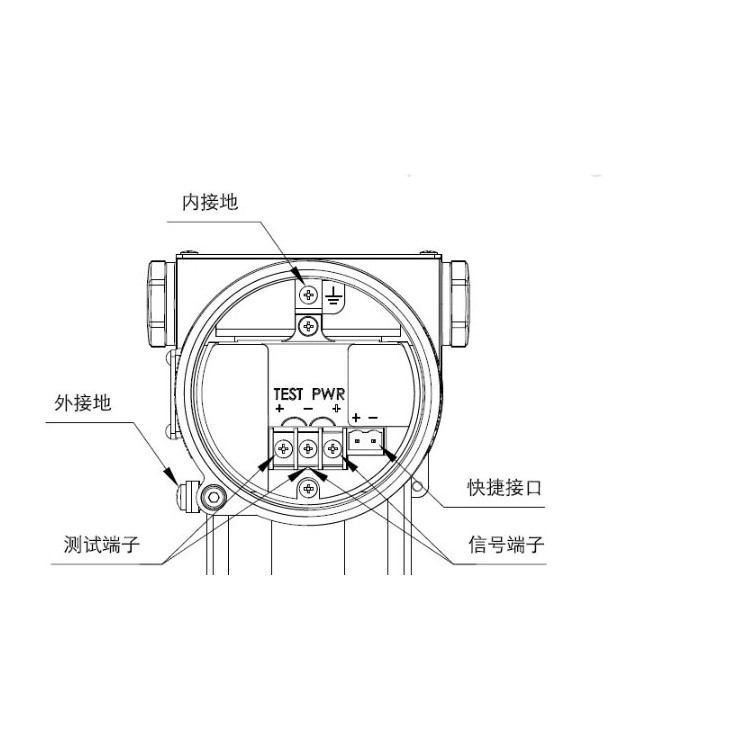
Pressure gauge features: 1. Good stability, with long-term stability of span and zero point up to 0.1%FS/year. Within the compensation temperature range of 0 to 70°C, temperature drift is less than 0.1%FS, and throughout the entire allowable working temperature range, it is less than 0.3%FS. 2. Features reverse protection and current limiting circuitry, ensuring that the transmitter will not be damaged during installation if the poles are reversed, and it will automatically limit current to 35MA during abnormal conditions. 3. Solid-state structure with no moving parts, offering high reliability and long service life. 4. Easy installation, simple structure, and cost-effective durability. The working principle of a pressure level gauge is to measure water pressure and calculate the water level. Its features include the elimination of the need for a static water well, allowing the sensor to be fixed at the riverbed, and the use of a pressure conduit to eliminate atmospheric pressure, thereby directly measuring the water level. A pressure level gauge is a pressure sensor for measuring liquid levels, which includes static pressure level gauges, level transmitters, level sensors, water level sensors, and pressure transmitters, etc. It operates based on the principle that the static pressure of the measured liquid is proportional to its height. It employs advanced isolated diffusion silicon sensitive elements or ceramic capacitor pressure sensitive sensors from abroad to convert static pressure into an electrical signal, which is then temperature-compensated and linearly corrected to become a standard electrical signal (usually 4-20mA/1-5VDC).