
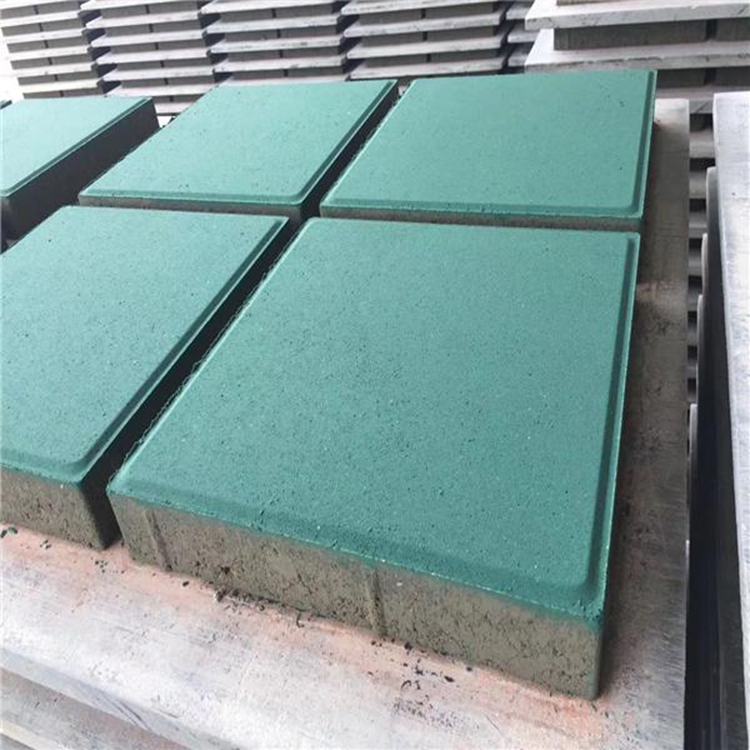
 Direct-to-Consumer Color Brick Manufacturer
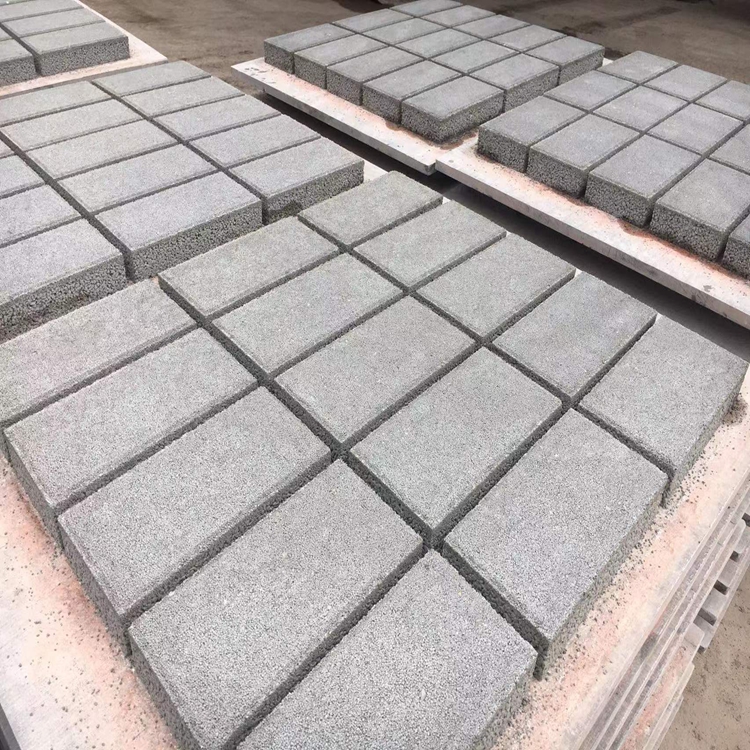 Permeable brick manufacturer
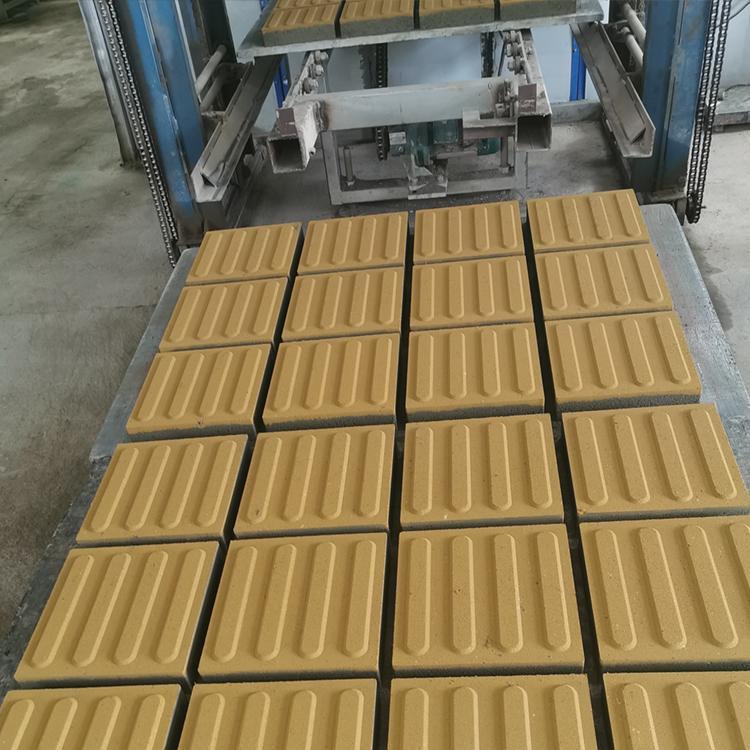 Tactile paving bricks
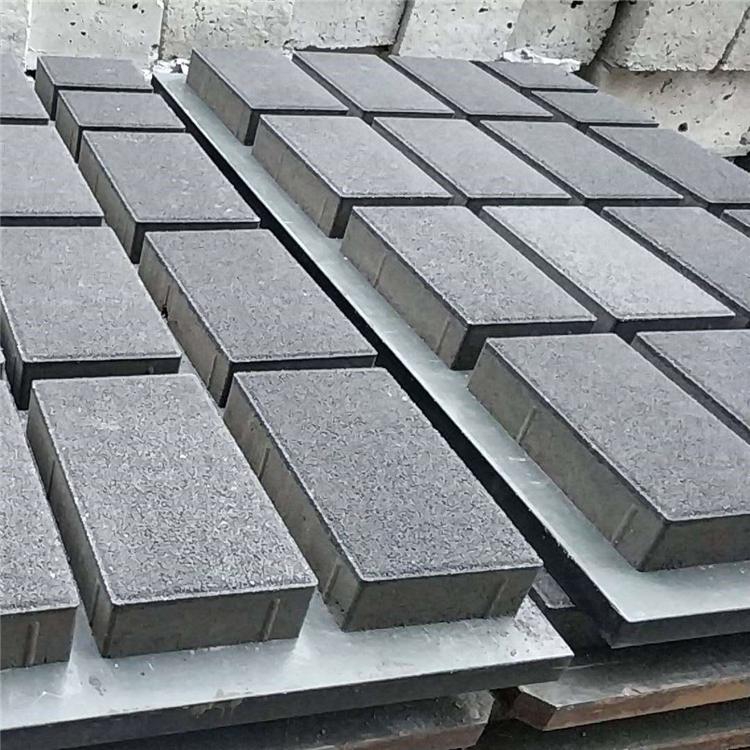 Jianling Brick Manufacturer
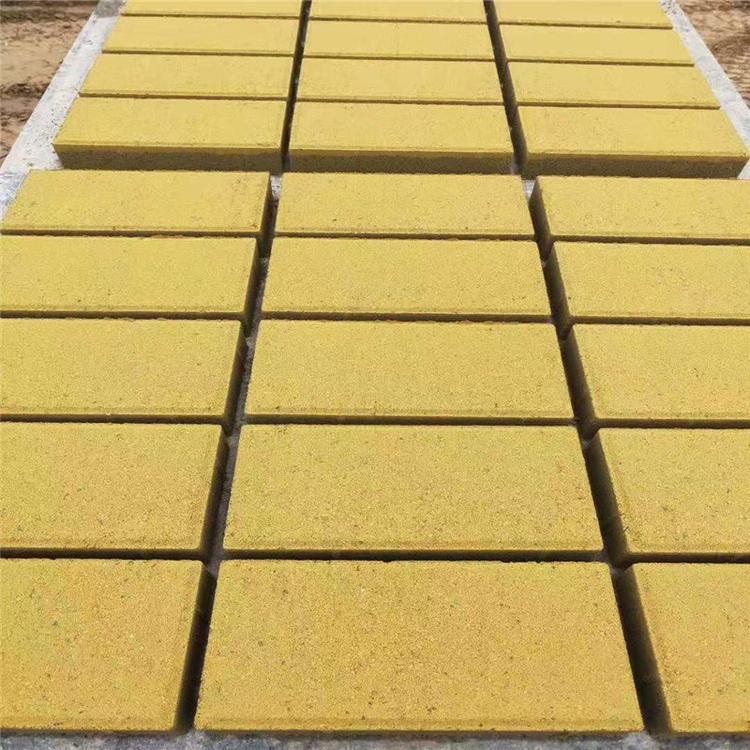 Porous brick prices
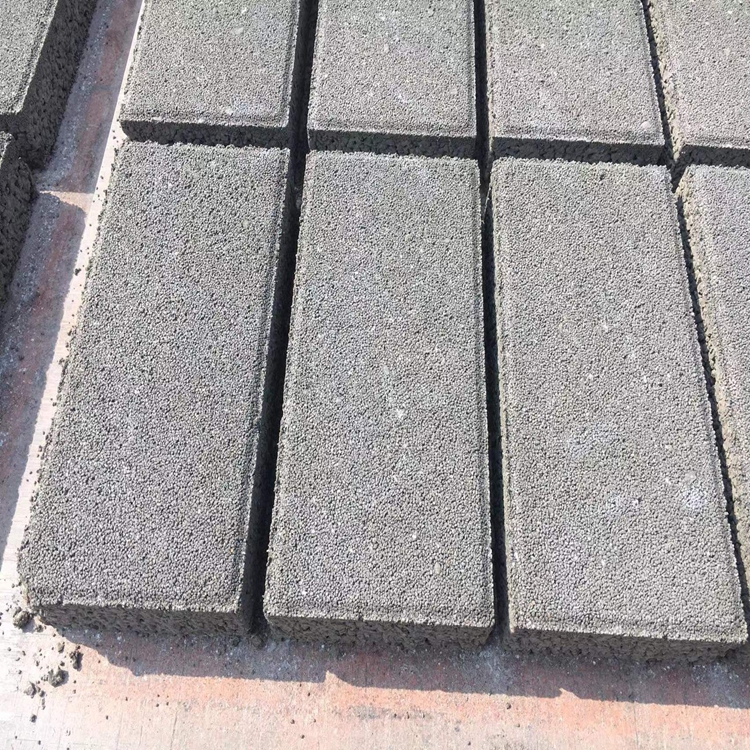 Gritstone permeable bricks
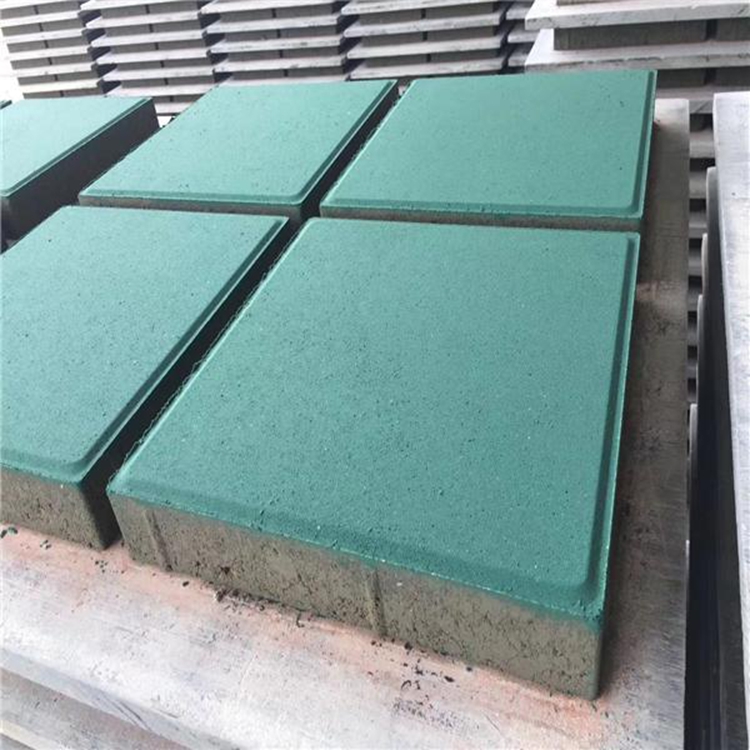 Direct-to-Consumer Colored Brick Manufacturer
Product Details

Porous bricks, Retaining wall bricks, Grass paver bricks, Jianming bricks, Cu...
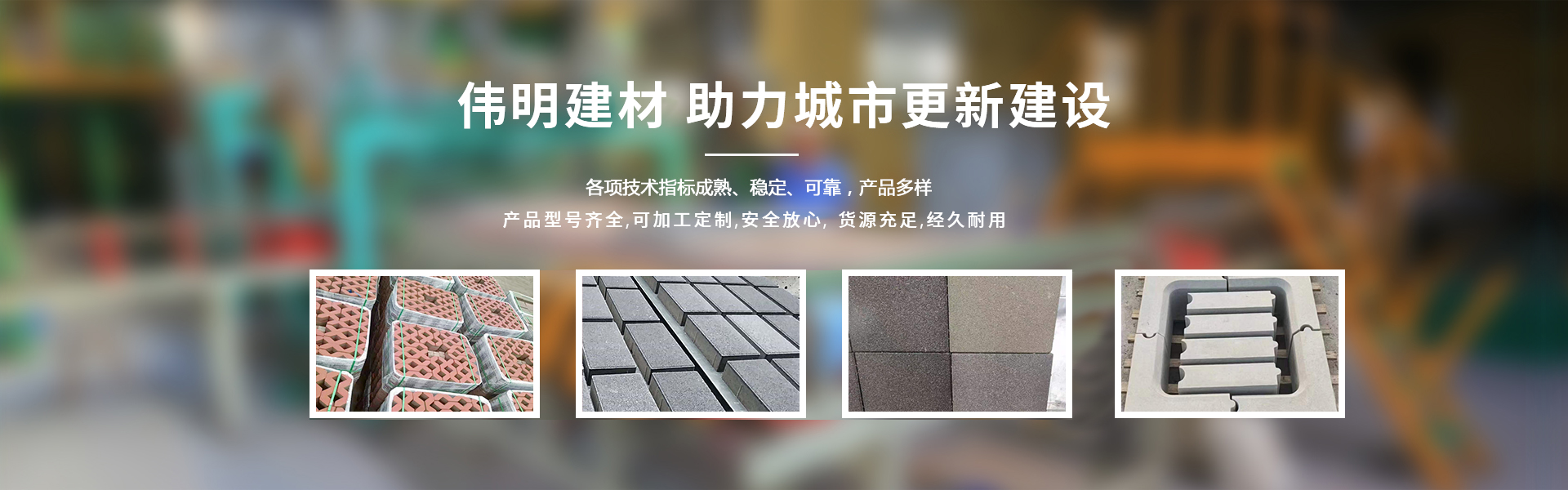
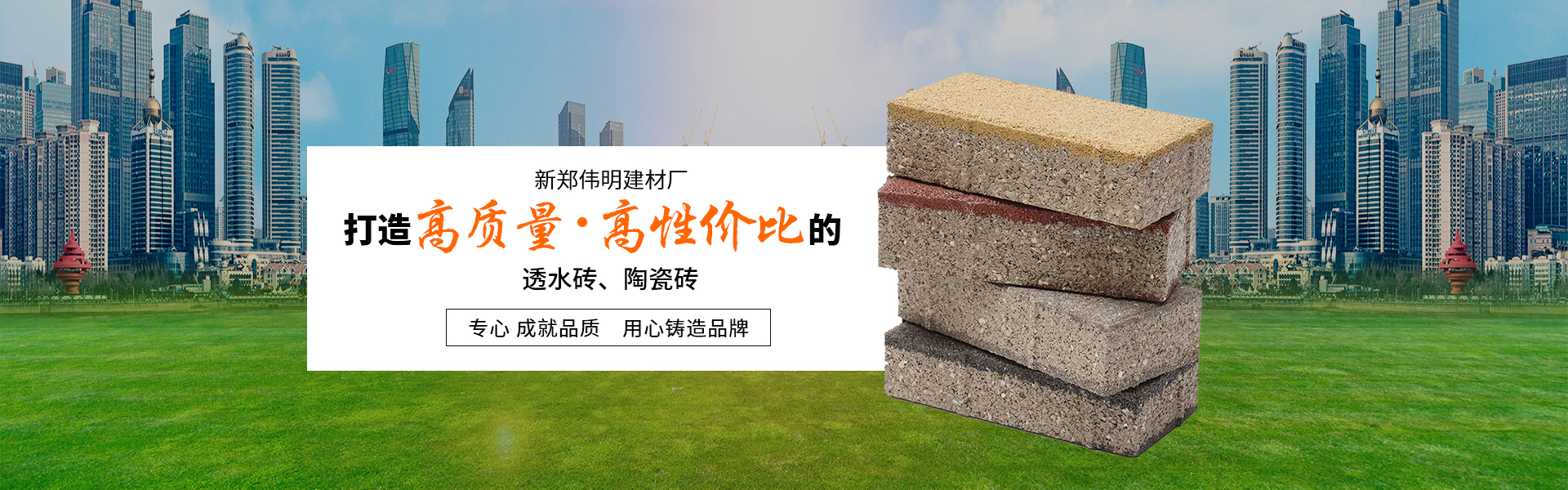
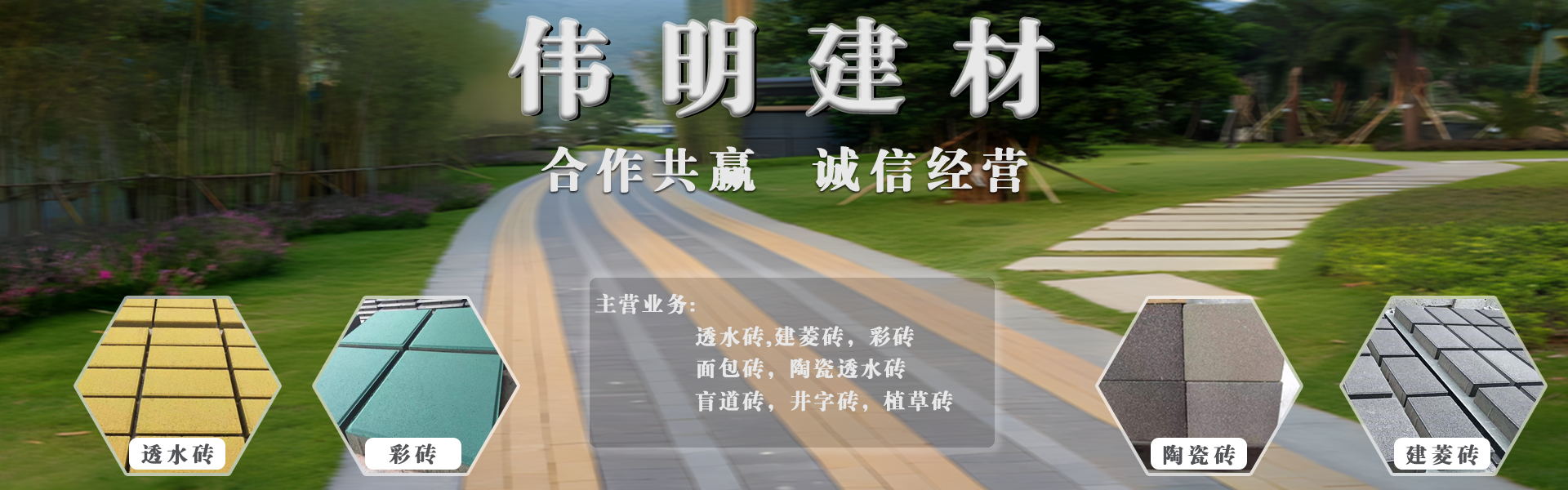
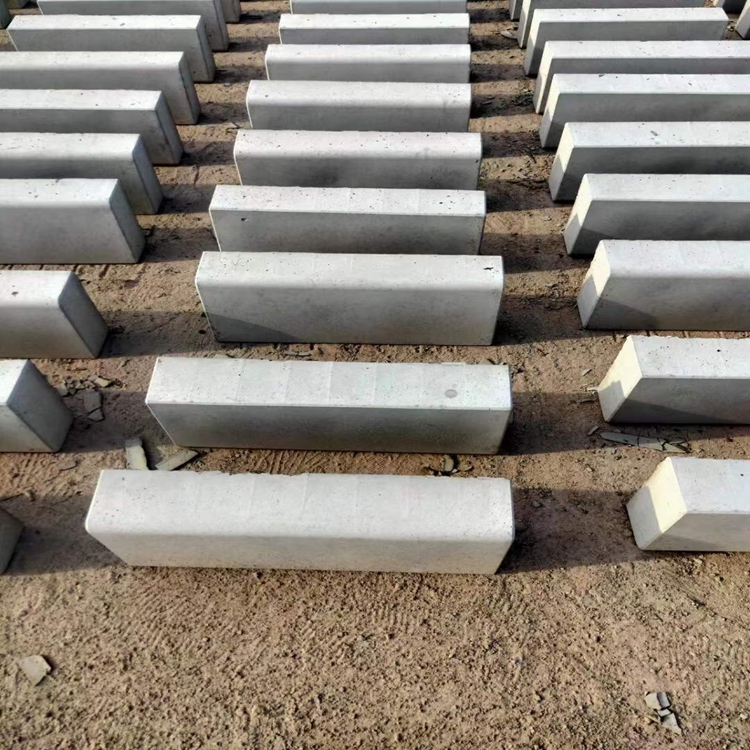
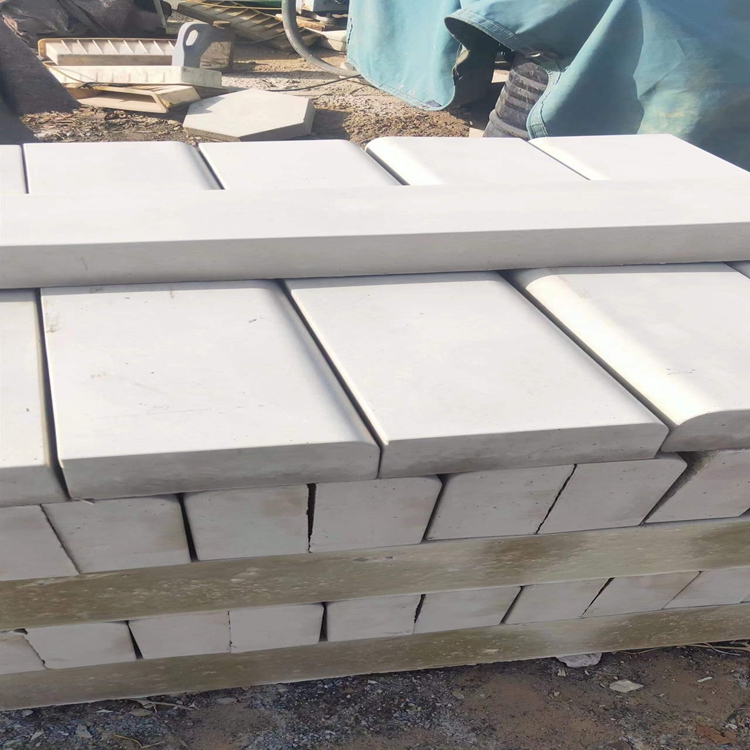
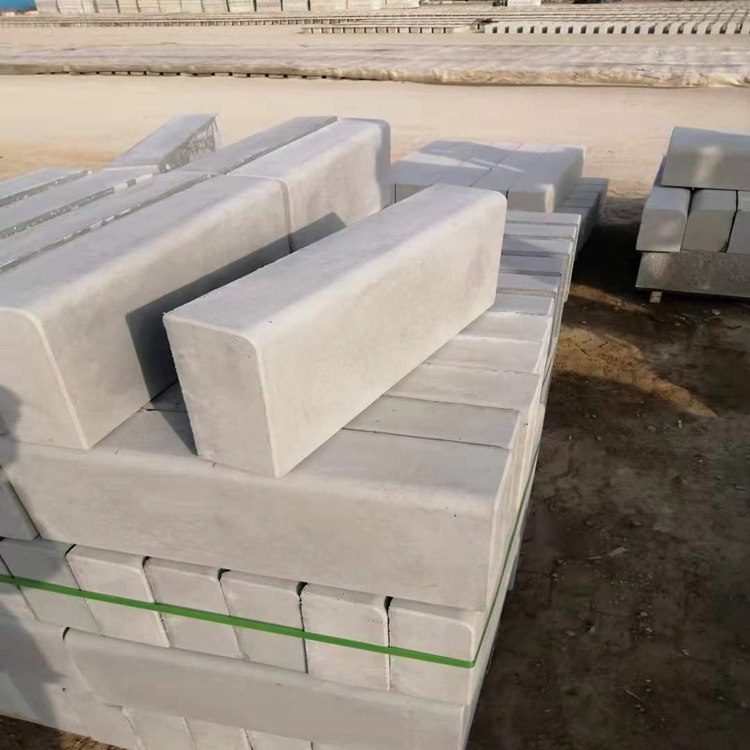
产品Price 1.00/Piece
最小起订Quantity:1 Piece 供货总Quantity: 100000 Piece


Roadside Stone Manufacturer Explains How to Identify Stone Quality and Distinguish Stone Types 1. Inspect the surface structure Veneer stone varieties are numerous, with considerable differences in quality. A close visual inspection can discern their quality. Generally, stones with a uniform fine grain structure have a smooth texture and are considered high-quality; those with rough and uneven grain structures have a poor appearance and inconsistent mechanical properties, indicating lower quality. Additionally, due to geological influences, natural stones often have fine veins and fissures, which can lead to cracking along these areas. These should be removed. Stones with missing edges and corners also affect aesthetics, so special attention should be paid when selecting such stones. 2. Dimensional specifications When purchasing stone, pay particular attention to its size specifications. Carefully calculate based on the dimensions of each room you plan to decorate to select the appropriate size. The roadside stone manufacturer recommends checking the size specifications of the stone to avoid affecting the joints, or causing deformation of the patterns, designs, or lines on the joints, which may impact the decorative effect. 3. Listen to the knocking sound Knocking on the stone can also discern its quality based on the sound it emits. Generally, stones with a dense, even internal structure and no fissures tend to be of higher quality, producing a clear, pleasant sound when struck. Conversely, if the stone has micro-fissures, fine veins, or if the grains have become loose due to weathering, the sound it makes when struck will sound coarse and dull. 4. Test Quality Good/Bad This is also an effective method to distinguish between stones. The method involves a simple test to determine the quality of the stone. Usually, a small drop of ink is placed on the back of the stone. If the ink quickly spreads out, it indicates that the stone's particles are loose or there are microscopic cracks, suggesting poor quality. Conversely, if the ink drop remains in place without moving, it signifies that the stone has a dense structure and good quality. How to differentiate between imported and domestic stone products? Currently, imported stone in our country is generally of varieties not yet available domestically, featuring unique patterns and colors; the imported stone is processed on an assembly line, is flat, and has a relatively accurate thickness, usually 20mm thick, with large specifications; the imported stone is typically coated on the front, and some have a plastic mesh on the back. How to differentiate between artificial stone, dyed (added) natural stone, and natural stone 1. The natural patterns of natural stone drive people to imitate them, especially in areas lacking mine resources. Man-made stone products can appear very realistic, but upon closer inspection, they are more easily distinguished. 2. Man-made stone patterns lack a sense of stratification, as this is something that cannot be replicated through imitation. 2.1 The artificial stone floral patterns and colors are the same, with no changes. 2.2 The back of the artificial stone board has molding marks. 3. How to Identify Stained Natural Stone (Additives) 3.1 The dyed stone has vibrant colors but appears unnatural. 3.2 The cross-section of the board shows the dye penetration layers. 3.3 Dyed stone typically uses poor-quality stone with high porosity and water absorption, which can be distinguished by the knock test. 3.4 Dyed stone has a lower luster than natural stone of the same type. 3.5 The stone coated with oil for increased luster has an oily feel on the back. 3.6 Stone film coating, although with high luster, the film's strength is insufficient, prone to wear and has visible scratches when viewed under light. 3.7 Stone coated with wax for enhanced luster, when roasted with a match or lighter, the wax surface will be lost, revealing its true appearance. 4. Differentiating Dyed Stone Materials In decorative stone materials, the pattern of the stone is a crucial aspect in determining quality. To seek better prices, some research institutions and stone processors began researching stone dyeing technology a few years ago. Currently, it's common to see dyed stone slabs on the market, with some technologies almost able to deceive as genuine, especially in the variety of Huafengshi stone types. However, most of these dyed decorative stones haven't undergone durability tests. After prolonged exposure to wind and rain, and constant wear and tear, they will fade to some extent, losing their original decorative effect. Therefore, dyed stones still face difficulty in gaining public acceptance. The primary method to identify dyed stones is through careful observation. Since granite stones are often composed of several minerals, there are often distinct gaps between them, where pigments can accumulate easily. If such accumulated pigments are found between the minerals, it's a sign of dyed stone. Examining the side of the stone slab, regardless of the granite's pattern, the side of naturally uncolored granite is typically white, while the side of dyed granite often shows the color of the used pigment. Additionally, the colors of dyed stones always seem unnatural, giving an artificial impression.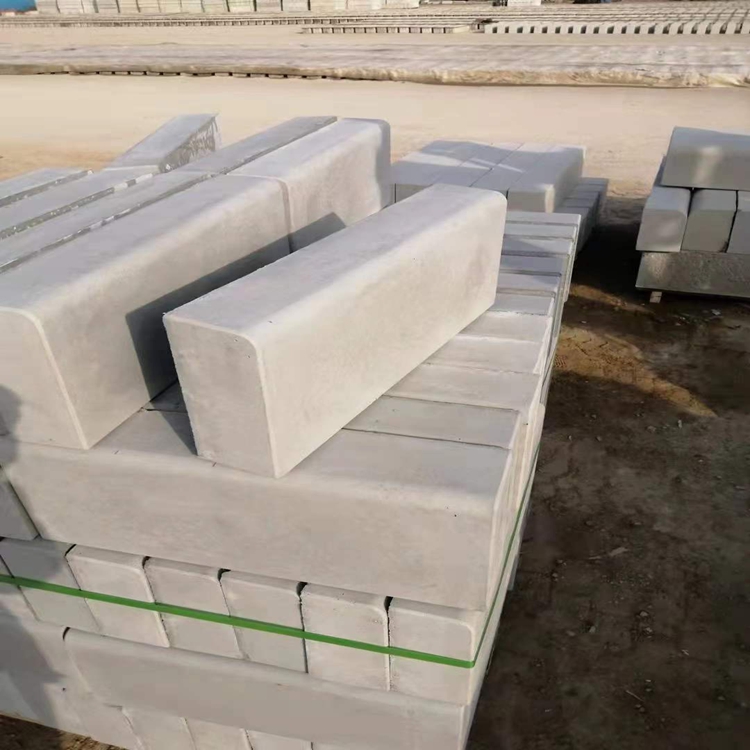

Phone Consultation