







In modern agriculture, irrigation methods have shifted from traditional flood irrigation to more efficient and water-saving technologies. Here are some of the main modern agricultural irrigation methods:
Irrigation. Utilizing pumps and pipeline systems, water is sprayed into the air, falling onto fields as raindrops, suitable for all field crops and cash crops.
Drip Irrigation. This method delivers water drop by drop to the roots of plants through low-pressure piping systems and drippers, ideal for fruit trees, vegetables, and greenhouses. Particularly suitable for arid and water-scarce regions. 23
Subsurface Irrigation (Drip Irrigation). Water infiltrates the soil from below, nourishing the root zone without disturbing soil structure and reducing surface soil evaporation. 14
Micro-irrigation. Deliver water and nutrients evenly and accurately to the roots of crops, based on their needs, through a pipeline system and emitters on the end pipes.
High-Angle Irrigation. Similar to sprinkler irrigation, but installed at the top of aluminum pipe racks or wooden posts, enabling large-area mechanical irrigation. 4
Additionally, there are modern irrigation systems, such as the central irrigation system, which consists of movable gantry frames equipped with wheels and sensors, allowing for precise irrigation of entire fields. These systems not only enhance irrigation efficiency but also achieve water conservation. 5
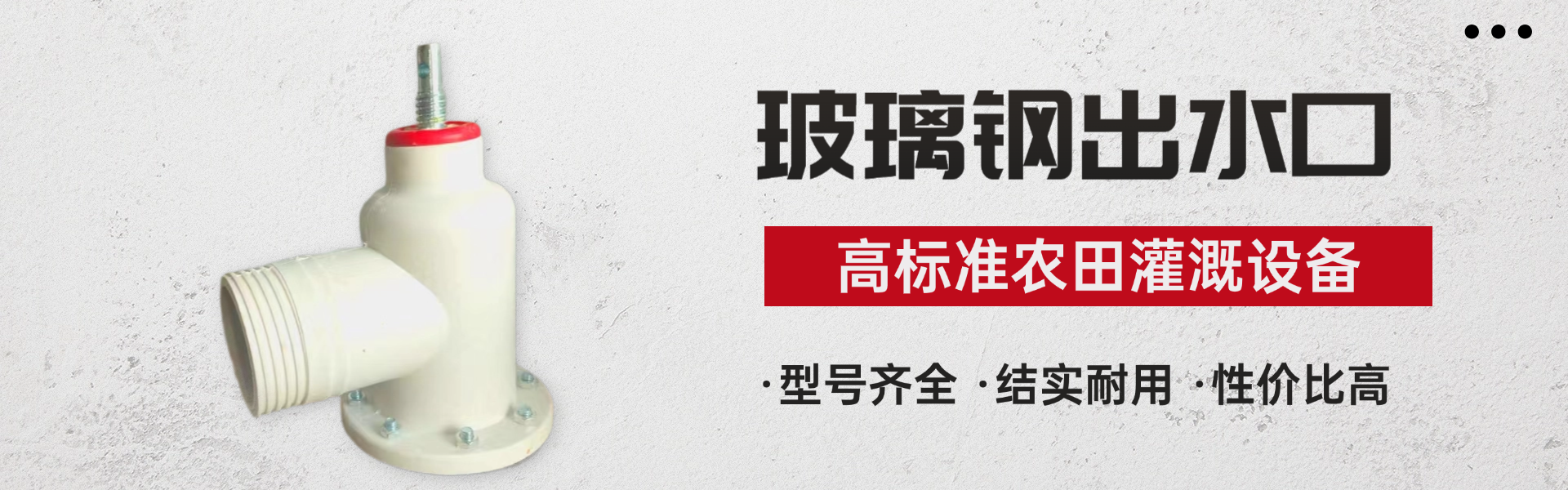
The content above outlines common irrigation methods in modern agriculture and their characteristics. Choosing the right irrigation method is crucial for enhancing crop yields, conserving water resources, and protecting the environment. Regardless of the method, glass fiber spouts are an indispensable component of modern irrigation equipment. High-quality spouts are reliable, water-saving, and durable.
