
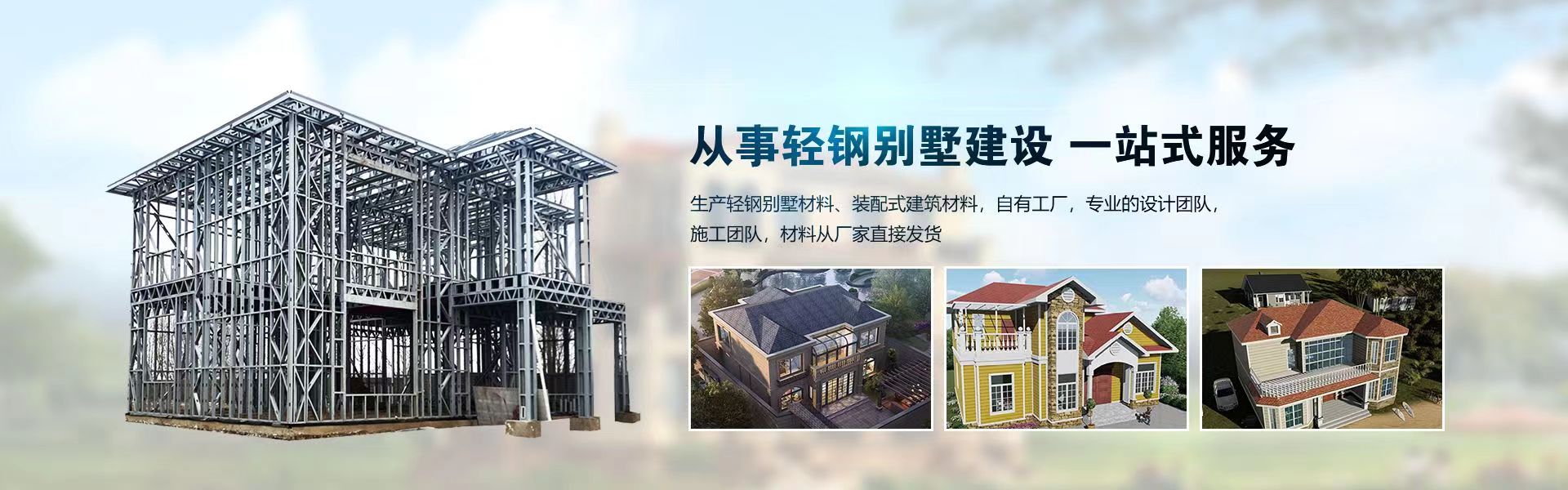
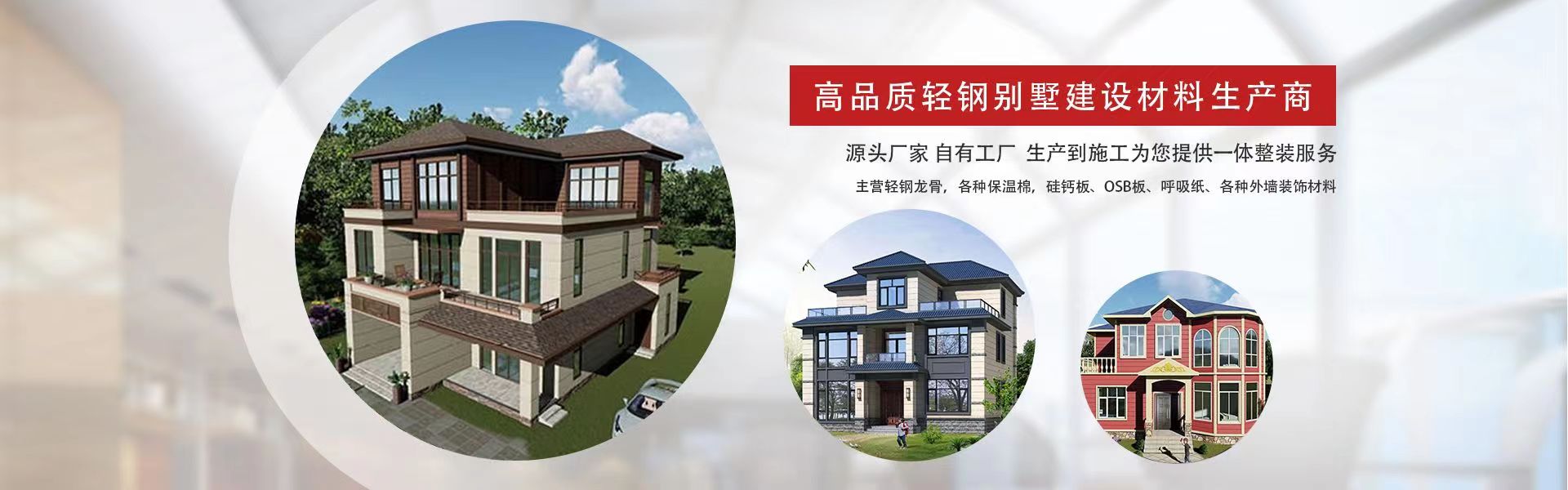

What is a Light-Gauge Steel Villa?
Low-rise light steel houses utilize cold-formed thin-walled steel structures for their roofs. All components are designed within定向 frameworks, forming a highly robust "sheet-rib structural system." Moreover, the cold-formed thin-walled light steel has certain extensibility, making this structural system more resistant to seismic activity compared to traditional brick-and-concrete structures. It is suitable for seismic intensity of 9 degrees.
During intense earthquakes, lightweight steel villa houses will only deform and not collapse or crack. This significantly reduces the harm to people, facilitates evacuation, and increases the chance of survival. Such a villa ensures your life safety is not threatened even while you're comfortably dreaming inside.

Compared to traditional housing, steel may last about thirty years, while concrete could endure for roughly fifty years. Traditional brick-and-mortar structures typically have a lifespan of about fifty years as well, though this isn't absolute. Factors such as design, construction, insulation, drainage, waterproofing, and the quality of building materials, along with the comparative functionality and comfort of the completed structure, all play a significant role in determining the building's longevity.
Certainly, environmental factors must be considered as well. Different locations will encounter various climatic conditions; some may face natural disasters such as hurricanes, earthquakes, and more. These all impact the lifespan of buildings and are crucial for human life safety.

Now, the new generation of light steel villa houses boasts a lifespan of up to ninety years, with even greater appreciation over time. These light steel villas utilize low-level cold-formed thin-walled building materials, encapsulating the entire structure within the walls. The main structure can last over 100 years, withstand a 9.0 earthquake and a 13-level typhoon, ensuring durability and longevity!
