
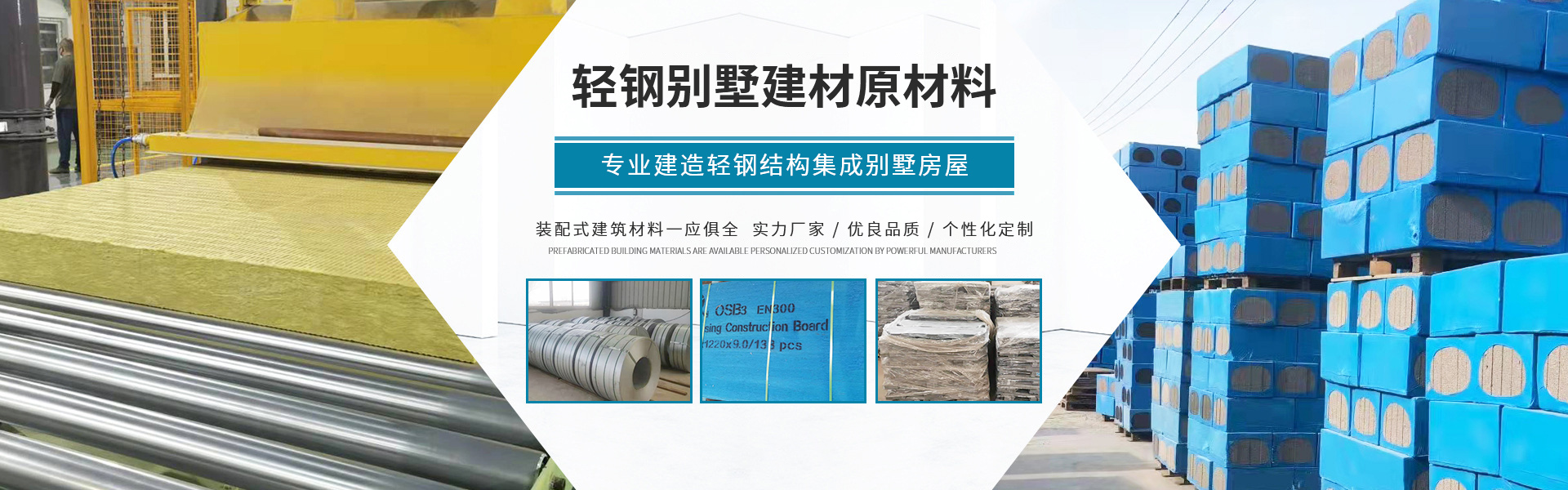

OSB's raw materials primarily include softwood needle, small-diameter hardwood timber, and fast-growing thinning materials, such as eucalyptus, cedar, and poplar thinning materials. The sources are diverse and can be processed into large panels (such as 8x32 feet or 12x24 feet). The manufacturing process mainly involves drying, glue application, directional laying, and hot-press molding of chips with certain geometric shapes (usually 50-80mm in length, 5-20mm in width, and 0.45-0.6mm in thickness).
OSB boards are made with high-grade environmentally friendly adhesives, meeting the European high environmental standard EN300. The finished products fully comply with the European E1 standard, with almost zero formaldehyde emissions, making them comparable to natural wood and significantly lower than other panels. They are considered high-grade decorative panels in the market, genuinely green and environmentally friendly, and fully meet the requirements for environmental protection and a healthy lifestyle. The market price of OSB boards is also comparable to high-end particleboards, and in terms of environmental performance and physical properties, OSB offers excellent comparability. They are closer to plywood than Australian OSB.
