
Product Details

Spectrometers, Phased Array, Ultrasonic Flaw Detectors, Endoscopes

产品Price 4000.00/Set
最小起订Quantity:1 Set 供货总Quantity: 10000 Set


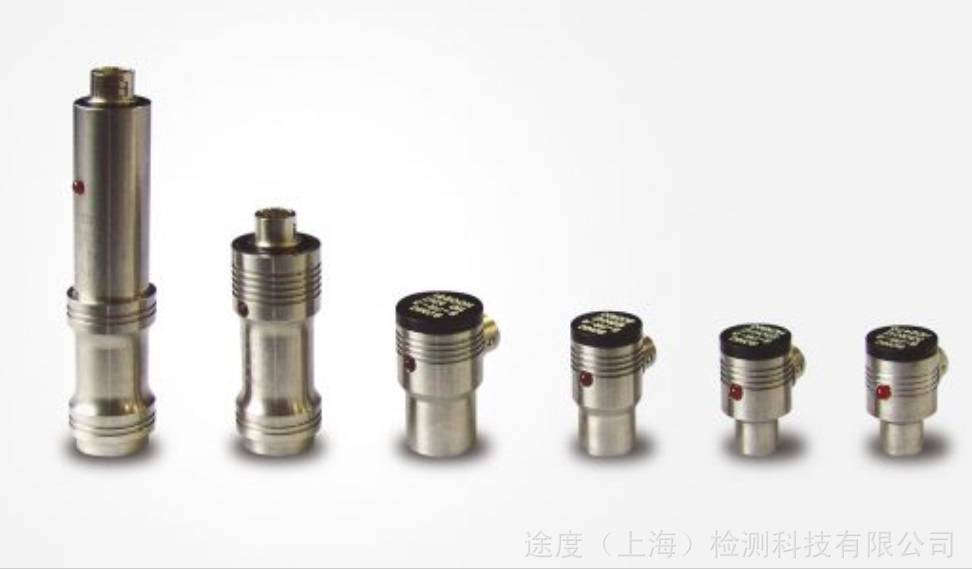
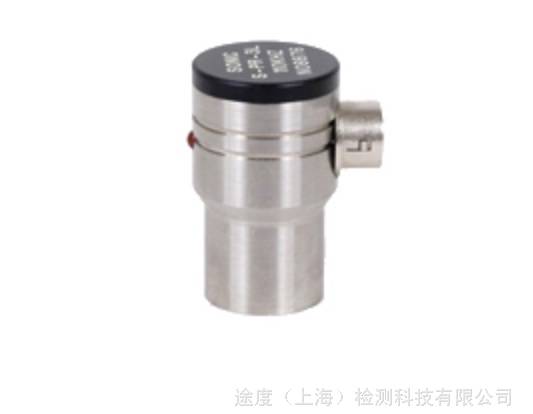
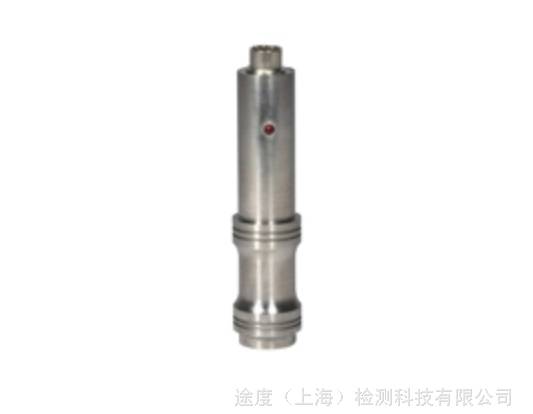
Probe for bonding and detecting resonance modes BondMaster 600 Portable Adhesive Detection Instrument is equipped with a 5.7-inch VGA display, which becomes brighter and clearer when switching to full-screen mode. Regardless of the display mode or detection method being used, simply click the full-screen mode switch button to activate full-screen mode.The ndMaster 600 bonding tester is equipped with various standard testing methods, including one-transmit-one-receive RF, one-transmit-one-receive pulse, one-transmit-one-receive sweep, resonance, as well as the significantly improved mechanical impedance analysis (MIA) method. Easily perform testing on metal lamination bonding and composite lamination materials Resonance mode measurement probe for detecting changes in the phase and amplitude of internally propagated waves/standing waves. The resonance probe is a narrowband, contact-type probe, with the probe's crystal impedance changes displayed in the Bo.In the X-Y view of the ndMaster 600 instrument. What are the characteristics of probes applied for adhesive detection resonance modes? Perfect for detecting adhesive defects between leather and leather (metal to metal) Perfect for detecting delamination defects in composite materials. Phase analysis can evaluate defect location or workpiece thickness. Corrosion between layers detection Easy-to-use "Pass/Fail" method Offer a range of probe frequencies to accommodate various thickness measurement requirements. Low viscosity coupling agent required. Primary Transducer Technical Specifications: S-PR-5 Technical Specifications Operation Mode: Resonant Frequency Range: 250 kHz (+/- 10 kHz) End: 9.5mm diameter housing Detection Ability: Determines the layer in which a defect appears when inspecting multi-layer metals or composite materials. Detectable defects in metal-to-metal bonded materials are up to 12.7 mm or larger. Defects in adhesive layers ranging from 2 mm to 25.4 mm thick are detectable. S-PR-1 Technical Specifications Operation Mode: Resonance Frequency Range: 35 kHz (+/- 5 kHz) End: 15.9mm diameter housing Detection Capability: Determines which layer a defect appears in during the testing of multi-layer metals or composite materials. S-PR-2 Technical Specifications Operating Mode: Resonance Frequency Range: 65 kHz (+/- 10 kHz) End: 15.9mm diameter housing Detection Capability: Determines at which layer a defect appears in the testing of multi-layer metals or composite materials. Operation Mode: Resonance Frequency Range: 110 kHz (+/- 10 kHz) End piece: 15.9mm diameter shell Detection Capability: Determines the layer in which defects appear during the inspection of multi-layer metals or composite materials. Detects defects of 12.7 mm or larger in glass fiber bonded to foam cores. The thickness of the skin is 6.35 mm. S-PR-4 Technical Specifications Operation Mode: Resonance Frequency Range: 165 kHz (+/- 10 kHz) End: 12.7mm diameter housing Detection Capability: Determines the layer in which a defect appears during the inspection of multi-layer metals or composite materials. Detects defects of 12.7 mm or larger in glass fiber bonded to foam cores. The thickness of the skin is 6.35 mm. Operation Mode: Resonant Frequency Range: 350 kHz (+/- 10 kHz) End: 9.5mm diameter housing Detection Capability: Determines the layer in which a defect appears in applications detecting multi-layer materials. Detects defects in graphite composite materials of 12.7mm or larger, with a skin thickness ranging from 2 to 18 layers. Resonant Cable 11-to-6 pin cable, for resonance probe.

Resonant modes are a very simple and reliable method for detecting layered defects. Typically, the depth of layered defects can be estimated by observing the rotation of the signal phase.The ndMaster 600 instrument operates in resonance mode with great simplicity, largely due to the manufacturer's pre-set configurations designed for debonding applications of laminated composite materials and metal laminates.

S-PR-3 Technical Specifications S-PR-6 Technical Specifications

Phone Consultation