

Abstract:The importance and current status of smart campus construction were analyzed, with a focus on exploring the approaches to smart campus development, which has promoted the advancement of smart campus construction.
0 Introduction
As the intensity of 5G infrastructure construction continues to increase, the coverage of 5G is expanding widely. The advent of the 5G era has greatly impacted various industries. In the field of education and teaching, the application of numerous emerging information technologies is becoming increasingly prevalent, with smart education becoming the trend. Against the backdrop of 5G, universities should adhere to the scientific principles and key points of smart campus construction, fully leveraging the role and value of 5G technology to provide technical support for smart campus development.
Analysis of the Concept of a Smart Campus for Higher Education
Smart Campus for Higher Education refers to the construction of an intelligent campus environment based on advanced Internet of Things technology during the development of universities. This allows students to study in a favorable environment. Simultaneously, the integration of various information resources and data within the university is effectively streamlined during the construction of the smart campus. This ensures a secure and smart living environment for both faculty and students, promoting the continuous and stable development of higher education. In summary, the smart campus for higher education is an upgrade based on the digital campus construction, transforming the university campus into an automated, intelligent, and integrated hub for teaching and research.
The Importance of Smart Campus Construction in Two Universities
Currently, universities across our country are highly concerned about constructing smart campuses, integrating them with their own specific circumstances, and actively undertaking such projects. Based on 5G technology, smart campuses can achieve seamless, high-speed network and physical network applications, ensuring network security while enabling faster and more efficient information transmission. Smart campuses encompass a wide range of content, including infrastructure and information security. Compared to past digital campuses, smart campuses place a greater emphasis on the process of intelligent services and personalized services for faculty and students, and are more focused on effectively integrating specific campus operations and resources. Additionally, smart campuses also exhibit characteristics of big data, utilizing big data technology appropriately, combining it with the school's characteristics, and actively working on improvement and optimization. Creatively implementing big data is a key focus in the construction of smart campuses. Moreover, the holistic nature of smart campuses allows for information sharing and the aggregation of all data on a big data platform. The practicality of smart campuses not only highlights the informatization level of universities but also ensures the efficiency of their operations, effectively improving teaching quality and management levels, creating a favorable learning environment for students, and providing a guarantee for their personal development.
Current Status of the Smart Campus Construction
The concept of "Smart Earth" was initially proposed by IBM. Once introduced, this idea extended into various fields, and the education sector began to actively explore the construction of smart campuses. Starting in 2010, China has also focused on traditional campus construction, exploring信息化 (information-based) teaching, and initiating the practice of building digital campuses, promoting the formation of unified resources and users, enhancing control over management permissions, and establishing digital platforms for the sharing and circulation of information resources. In 2016, the national informationization project included smart campuses as a key focus, and major universities have all launched the construction of smart campuses. For instance, Zhejiang University, based on the definition of smart campuses, summarizes it as: a smooth and fast campus network, a rich variety of application products, comprehensive business operations, resource sharing, and integration of external data. Nanjing University of Posts and Telecommunications, based on the Internet of Things, integrated the school's internal information resources, analyzed campus construction, and built a new smart campus service platform by leveraging shared information resources, making campus management more convenient. Currently, the overall construction of universities is gradually transitioning from digital campus construction to smart campus construction, actively developing network teaching, multimedia classrooms, digital libraries, and more.
4 Thoughts on Building Smart Campuses in Universities under the Background of 5G Technology
4.1 Clarify the construction思路 for a Smart Campus
In the context of 5G, the first step to build and develop a smart campus effectively is to fully understand the development goals of smart campuses, deepen the understanding of the needs of teachers and students, and leverage campus network platforms to provide high-quality, personalized services to the wider faculty and student body. Sharing data information is just the basic function; it requires the use of big data and intelligent analysis through the internet to analyze and determine the actual needs of teachers and students. Based on the needs of teachers and students, relevant learning resources are delivered to them, facilitating better work and study for both. Overcoming the limitations of digital management models, utilizing network management systems to enhance the management efficiency and capabilities of universities, effectively integrating various dispersed information, and efficiently utilizing campus network platforms, such as providing abundant learning resources to teachers to enhance their research capabilities; offering diverse services to students to enrich their extracurricular life.
4.2 Emphasize top-level design and strengthen overall planning
The construction of the Smart Campus Project requires a certain level of systematic planning and top-level design. Without proper system guidance, it's prone to numerous issues, such as undermining the practical application nature of the Smart Campus, misaligning the construction goals with the school's development objectives, or lacking order in the construction process. Therefore, the school should establish a special leading group to be responsible for the Smart Campus construction. Initially, by conducting comprehensive surveys and research on the school's basic situation, the project should develop forward-thinking and macro-level strategic planning. This includes determining appropriate goals for the Smart Campus construction, effectively predicting potential issues, and simultaneously formulating feasible solutions to ensure that the later implementation has a solid foundation.
4.3 Achieved full campus network coverage
Currently, there is a growing demand for cloud-based intelligent management and database construction services. In this context, smart campuses are increasingly requiring wider bandwidth and higher speeds. 5G technology, with its advantages of low latency and high speed, enhances network reliability and stability, improves the management of massive data, and provides crucial support for the construction of smart campuses. By integrating 5G technology with Wi-Fi 6, we can optimize campus network construction, build a ubiquitous campus network, and meet the needs of teaching, learning, and living for faculty and students.
4.4 Establish a one-stop platform based on the integration of information data
Currently, universities have established a variety of application systems, including service, resource, teaching, and management types. However, due to the lack of standardized norms in data and architecture, these systems cannot be effectively interconnected, resulting in overall inefficient operations. The construction of the smart campus effectively connects these systems, creating a unified and standardized information database, ensuring the consistency of data, authentication, and portals, and establishing a one-stop management system for the smart campus. From the perspective of university management, administrators can utilize search functions to understand the status of school affairs and enhance their grasp of the overall operation of the university. For management, department heads can effectively manage reminders at different process nodes, including document circulation, awards, and student financial aid. From an individual's perspective, both teachers and students can use the system to check their salaries, grades, schedules, and other information. Moreover, the system itself should fully cover one-stop services, such as comprehensive services for teachers that cover retirement, promotion, evaluations, training, employment, and recruitment, and one-stop services for students that meet the needs throughout their entire lifecycle from enrollment to graduation. Only in this way can the existing subsystems be effectively integrated and information sharing achieved.
4.5 Establishing a Mobile Hybrid Platform Through Flexible Integration
As we enter the 5G era, mobile internet has achieved efficient and stable transmission, and the demand for mobile internet among students and teachers is continuously increasing. Therefore, the construction of smart campuses should focus on the development of mobile platforms, enhancing the user experience of mobile devices for both teachers and students. Specifically, when building mobile platforms based on smart campuses, it is essential to add some frequently used, easy-to-operate features, such as simple information queries and announcements. At the same time, universities should consider their own实际情况 and develop corresponding apps or WeChat mini-programs to create a mobile hybrid platform, providing services to students and teachers anytime, anywhere.
4.6 Integrating Mobile Edge Computing to Enhance Smart Campus Service Levels
Mobile edge computing is one of the key technologies of 5G, primarily providing basic computing functions such as storage and computation near users and data sources. In the process of building smart campuses, the construction of perception systems plays a significant role. By configuring various devices like the Internet of Things and sensors, data is transmitted to the cloud in real-time. With the help of mobile edge computing devices, a service model of cloud data centers plus edge computing is established. This system records user behavior in real-time and conducts scientific analysis of user behavior patterns, offering personalized services including poverty identification, customized literature resources, and life services. At the same time, multiple warning boundaries can be set, such as those for malicious campus loans, mental health issues, and campus safety, to better guide students and conduct corresponding educational work. This optimizes and upgrades the environment that students frequently use, ensuring their needs for quality educational resources, campus environment, and learning environment are met.
4.7 Designing a Decision Support Platform with Big Data Technology
The construction of smart campuses has led to an increasing accumulation of information data across various business systems in universities. However, most institutions merely store these data without fully utilizing their potential. For both administrators and educators, effective use of these data can provide valuable decision-making support for management and teaching. The development of smart campuses necessitates cross-system and cross-departmental information mining and analysis, integrating diverse systems such as human resources, educational, financial, student, and library systems. By employing diverse data dimensions and thematic models, a deeper exploration of various information data is conducted, enabling a comprehensive understanding of the multifaceted information within universities. This helps in mining and summarizing management principles and teaching activities, offering effective data support for modern university management. Therefore, the construction of smart campuses requires actively introducing big data technology to mine vast information data, derive meaningful insights through modeling and analysis, and gain an overall grasp of the university's operation to support various decision-making processes.
5 Comprehensive Energy Efficiency Solutions
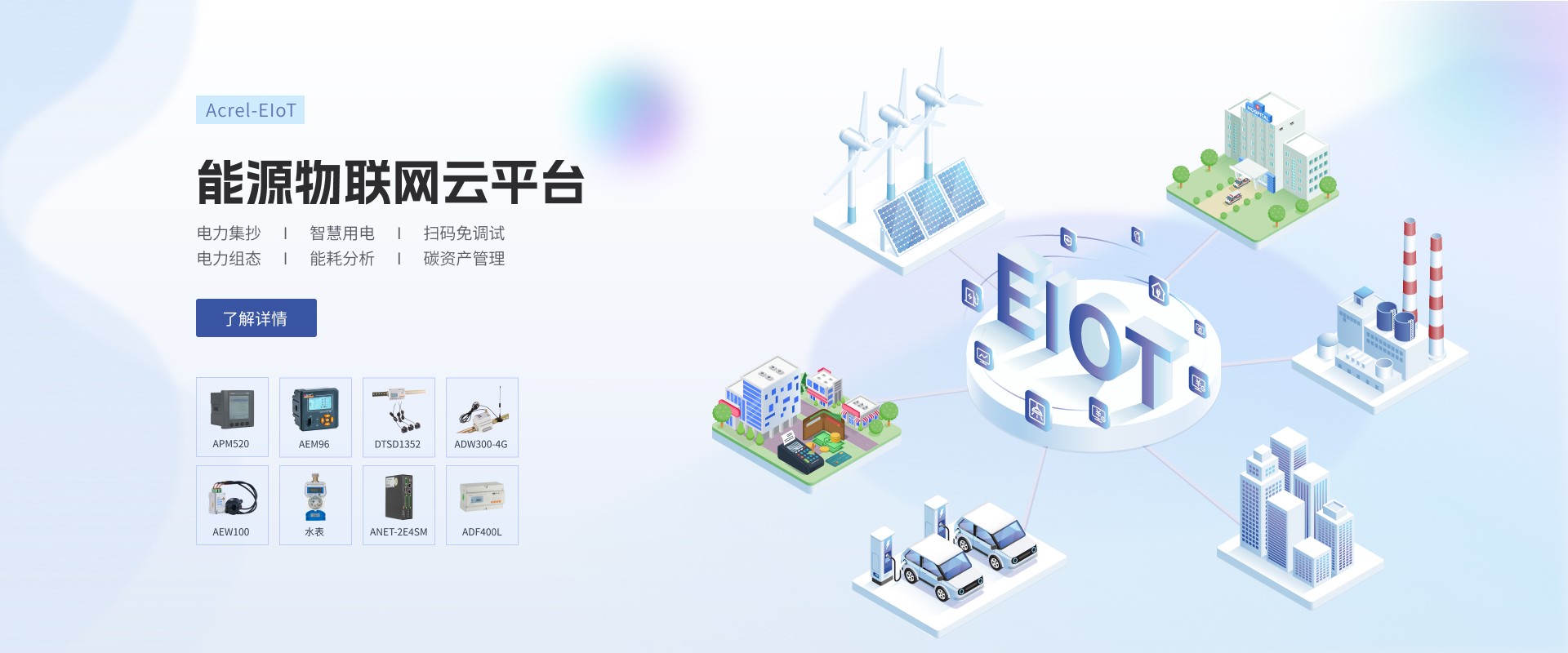
5.1 Campus Power Monitoring and Operation & Maintenance
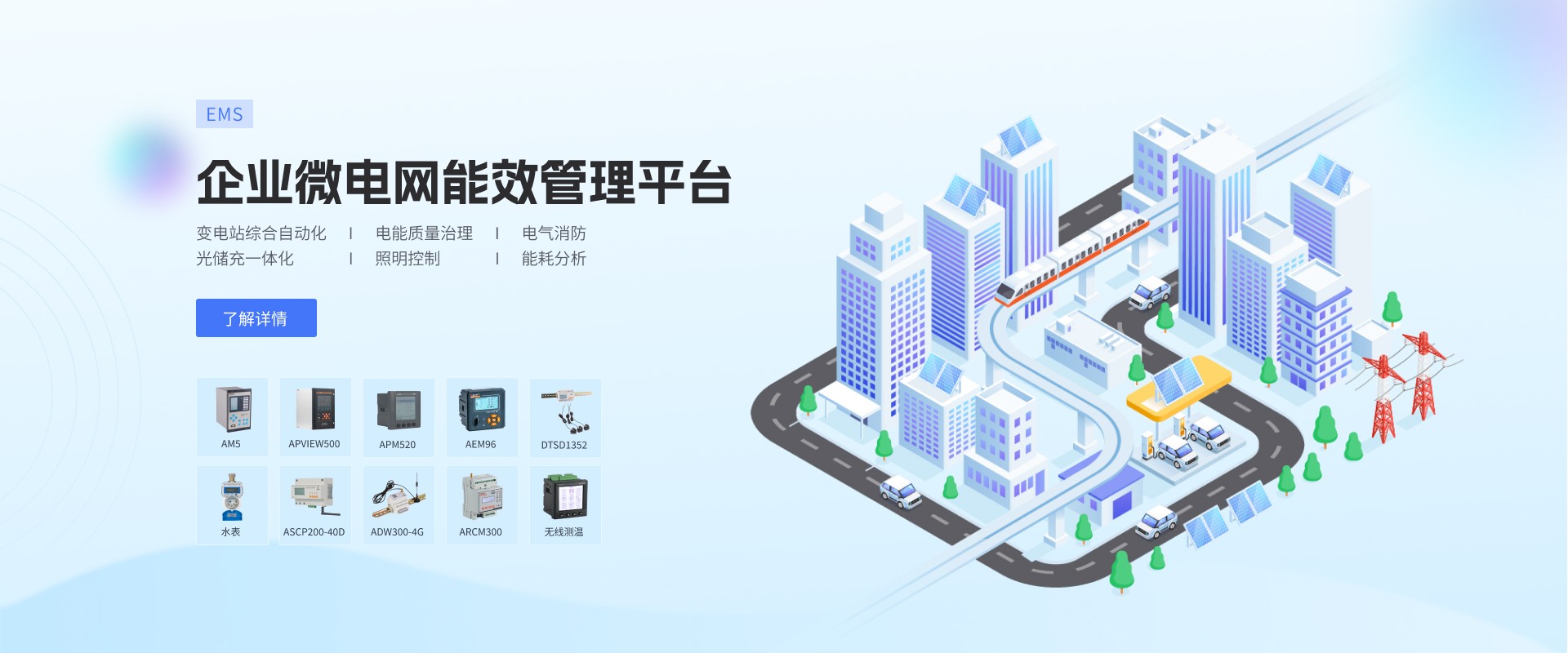
Integrating all equipment data, conducting comprehensive analysis, collaborative control, optimized operation, centralized regulation, centralized monitoring, digital patrol, mobile operation and maintenance, re-optimizing and integrating teams, and reducing human resource allocation.
5.2 Logistics Billing Management
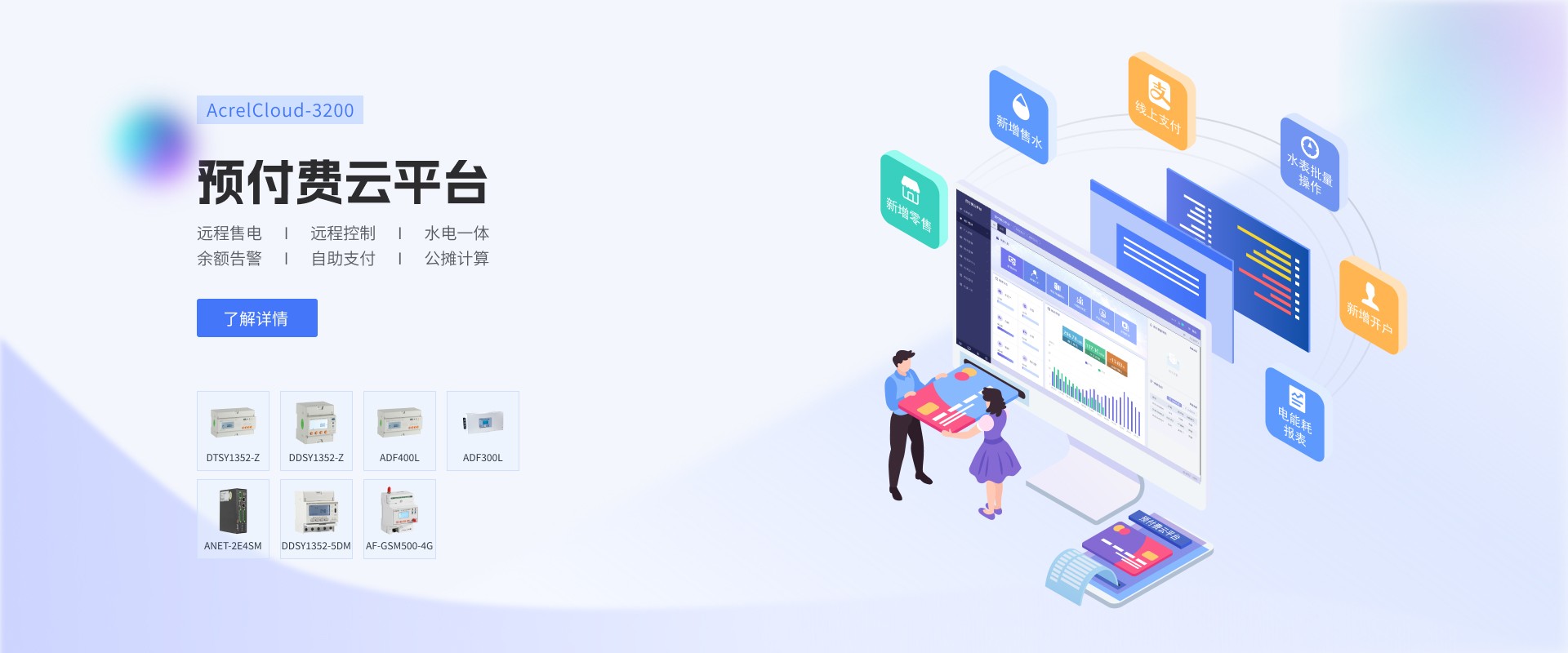
Utilizing cutting-edge web meter reading and payment management technology, we have integrated billing for electricity, water, gas, and other energy sources, enabling remote meter reading, rate setting, and billing statistics. We support payment methods such as WeChat Pay, Alipay, and One-Card payment, and can set up subsidy plans. Through energy payment management, we cultivate energy-saving awareness among energy consumers and departments.
5.2.1 Dormitory Electricity Management
Manage and control electricity usage in student dormitories: capable of issuing basic electricity quotas in bulk and scheduling power on/off; can identify harmful loads, detect illegal electrical equipment, and retrieve records of power outages due to illegal electricity usage.
2.5.2 Retail Shop Utility Fees
Pre-paid management for electricity and water consumption in campus supermarkets, shops, canteens, and other individual-oriented facilities.
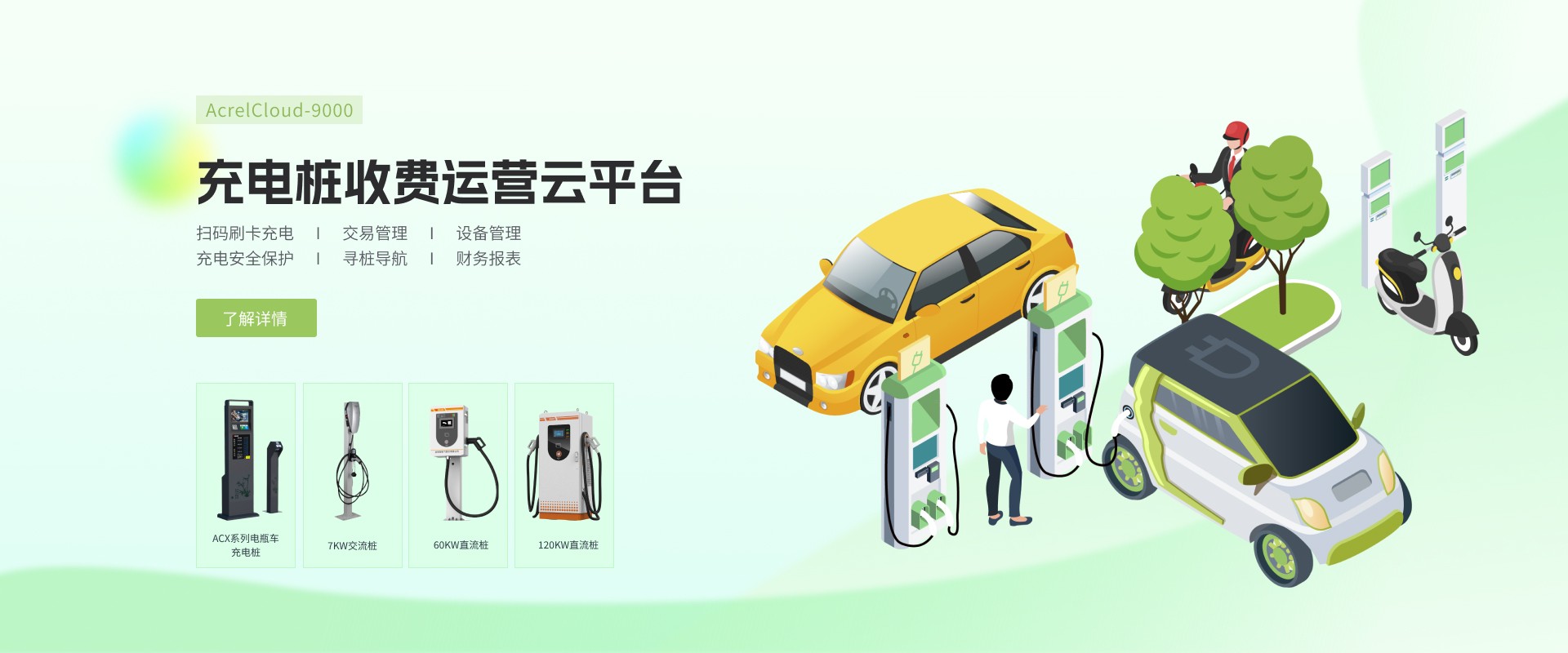
5.2.3 Electric Vehicle Charging Station Management Platform
Electric vehicle charging stations are indispensable in the "source, grid, load, storage, and charging" information energy structure. The application management of charging stations is also an essential part of campus life services.
5.2.4 Smart Lighting Management
Through comprehensive monitoring of university streetlights, we offer flexible and intelligent management solutions, enabling scheduled on/off, forced on/off, brightness adjustment for any streetlight along any route on campus, as well as flexible scheduling settings for energy-efficient lighting control.
5.3 Energy Management System
The company conducted a comprehensive statistical analysis of various energy access types on campus, including year-on-year comparisons, circular analysis, and loss analysis. It gained insights into the total energy consumption and the flow of energy.
Collected and statistically analyzed energy consumption data of various campus buildings categorized by building type, such as office buildings, educational buildings, and dormitories. The data is analyzed in a segmented manner to support leadership decision-making and enhance management efficiency.
Develop a database that aligns with campus energy management regulations and requirements, capable of automatically collecting energy consumption data, generating various forms of reports, charts, and systematic energy audit reports. It can monitor the operational status of energy-consuming equipment, set control strategies, and achieve energy-saving objectives.
5.4 Smart Fire Protection System
The Smart Fire Protection Cloud Platform, based on modern information technologies such as the Internet of Things, big data, and cloud computing, connects scattered fire alarm systems, electrical fire monitoring equipment, smart smoke detectors, and smart fire water supply devices into a network. It intelligently senses, identifies, and locates the status of these devices, dynamically collects fire protection information in real-time, and performs data analysis, mining, and trend analysis through the cloud platform to help achieve scientific fire prevention, grid management, and multi-responsibility supervision. It realizes unmanned, intelligent fire protection, meeting the "automation," "intelligentization," and "systematization" needs of smart fire protection. From fire prevention to alarm, and to control and联动, all operations run within a unified system platform, allowing users, security personnel, and regulatory agencies to visually see the operation status of various fire protection equipment and sensors in each building. In case of emergency situations, such as potential hazards or fire outbreaks, related alarm and event information can be quickly notified to the relevant personnel within seconds through mobile SMS, voice calls, email alerts, and APP push notifications.
6 Closing Remarks
As the development of 5G technology accelerates, it brings significant changes to people's lives, such as autonomous driving, immersive classrooms, and telemedicine. The construction of intelligence is an inevitable trend in higher education, and universities should expedite the development of smart campuses. At the same time, universities should continuously improve in areas like equipment, platforms, and applications, establishing a truly 5G-driven smart campus system to provide a better learning and living environment for faculty and students.
[Reference]
Shao Minghua. Exploring the Construction Ideas of Smart Campus in Universities under the Background of 5G[J]. Guangzhou Songtian Vocational College. 2023(7): 28-31.
【2】University Comprehensive Energy Efficiency Solution, Version 2022.5
"2022.05 Edition: Enterprise Microgrid Design and Application Manual"
