
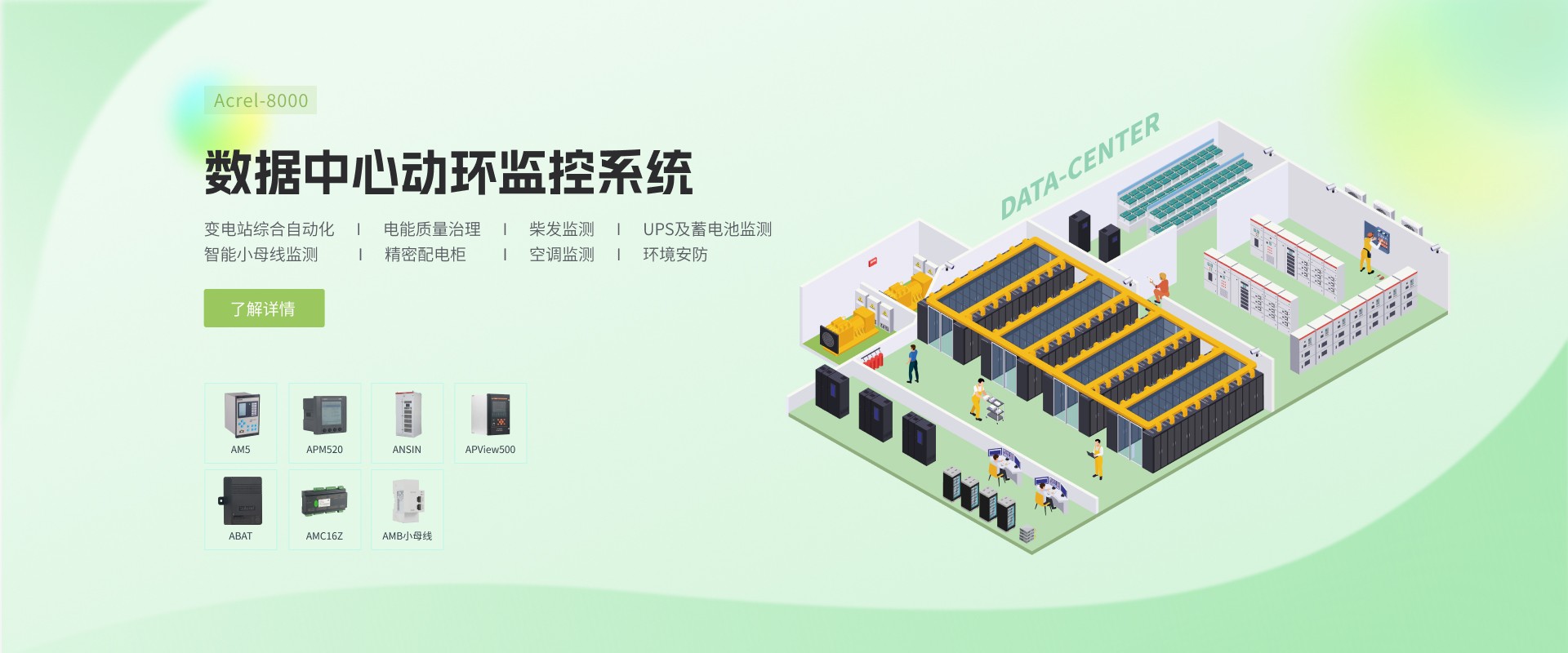

Summary:This article briefly analyzes the optimization design of data center IDC power distribution systems by taking the UPS power distribution system as an example, utilizing research methods such as literature review and practical investigation. From the perspectives of selecting energy-efficient equipment and optimizing the layout of the machine room, it proposes several effective measures for implementing energy management in data center IDCs for your reference.
Keywords:Data Center; IDC Power Distribution System; Optimized Design; Energy Management
Data Center IDC Power Distribution System Optimized Design
1.1 Design Optimization of UPS Equipment
1.1.1 Increase UPS Load Factor
When selecting and optimizing the design of an Uninterruptible Power Supply (UPS) distribution system for a data center, it is crucial to first optimize the selection of UPS equipment. By analyzing the operation of over a hundred UPS units installed in a current data center, and based on data collected by staff, it is found that more than 60% of the UPS units have an operational load rate between 20% and 30%, while nearly 30% have a load rate below 20%. Additionally, combining other research materials, some scholars have pointed out that at least 40% of the load rate in the UPS systems used by most Chinese data centers is not effectively utilized. Therefore, theoretically, increasing the IT load by 25% on the current UPS units can help improve the utilization rate of the UPS equipment's available capacity, thereby enhancing the application benefits of the UPS system.
1.1.2 Reasonably Set PF Value
Within data centers, the power consumption of UPS equipment is relatively high, and the input power factor of this equipment has a direct impact on the power quality of the entire data center's IDC power distribution system. The phase shift power factor (PF), which generally exists in AC circuits, refers to the cosine value of the phase difference between voltage and current. The calculation formula is as follows:

In this formula, cosφ represents the power factor symbol, while THD denotes the total harmonic distortion of current. Taking a UPS device in a data center with an actual load rate of 6% as an example, when the UPS load rate is not high, the measured actual value of cosφ is 0.98, with the corresponding total harmonic distortion of current at approximately 30%. Since the UPS load rate is relatively low, the load is essentially equivalent to a high-frequency non-linear load. Additionally, with the fundamental current I value being relatively small, the UPS device's THDi value is prone to increase under the influence of existing harmonics, thereby reducing the power factor PF. However, according to the test results, when the UPS load rate is normal, the cosφ and PF values are essentially 1, with the corresponding maximum total harmonic distortion of current at 10%. Therefore, if a data center's IDC power distribution system chooses to use a UPS system, it can optimize the capacitor compensation device in strict accordance with national standards, such as compensating with 30% of the transformer capacity. Selecting a UPS device with an input power factor of at least 0.95 can achieve both effective load reduction and cost savings.
1.1.3 Adjust Output Power Factor
Under the gradual increase of server power factor, UPS devices must enhance their output performance to effectively meet the capacitive load input characteristics of server power supplies. According to relevant research data, the current server power factor is generally capacitive-leading between 0.9 and 0.95. According to national standards, the total capacity of UPS devices can be calculated by comparing the actual UPS equipment rack load value with 0.7 (kW/kVA), with the rated capacity of the UPS device multiplied by 0.7 (kW/kVA) not exceeding the output power of the UPS device [1]. However, during the investigation of the output power factor of common centralized UPS devices on the market, it was found that their output power factors can all reach 0.9, and some can reach 1. In fact, if the output power factor of the UPS exceeds 0.9, the device can still operate normally without downscaling. For example, a 400kVA UPS device can directly power a server with a load of 360kW. Considering this, when optimizing UPS devices, it can be specified that their output power should not be less than the product of the rated capacity and 0.9 (kW/kVA). Furthermore, when setting up the UPS system, the high load rate should be set directly at 90%, at which point the formula for calculating the total UPS capacity is: UPS Total Capacity = Rack Load (kW) / 0.9 (kW/kVA) / 0.9 (Load Factor)
1.2 Optimization of the UPS System Model
In the process of utilizing the UPS system as the power distribution system for the data center IDC and optimizing its design, it is considered that the majority of data centers opt for the 2N dual-bus system for their UPS systems. This system is responsible for providing dual-continuity AC power to all critical IT equipment, ensuring their long-term stable operation. This system falls under the category of redundant systems, with a minimum system composition of two UPS systems, and the basic capacity being the total capacity of N UPS devices in any one UPS system. Under the operation of the UPS equipment, the AC input system extends to dual-power input loads via two independent power lines. When the data center's power distribution system is operating normally, any one UPS system is only responsible for bearing a small portion of the total load. By utilizing this multi-power supply system redundancy, it can effectively address the issue of single-point failures that are prone to occur in traditional single-power supply systems. If the data center is relatively large but has fewer single-power supply devices, small-scale STS equipment can be installed according to its actual situation, ensuring a stable and enduring power supply for the power equipment.
Under normal operation of the system, the two UPS systems within it will run synchronously, each handling 50% of the total load. The AC inputs from the two UPS systems, which are drawn from the various low-voltage busbars, significantly enhance the safety and reliability of the entire dual-bus power supply system. In the event that one UPS system within the system fails to operate properly or encounters anomalies including output interruptions, there will be no substantial impact on the dual-power supply to the loads; only the power supply connected to the single-power load of the UPS group with the anomaly will be cut off. The optimized data center power distribution system employs two UPS systems, with each system independently handling power supply and distribution, thus avoiding a single point of failure in the system and contributing to the system's fault tolerance and safety reliability [1]. In the subsequent system operation and maintenance management, staff can directly omit the step of switching loads to bypass mode, which aids in improving the operational management efficiency of the power distribution system and its various distribution equipment.
Analysis of Energy Management Measures in 2 Data Center IDC Rooms
2.1 Proactively optimize data center layout
In the process of energy management for data center IDC server rooms, to effectively improve energy-saving efficiency, staff need to scientifically optimize the room layout based on the actual conditions of the server room. On one hand, cabinets with consistent air intake and exhaust structures, adhering to the "forward in, backward out" and horizontal ventilation principles, are chosen for the IDC server room cabinets. On the other hand, to prevent a large amount of hot air generated by the equipment from mixing with the cool air supplied by air conditioners, resulting in many local hotspots in the data center and affecting the air conditioning's original cooling efficiency, significantly increasing energy consumption, staff can opt to install them in rack sections without equipment, ensuring the incoming air temperature to the devices is stable. Additionally, if using cabinets with doors, it is essential to ensure that the perforation rate is at least 60% to prevent the cabinets from having obstructed air intake and exhaust channels, which would affect the overall cooling effect.
2.2 Utilizing Energy-Efficient Equipment
Optimized UPS systems have been selected in the data center's IDC server room, leveraging the efficiency of the UPS equipment to achieve excellent energy-saving results. For instance, between 2015 and 2018, a data center constructed 15, 20, and 25 units of 400kVA UPS equipment that had been optimized in this manner. With each UPS unit's load current at 200A, the data center achieved energy savings of 680,000 kWh, 910,000 kWh, and 1,370,000 kWh respectively from 2015 to 2018. In terms of air conditioning system equipment selection, the data center's IDC server room can opt for energy-efficient water-cooled systems, while actively opening windows for ventilation to utilize natural wind to effectively lower equipment temperatures and achieve good energy-saving effects.
Energy Consumption Statistical Analysis (Energy Management) Solution
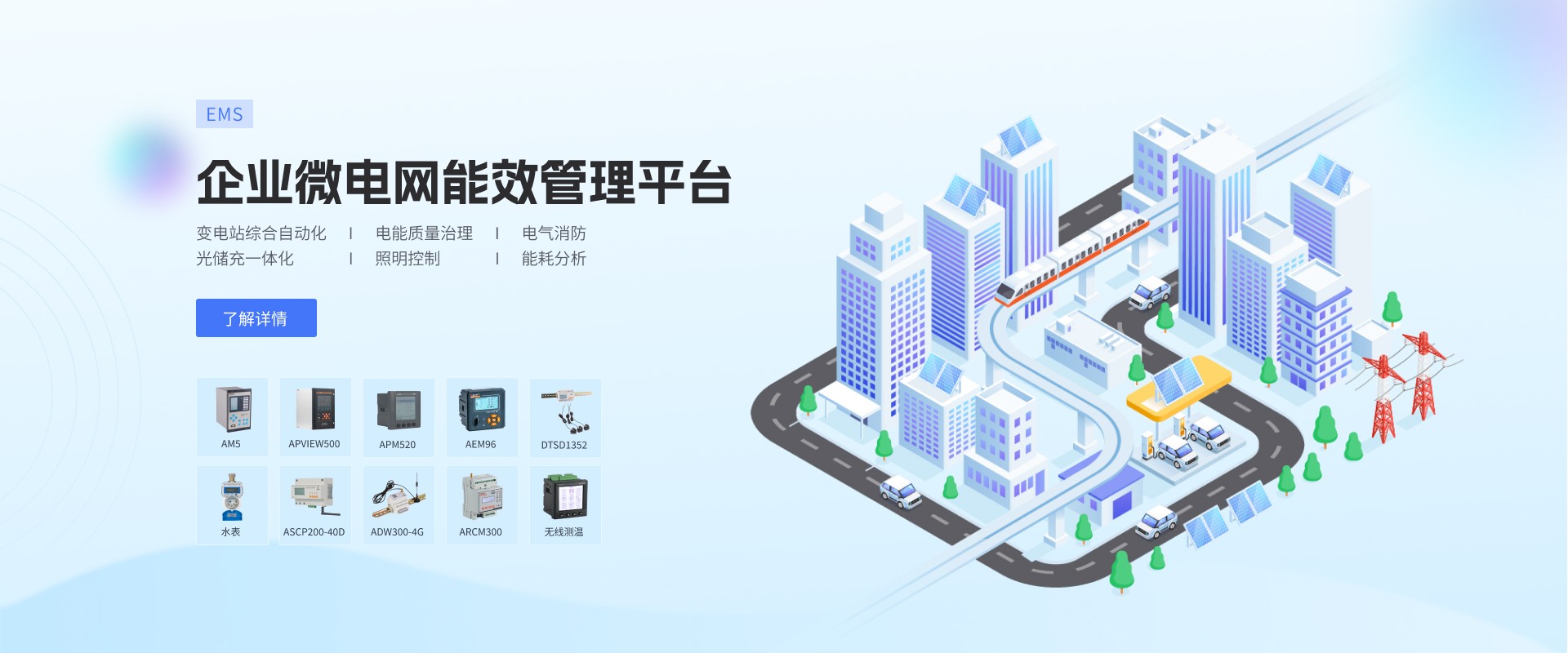
Establish an efficient energy consumption monitoring management system, which measures real-time energy consumption data of various energy-consuming equipment in buildings and statistically analyzes the collected data. It can reasonably determine economic indicators and performance evaluation indicators for building energy consumption in different areas, identify energy usage patterns and waste, and enhance staff awareness of active energy conservation.
Establish the basic framework of a smart energy management system for data centers, conducting real-time monitoring of various energy-consuming processes.
Carbon Emission Dataization: The system allows for per capita energy consumption analysis within buildings (including water, electricity, and energy), achieving data-driven low-carbon office operations.
③ Regional Energy Efficiency Ratio: Achieve comparison of energy consumption within the building unit, facilitating energy consumption assessment.
④同期Energy Efficiency Ratio: Achieves energy consumption comparison within the same year, period, and region, facilitating energy-saving data analysis.
Energy Consumption Assessment Management: Analyze energy consumption per unit area and per capita based on the standard constraint, standard, and guidance values of energy consumption定额 standards.
⑥ Energy Consumption Competition Ranking: Compare energy consumption across various functional areas to achieve a ranking, enhancing staff awareness of energy conservation.
The company has integrated functions for comprehensive analysis, statistics, printing, and querying of energy consumption data. Additionally, different styles of reports can be printed as per the requirements of the energy consumption monitoring and management system, providing reliable data for the energy operation and management department.
Energy consumption data collection is available for real-time queries, and statistical analysis is conducted based on the collected data. It monitors abnormal energy usage, issues alarms for faults in intelligent energy meters, and enhances the informatization and automation level of the system.

4 Energy Management System
|
Application Scenarios |
Model |
Image |
Enhanced Protection Features |
|
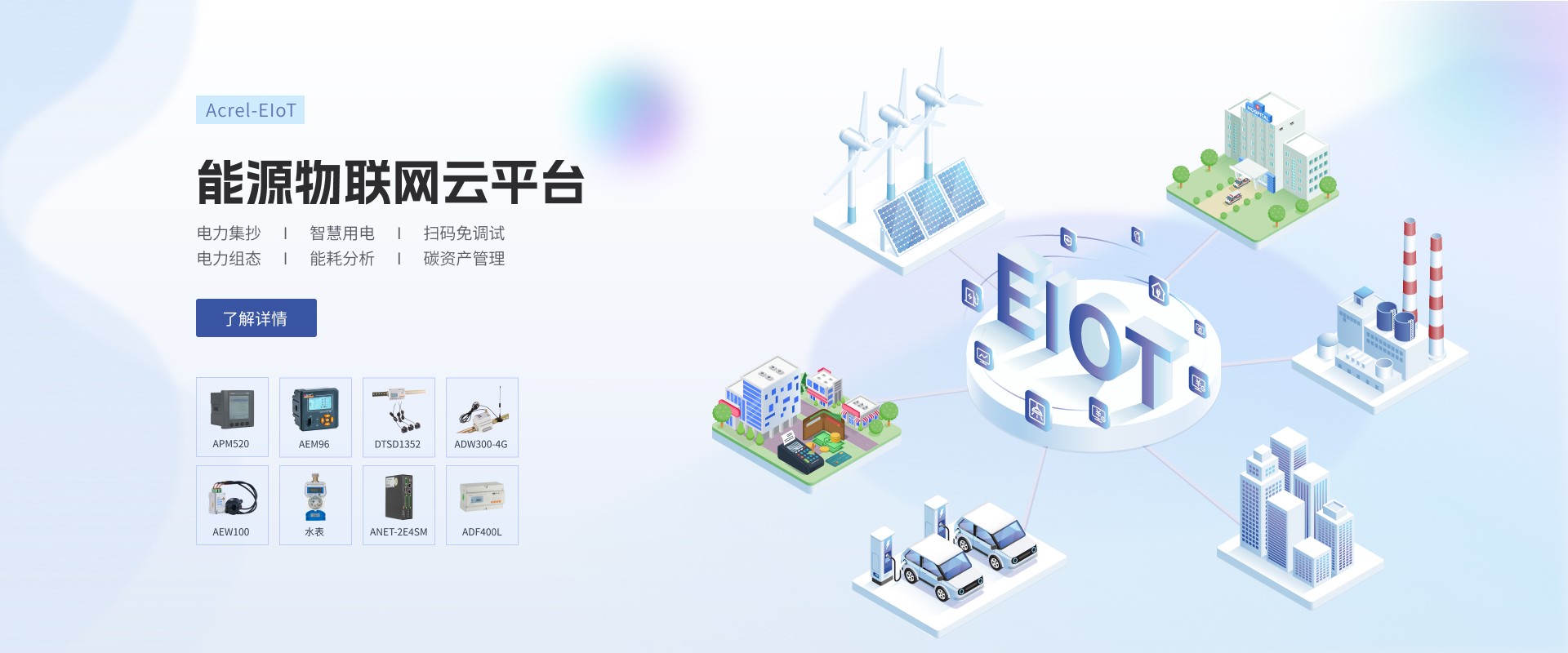
Energy Consumption Management Cloud Platform |
AcrelCloud-5000 |
|
Utilizing technologies such as ubiquitous IoT, cloud computing, big data, mobile communications, and intelligent sensing, the platform offers services including energy data collection, statistical analysis, energy efficiency analysis, energy consumption alerts, and equipment management. The platform is widely applicable across various fields. |
|
Smart Gateway |
Anet Series Network Management |
|
The embedded hardware computer platform features multiple downstream communication interfaces and one or more upstream network interfaces, serving as a bridge between the collection terminals and the platform system in the information collection system. It is capable of collecting and summarizing data from equipment terminals such as water meters, gas meters, electricity meters, and microcomputer protection devices, according to different collection protocols, and uses corresponding protocols to transfer data from on-site equipment to the platform system. |
|
High-voltage critical circuits or low-voltage incoming line cabinets |
APM810 |
|
Equipped with full electric measurement, power statistics, power quality analysis, and network communication functions, this series of instruments is mainly used for comprehensive monitoring and diagnosis of power supply quality in power grids, as well as power management. The instruments feature a modular design, allowing customers to easily add switch input/output, analog input/output, SD card recording, and Ethernet communication by simply inserting the corresponding modules into the back. |
|
APM520 |
|
Three-phase full electricity measurement, 2-63 harmonics, unbalance degree, maximum demand, payment rate support, overload alarm, SOE, 4-20mA output. |
|
|
Low-voltage distribution switchgear |
AEM96 |
|
The three-phase multi-functional electric energy meter integrates the measurement of three-phase power parameters, energy metering, and assessment management. It provides statistics on energy data for the last 24 hours, 31 days, and 12 months. It features 63rd harmonic and total harmonic content detection, and with switch input and relay output, it can achieve "remote signaling" and "remote control" functions. It also has alarm output capabilities and is widely applicable in various control systems, SCADA systems, and energy management systems. |
|
Power cabinet |
ACR120EL |
|
Measure all common electrical parameters, such as three-phase current, voltage, active and reactive power, electricity consumption, harmonics, etc., and features comprehensive communication networking capabilities, making it highly suitable for real-time power monitoring systems. |
|
DTSD1352 |
|
The DIN35mm track-mounted structure is compact in size, capable of measuring electrical energy and other electrical parameters, and allows for settings such as clock and rate periods. It boasts high precision, reliability, and performance indicators that meet the technical requirements of the national standard GB/T17215-2002, GB/T17883-1999, and the industry standard DL/T614-2007 for electrical meters. Additionally, it features an electrical pulse output function; it can also exchange data with a host computer via an RS485 communication interface. |
|
|
AEW100 |
|
Three-phase full electric quantity measurement, residual current, 2-63rd harmonics, support for payment rate, magnitude, cable temperature, optional 2G/4G communication. |


5 Closing Remarks
In summary, during the process of optimizing the power distribution system in the data center IDC, staff must fully consider the actual conditions and operational requirements of the power distribution system, adhere strictly to national regulations and standards, rationally select high-efficiency UPS equipment, and pay attention to increasing backup equipment and lines to effectively enhance the operational stability of the power distribution system. In the course of energy management, staff must also proactively utilize high-efficiency and energy-saving equipment, optimize the layout of the server room, and actively apply various advanced information technologies to achieve higher energy-saving management results for the IDC.
[Reference]
Zhang Xiang. Research on IDC Business Forecasting and Construction Program of Base Project [D]. Chang'an University, 2017.
Teng Xianggen. Optimization of Data Center IDC Power Distribution System and Energy Management [J]. Electric Information, 2019(05): 02-03.
Ankorri Enterprise Microgrid Design and Application Manual, 2022.5 Edition
