

Abstract:As internet technology continues to advance, in the "Internet +" era, the pace of informatization is accelerating rapidly, and the overall development of China's data centers is also very swift. A series of practices have proven that the establishment and development of data centers play a crucial role in reality. In order to better highlight the core functions of data centers, clearly define their energy consumption, and effectively enhance their overall energy efficiency, we aim to further promote the development of China's data centers.
Keywords:Our national data center; energy consumption; energy efficiency level
Introduction
In the "Internet" era, with the rapid development of network technology, the scale and number of China's data centers have been expanding continuously. Correspondingly, its coverage and radiation direction have also evolved. To better promote the development of China's data centers, it is essential to scientifically sort and analyze the potential energy consumption and costs. Relying on scientific and efficient management levels, we can effectively optimize the development and application outcomes of data centers.
1. Data Center Overview
A data center is a facility that houses a large collection of IT equipment, including servers, storage devices, and networking equipment, serving as a platform for centralized processing, storage, transmission, exchange, and management of data information. Physically, data centers are primarily composed of three parts: IT equipment, power distribution systems, and air conditioning systems. Among these components, IT equipment is a crucial element and the core of the data center. Relying on IT equipment, high-quality data storage and transmission sharing can be achieved, as well as data analysis and assessment. IT equipment, including servers for data processing, storage devices for data storage, and networking equipment for communication, is the core part of realizing the functions of a data center. In a data center, the other two components play more auxiliary roles, existing to ensure the efficient and stable operation of IT equipment and to maintain the data center in optimal running condition. During the operation of a data center, the power distribution system meets the power needs of various devices and ensures the scientific and stable operation of the data center. Moreover, due to the diverse types of equipment, data centers can easily reach high temperatures. The air conditioning system's role is to provide necessary cooling and ventilation for the data center, ensuring its safe operation. As a product of the information age, the data center has evolved with the deep development of network technology, undergoing various stages of development.
In the early stages, computer rooms were the data centers, of course, with relatively limited functions and capabilities at that time. As the internet technology developed, the server functions of data centers became increasingly diverse, and correspondingly, the services and radiation capabilities of data centers expanded continuously. With the widespread application of data centers, their energy consumption issues have also garnered increasing attention and concern. How to significantly reduce the energy consumption of data centers and effectively enhance their energy efficiency levels is an important challenge facing us.
2. Current Status of Data Center Development
In today's rapidly advancing information technology landscape, the functions and roles of data centers have become increasingly prominent. A series of development practices have proven that the scientific and continuous development of data centers has greatly optimized their functions and also propelled the socio-economic development. At this stage, data information resources, as important material resources, hold significant social value. The dependence of various industries in our country on information technology for business processing is also continually increasing, all of which greatly drive the development of data centers and simultaneously expand their market space. The current development status of data centers is mainly reflected in the following aspects.
2.1 Data Center Market Status
In the "Internet" era, various industries and sectors of society have a strong reliance on data resources. Whether in production practice or in daily life, there is an urgent need for robust data processing technologies and an extensive information resource base. It is this burgeoning market demand that has largely propelled the growth of data centers.
The investment scale of data centers continues to grow significantly. In recent years, the investment in data centers has continually reached new heights, now soaring to the千亿 level. During operation, there is a high demand for related equipment and technical talent. Whether it's the investment in technical equipment or human resources, substantial capital is required to support it. The ever-increasing investment scale reveals the rapid pace of development in data centers.
The scale of investment in software services for data centers has continued to expand. During the initial development phase of data centers, there has been a tendency to focus excessively on the construction and improvement of its hardware systems, such as server and data center facility investments. It can be said that for a long time, the scale of hardware investments was rather macro. However, in recent years, as people enjoy the conveniences brought by data centers, they have also raised higher requirements for the service capabilities of data centers. Currently, the investment direction in data center construction is trending towards enhancing software service capabilities.
Third, there is an inevitable correlation between data centers and regional economic development. The continuous and rapid development of data centers is inseparable from the driving force of regional economies. It is precisely the highly developed regional economies that have led to the astonishing and massive information demands and processing volumes across various industries. It is evident that the more developed the economy of a region, the faster the pace of data center development, and correspondingly, the larger the scale of these data centers. Fourth, the correlation between data center development and industry progress is also quite close. From the trend of data center development, industries with a high reliance on information resources, such as finance and telecommunications, tend to have more sophisticated data centers. Conversely, data centers in traditional industries have yet to be improved and optimized.
2.2 Server Sales and Application Status
During the construction of data centers, servers are extremely core equipment, always playing a crucial role. The scale of investment in data center construction reveals that the amount allocated for servers is quite astonishing. Overall, the application level of data center servers in our country is relatively high at this stage, and the types of servers are also quite diversified. The application and types of servers reflect the development level of our country's data centers. As the main users of data centers, an increasing number of enterprises are now beginning to build their own data centers. However, due to the scale of their own development and the number of servers, most enterprise data centers are relatively small and their functions are relatively single. The relatively fewer servers and lower data processing capabilities can easily lead to chaotic and disorganized data processing, as well as unnecessary energy consumption issues.
3. Briefly describe data center energy consumption and energy efficiency levels.
Data centers require substantial energy efficiency support during operation, which hinges on the collaborative function of various devices. Only through this can the scientific and efficient application of data centers be promoted, and their core role can be better realized. Consequently, during the practical process, it is essential to thoroughly analyze the energy consumption of data centers and, at the same time, rely on scientific indicators to objectively evaluate their energy efficiency, ensuring that data centers can truly fulfill their functions.
3.1 Data Center Energy Consumption Composition and Energy Efficiency Indicators
During the operation of the data center, both key and auxiliary equipment are rather diversified. In addition to critical equipment like servers, reliance is often placed on comprehensive power distribution systems and air conditioning systems. These varied devices tend to generate significant energy consumption. Therefore, scientifically evaluating and summarizing the energy consumption of data centers often requires integrating different equipment to efficiently assess the total energy consumption. Within the internal structure of data centers, energy consumption varies significantly between different devices or subsystems. Typically, IT equipment in data centers accounts for a high proportion of energy consumption, approximately half of the total, with servers contributing to this as well. In the process of evaluating energy efficiency indicators for data centers, experts in the field have proposed various evaluation criteria. However, collectively, these different criteria often possess distinct characteristics. Among these, two relatively intuitive and scientific indicators stand out: electrical energy utilization efficiency and data center infrastructure efficiency. Relying on these two scientific evaluation criteria, a comprehensive assessment of energy consumption in data centers can be made, effectively evaluating their energy efficiency levels.
3.2 Current Status of Data Center Energy Efficiency
During the operation of data centers, scientifically evaluating and analyzing their energy efficiency levels plays a crucial practical role. To this end, it is necessary to rely on scientific and refined energy efficiency indicators, while combining the unique characteristics and operating conditions of different equipment, to scientifically and objectively assess the energy efficiency of data centers. Different equipment requires a certain level of energy consumption to better perform their functions during operation. For instance, the air conditioning system in data centers primarily serves the purpose of ventilation and heat dissipation, thus consuming a significant amount of electrical resources. To better evaluate the energy efficiency of the air conditioning system, it is necessary to rely on electrical energy utilization efficiency indicators for a scientific assessment. Similarly, IT equipment, as the core and key equipment of data centers, also depends on a certain amount of electrical resources during practical operation. As IT equipment converts electrical energy into heat and dissipates it within the room, this ensures the efficient and scientific operation of data centers. Therefore, thorough analysis and evaluation of data center energy efficiency levels are of great significance in improving and optimizing the operational effectiveness of data centers.
4. Anke Energy Consumption Statistical Analysis (Energy Management) Solution
4.1 Overview
Establish an efficient energy consumption monitoring and management system, which performs real-time measurement of energy consumption data from various energy-consuming equipment in buildings. It statistically analyzes the collected data. The system can reasonably determine the economic indicators and performance assessment criteria for energy consumption in different areas of buildings, identify energy usage patterns and wastage, and enhance employees' awareness of proactive energy conservation.
Establish the basic framework of a smart energy management system for data centers, providing real-time monitoring of all energy-consuming processes.
Carbon Emission Data-Driven: The system allows for per capita energy consumption analysis within building units (including water, electricity, and energy), achieving data-driven low-carbon office operations.
③ Regional Energy Efficiency Ratio: Achieve comparison of energy consumption within building units for convenient energy consumption assessment.
④ Concurrent Energy Efficiency Ratio: Achieves year-on-year, same period, and same regional energy consumption comparisons for convenient energy-saving data analysis.
⑤ Energy Consumption Evaluation Management: Analyze unit area energy consumption and per capita energy consumption indicators based on the standard constraint value, standard value, and guidance value of energy consumption定额 standards.
⑥ Energy Consumption Competition Ranking: Compare energy consumption across various functional areas to achieve an energy consumption ranking and enhance staff awareness of energy conservation.
The company offers comprehensive functionalities for the analysis, statistics, printing, and querying of energy consumption data. Additionally, different styles of reports can be selected for printing based on the needs of the energy consumption monitoring and management system, providing a reliable basis for the energy operation and management department.
Energy consumption data collection is available for real-time inquiry. It also performs statistical analysis based on collected data, monitors abnormal energy usage, issues alarms for faults in intelligent energy meters, and enhances the informatization and automation of the system.
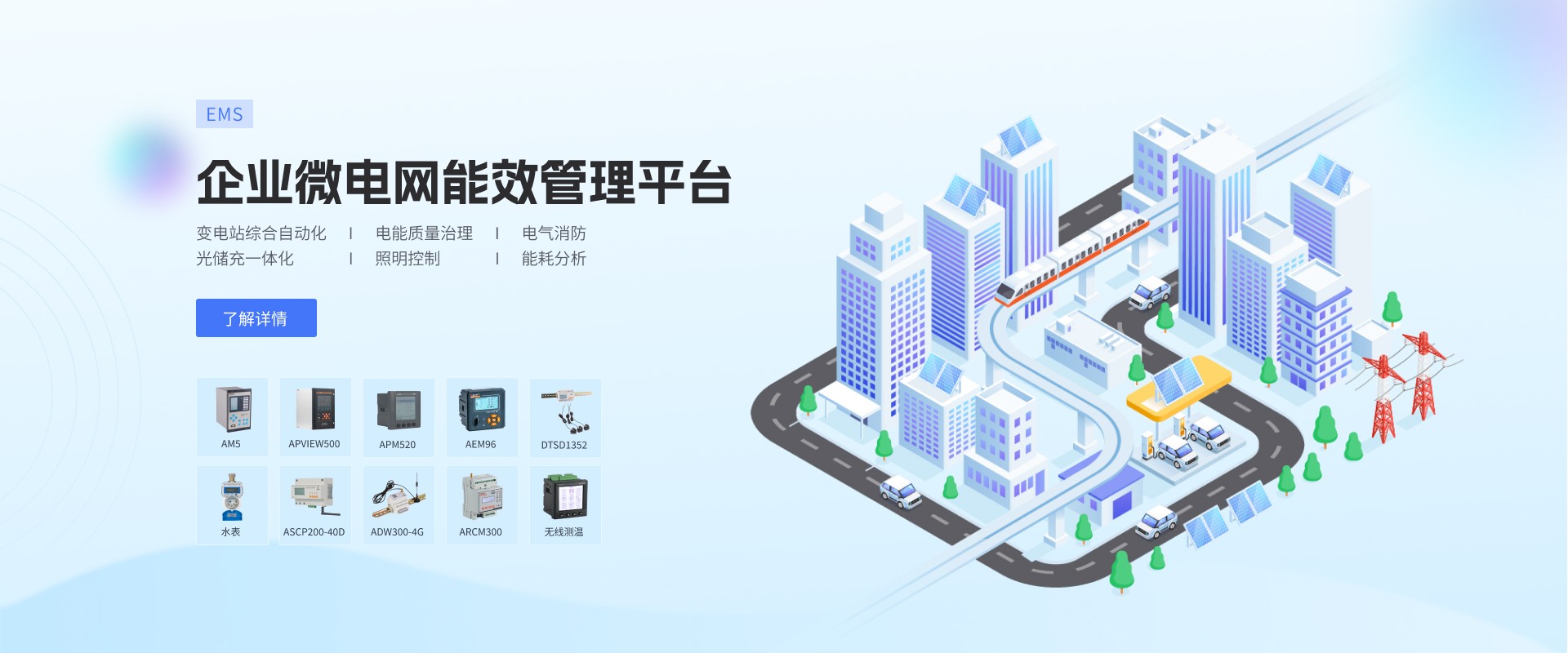
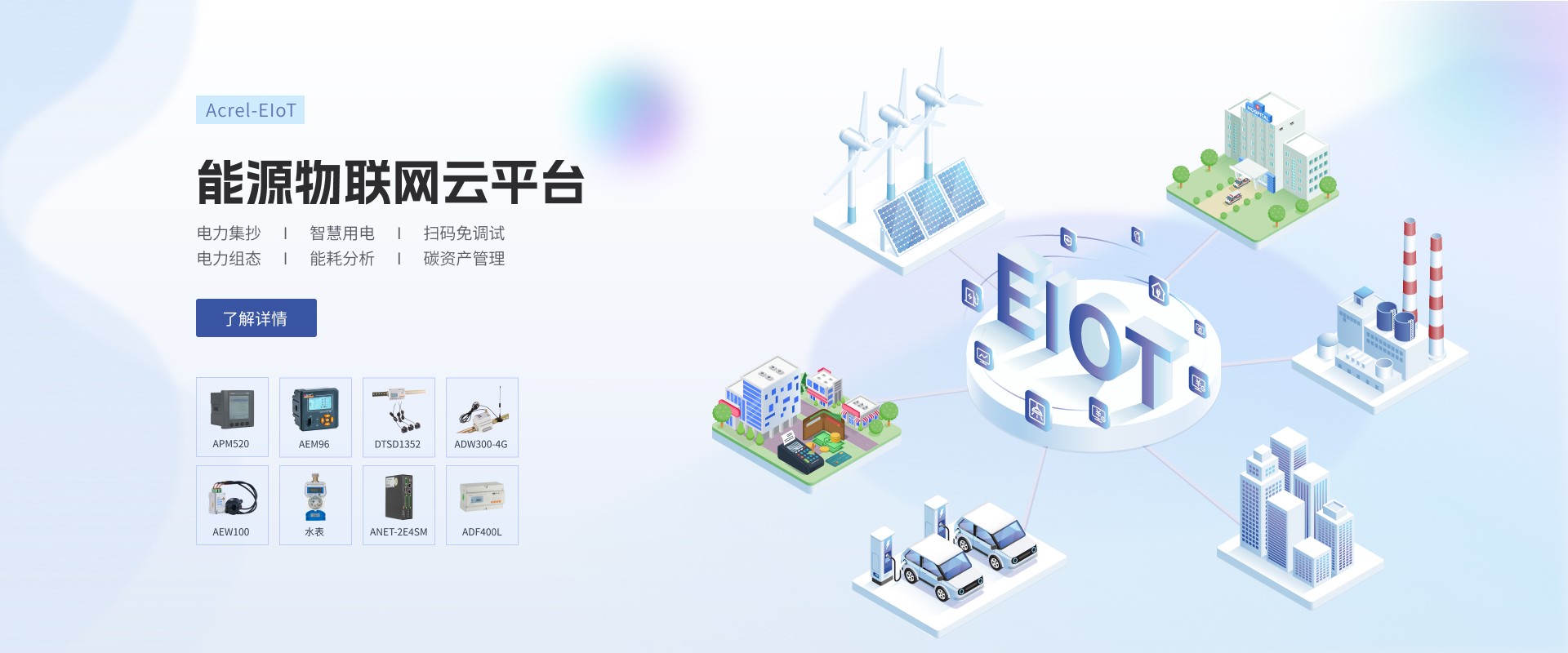
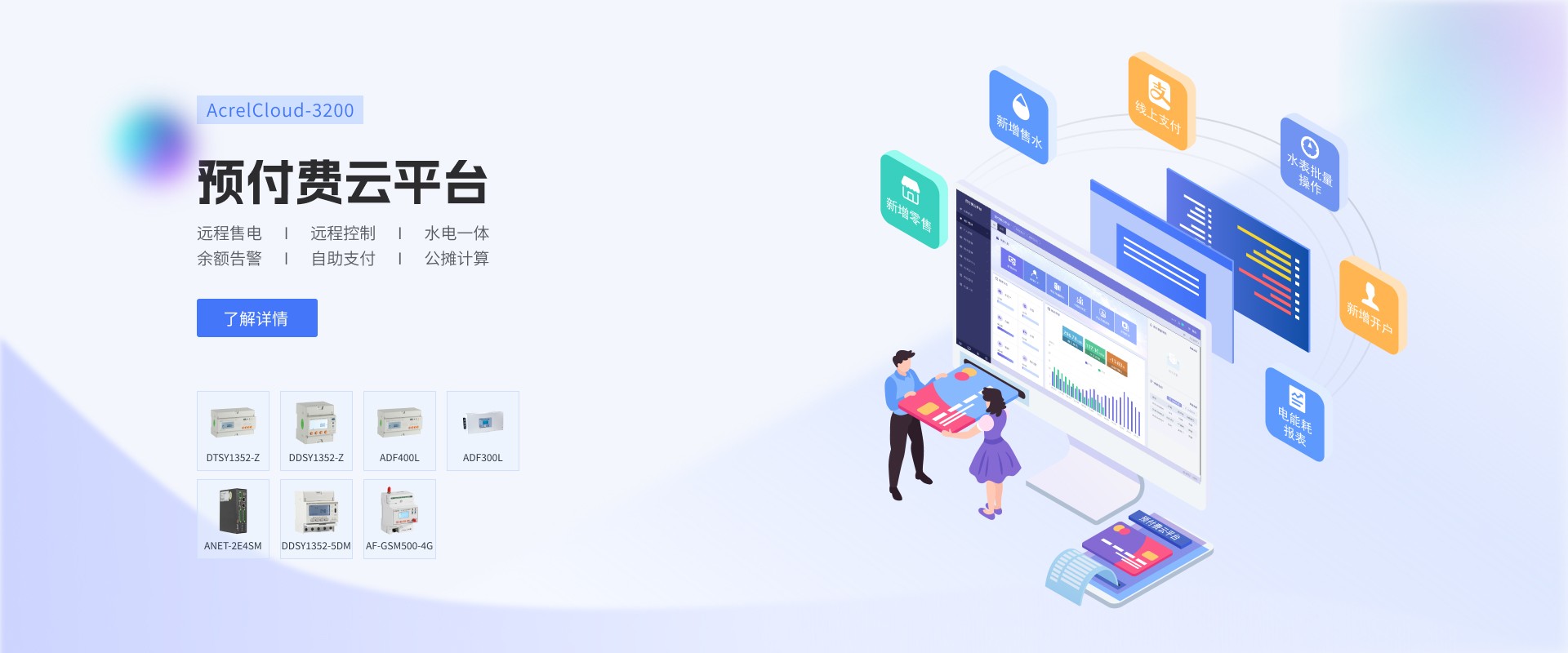
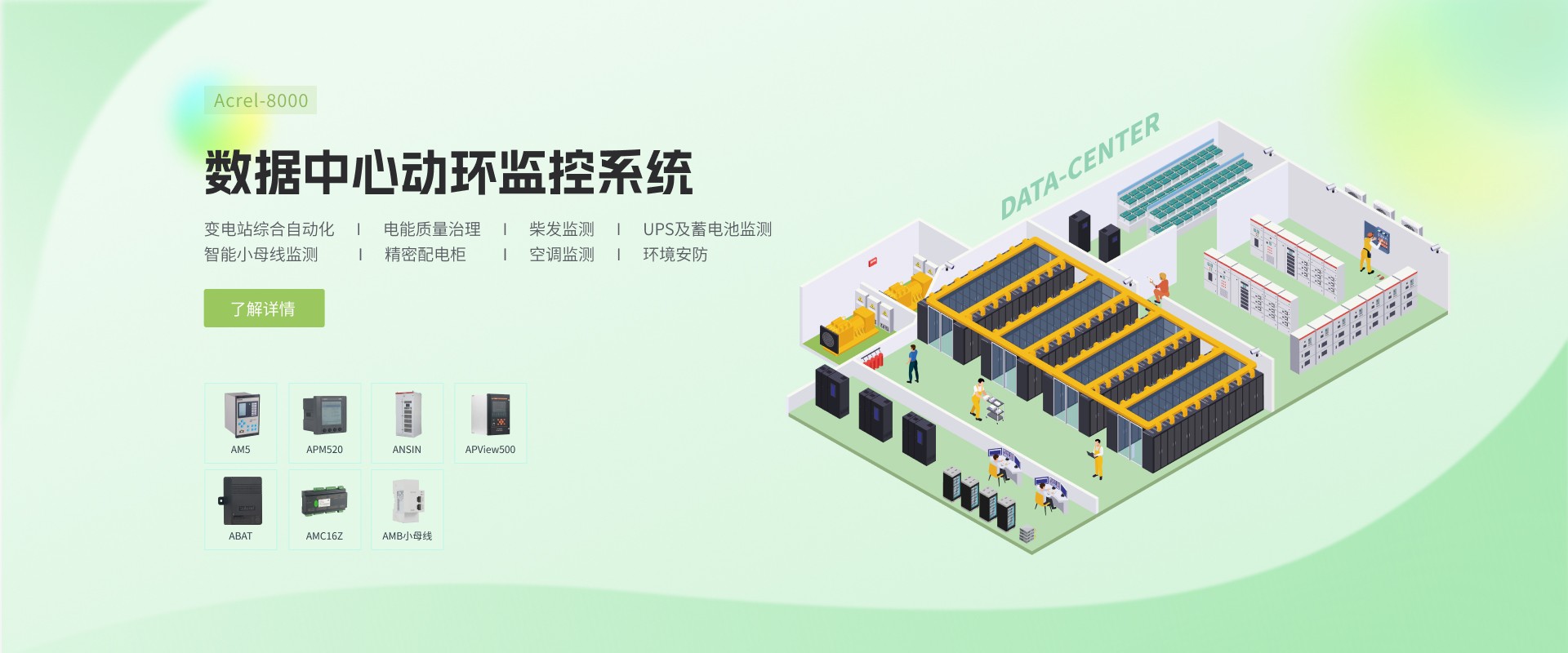
4.2 Platform Hardware Selection


5. Closing Remarks
In the "Internet" era, with the rapid development of information technology, the social value of data centers is becoming increasingly prominent, and their social utility is growing more significant. To better promote the development and application of data centers, it is essential to analyze their energy consumption and, at the same time, scientifically and objectively evaluate their energy efficiency levels.
[Reference]
Guo Feng. Research on Data Center Energy Consumption and Energy Efficiency in China. Industry Science and Technology Innovation, 2020.2 (13): 48-48.
Wang Jiyè, Zhou Bìyù, Zhang Fǎ, et al. A Review of Data Center Energy Consumption Models and Energy Efficiency Algorithms [J]. Journal of Computer Research and Development, 2019, 62(56): 1587-1603.
Hu Jinxian, Zhou Qiru, Gu Guodong. Exploration and Research on the Current Energy Consumption Status and Energy-Saving Directions of Data Centers[J]. Computer Programming Techniques and Maintenance, 2019, 26(4): 33.
[4] Dong Feixiang. Research on Energy Consumption Monitoring and Energy-saving Optimization Information Platform for Large Public Buildings [D]. Xi'an: Chang'an University, 2017.
Ankore Corporation Microgrid Design and Application Handbook, 2022.5 Edition.
