

To accelerate the progress of"Double Carbon" strategy and newEnergy SystemConstructing efforts to achieve precise load control and refined user management."Principles of leadership, grid organization, government-enterprise collaboration, and user implementation" have been established in various cities and counties.Electricity LoadThe translation is incomplete, as there is no Chinese content provided to translate. Please provide the full text to be translated.The establishment of regional energy centers, including Ningbo and Cixi in Zhejiang, Dalian in Liaoning, Zhuzhou and Loudi in Hunan, Yichang and Huanggang in Hubei, and Linfen in Shanxi, signifies a substantial and critical step towards digital transformation in the energy sector across various regions. This move is of great significance in accelerating the construction of a new energy system, implementing the energy big data strategy, fostering the digital economy, and building smart cities. For instance,Ningbo Energy Big Data Management Center has connected to NingboOver 10,000规模以上 enterprises and 3,079 key energy-consuming enterprises, as well as data from air conditioning loads of 698 public buildings, have been launched on the public building air conditioning load management, industrial park energy management, and green factory energy management systems.Monitoring servicesOver 20 energy big data products.
Ankorri partially participated in the construction of the municipal power load management center. This article combines the requirements of the city's new intelligent energy system for the energy digitalization system with Ankorri's energy digitalization technology, providing an initial solution for energy interconnection, interaction, and coordinated optimization, to continuously promote the construction of a new energy system.
1. IntegratedWisdomEnergy Systems Overview
The traditional energy management system model, which revolves around a single entity for monitoring electricity and other energy sources, is no longer sufficient to meet the needs of the new energy system. Instead, a scientific and systematic comprehensive smart energy management approach utilizing big data...Information Integration ModelOur company has achieved optimization in the utilization of new energy sources and improved energy efficiency.No Chinese content provided.The company has also achieved a transformation from energy-saving on a single device to intelligent and systematic directions. The comprehensive intelligent energy management system has realized the collection and monitoring of data from various units of the energy system.Predict and ManageBy doing so, a solid foundation has been laid for the high-quality utilization of energy and provision of services, which aligns with the purpose of constructing power load centers in various regions. The comprehensive intelligent energy system, based on the dynamic energy pricing mechanism, utilizes the physical infrastructure of the power grid, distributed generation, energy storage systems, adjustable loads, and electric vehicle charging stations to automatically adjust to different stages of power demand, ensuring the stable operation of the power system. Overall, the comprehensive intelligent energy management system has become an essential component of the new energy system construction.
2. Comprehensive Smart Energy Management System Overall Architecture
Many parties are involved in the Comprehensive Smart Energy Management System, including power grids, energy service providers, large, medium, small, and micro energy-consuming enterprises, as well as individuals. This is a system that requires participation from multiple sides, and it must have excellent compatibility and ease of use.FirstlyThe system's design requiresSupport for multiple industrial interfacesThird-party system interfaces, intelligent perception device interfaces, and energy-consuming device interfacesPending. Next.,The system must support convenient data access and interaction, including on mobile devices.APP, mini-program, WEB versionAdditionallyThe intelligent devices that the system needs to integrate are widely dispersed and in large numbers.As per actual requirements and network conditionsAchieve a hybrid wired and wireless networking mode, capable of collecting, analyzing, and optimizing control management for various types of energy data.As shown in the image.1 depicted。
3. Integrated Smart Energy Management System Software Architecture
The software architecture primarily includes the perception layer, data layer, application layer, and presentation layer.As shown in the image.Figure 2 as shown.The perception layer consists of on-site protection, measurement, control equipment, and other sub-systems, connected through wired connections.The data is wirelessly transmitted to the data hub; the hub is responsible for data collection, processing, storage, and interaction, distributing it to various application layers. The application layers utilize the data from multiple perspectives such as energy supply, energy management, load management, energy consumption analysis and prediction, and energy operation and maintenance, according to user needs, and present it to different users, thereby completing energy management functions.The Comprehensive Smart Management System can achieve real-time collection and monitoring of various types of energy media data.By leveraging digital technology, we present and control energy data more intuitively, thereby maximizing energy utilization.
4. Ankorri's Integrated Smart Energy Management System Application
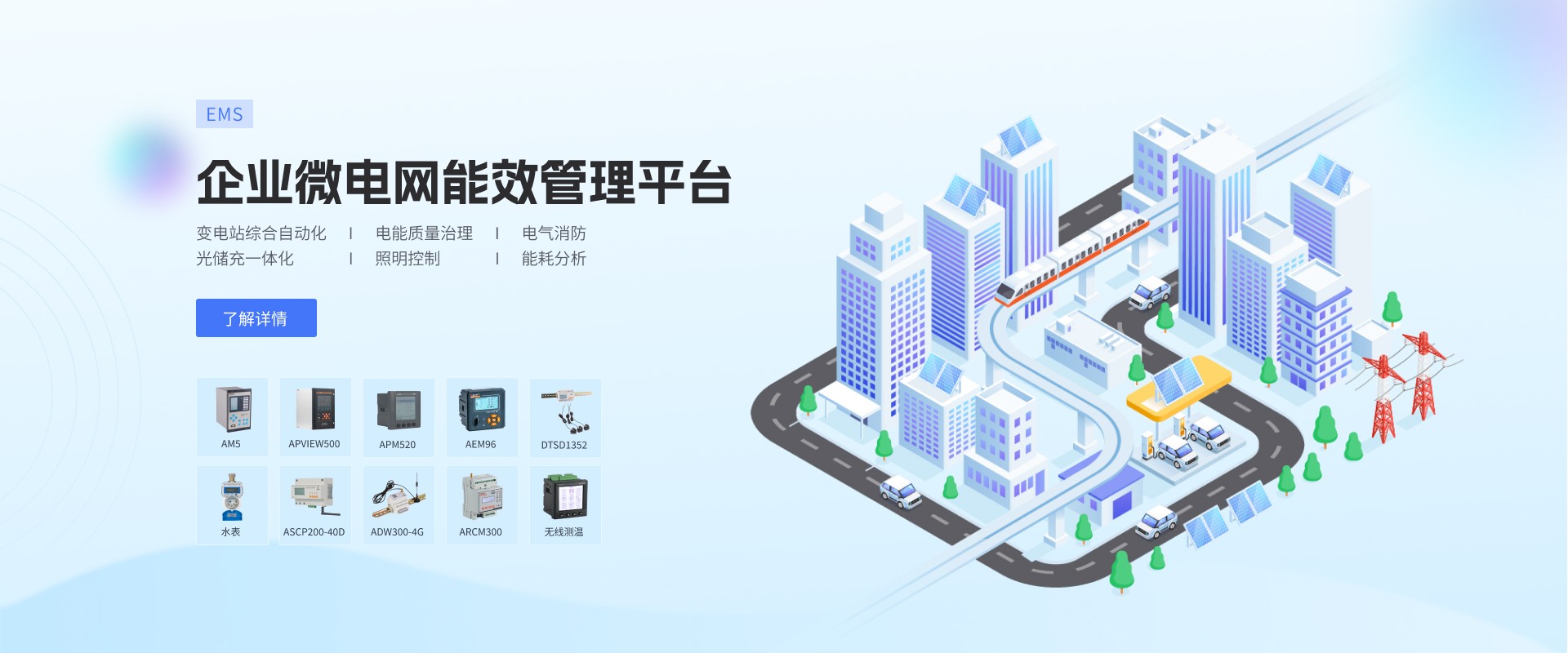
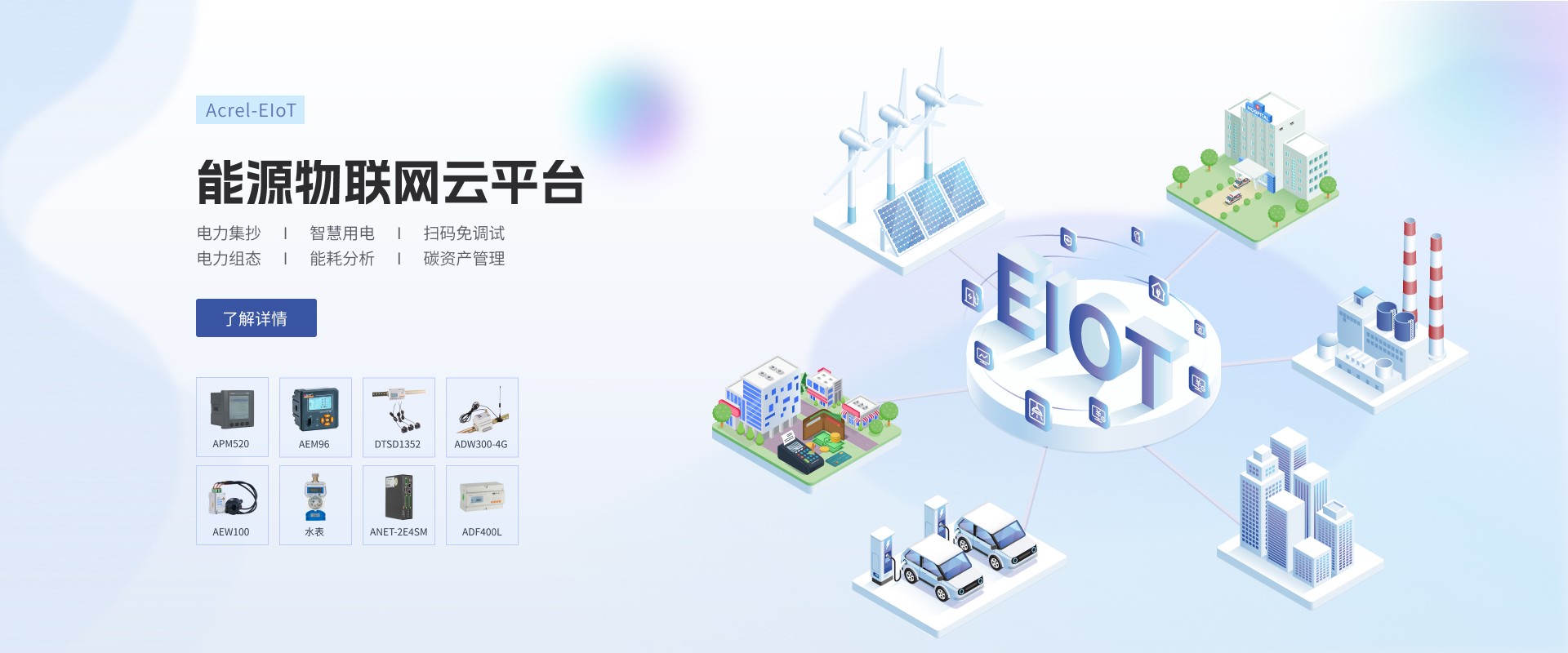
The AcrelEMS Corporate Microgrid Energy Efficiency Management System and the Acrel-EIOT Energy Internet of Things Platform Solution are comprehensive intelligent energy management systems designed based on the aforementioned philosophy. The AcrelEMS Corporate Microgrid Energy Efficiency Management System is an energy management platform for industry users, including medical buildings, educational buildings, highways, and electronic factories, offering energy efficiency management solutions tailored to the characteristics of each industry. The Acrel-EIOT Energy Internet of Things Cloud Platform is designed for the large number of geographically dispersed IoT devices, providing a no-tuning solution for small, medium, and micro users to easily connect their devices to the platform and obtain the required data at a low cost, such as charging桩 operations, decentralized energy metering, and billing, without geographical limitations or professional skill requirements. It has already provided energy data services to numerous users. Both systems are based on the same data platform, deriving different applications to provide integrated energy management solutions covering "source, grid, load, storage, and maintenance" for different types of users, and manage energy use and scheduling according to the strategies set by the users.
4.1 AcrelEMS Enterprise Microgrid Energy Efficiency Management System Application Based on Industry Energy Efficiency Improvement
AcrelEMS's Enterprise Microgrid Energy Management System offers industry-specific energy management solutions, supporting wired/wireless connections to various intelligent devices and providing multiple third-party system interface protocols. It integrates functions such as power monitoring, energy consumption statistics, electrical power quality analysis and treatment, intelligent lighting control, monitoring of major energy-consuming equipment, charging pile operation management, distributed photovoltaic monitoring, and energy storage management. This allows for comprehensive and integrated centralized monitoring, unified dispatching, and unified operation and maintenance of the corporate power grid from a single platform, meeting the requirements for reliable, safe, energy-saving, and orderly electricity use. The platform supports English and Chinese language switching and has been applied in energy management and power operation and maintenance platforms for users in multiple industries and regions. A single platform has connected to over 1,600 transformer substation data points, providing energy analysis and operation and maintenance management functions.
Power Monitoring
Real-time monitoring and control of electrical parameters, operating status, and contact temperatures for distribution equipment such as transformers, circuit breakers, DC screens, busbars, reactive compensation cabinets, and cables in high and low voltage power distribution systems. Monitor and improve the power quality of the main circuits in the enterprise microgrid, promptly handle faults, and issue alarm information to enhance the reliability of enterprise power supply.
Energy Consumption Analysis
Gather energy consumption data for electricity, water, gas, and other energy sources, conduct classified and itemized energy consumption statistics, calculate energy consumption per unit area or per product, and analyze trends. Conduct energy efficiency diagnostics for major energy-consuming equipment, calculate the company's carbon emissions, and provide data support for the company to formulate peak carbon emission and carbon neutrality pathways.
Lighting Control
The smart lighting control function can achieve timed control, light sensing control, scene control, dimming control, etc., based on the company's situation. It integrates infrared and ultrasonic sensors to turn on the lights when people are present and turn them off when they leave. It can also implement centralized control according to the system's control strategy, thereby saving lighting electricity for the company.
Distributed Photovoltaic Monitoring
Monitoring the operation of corporate distributed photovoltaic power stations, including inverter operation data, photovoltaic power generation efficiency analysis, power generation and revenue statistics, and photovoltaic power control.
Energy Storage Management
Monitoring Energy Storage Systems, Battery Management Systems(BMS) and energy storage converter (PCS) operation, including operational modes, power control modes, power, voltage, current, frequency information, energy storage battery charging/discharging voltage, current, SOC, and temperature. Based on the company's peak-valley characteristics, electricity price fluctuations, and superior platform instructions, the charging/discharging strategy of the energy storage system is set to control the charging/discharging of the energy storage system, achieving peak shaving and valley filling, and reducing the company's electricity costs.
Electric Vehicle Charging Station Operation and Management
Monitor the operation status of corporate charging stations, offering functions for charging station fee management and status monitoring, and adjust the charging power of charging stations based on changes in the corporate load rate and dispatch instructions from virtual power plants, ensuring stable and safe operation of the corporate microgrid.
4.2 Acrel-EIOT Energy Internet of Things Platform Application Based on Big Data
The Acrel-EIoT Energy Internet of Things platform is a PAAS platform based on an IoT data hub, executing unified uplink and downlink data standards to provide energy IoT data services to internet users. The platform supports switching between Chinese and English and customizable feature settings. After installing IoT sensors, users can scan the code to connect devices to the Acrel-EIoT platform, access the required industry data services via smartphones and computers, without needing to focus on the platform itself, nor do they need to know the structure and protocols of the downlink hardware, making it user-friendly without the need for professional knowledge. The platform has already provided energy data services based on Ankorui products to multiple users.
Customized Cockpit
Users can customize their own dashboard pages based on their focus points, including energy pre-charging, charging station operations, elevator, air conditioning, lighting, and various other equipment's energy consumption statistics, revenue statistics, and maintenance status.
Data CollectionData Monitoring
Real-time monitoring of voltage, current, and other electrical parameters in each power distribution cabinet, achieving remote measurement, remote signaling, and remote control. Real-time monitoring of temperature and humidity, smoke detection, water immersion, and other environmental parameters in each power distribution room. Monitoring the operating status and energy consumption parameters of transformers, calculating losses, identifying the optimal economic operating range, and reducing...Energy Loss.
Energy Consumption Statistical Analysis
We primarily conduct statistics on energy consumption data, energy consumption breakdowns, regional energy consumption, and energy consumption indicators. This also includes total energy consumption ratios.This refers to the percentage of total energy consumed, represented through various graphical methods, and is used for comprehensive energy consumption analysis.
Electrical and Fire Safety Management
Our company has integrated electrical fire prevention equipment, wireless temperature sensing sensors, and intelligent circuit breakers to monitor and manage fire hazard parameters such as residual current and cable temperature in distribution circuits in real-time. Firewater level gauges are installed in areas like fire reservoirs and water tanks to detect changes in firewater levels; firewater pressure gauges are installed on fire hoses and sprinklers to monitor pipeline pressure. Independent smoke detectors or combustible gas detectors are installed in indoor spaces with smoke or flammable gases, such as homes, hotels, and apartments, to detect the presence of smoke and flammable gases.
Energy Billing Management
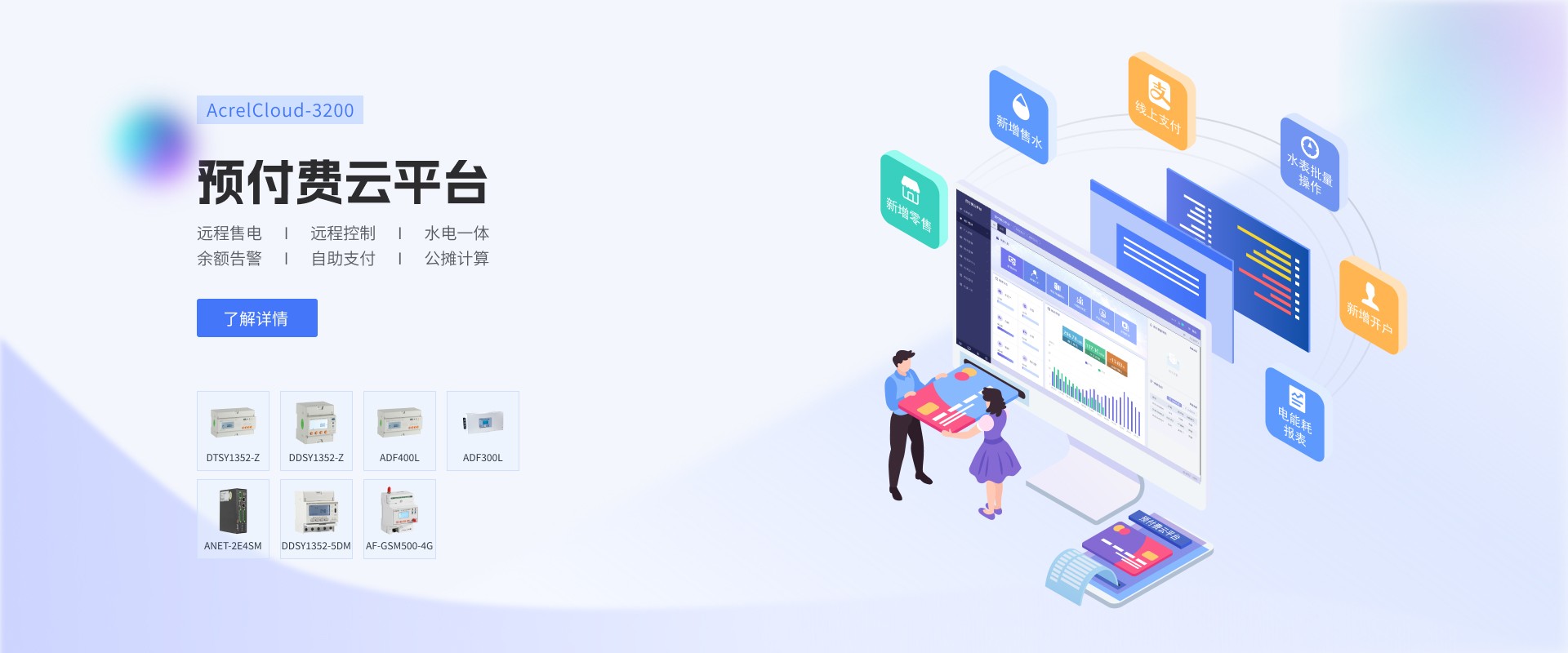
Our property rental energy billing management system is designed for tenants, supporting integrated water and electricity billing. It includes tenant management, account termination, and refund operations, and supports time-of-use and tiered electricity pricing settings, as well as power overload threshold configuration. It can integrate with payment apps for self-service payments.
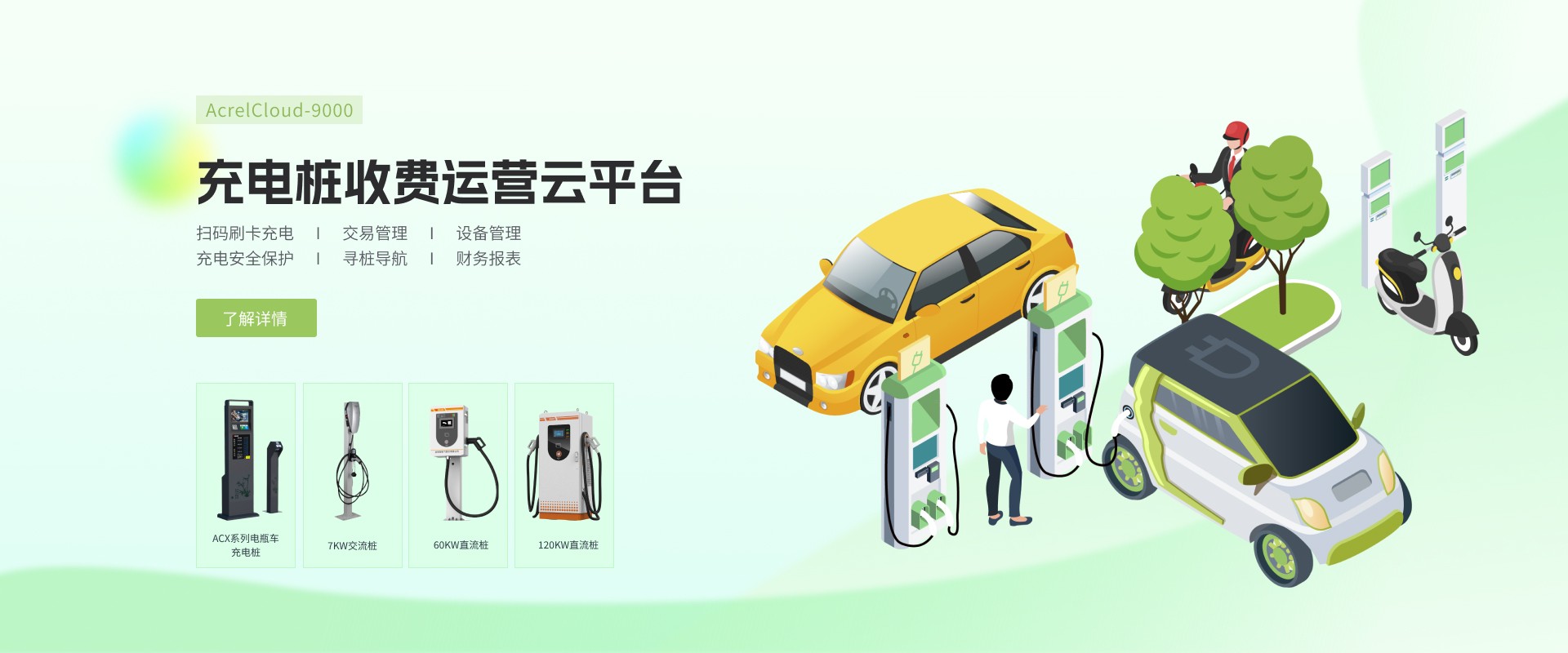
EV Charging Station Operation and Management
When managing multiple charging stations, users can self-integrate charging piles into the platform, enabling monitoring of charging pile status and scan-card payment management for charging services.During peak electricity periods, when the charging load exceeds the capacity of the power supply transformers, the system can automatically set power limitations for charging, add new charging restrictions, or introduce new energy sources to ensure the safety of energy supply.。
Lighting Control Management
The lighting equipment can be remotely controlled to turn on and off, and it can automatically adjust the lights based on light intensity, latitude and longitude, sunrise and sunset times, and time-setting strategies, thereby saving lighting energy.
Carbon Emissions Analysis
Measure users' carbon emissions and track carbon footprints, provide carbon emission inventories, conduct quota calculations and quota assessments.
4.3 Ankorri Comprehensive Smart Energy Management Perception Device
AnkoRui's Comprehensive Smart Energy Management System not only includes software but also features on-site sensors and intelligent gateways, forming a complete solution.The "Cloud-Edge-End" digital system encompasses high and low voltage distribution comprehensive protection and monitoring products, online power quality monitoring devices, power quality management, lighting control, new energy charging stations, and electrical fire safety solutions, offering one-stop service capabilities for enterprise microgrid digitalization. Some of the equipment is listed in Table 1.
For more products, please check out our WeChat Mini Program for details.AnkeRui E CITY
5 Conclusion
The integrated smart energy management system design and application provides solutions for the digital management of new energy systems, offering technical support for the connection of massive system data. AcrelEMS corporate microgrid energy efficiency management system and the Acrel-EIOT energy Internet of Things platform, in conjunction with Acrel's perception devices, offer customized energy management solutions to small, medium, and large users across various industries. They support users in digital monitoring and multi-source automatic collaborative management of energy systems, helping to enhance energy use safety and efficiency, contributing to the establishment of a stable and secure new energy system.
