
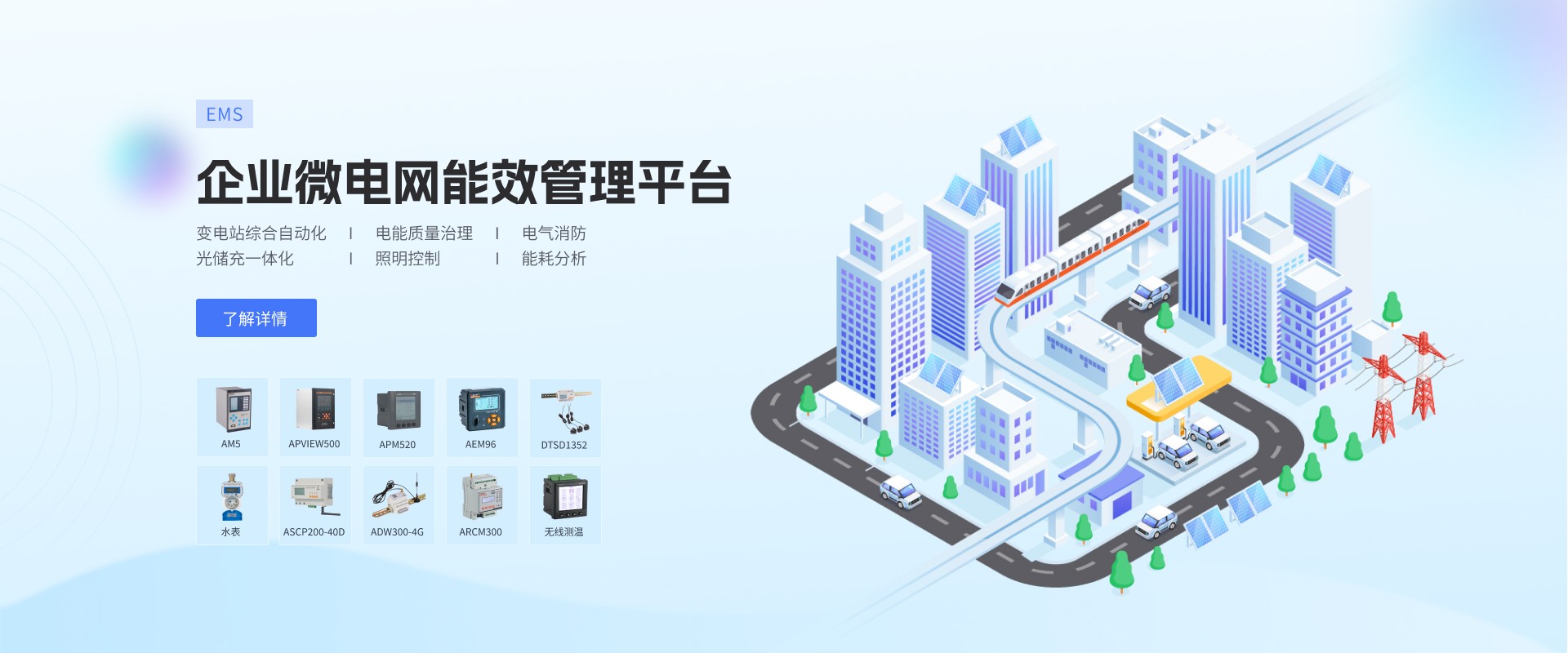

Amidst the global shift in energy structures and the response to climate change, photovoltaic energy storage systems have garnered extensive attention as a clean and efficient renewable energy solution. By converting solar energy into electricity and storing it, these systems not only reduce dependence on traditional fossil fuels but also enhance the flexibility and reliability of energy use. However, the complexity and variability of photovoltaic energy storage systems also present numerous challenges, such as imbalances in energy supply and demand, and low system efficiency. To address these issues, the EMS Energy Management System has emerged.
The EMS Energy Management System is an intelligent system that integrates advanced monitoring, control, and optimization algorithms, designed to enhance the overall efficiency and reliability of energy systems. In the photovoltaic energy storage industry, the EMS system monitors the operational status of photovoltaic power generation and energy storage equipment in real-time, optimizes energy scheduling and allocation, ensuring high efficiency under various operating conditions. Additionally, the EMS system can provide decision support through data analysis and prediction, assisting operators in better managing and maintaining photovoltaic energy storage systems.
Policy Support
Clarify the principal market position of incremental distribution networks, microgrids, and distributed power sources, which are primarily based on renewable energy consumption.
Peak carbon dioxide emissions by 2030, carbon neutrality by 2060; requires all industries to reduce energy consumption and emissions.
2. Electricity Reform
Establish a new power system with new energy as the mainstay.
Promote the participation of emerging market entities in transactions, such as energy storage, distributed generation, virtual power plants, and new energy microgrids.
Ensure National Energy Security
Market Drive
Company Needs: Safe, reliable, cost-effective power supply, and expansion capacity.
Cost Stimulus: PV Module and Energy Storage Costs Decline
What is the EMS Energy Management System?
The EMS Energy Management System is an intelligent system that integrates advanced monitoring, control, and optimization algorithms, designed to enhance the overall efficiency and reliability of energy systems. In the photovoltaic energy storage industry, the EMS system monitors the operational status of photovoltaic power generation and energy storage equipment in real-time, optimizes energy scheduling and distribution, ensuring efficient operation under various operating conditions. Additionally, the EMS system provides decision support through data analysis and forecasting, helping operators better manage and maintain photovoltaic energy storage systems.
What role does the EMS system play in photovoltaic energy storage systems?
Real-time monitoring
Data Collection: Real-time collection of operational data from photovoltaic modules, energy storage batteries, inverters, and other equipment, such as voltage, current, and power.
Status Monitoring: Monitor system operation status and promptly identify and handle anomalies.
2. Energy Management
Optimized Scheduling: Optimize photovoltaic power generation and energy storage charging/discharging strategies based on power generation forecasts, load demands, and electricity prices.
Load Management: Adjust load distribution to ensure supply and demand balance, and enhance system efficiency.
3. Predictive Analysis
Power Generation Forecasting: Predicting photovoltaic power output based on weather data to assist in scheduling planning.
Load Forecasting: Predicting future load demand to optimize energy storage charging and discharging strategies.
4. Fault Diagnosis and Alarm
Fault Detection: Automatically identifies and locates equipment malfunctions.
Alarm Function: Issues trigger an alert, notifying operations personnel to address the problem.
Data Analytics and Reporting
Data Storage: Long-term storage of operational data for subsequent analysis.
Report Generation: Generates operational reports to assist users in understanding system performance.
5. Remote Control
Remote Operation: Supports remote control of devices, such as start/stop and parameter adjustments.
Automated Control: Operations such as charging and discharging are automatically executed based on predefined strategies.
6. Economic Optimization
Energy Price Response: Adjusts energy storage charging and discharging based on electricity price fluctuations to reduce power consumption costs.
Maximizing Profits: Enhancing System Economic Returns through Optimized Scheduling.
7. Security Protection
Overcharge and Overdischarge Protection: Prevents battery overcharging or overdischarge to extend lifespan.
Electrical Protection: Offers overvoltage and overcurrent protection to ensure system safety.
What scenarios can the EMS system be applied in for photovoltaic energy storage?
The EMS Energy Management System finds broad application scenarios in the photovoltaic energy storage industry, covering multiple levels from residential users to commercial and industrial users, as well as grid operators. For residential users, the EMS system optimizes energy usage by intelligently scheduling photovoltaic power generation and storage equipment, maximizing the utilization of solar energy, reducing reliance on the grid, and lowering electricity bills. For instance, residential users can use photovoltaic power generation during the day to meet their daily electricity needs and store excess energy for use at night or on cloudy days.
In the commercial and industrial user sector, the application of the EMS system is more complex and diverse. Commercial and industrial users typically have higher energy demands and complex power usage patterns. The EMS system can ensure efficient energy use and minimize costs through real-time monitoring and optimized scheduling. For instance, factories can store electricity during off-peak electricity rates and release stored energy during peak rates, thereby reducing power costs. Additionally, the EMS system can be integrated with production plans to optimize energy consumption during the production process, enhancing overall production efficiency.
On the level of grid operators, the role of the EMS system is particularly crucial. Grid operators need to manage and schedule large-scale energy production and consumption. The EMS system can provide precise load forecasting and energy dispatching solutions through real-time data collection and analysis, ensuring the stable operation of the grid. For example, in cases of significant fluctuations in photovoltaic power generation, the EMS system can quickly adjust the charging and discharging strategies of energy storage equipment, balance the supply and demand relationship of the grid, and prevent fluctuations in grid frequency and voltage.
The Development Prospects of the EMS System in the Photovoltaic Energy Storage Industry
The EMS Energy Management System holds significant application value and development prospects in the photovoltaic energy storage industry. By enhancing energy utilization efficiency, reducing operating costs, and improving system reliability, the EMS system provides robust support for technological advancement and sustainable development in the photovoltaic energy storage sector.
