


In industrial production and construction, ventilation systems are an indispensable and vital component. As a key part of ventilation systems, spiral ducts' processing quality directly affects the overall performance and lifespan of the system. Wuhan Spiral Duct Processing Co., Ltd. invites you to delve deeper into the process, advantages, and application areas of spiral ducts processing, providing you with a more detailed understanding of spiral ducts.
One: Spiral Duct Fabrication Process
Helical duct fabrication is a method of producing ductwork using a spiral winding technique. Its main process includes steps such as material selection, pattern cutting, rolling into shape, connecting and fixing, flange manufacturing, and installation.
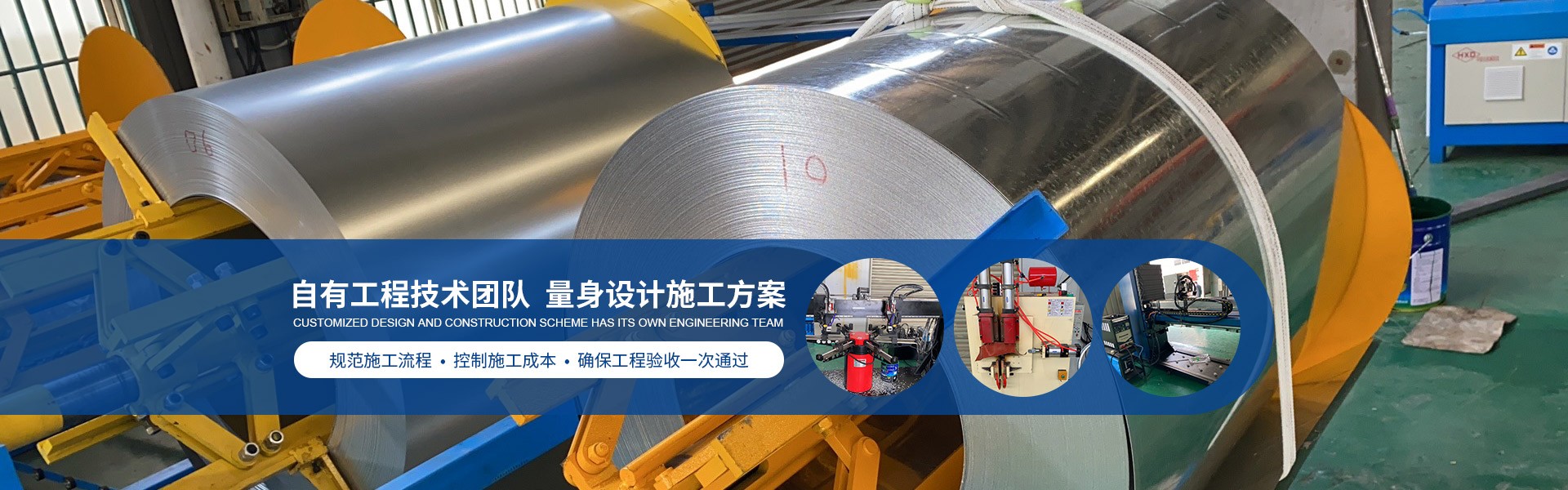
Material Selection: The primary material for spiral ducts is metal sheets, such as galvanized steel, stainless steel, and aluminum alloy plates. Choosing the appropriate material is crucial for ensuring the duct's corrosion resistance and service life.
Pattern Cutting: Based on the design drawings, the ductwork is laid out into a flat plan, followed by pattern making and material cutting. This stage requires strict control over dimensional accuracy to ensure the quality of the ductwork.
The Coiling Process: Cut sheets are fed into the spiral wind tube machine for coiling. During the coiling process, the sheets undergo rolling, extrusion, and stretching, ultimately forming spiral wind tubes.
Fastening Connections: Spiral ducts require connection and fastening with fittings. Common connection methods include flange connections, plug connections, and beaded connections, etc.
Flange Fabrication and Installation: For ducts that need to be connected to other pipes or equipment, flanges must be fabricated and installed at both ends of the duct. The quality of flange fabrication and installation directly impacts the sealing performance and stability of the duct.
Advantages of Spiral Duct Fabrication
High processing efficiency: Spiral duct processing utilizes a fully automated production line, ensuring rapid and efficient production to meet the demands of large-scale manufacturing.
Quality Stability: Throughout the spiral duct manufacturing process, each stage is subject to stringent process requirements and quality control measures, ensuring the stability and consistency of the duct quality.
Adaptability: Spiral ducts can be customized to meet specific needs, catering to ventilation requirements in various scenarios. Additionally, spiral ducts possess strong deformation resistance, making them suitable for various complex environments.
Economic benefits: Compared to traditional ductwork, spiral ducts offer advantages such as light weight, reduced material consumption, and easy installation, which can lower engineering costs and operational and maintenance expenses.
Section 3: Application Fields of Spiral Duct
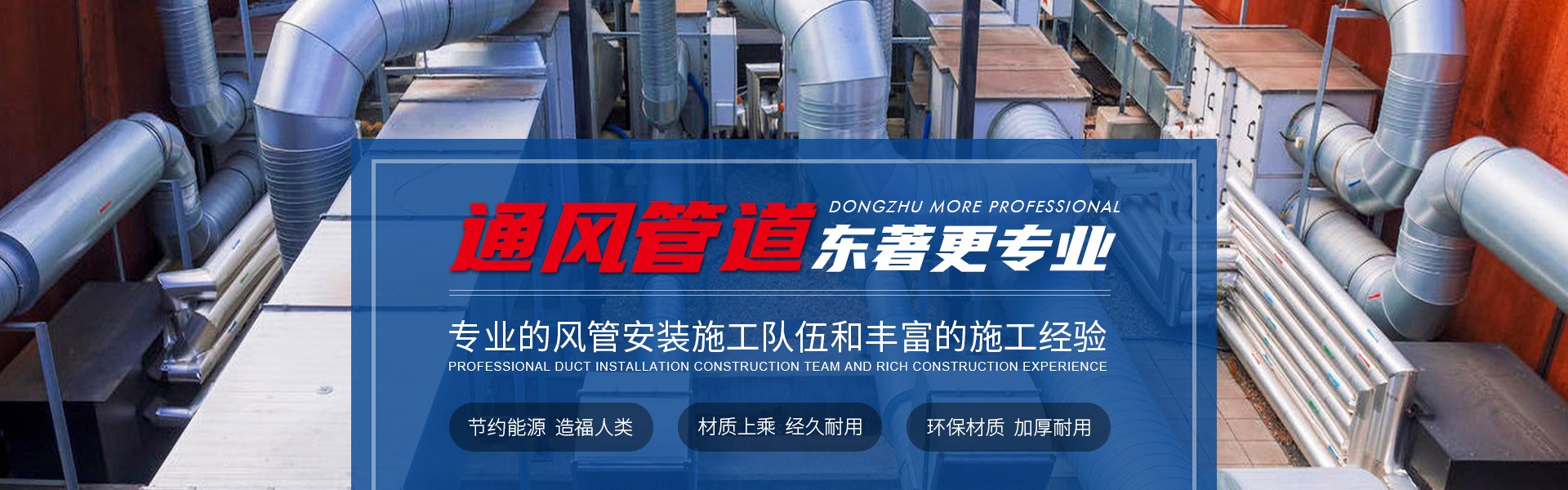
Spiral ducts are widely used in ventilation, exhaust, and dust removal projects in factory workshops, shopping malls, hotels, office buildings, airports, and train stations. With the advancement of technology and the increasing awareness of environmental protection, the application prospects of spiral ducts in more fields will be even broader.
In summary, spiral duct fabrication, as an advanced ventilation pipeline manufacturing technology, is increasingly becoming the mainstream choice for ventilation systems due to its unique advantages and wide range of applications. We hope this article provides you with a deeper understanding of spiral ducts.
