
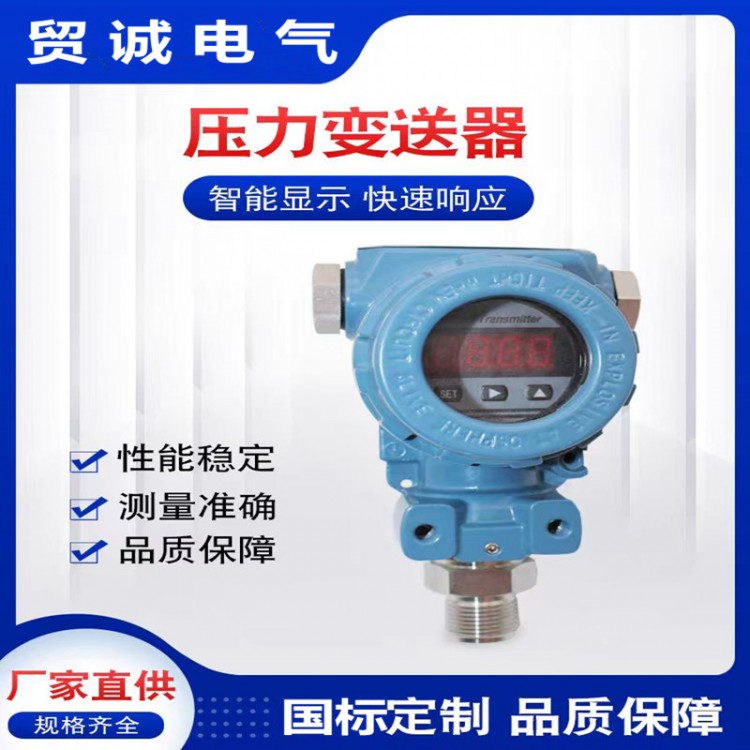
 Transmitter with Remote Transmission, Model 3351DP/GP Vacuum Pressure Sensor
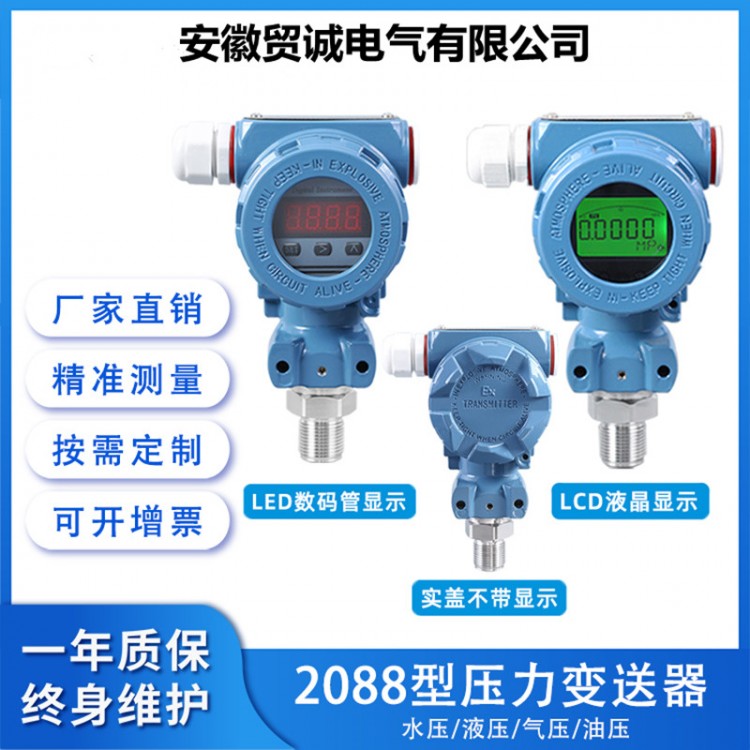 Diffused Silicon Transmitter 2088 Smart Differential Pressure Transmitter, 0-6 MPa High Temperature Explosion-Proof with Display
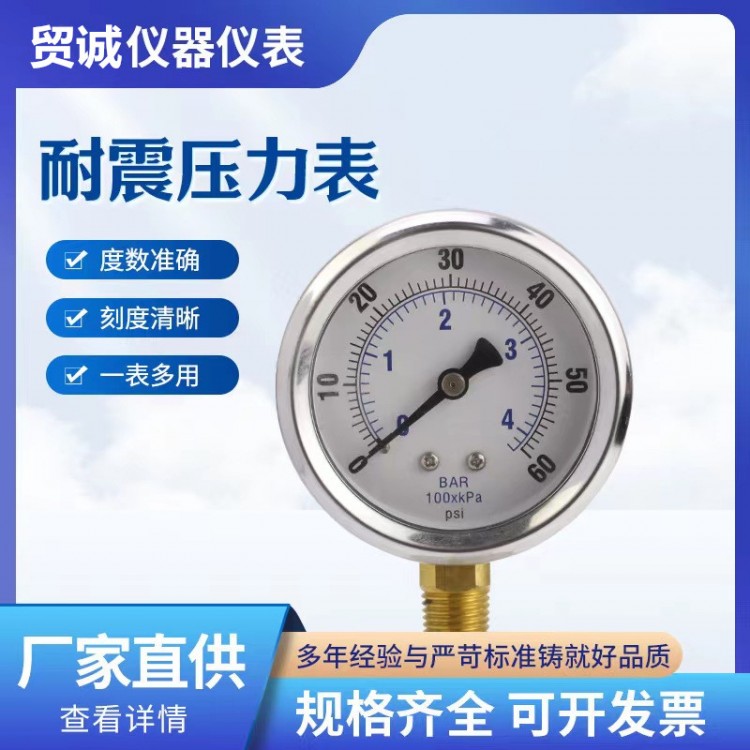 YN-60/YN-100/ZT General Type Vibration-Resistant Pressure Gauges
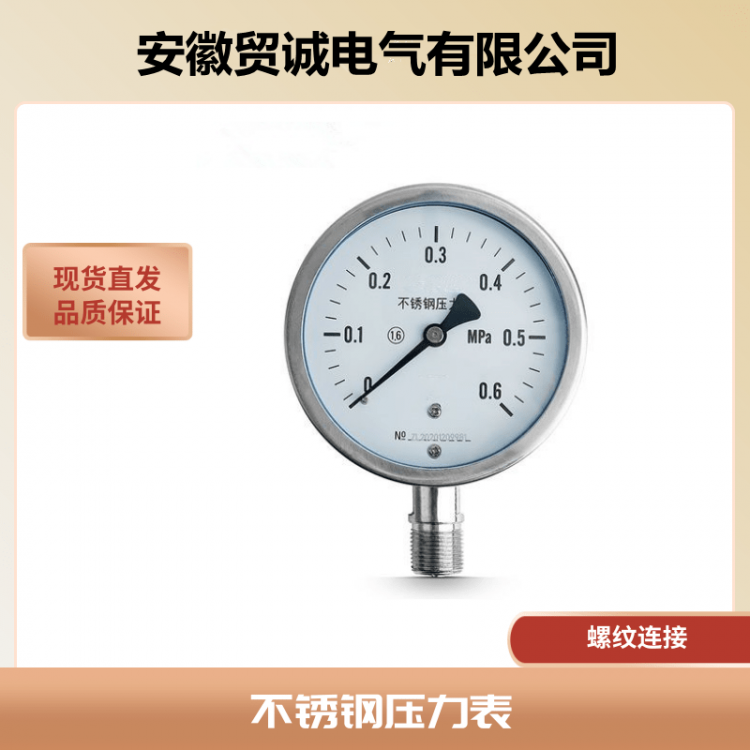 YXC-100 Magnetic-Assisted Electrical Contact Pressure Gauge, Negative Pressure Vacuum Gauge
Product Details




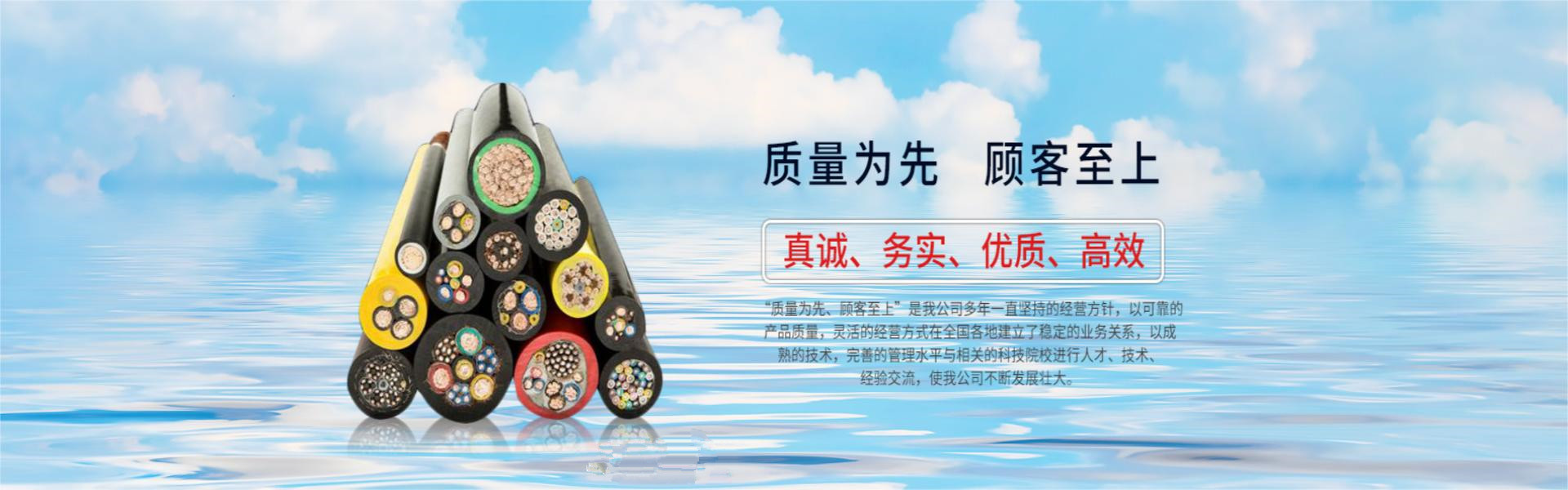
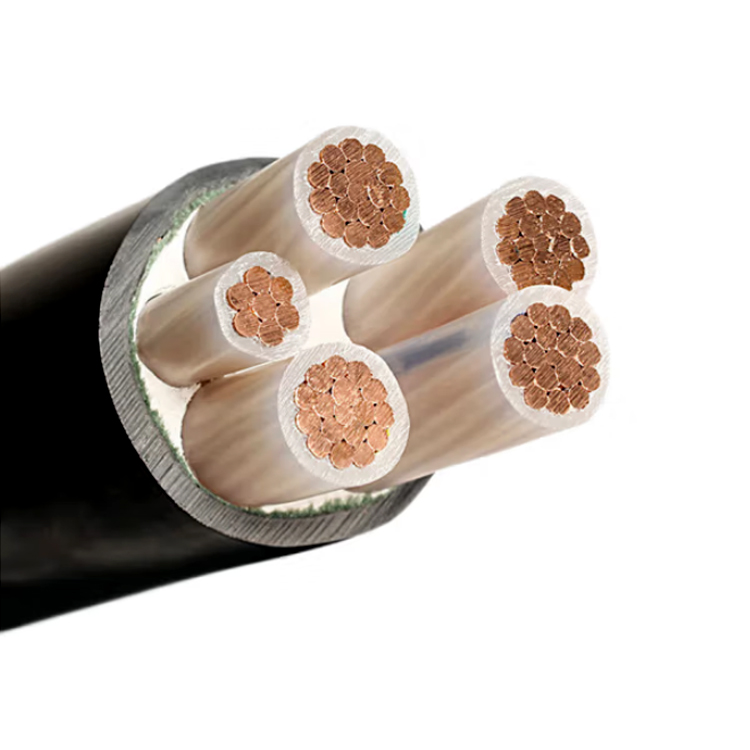

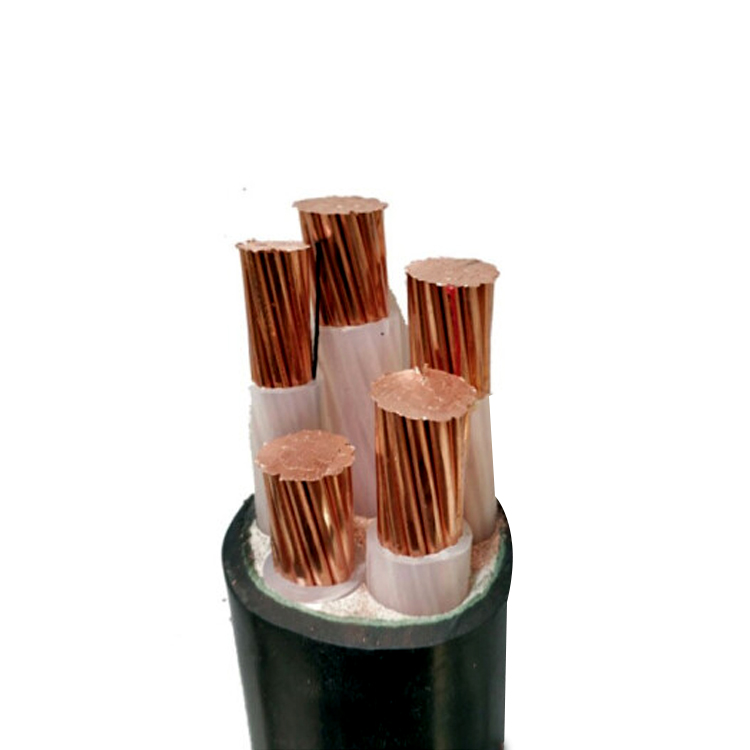
产品Price 6.80/Rice
最小起订Quantity:100 Rice 供货总Quantity: 1000 Rice


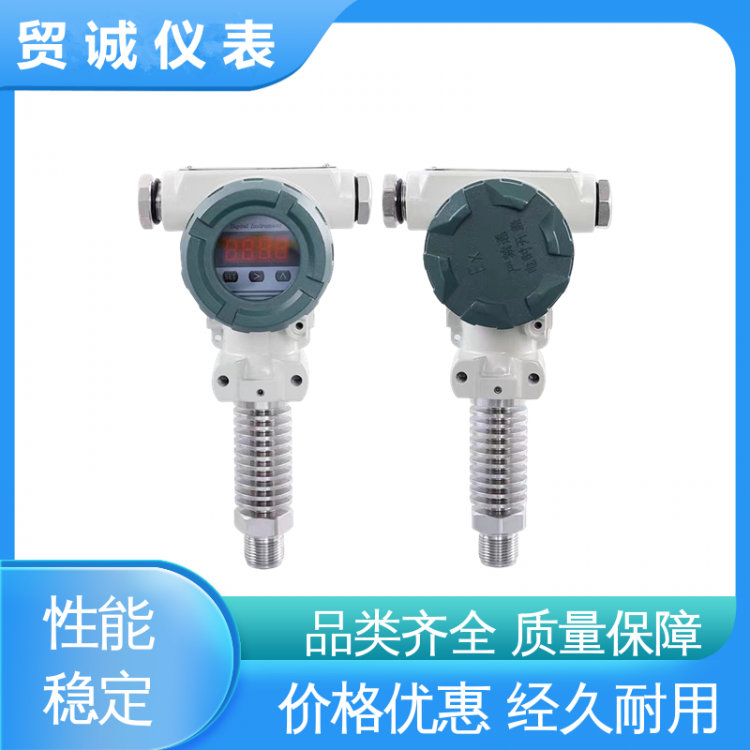
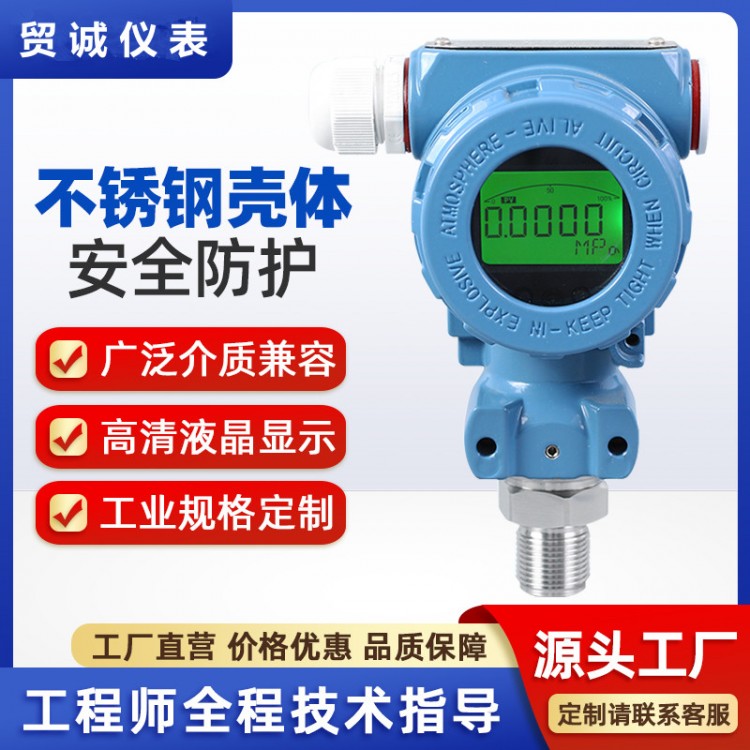 Maocheng Instrument Pressure (including Negative Pressure) Transmitter 3351GP High-Precision Instrument
¥1060.00
Maocheng Instrument Pressure (including Negative Pressure) Transmitter 3351GP High-Precision Instrument
¥1060.00
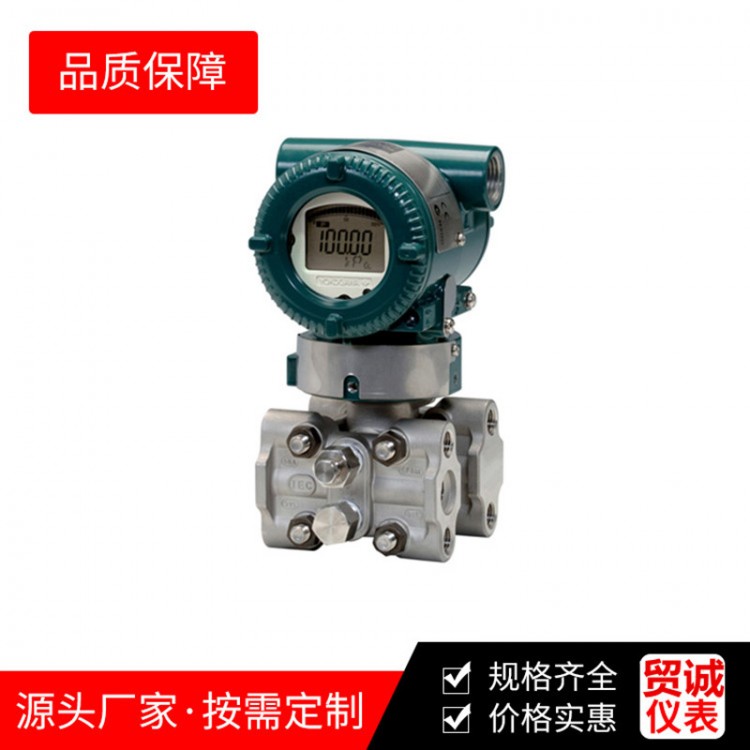
 3051 Pressure Transmitter with Hart Protocol Local Display High Precision Sensor
¥1120.00
3051 Pressure Transmitter with Hart Protocol Local Display High Precision Sensor
¥1120.00
 High-Temperature Pressure Transmitter 3051H Digital Display Explosion-Proof 4-20mA Pressure Sensor
¥1380.00
High-Temperature Pressure Transmitter 3051H Digital Display Explosion-Proof 4-20mA Pressure Sensor
¥1380.00
Variable frequency cables generally employ a total shielding structure, primarily using combinations of copper tape shielding, copper strip shielding, and copper wire braid shielding, with the cross-sectional area of the shielding layer being proportionate to that of the core. This design allows the variable frequency cable to have good resistance to electromagnetic induction, can counteract interference from power transmission signals, and can reduce inductance to a certain extent, thereby avoiding excessive induced electromotive force. This shielding layer also serves to suppress the emission of electromagnetic waves, providing protection for the core. Generally, standard cables lack such a functional shielding layer, making them less resistant to interference. Variable frequency cables add capacitor and inductor functional requirements to the general cables, allowing for electrical function planning based on actual usage needs. This makes the cable more tailored to the application conditions and eliminates some interfering factors. The selection of variable frequency cable with a symmetrical structure generally involves using three insulated cores. These cores are then wrapped with copper tape and braided into a cable. In contrast, variable frequency cables are made by wrapping the cores with copper wire into phase sleeves before forming the symmetrical cable. This results in better interchangeability, electromagnetic compatibility, and stronger anti-interference capabilities.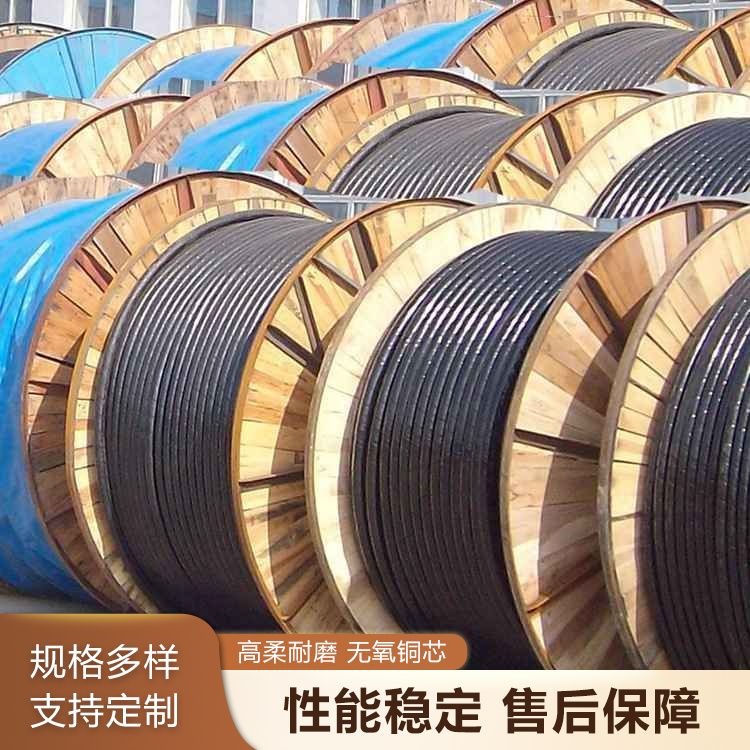

Phone Consultation
QQ Service