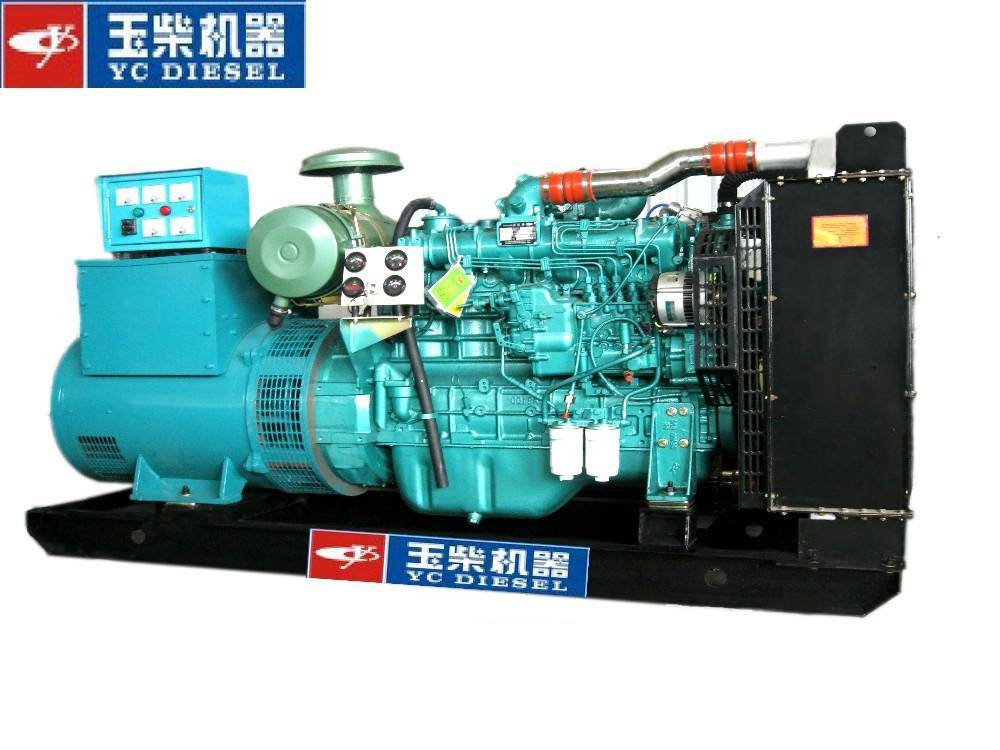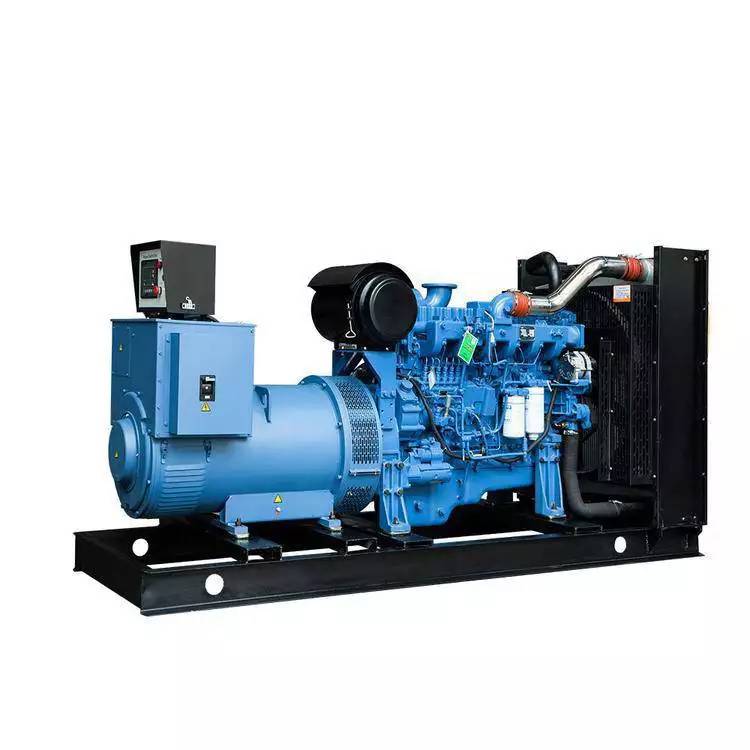
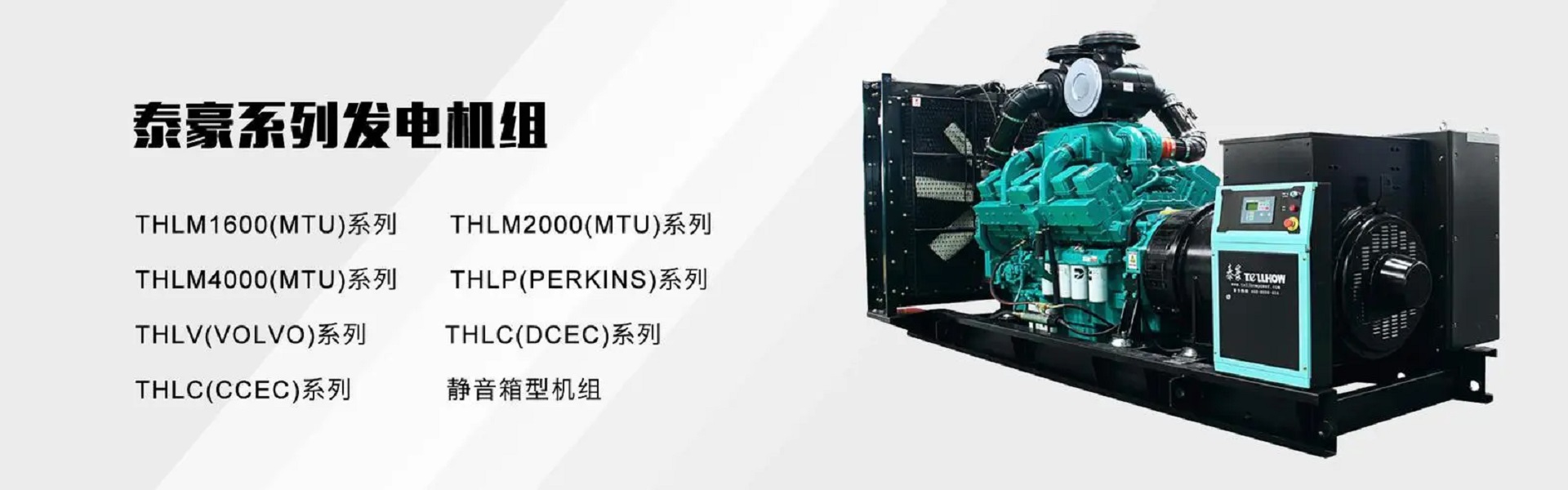
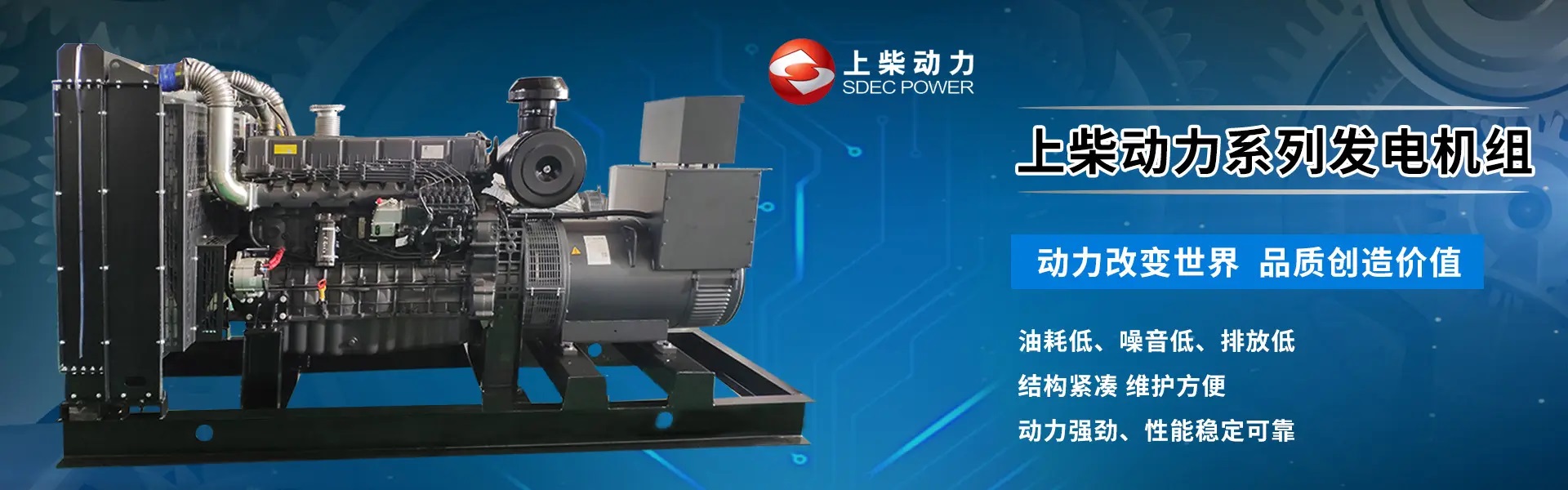


Yuchai diesel generators are produced by Yuchai Machinery Co., Ltd.YC4, YC6 diesel generators are paired with domestic Zhengchi brand generators to create distinctive diesel generator sets. These sets boast compact structure, small size, large power reserve, stable operation, excellent speed regulation, and high reliability. The power range is 30-1650KW, suitable for industrial and mining enterprises, postal and telecommunications, shopping malls, hotels, government agencies, schools, and high-rise buildings as conventional power sources or backup emergency power sources.
Reasons for choosing Yuchai Engine:
1. Structure:
Yuchai diesel generators feature an alloy material concave-convex body with side curved stiffeners to enhance the rigidity and vibration absorption. The added mounting bracket in the middle of the body ensures more reliable overall installation.
(2) The engine is equipped with an internal oil gallery, which, along with continuous oil injection onto the piston via nozzles, effectively reduces the thermal load of the diesel engine.
(3) Optimized design of the crankshaft assembly with a new silicone oil torsional vibration damper for smoother diesel engine operation.
(4) Diesel engine equipped with a monitoring system and an emergency stop device. It can automatically alarm and stop the engine in emergencies for water temperature, oil temperature, oil pressure, and overspeed.
2. Performance Features:
Yuchai diesel generator performance advantages: Low fuel consumption; fuel consumption of 198g/kW•h. Reasonable air and fuel system matching broadens the operating range of the diesel engine, ensuring low fuel consumption under common working conditions.
3. Service Advantages:
Domestic coverage spans every 50 kilometers with service outlets, while internationally, there are over 30 service outlets, filling the gap in the export of domestic branded machines (high, medium, and low power) abroad and providing a robust service system.
Genset Model | Prime Power | Standby power | Engine | Control Governor | Max.Power | Cylinders/ | Bore*Stroke | Fuel Consumption | Lub.oil Cap | Open Dimensions | Wight | |
KVA/KW | KVA/KW | KW | MM | L/H | L | MM | KGS | |||||
50HZ, | GF20YC | 25/20 | 30/24 | YC4FA40Z-D20 | E | 30.8 | 4/L | 96*103 | 205 | 12 | 1800*650*1000 | 720 |
GF30YC | 37.5/30 | 40/32 | YC4FA55Z-D20 | E | 40.5 | 4/L | 96*103 | 205 | 12 | 1860*700*1050 | 760 | |
GF34YC | 42.5/34 | 46/37 | YC4D60-D21 | M/E | 44 | 4/L | 108*115 | 205 | 12 | 1860*700*1050 | 1160 | |
GF40YC | 50/40 | 56.25/45 | YC4FA75L-D20 | E | 55 | 4/L | 96*103 | 205 | 12 | 1860*700*1050 | 865 | |
GF45YC | 56.25/45 | 62.5/50 | YC4D85Z-D20 | M/E | 60.5 | 4/L | 108*115 | 200 | 13 | 1950*700*1100 | 1215 | |
GF50YC | 62.5/50 | 68.7/55 | YC4D90Z-D21 | M/E | 66 | 4/L | 108*115 | 200 | 13 | 1950*700*1100 | 1250 | |
GF60YC | 75/60 | 80/64 | YC4A100Z-D20 | M/E | 73 | 6/L | 108*132 | 205 | 17 | 2200*800*1250 | 1350 | |
GF80YC | 100/80 | 112.5/90 | YC6B135Z-D20 | M/E | 99 | 6/L | 108*125 | 205 | 17 | 2200*800*1250 | 1350 | |
GF90YC | 112.5/90 | 125/100 | YC6B155L-D21 | M/E | 113 | 6/L | 108*125 | 200 | 17 | 2225*800*1320 | 1385 | |
GF100YC | 125/100 | 150/120 | YC6B180L-D20 | M/E | 132 | 6/L | 108*125 | 200 | 17 | 2340*800*1320 | 1485 | |
GF120YC | 150/120 | 162.5/130 | YC6B205L-D20 | E | 152 | 6/L | 108*125 | 200 | 17 | 2400*800*1320 | 1680 | |
GF140YC | 175/140 | 187.5/150 | YC6A230L-D20 | M/E | 170 | 6/L | 108*132 | 192 | 22 | 2460*850*1360 | 1980 | |
GF150YC | 187.5/150 | 206/165 | YC6A245L-D20 | E | 181.5 | 6/L | 112*132 | 192 | 25 | 2520*100*1310 | 2085 | |
GF160YC | 200/160 | 220/176 | YC6MK285L-D20 | M/E | 211.5 | 6/L | 123*145 | 197 | 28 | 2950*1050*1665 | 2200 | |
GF200YC | 250/200 | 275/220 | YC6MK350L-D20 | M/E | 258.5 | 6/L | 123*145 | 197 | 28 | 2950*1050*1665 | 2250 | |
GF250YC | 312.5/250 | 343/275 | YC6MK420L-D20 | E | 3.9 | 6/L | 123*145 | 195 | 28 | 3000*1140*1475 | 2310 | |
GF300YC | 375/300 | 400/320 | YC6MJ480L-D20 | E | 352 | 6/L | 131*145 | 195 | 28 | 3100*1150*1540 | 2550 | |
GF320YC | 400/320 | 437.5/350 | YC6K520L-D20 | E | 382 | 6/L | 145*165 | 195 | 28 | 3335*1260*1600 | 2800 | |
GF350YC | 437.5/350 | 480/385 | YC6K570L-D21 | E | 420 | 6/L | 145*165 | 195 | 28 | 3350*1260*1600 | 2900 | |
GF360YC | 450/360 | 500/400 | YC6T600L-D22 | E | 441 | 6/L | 145*165 | 195 | 52 | 3500*1500*1875 | 3500 | |
GF400YC | 500/400 | 550/440 | YC6T660L-D20 | E | 485 | 6/L | 145*165 | 195 | 52 | 3500*1500*1815 | 3900 | |
GF420YC | 525/420 | 578/462 | YC6T700L-D20 | E | 515 | 6/L | 145*165 | 195 | 52 | 3500*1500*1815 | 4000 | |
GF450YC | 562.5/450 | 625/500 | YC6TD780L-D20 | ECM | 572 | 6/L | 152*180 | 195 | 52 | 3600*1500*1900 | 4100 | |
GF500YC | 625/500 | 687.5/550 | YC6TD840L-D20 | ECM | 616 | 6/L | 152*180 | 195 | 52 | 3600*1500*2000 | 4200 | |
GF550YC | 687.5/550 | 756/605 | YC6TD900L-D31 | ECM | 665 | 6/L | 152*180 | 195 | 52 | 3600*1500*2000 | 4300 | |
GF600YC | 750/600 | 825/660 | YC6C1020L-D20 | E | 748 | 6/L | 200*210 | 195 | 180 | 4000*1500*2100 | 5500 | |
GF640YC | 800/640 | 880/704 | YC6C1070L-D20 | E | 787 | 6/L | 200*210 | 195 | 180 | 4200*1650*2100 | 5800 | |
GF728YC | 910/728 | 1000/800 | YC6C1220L-D20 | ECM | 897 | 6/L | 200*210 | 195 | 180 | 4300*1750*2200 | 6100 | |
GF800YC | 1000/800 | 1100/880 | YC6C1320L-D20 | ECM | 968 | 6/L | 200*210 | 195 | 180 | 4800*1800*2300 | 7000 | |
GF900YC | 1125/900 | 1250/1000 | YC6C1520L-D31 | ECM | 1118 | 6/L | 200*210 | 195 | 180 | 5000*1900*2400 | 7500 | |
GF1000YC | 1250/1000 | 1375/1100 | YC12VC1680L-D20 | ECM | 1230 | 12/V | 200*210 | 195 | 180 | 5200*2000*2500 | 9000 | |
GF1200YC | 1500/1200 | 1650/1320 | YC12VC2070L-D20 | ECM | 1520 | 12/V | 200*210 | 195 | 180 | 5300*2080*2500 | 10000 | |
GF1320YC | 1650/1320 | 1815/1452 | YC12VC2270L-D20 | ECM | 1670 | 12/V | 200*210 | 195 | 180 | 5600*2280*2600 | 12000 | |
GF1500YC | 1875/1500 | 2062/1650 | YC12VC2510L-D20 | ECM | 1850 | 12/V | 200*210 | 195 | 180 | 5600*2280*2600 | 12500 | |
Generator set selection
With the rapid development of science and technology and the enhanced environmental awareness among the public, the increasing demand for functionality and the variability of application conditions have endowed traditional diesel generator sets and their accessories (hereinafter referred to as "sets") with high-tech and environmentally friendly connotations in modern times. This selection specification aims to provide a comprehensive solution for the selection and use of modern sets, seeking to achieve a balance between performance and price, high reliability in operation, and environmental protection. The main features of the sets include a full range of integrated control functions, which have evolved from the traditional control of separate components with simple functions to a modular, highly integrated control utilizing advanced high-tech achievements. On one hand, it enhances control functions such as protection for the sets, display of operating parameters, historical records, remote computer monitoring, and optimized load management; on the other hand, it achieves less contact or even contactless control, improving operational reliability. Environmental-friendly low-noise operation can be achieved by adding soundproof enclosures or noise reduction devices in the machine room. Exhaust gas purifiers can be added as needed to achieve cleaner emissions. Rapid mobility emergency power supply is provided by mobile power stations mounted on vehicles, which can meet the needs for quick mobility. Standard sets are widely used in general installations within machine rooms. The sets are mainly composed of diesel engines, generators, control systems, bases, vibration reduction devices, cooling systems, fuel supply systems, and output protection switches. Silent-type sets are used in outdoor locations with special noise requirements. They are mainly composed of standard sets, silent protective enclosures, and exhaust systems. Sets for special purposes can be equipped with trailers or customized mobile power generation vehicles, etc.
Power matching and on-site application conditions for power correction are the core content of equipment selection. The principle is to meet the usage requirements with minimal investment. Firstly, it is essential to clearly understand the definitions of various power types, analyze the operational characteristics of the equipment unit, and determine the power conditions. Then, based on the on-site conditions of the equipment unit and the characteristics of the load, calculate, correct, and determine the required output power of the equipment unit.ISO 8528-1:1993 and GB/T 2820.1-1997 specify the use, ratings, and performance of AC generator sets. This standard categorizes the output power of AC generator sets into three types: Limited Time Performance (LTP), Prime Power (PRP), and Continuous Power (COP). Additionally, the standard outlines the field conditions for operation: field conditions are determined by the user. In the absence of known field conditions or specific provisions, the following rated field conditions should be applied: Atmospheric Pressure: 89.9 kPa (or altitude of 1000m) Ambient Temperature: 313 K (40°C) Relative Humidity: 60% Field Conditions for ISO Power: Atmospheric Pressure: 100 kPa (or altitude of 300m) Ambient Temperature: 298 K (25°C) Relative Humidity: 30%
Continuous power refers to the power within a constant power sequence, where the operating hours per year are unrestricted between specified maintenance cycles and under specified environmental conditions, equivalent to the Continuous Power (COP) defined in national and ISO standards. It is generally applicable to continuous operating conditions with minimal load changes, such as power stations or grid-connected systems.
Power within a variable power sequence, which may run for an unrestricted number of hours annually under specified maintenance cycles and environmental conditions, equivalent to the Basic Power (PRP) as defined in national and ISO standards. Generally applicable to industrial and mining loads with minimal load variations and frequent operation.
3 standby power generators can operate continuously for 300 hours between scheduled maintenance cycles and under specified environmental conditions, with an additional 500 working hours of power per year. This is equivalent to the Limited Time Power (LTP) as defined in national and ISO standards. Generally suitable for emergency conditions with frequent load changes in communication and building applications.
When selecting generator sets, what aspects should we consider? Firstly, a high-quality product is crucial. Secondly, different power ratings and models of generators should be used in suitable environments to achieve the effective power generation of the generator.
Due to the actual output power of generators, pumps, and motors being affected by factors such as altitude, temperature, and environmental humidity. As altitude, temperature, and environmental humidity increase, the power output of generators will decrease by varying proportions. Please take this into account when calculating the generator's operating power and proceed with the purchase to avoid insufficient power usage.
Similarly, due to the varying types of appliances, the starting current can differ greatly, leading to different power requirements for generators. Therefore, when selecting products, users should first calculate the size of high-power generators needed for normal operation. Refer to the following specifics:
① Resistive appliances (such as lamps, electric stoves) have a power ratio of 1:1.
② Power ratio of inductive electrical appliances (such as tubes) is 1:2.
③ Power ratio of electric tools and electric fans is 1:3 (e.g., angle grinders).
④ Air compressor, woodworking planer, machine tool, milking machine power ratio is 1:4 (e.g., a 1KW air compressor requires a 4KW generator).
Certainly, generators, pumps, and power sources must also follow certain operational procedures when in use. For instance, engine oil should be filled to the correct level. For machines without an oil level indicator, fill until oil starts to leak out (when the machine is lying flat). For machines with an oil level indicator, fill the oil strictly according to the instructions provided. Overfilling the engine oil can cause black smoke and out-of-control operation, while underfilling can lead to engine seizure. Do not add engine oil to the oil tank while the machine is running to avoid danger. Similarly, do not add fuel to the oil tank while the machine is running to prevent the machine from catching fire and being damaged. Change the engine oil after the first continuous use of 20 hours or after 1 month of storage to prevent excessive wear. Subsequently, change the engine oil after every 100 hours of continuous use or after 3 months of storage (as per the machine's user manual). When the temperature is below 0°C, diesel engines must use diesel oil with a grade corresponding to the ambient temperature of the equipment. Otherwise, diesel can wax up, preventing the generator from starting normally. Similarly, engine oil must be of a type that corresponds to the ambient temperature of the equipment when the temperature is below 0°C to prevent damage to the generator's power source. Operators must carefully read the user manual before use and must perform checks as required by the manual.