
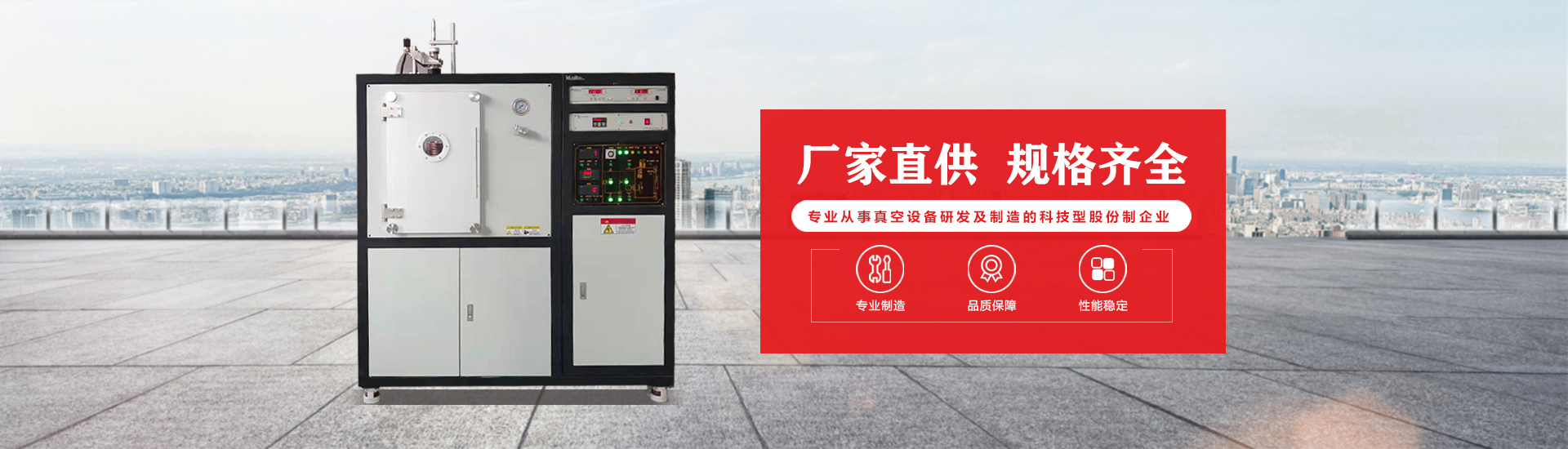


Vacuum sintering furnaces often encounter the following malfunctions during operation (must be handled by the corresponding technical staff):
Electrical Fault: Abnormal temperatures, including temperatures too high or too low as indicated. Methods to eliminate faults caused by high temperatures: 1. First, check if the working area temperature controller parameters are normal and refer to other operating normal temperature controllers to check all parameters. 2. According to the circuit diagram, inspect if the output of the corresponding working area solid-state relay is damaged. This method involves, after shutting off power, measuring the resistance between the two output points of the solid-state relay with a multimeter in the resistance range. Normally, the resistance should reach several megohms or more. If it is faulty, there will be almost no resistance, and a new one of the same type must be replaced. 3. While the power is on, manually shake the thermocouple probe of the corresponding working area to see if the thermostat has significant fluctuations. If this occurs, it indicates poor contact with the thermocouple probe and a replacement is needed.
Temperature too low, unable to reach the set value. 1. Similarly, first check if the working area temperature controller parameters are normal and if there is an output signal. 2. Inspect if the thermocouples in the corresponding working area are damaged. To verify the condition of these thermocouples, swap them with thermocouples from a normal thermostat and connect them to the thermostat to observe the temperature display. If the thermocouples are damaged, they must be replaced. (Note: If the replaced thermocouple is indoors, in addition to detailed instructions, it will also involve the vacuum sealing performance.) 3. If the thermostat and thermocouples are normal, it is necessary to test if the heating tube is working properly. Method: After powering on, start heating. According to the circuit diagram, use a multimeter to directly test the conductors connected to the heating tube in the corresponding working area (white high-temperature wire on the solid output), to see if there is electricity. If electricity is present, use a clamp meter to measure the current and the difference between other working areas. Normally, the difference should not be significant. 4. If there is no electricity, check the circuit one by one according to the circuit diagram to see where the power is cut off and if any components are burned out?
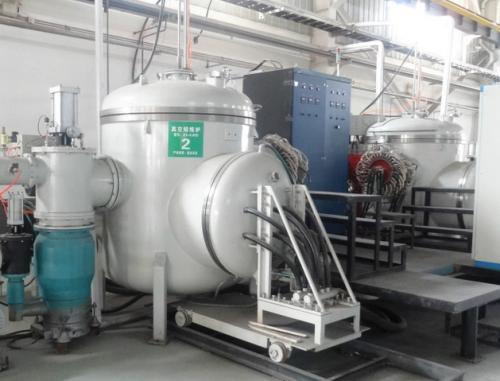
Vacuum Anomaly: Unable to evacuate vacuum or insufficient vacuum level. 1. Firstly, confirm that the factory vacuum source is functioning properly (-95kPa or above) and that the compressed air pressure is within the normal range (0.4-0.6Mpa). 2. Check if the vacuum gauge is intact. Compare it with a normal gauge to ensure the parameters are correct. 3. Inspect if the door is closed, if the sealing membrane is damaged or deformed, and if there are any foreign objects on the door panel? Please check carefully! 4. If the door is not the issue, inspect the pipes, pneumatic valves, and thermocouples in the corresponding work area. It is usually more common at the thermocouple inlet, as replacing a thermocouple often affects the vacuum sealing performance, and must be resealed with AB adhesive.
1. Mechanical Structure Fault 1: The door is not fully closed. Check if the door hinges are loose, if the latches are deformed, if the door seal is damaged, or if the door panel is warped. 2. There is an unusual sound from the fan. Please carefully inspect for any foreign objects entering the fan blades or if the screws securing the motor are loose. 3. The pneumatic valve is not functioning. First, check if the corresponding solenoid valve is working properly and if the compressed air pressure meets the operational requirements. If the air pressure is normal and the solenoid valve is in good condition, it must be that the pneumatic valve itself is damaged and needs to be replaced.
