
公司主营:Tailor-Made Wastewater Treatment Solutions
15673122666


Product Center
Company Qualification
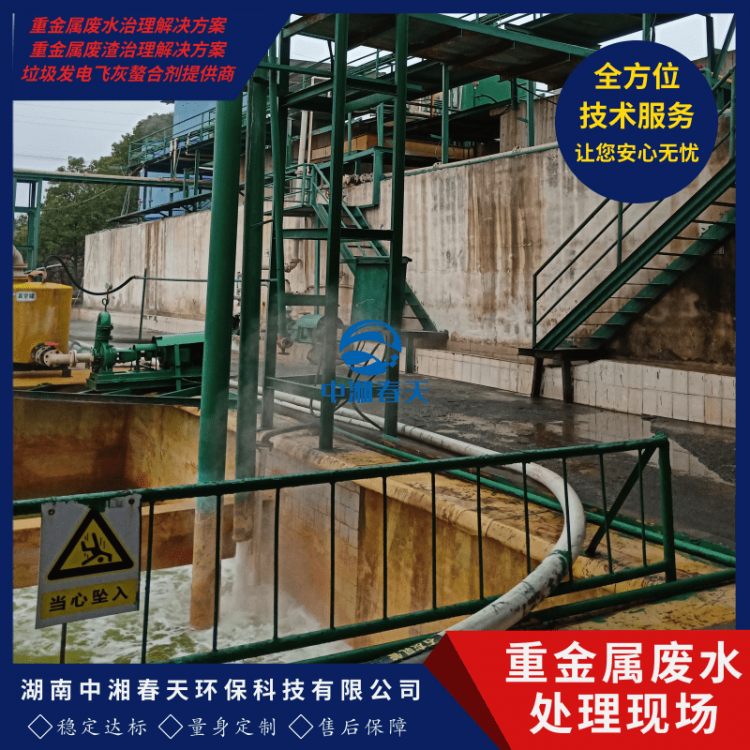
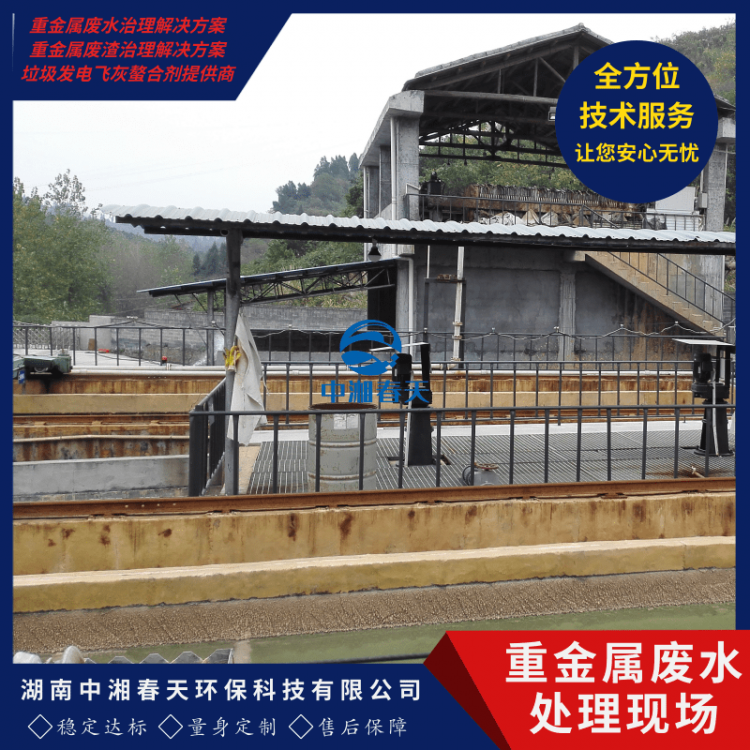
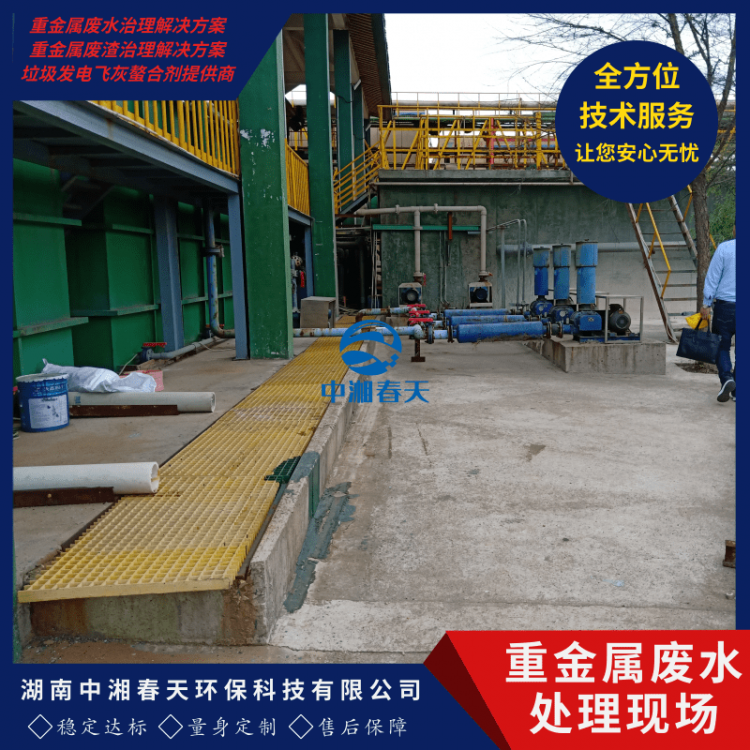
Heavy Metal Wastewater Treatment, Wastewater Treatment
Details Introduction
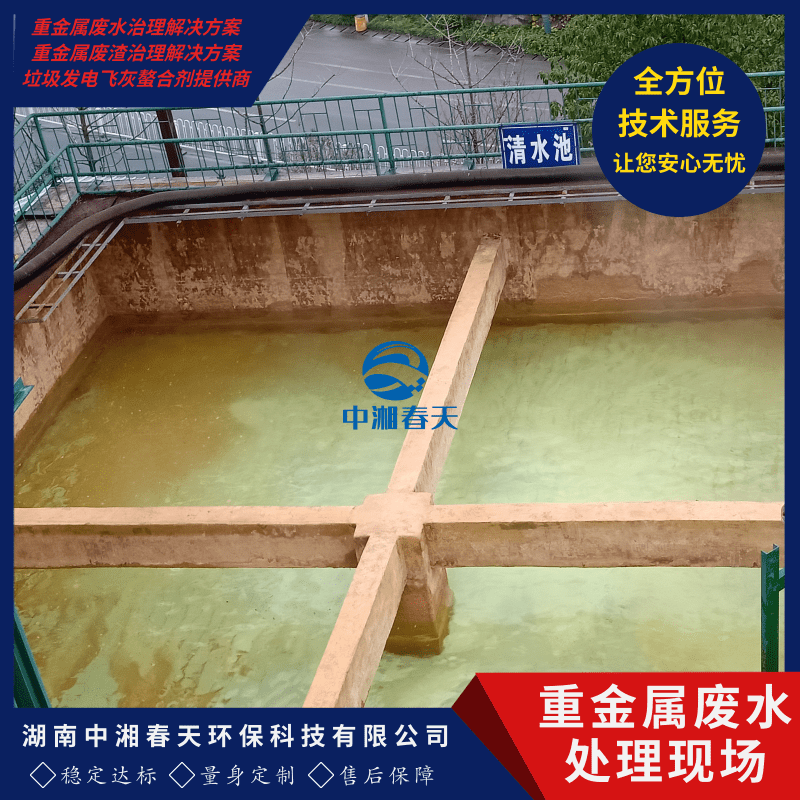
Methods for heavy metal wastewater treatment can be broadly categorized into three main types: (1) Chemical Method; (2) Physical Treatment Method; (3) Biological Treatment Method.
Section 1: Chemical Method
Chemical methods primarily include chemical precipitation and electrolysis, mainly suitable for the treatment of wastewater containing high concentrations of heavy metal ions. Chemical methods are currently the main approach for treating heavy metal-containing wastewater both domestically and internationally.
1.1 Chemical Sedimentation Method
The principle of chemical precipitation involves converting dissolved heavy metals in wastewater into water-insoluble heavy metal compounds through chemical reactions, then removing the precipitate from the solution through filtration and separation, including neutralization precipitation, sulfide precipitation, and ferric oxide coprecipitation methods. Due to the influence of precipitants and environmental conditions, the concentration of the effluent often does not meet the requirements and further treatment is needed. The precipitated materials must be properly handled and disposed of to prevent secondary pollution.
1.2 Electrolytic Process
Electrolysis utilizes the electrochemical properties of metals, allowing metal ions to be separated from solutions of relatively high concentration during the electrolysis process, and then utilized. This method is primarily used for treating electroplating wastewater, but its drawback is that the concentration of heavy metal ions in the water cannot be reduced significantly. Therefore, electrolysis is not suitable for treating wastewater with low concentrations of heavy metal ions.
Physical Treatment Method
Physical processing methods mainly include solvent extraction separation, ion exchange, membrane separation technology, and adsorption methods.
Section 2: Solvent Extraction Separation
Solvent extraction is a commonly used method for separating and purifying substances. Due to the liquid-liquid contact, it can be operated continuously with good separation results. When using this method, it is important to choose an extractant with high selectivity. Heavy metals in wastewater generally exist in the form of cations or anions, such as in acidic conditions, where they form complexes with the extractant and are extracted from the aqueous phase to the organic phase. Then, under alkaline conditions, they are back-extracted to the aqueous phase, regenerating the solvent for recycling. This requires attention to the acidity of the aqueous phase during extraction operations. Although the extraction method has significant advantages, the loss of solvents during the extraction process and the high energy consumption in the regeneration process limit its application, greatly restricting its use.
2.2 Ion Exchange Method
Ion exchange is a method where heavy metal ions are exchanged with ion exchange agents to remove heavy metal ions from wastewater. Common ion exchange agents include cation exchange resins, anion exchange resins, and chelating resins. Over the years, scholars both domestically and internationally have conducted extensive research on the development of ion exchange agents. With the continuous emergence of ion exchange agents, the ion exchange method is increasingly demonstrating its advantages in deep treatment of electroplating wastewater and the recovery of high-valued metal salts. Ion exchange is a crucial method for electroplating wastewater treatment, featuring large treatment capacity, high effluent water quality, and the ability to recover heavy metal resources without causing secondary pollution to the environment. However, ion exchange agents are prone to oxidation and failure, requiring frequent regeneration and incurring high operational costs.
2.3 Membrane Separation Technology
Membrane separation technology is a method that separates or concentrates solvents and solutes by using a special semi-permeable membrane under the action of external pressure, without altering the chemical form of the solution. This includes electro dialysis and diaphragm electrolysis. Electro dialysis is a physical-chemical process that separates heavy metal ions from water in a solution by utilizing the selective permeability of cation and anion exchange membranes under the influence of a direct current field. Diaphragm electrolysis is an electrolysis method that separates the anode and cathode of the electrolytic device with a membrane, essentially a combination of electro dialysis and electrolysis. These methods all encounter issues such as electrode polarization, scaling, and corrosion during operation.
2.4 Adsorption Method
Adsorption is an effective method for removing heavy metal ions from water using porous solid substances. The key technology of adsorption is the selection of the adsorbent, with traditional adsorbents being activated carbon. Activated carbon has strong adsorption capacity and high removal rates, but it has low regeneration efficiency, making it difficult to meet reuse requirements for treated water, and it is expensive, limiting its application. In recent years, various adsorption materials with adsorption capabilities have been gradually developed. Relevant studies have shown that chitosan and its derivatives are good adsorbents for heavy metal ions. After cross-linking chitosan resins, they can be reused up to 10 times without a significant decrease in adsorption capacity. Modified palygorskite has excellent adsorption capabilities for treating heavy metal wastewater, significantly reducing the content of Pb2+, Hg2+, and Cd2+ in the treated wastewater, which is well below the comprehensive wastewater discharge standards. Another study reports that montmorillonite is also a performance-based clay mineral adsorbent. Aluminum-zirconium pillar-supported montmorillonite achieves a removal rate of 99% for Cr6+ under acidic conditions, with Cr6+ concentrations in the effluent below national discharge standards, showing promising practical applications.
Biological Treatment Method
Biological treatment methods involve using the flocculation, absorption, accumulation, and enrichment effects of microorganisms or plants to remove heavy metals from wastewater, including techniques such as biological adsorption, biological flocculation, and plant remediation.
Section 3: Bioadsorption
The biological adsorption method refers to the process where biological organisms use chemical reactions to adsorb metal ions. Algae and microbial cell bodies exhibit excellent adsorption capabilities for heavy metals, and they offer advantages such as low cost, good selectivity, high adsorption capacity, and a wide range of applicable concentrations, making them an economical adsorbent. Research on removing heavy metals from wastewater using biological adsorption has shown initial success in countries like the United States. Researchers have pre-treated Pseudomonas biofilms and fixed them on fine-grained magnetite to adsorb copper from industrial wastewater. They found that at a concentration of up to 100 mg/L, the removal rate can reach 96%, and 95% of the copper can be recovered through acid elution, with pretreatment increasing the adsorption capacity. However, the biological adsorption method also has some limitations, such as the adsorption capacity being easily affected by environmental factors, the selective adsorption of heavy metals by microorganisms, and the presence of various harmful heavy metals in heavy metal wastewater, which can hinder the action of microorganisms, limiting its application. Therefore, further research is needed.
3.2 Biological Flocculation
Bioflocculation is a wastewater treatment method that utilizes microorganisms or their metabolic products for flocculation and sedimentation. Although the development of bioflocculation is less than 20 years old, over 17 types of microorganisms have been found to possess good flocculation properties, such as molds, bacteria, actinomycetes, and yeast. Most of these microorganisms can be used to treat heavy metals. Bioflocculation offers advantages like safety, non-toxicity, high flocculation efficiency, and easy separation of the flocs, making it a promising technology with vast development prospects.
3.3 Phytoremediation Method
The phytoremediation method refers to the use of higher plants to reduce the heavy metal content in contaminated soil or surface water through absorption, precipitation, and enrichment, with the aim of treating pollution and restoring the environment. Phytoremediation is an effective method of environmental management using ecological engineering and extends to the treatment of industrial wastewater with biotechnology. The use of plants to treat heavy metals primarily consists of three components:
夏经理 (Mr.)
15673122666
15673122666
Changsha Kaifu District, Zhongqing Road, Jiahai Industrial Park
b2b.china9.net © Zhongshang 114 Hebei Network Technology Co., Ltd.Address: Room 6009, Oriental New World Center, No.118 East Zhongshan Road, Qiaoxi District, Shijiazhuang City, Hebei ProvincePlatform Service Hotline: 4006299930