
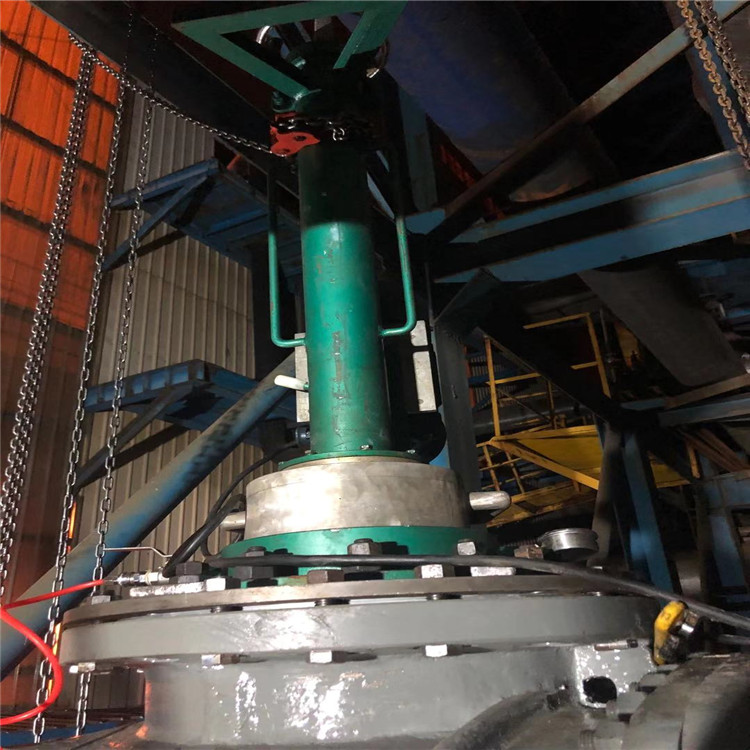
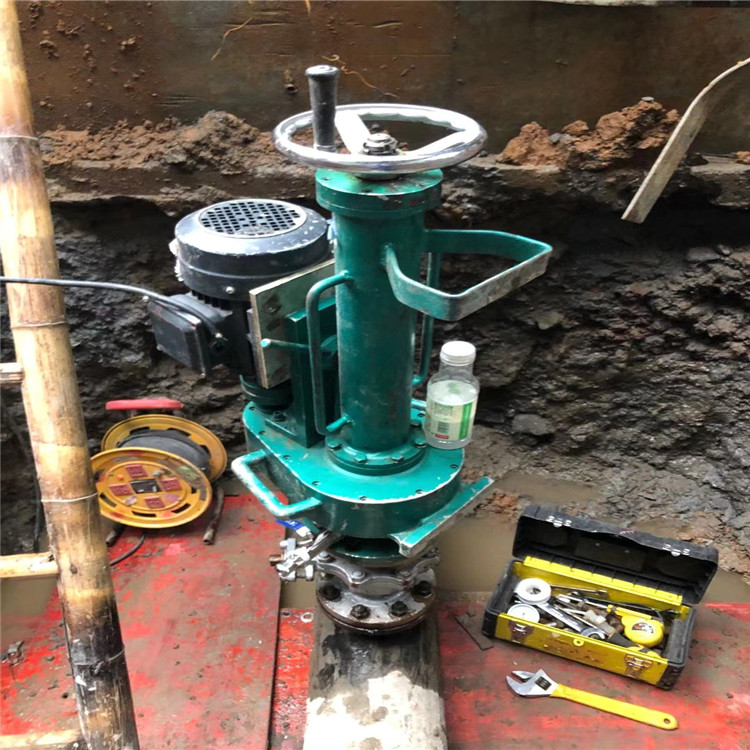
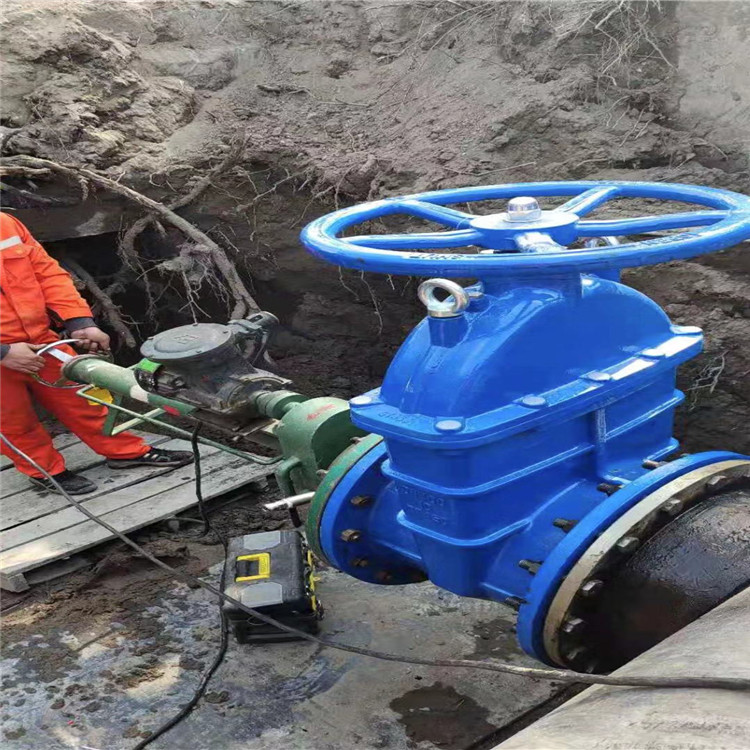
Pressure Sealant is the use of appropriate sealing materials to completely cut off the leakage path of the medium, or block it, or isolate the leakage medium path, or increase the fluid flow resistance in the leakage medium path, in order to form a sealed space and achieve the purpose of preventing the fluid from escaping.
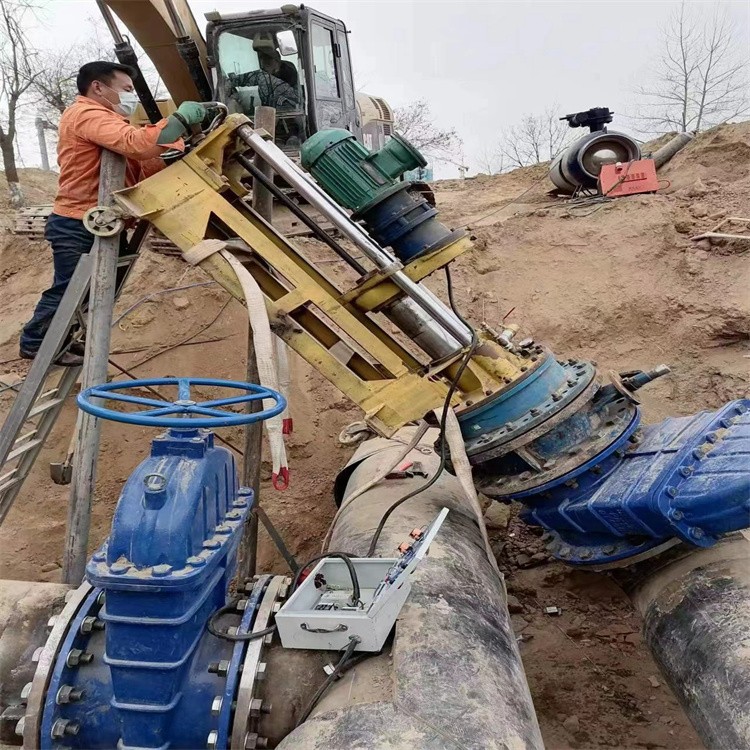
Adjustment Leak Method
A leak elimination method that does not require sealing, achieved by adjusting operations, regulating the preload of sealing parts, or adjusting the relative positions of components.
Mechanical leak sealing method
1. Support Method
Setting up supports outside the pipeline and plugging leaks with tools and sealing washers is known as the support method. This method is suitable for sealing larger pipelines and is used when it is impossible to secure them to the body.
2. Pressure Sintering Method
A method for fixing a screw directly or indirectly to the pipeline to block leaks at equipment and pipeline openings is called the topping pressure method. This technique is suitable for plugging leaks such as sand holes and small holes on medium and low-pressure pipelines.
3. Clamp method
The method of stopping leaks by securing a sealing washer in place with a clamp (or clip) is known as the clamp method.
4. Cap Sealing Method
A method of achieving leakage control by tightening a sealing gasket and a cover with bolts onto either the inner or outer surface of a hole, known as the cover method. This technique is suitable for sealing leaks in low-pressure, easily manipulated pipelines.
5. Packaging Method
The method of encasing the leak point with a metal sealed cavity, filled with sealing material inside or with a sealing gasket at the junction, is known as packing method.
6. Cap Sealing Method
The method of covering the leak with a metal cover to achieve sealing is called the "covering method."
7. Tensioning method
Leak-sealing tools are introduced into the pipeline with the fluid, and they automatically expand at the internal leak location to block the leakage, a method known as the expansion method. This method is more complex and is equipped with an automatic control mechanism, used for underground pipelines or situations where it is difficult to seal leaks from the outside.
8. A method called the clamping method, which involves clamping the hydraulic actuated clamp on the leakage area to deform it for densification, or to tightly seal the gasket against the leakage point to stop the leak. This technique is suitable for sealing leaks at threaded connections, pipe joints, and other sections of pipelines.
Sealant plug method
A simple method of directly fixing in the leakage holes using methods like squeezing and clogging to achieve sealing. This method is essentially a straightforward mechanical sealing technique, particularly suitable for sealing defects such as sand holes and small holes.
1. Splicing method
The method of stopping leaks by deforming the metal around the leak point with a punch, known as the twist plug method. This technique is suitable for alloy steel, carbon steel, and carbon steel welds. It is not suitable for materials like cast iron, alloy steel welds, which are hard and brittle, or for bodies that are severely corroded and have thin walls.
2. Wedging method
The method of stopping leaks by inserting a conical or flat wedge, made of materials like tough metal, wood, or plastic, into the leaking hole is called the wooden wedge method. This technique is suitable for sealing leaks in areas with low pressure.
3. Plug seal method
Drilling and threading in the leaking holes, followed by tightening the plug and seal to stop the leak, is known as the plug method. This technique is suitable for sealing leaks in areas with thick volume and larger holes.