

What safety precautions should be taken when performing pressure-sealing on pipelines?
1 Basic Requirements
1.1 To meet the needs of emergency repairs for long-distance pipelines, standardize the safety management during the pressure-sealing process of pipeline operations, ensure proper work execution, and guarantee safe operation.
1.2 Safety management for the use of disc-type blockers in pressure pipeline construction.
1.3
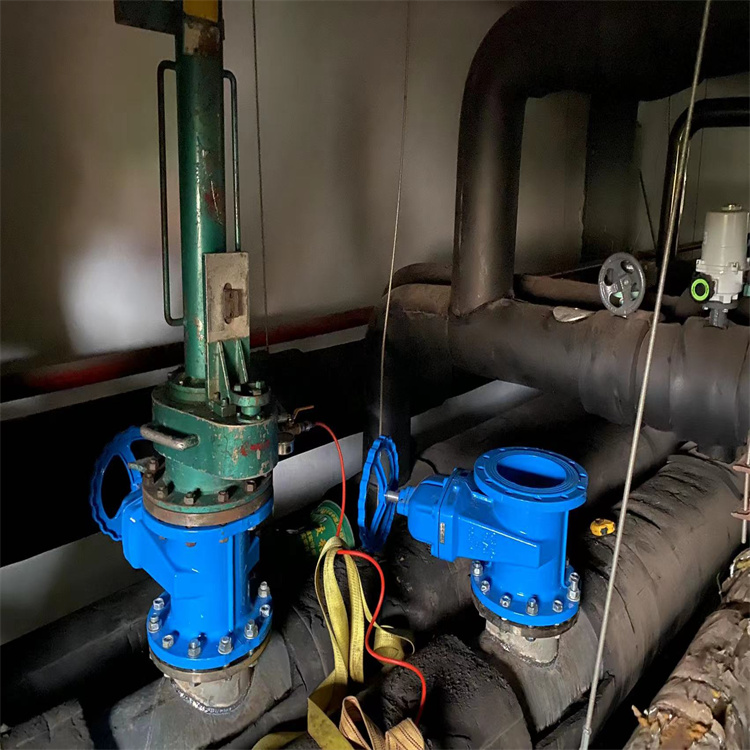
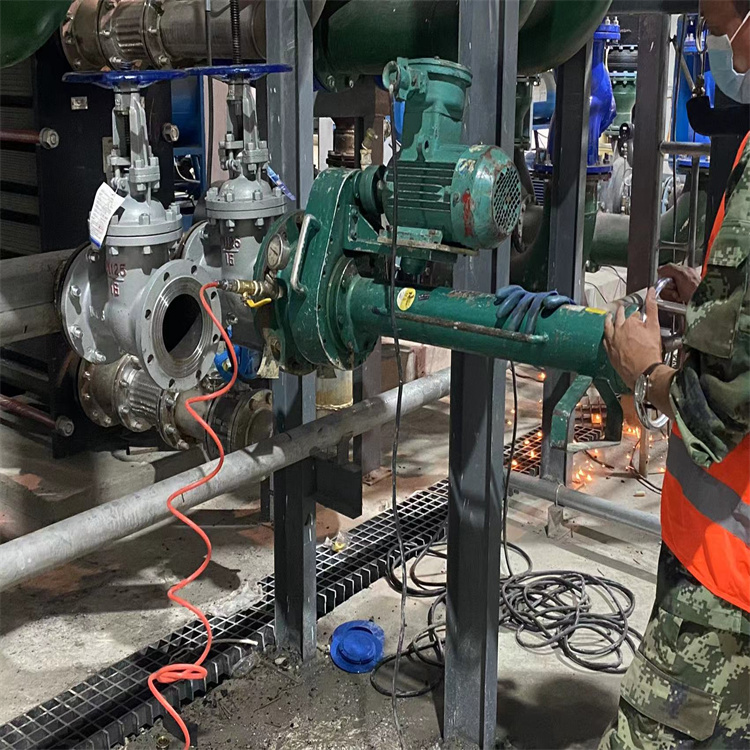
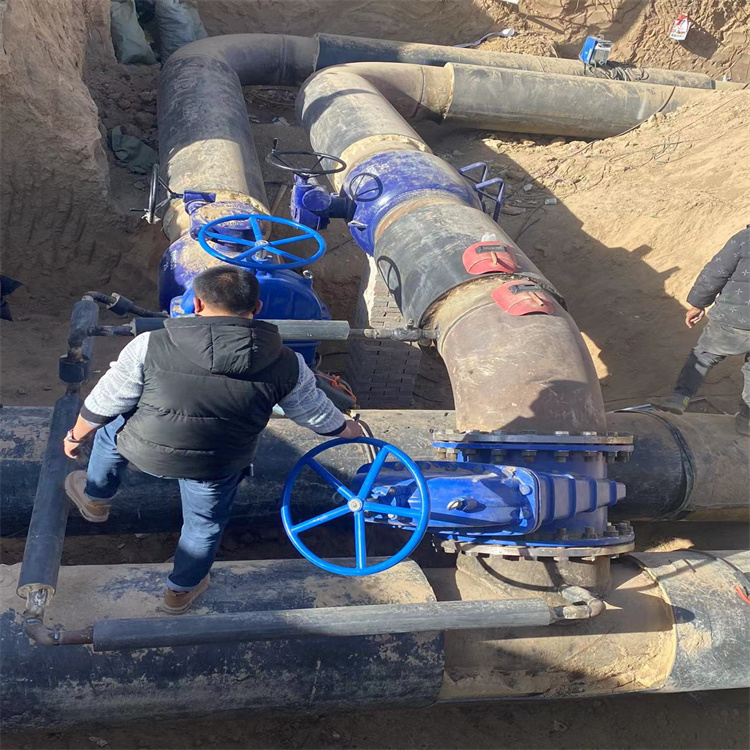
Disk type plug is mainly used for pipeline tapping, plugging operations during continuous operation of long-distance pipelines. It is a pressure-sealing device used to temporarily block the medium flow in a specific pipeline area. Suitable for pipeline tapping, plugging, and repair without shutdown, it can withstand high pressure, ensures reliable sealing, has a simple structure, easy operation, high safety factor, and is highly adaptable to field work. It is a commonly used equipment for emergency and major repairs of long-distance pipelines.
1.4 Implement the relevant provisions of the "Regulations for Firework Operation Safety" (An石化股份〔2007〕333号).
2 Organizational Structure and Responsibilities
2.1 The Safety and Environmental Protection Department (Equipment Management Department) is the designated management department for this regulation, responsible for its formulation and revision. They are in charge of reviewing safety measures plans and conducting safety supervision throughout the process.
2.2 The Technical Quality Management Department is responsible for the review of technical proposals.
2.3 The Production Management Department is responsible for the organization and coordination of construction work.
2.4 The branch office/project department is responsible for the specific implementation of pressure-sealing.
3 Management of Content and Procedures
3.1 Pre-construction Preparation
3.1.1 Branch/Project Department technical staff is responsible for drafting pressure-sealing technical plans. They compile fire permit tickets based on the fire classification in the "Safety Management Regulations for Fire Operations" of Petrochemical Stock Corporation's document No. 2007-333, and safety personnel handle the procedures.
3.1.2 The Safety and Environmental Protection Department (Equipment Management Department) and the Technical Quality Management Department conduct the project review.
3.1.3 Branch/Project Department technical personnel provide technical briefings to construction workers, which include HSE content, emergency response measures, and safety personnel conduct pre-construction safety education.
3.1.4 The Production Management Department coordinates civil and industrial pipeline work, and communicates with relevant parties such as the owner and supervisory authorities.
3.2 Personal Protective Equipment (PPE)
During the work process, all construction personnel must wear appropriate personal protective equipment, including safety helmets, protective gloves, toe guards, anti-static workwear, etc. Toxic gas respiratory devices may be configured as needed based on the on-site conditions.
3.3 Basic Safety Principles
3.3.1 During the fire preparation process, close cooperation with the owner's party is required for hazard identification, fire plan formulation, change management, and emergency preparedness. Both parties' supervisors and guardians are responsible for on-site supervision and management. Only after inspecting and confirming that the operational measures are implemented can construction proceed.
3.3.2 Construction facilities, processes, and valve controls requiring fire usage must be coordinated and organized by the owner's party. During the fire usage process, no one is allowed to alter the procedures arbitrarily.
3.3.3 All flammable materials within 5 meters of the construction area must be removed before work begins, or they must be isolated with non-flammable materials. The construction site should be equipped with appropriate fire fighting equipment and fire trucks according to the fire hazard level and requirements of the emergency response plan.
3.3.4 During operations, if any abnormal conditions are detected, the operation should be immediately halted and the corresponding emergency measures initiated. After completion of the construction, the project supervisor should organize personnel to inspect the site, and only after confirming that there are no sparks or other hazards can the site be evacuated.
3.3.5 After completion of the work, the gate valves should not be opened immediately for oil and gas transportation. Wait for the weld joint to cool down before slowly opening the valves to increase pressure, and simultaneously check for any leakage at the weld joint.
3.3.6 No operation is allowed in winds of five levels or above. In special circumstances, if operation is necessary, measures such as enclosed operations must be taken to control the spread of sparks.
3.4 Construction Process Control
3.4.1 Excavation Work Pit
3.4.1.1 During excavation and sealing of the pit, the excavator should be uniformly commanded, and other personnel should stay away from the site. In case of an injury incident, immediately initiate the emergency plan.
3.4.1.2 The excavation slopes are retained according to the soil conditions in the construction area, following the requirements of GB50369 "Code for Construction and Acceptance of Long-distance Oil and Gas Pipeline Projects." In case of landslides, immediate cleanup should be organized.
3.4.2 Welded Tee Fitting
When making pressure-welded tees, the pipeline pressure must be kept below 2.0 MPa, and cooling measures such as water cooling should be taken. The welding current should not be too high to prevent burn-through.
3.4.3 Sealed Aperture
3.4.3.1 Prior to drilling, rigorously conduct nitrogen pressure testing in accordance with safety operation procedures. In case of oil leakage during drilling, take immediate action to locate and eliminate the leakage point; if a fire occurs, immediately activate the fire emergency measures.
3.4.3.2 In case of a knife jam, immediately pull the directional valve, stop the machine to analyze the cause, and restart; if the blade is damaged, firmly lift the blade disk, close the clamp valve, and replace with a spare blade.
Sealant
When sealing, follow the principle of "high pressure first, then low pressure; inside first, then outside," meaning seal the high-pressure end first, followed by the low-pressure end. When placing the plug, ensure that the exhaust valve on the clamp valve is securely closed.
3.4.5 Oil Extraction
3.4.5.1 Oil release should be conducted after successful sealing. The oil release point should be as close to the bottom of the pipeline as possible, and the air intake point should be as near the top of the pipeline as feasible.
Before starting the pump to extract oil, check if the insulation of the power line is damaged and if the oil pump is properly grounded.
Cutting pipes
Prior to binding the pipe cutting machine, first check the wheel spacing. After binding, inspect the motor's forward and reverse rotation. Ensure the chain is aligned in a straight line and securely tied to prevent vibration of the machine during movement.
3.4.6.2 Before turning on the power for cutting pipes, ensure that the switch is undamaged and the power lines are properly connected.
3.4.7 Masonry Butter Wall
3.4.7.1 After the cutting of pipes is completed and the old pipelines or equipment are lifted away, proceed with the construction of the butter wall.
3.4.7.2 The earthen walls are constructed using calcium-based butter and talcum powder mixed in an approximately 1:1 ratio to form strip-shaped blocks, and the integrity of the seal must be checked upon completion.
3.4.7.3 Clean the inside and outside walls of the pipe opening thoroughly, using explosion-proof tools during cleaning.
3.4.8 Pipeline Fitting
3.4.8.1 When aligning pipelines and welding, striking or vibrating the pipelines is strictly prohibited.
3.4.8.2 Reduce operation time; if the ambient temperature is too high, cooling measures must be taken for the pipeline sections of the butter wall.
3.4.9 Unblock
The unblocking must be performed after the pipeline construction is completed. In principle, the low-pressure end should be unblocked first. Now, we are unblocking the high-pressure end. Before dismantling the equipment, check if the bypass of the butterfly valve is closed, then introduce nitrogen through the oil release port, and after the oil is drained, dismantle the equipment.
4 Inspection and Supervision
The Safety and Environmental Protection Department (Equipment Management Department) conducts random inspections and supervision of pressure-sealing operations, the branch offices carry out random inspections and supervision of second-level and above fire operations, and project departments and teams provide on-site supervision.