
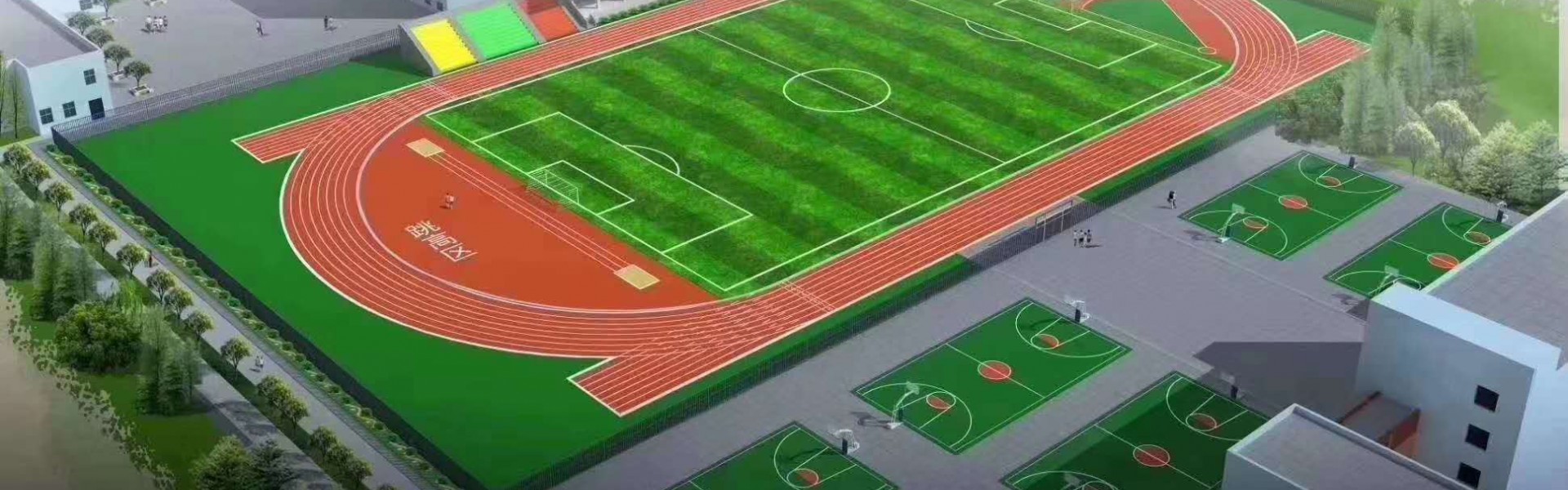
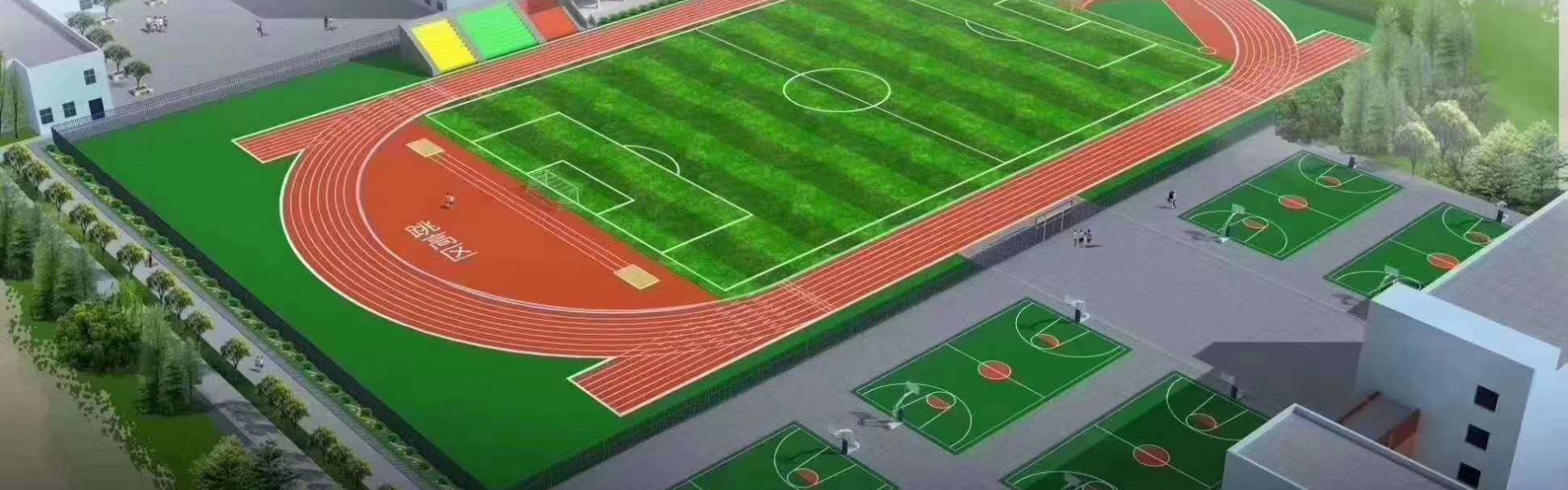
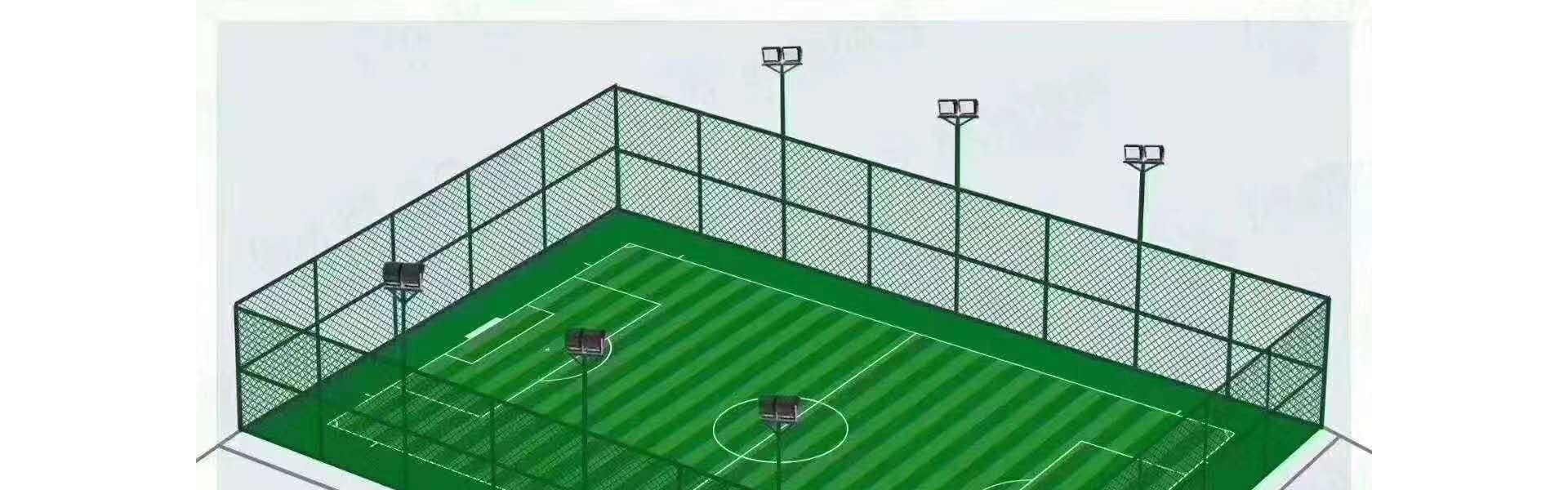

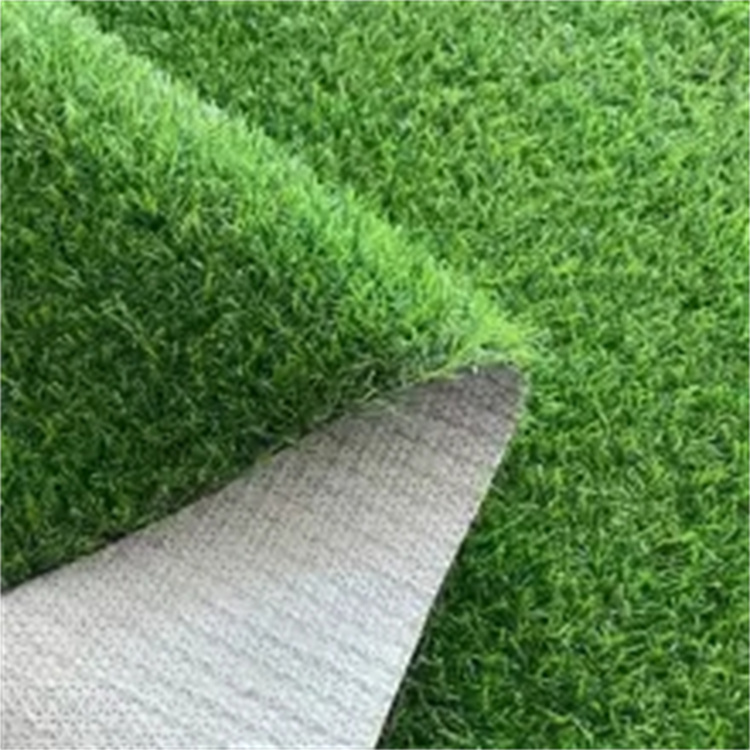

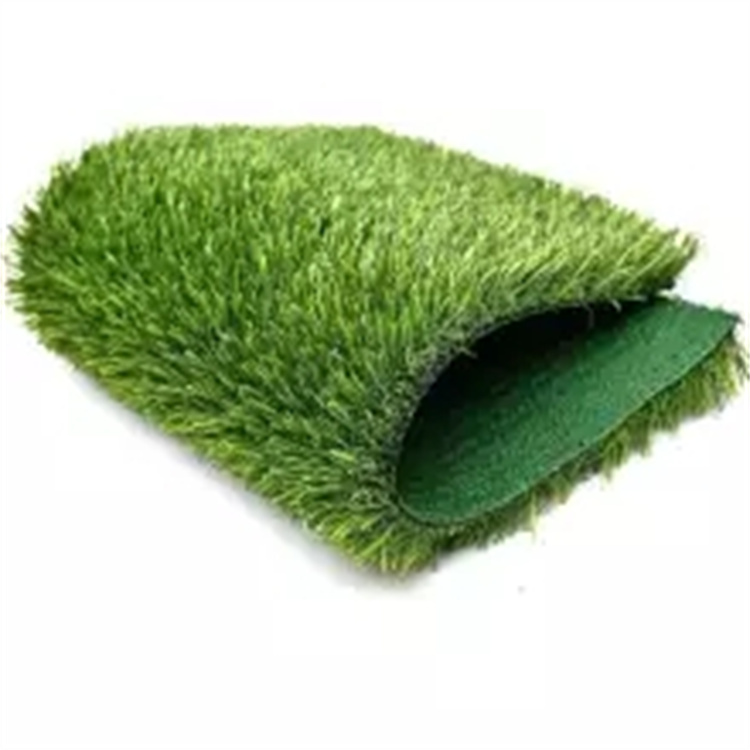


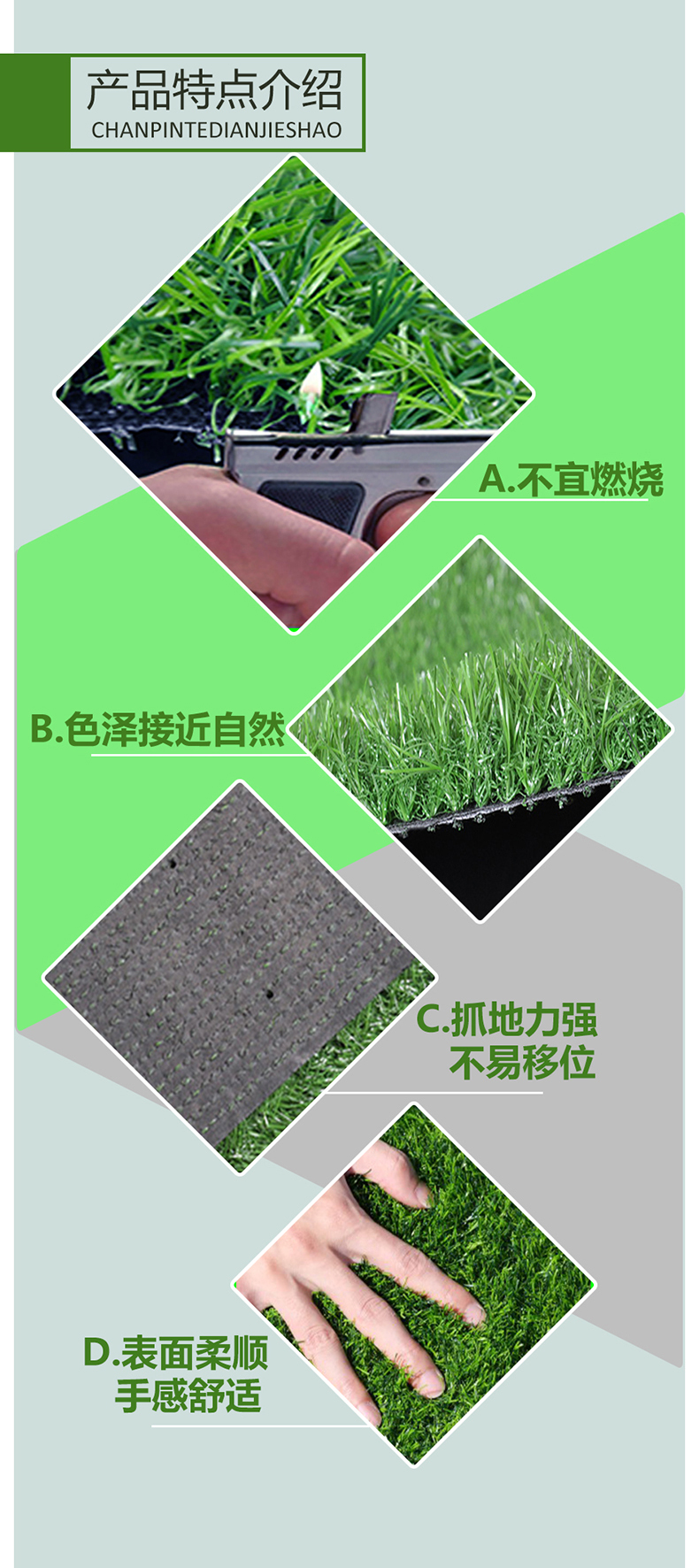
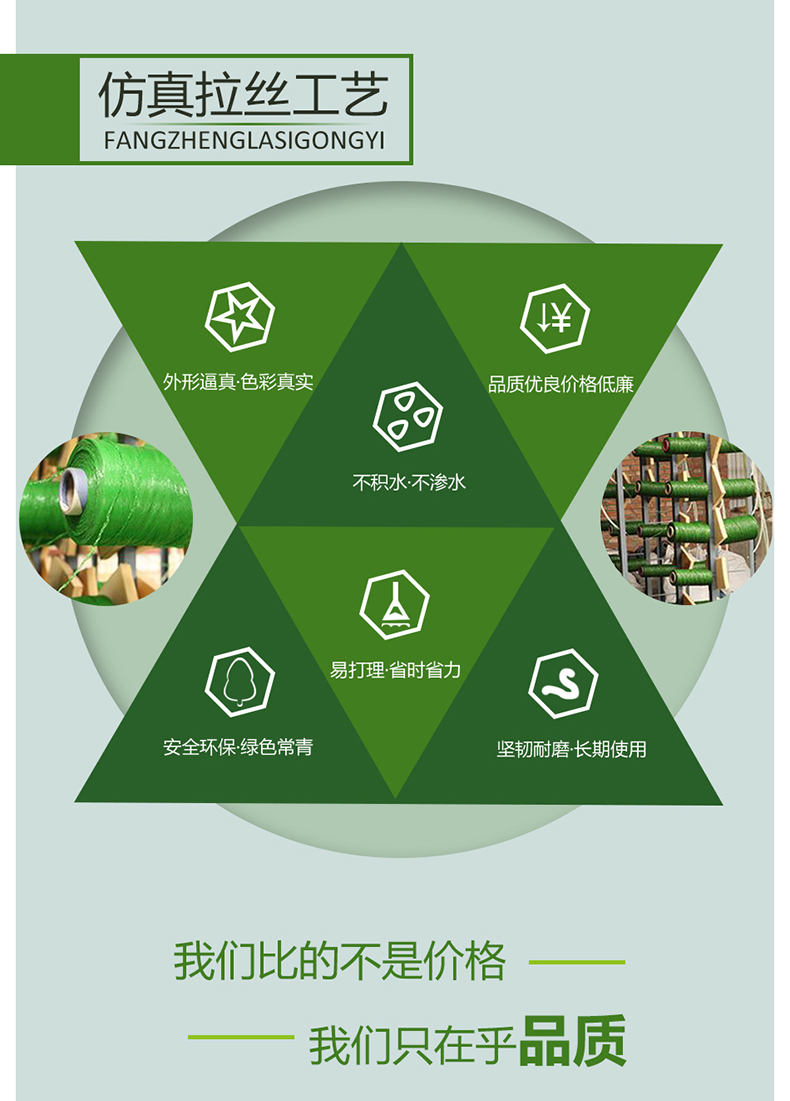
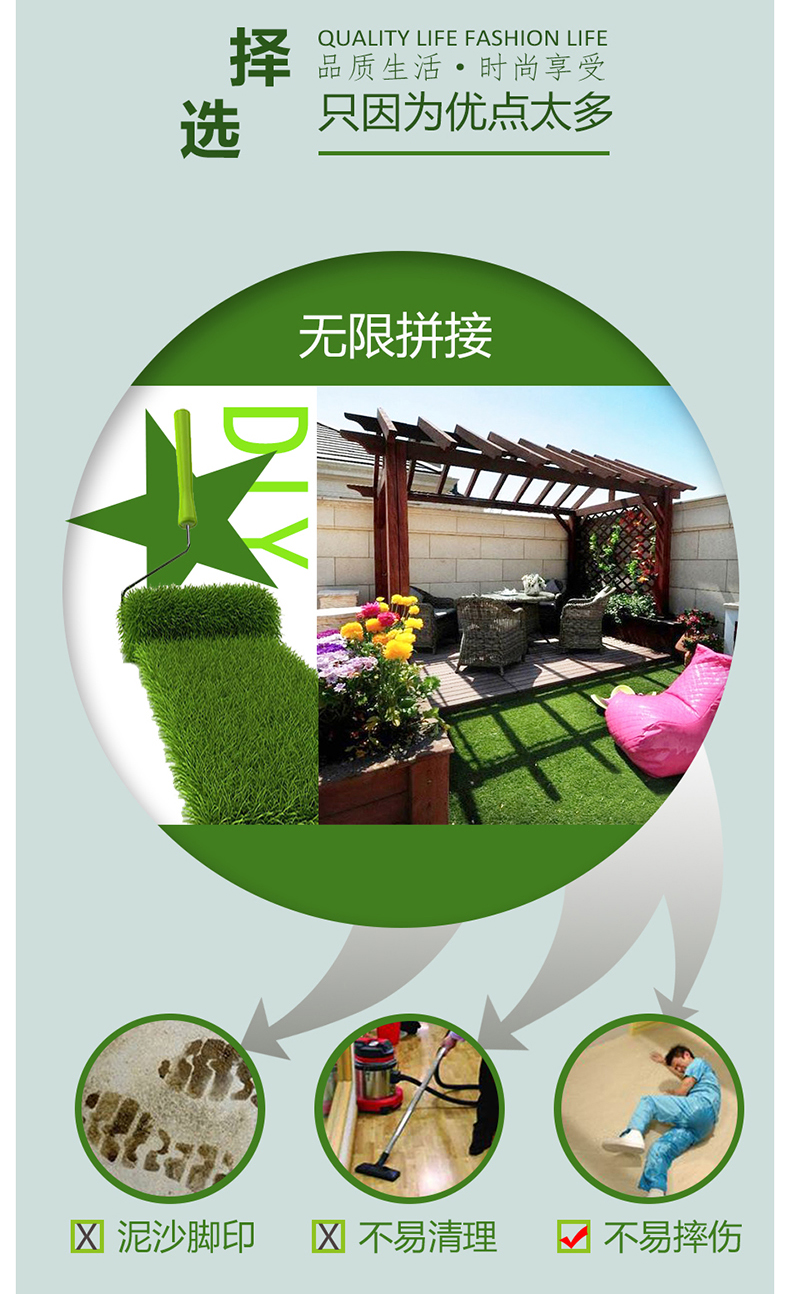

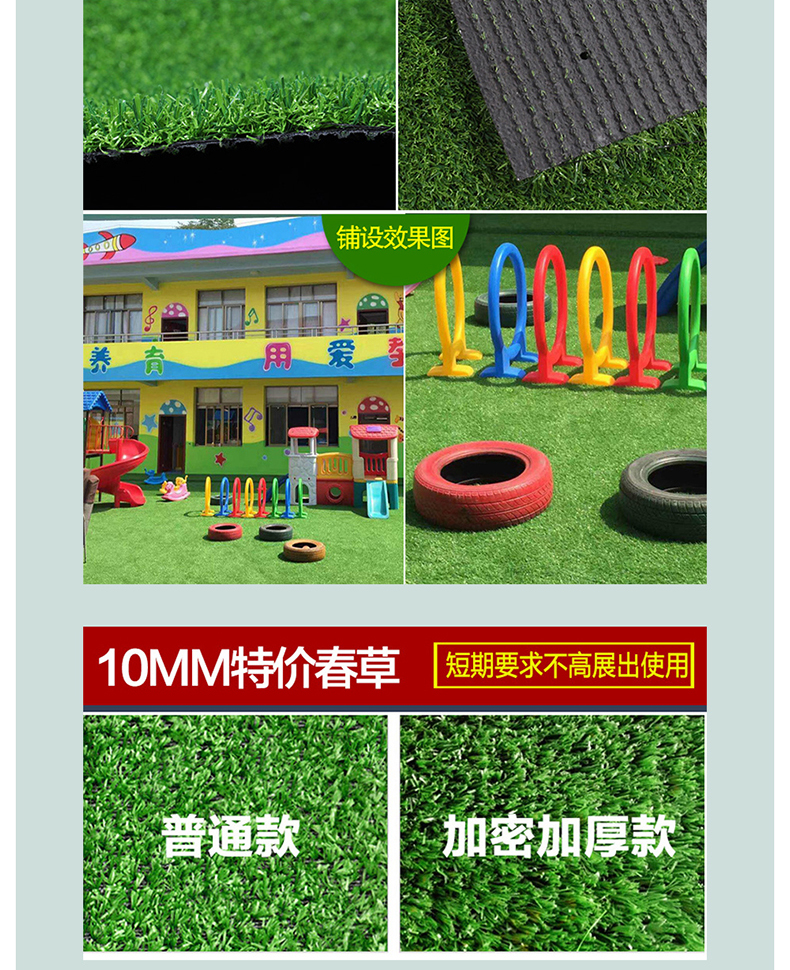
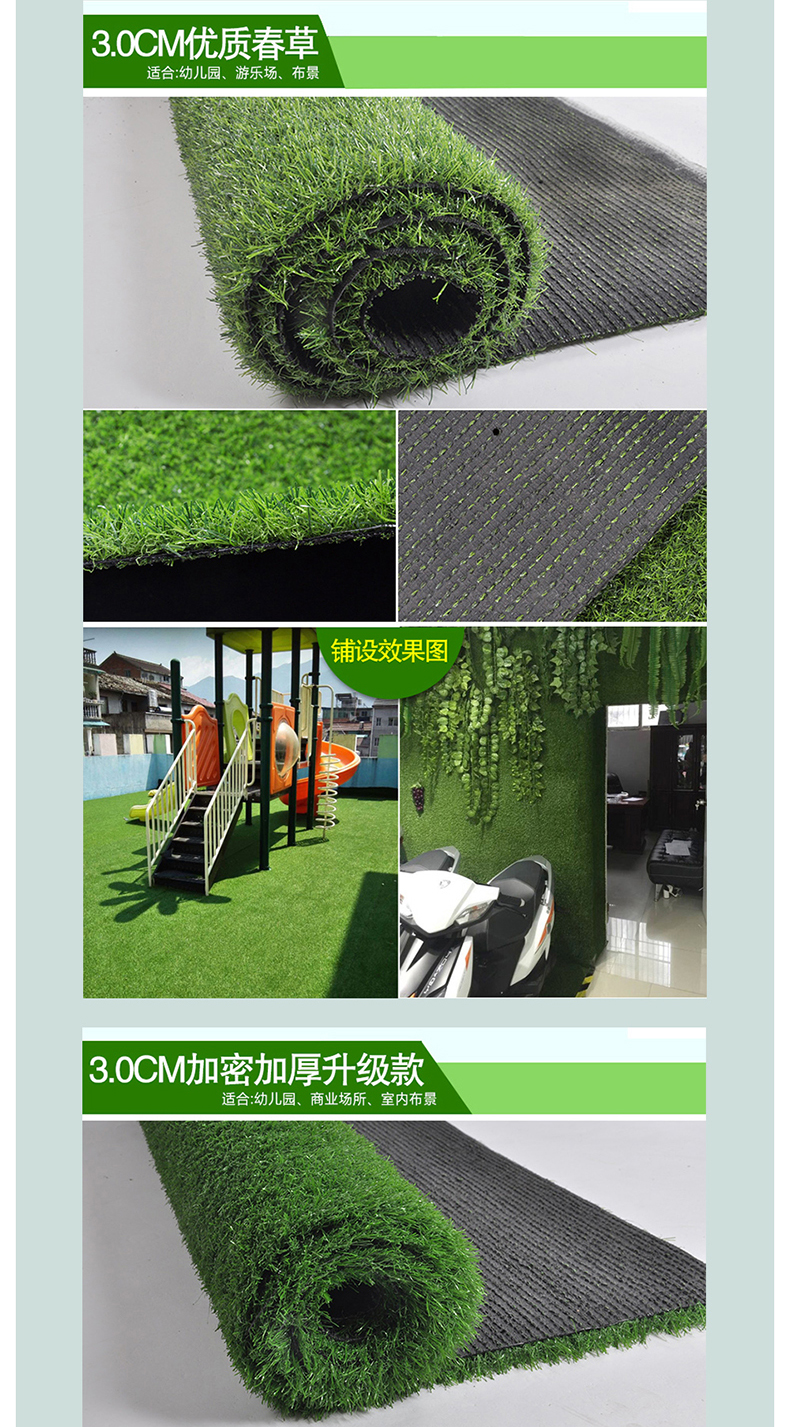
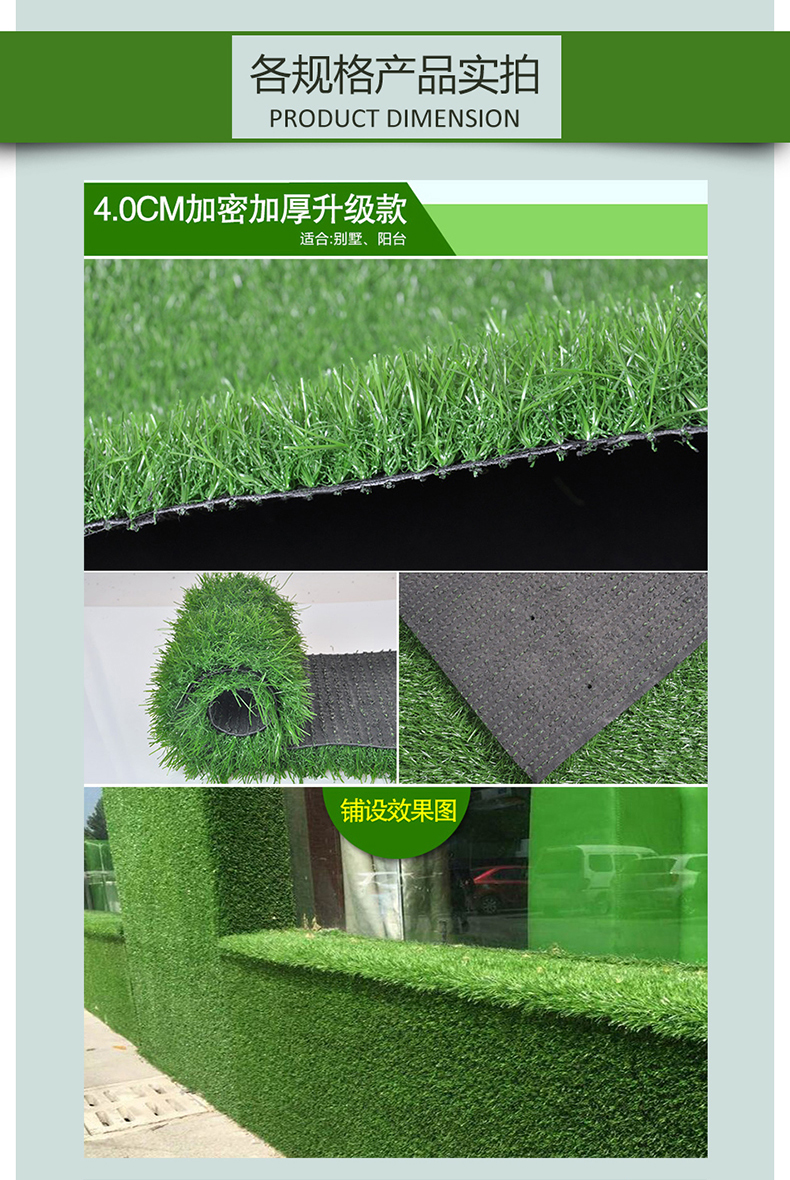


Artificial turf is produced using biomimetic principles, offering a non-directional surface and hardness that allow users to experience minimal difference from natural grass during activities. It boasts good elasticity and a comfortable foot feel. The turf is fade-resistant and particularly suitable for middle and primary school playing fields. It's economically viable, easy to install on asphalt, concrete, or hard sand surfaces, with minimal maintenance costs. Most universities and colleges use it in their sports field construction, and increasingly, more middle and primary schools are adopting artificial grass products, marking a new stage of development for the industry. Artificial turf is climate-independent, significantly enhancing the efficiency of the playing field, and can be used in both cold and hot climates.
Below are the seven advantages of artificial grass.
Clean and Sanitary: Many parents believe that real grass lawns have more bacteria, as children have weaker immune systems and are not suitable for playing on them. Therefore, these real grass lawns are gradually being replaced with artificial turf. There are many benefits to laying artificial turf, including safety and cleanliness, and it does not become bare and unsightly from being stepped on.
All-weather property: Artificial grass is basically unaffected by weather and region, can be used in climates like high cold, high temperature, and plateau, and has a long service life.
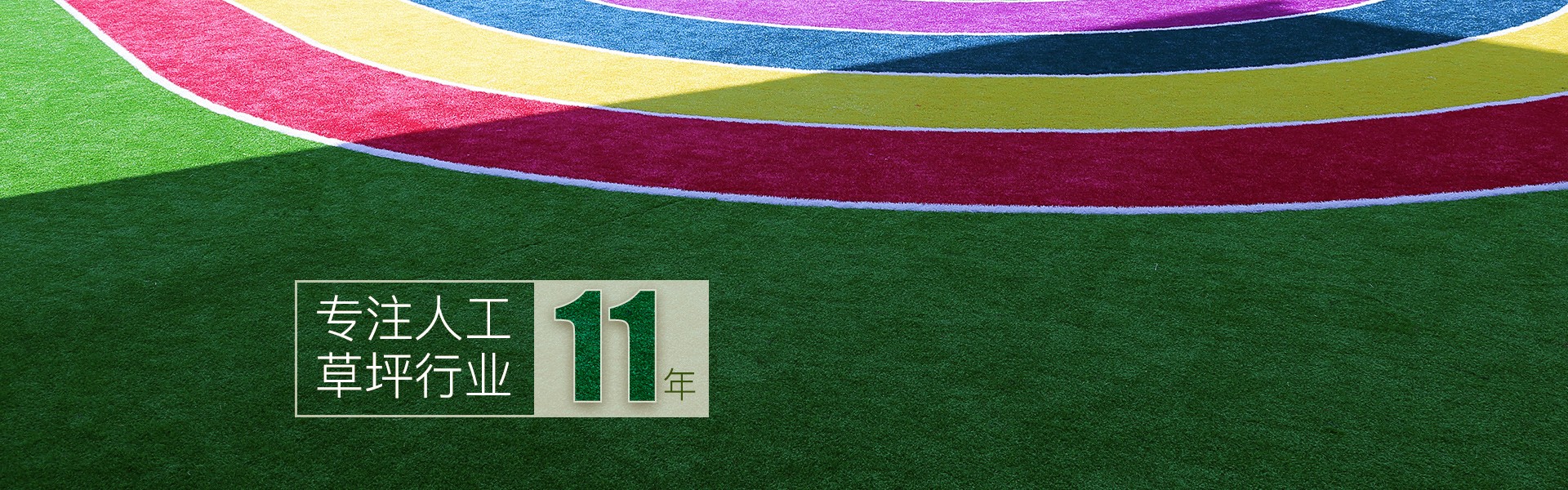
Thirdly, versatile: The artificial grass comes in a variety of colors, making it a great match for surrounding environments and architectural complexes, and is an excellent choice for sports facilities, leisure courtyards, rooftop gardens, and more.
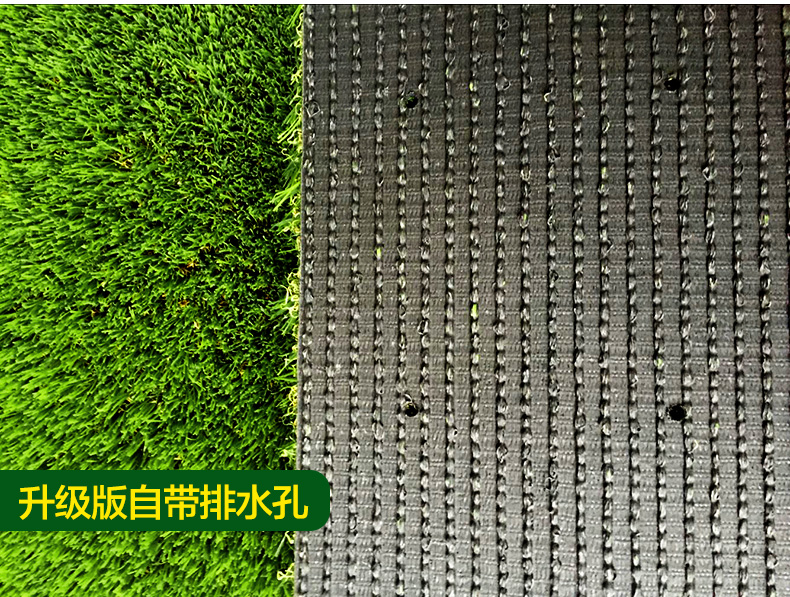
Fourth, Installation and Maintenance: Artificial turf has low requirements for the subgrade, can be installed on asphalt or concrete, and has a short construction period. It is particularly suitable for the construction of middle and primary school venues with long training times and high usage density. The maintenance of artificial turf is convenient, it has good water permeability, and is especially so.
Fifth, excellent physical and chemical properties: After undergoing hundreds of thousands of wear tests, the synthetic turf fibers only lose 2%-3% of their weight. Additionally, it boasts high tensile strength, water permeability, and elasticity, allowing it to drain completely within about 50 minutes after heavy rain.
Sixth, enhanced safety: Utilizing principles of kinematics, the product protects ligaments, muscles, and joints during exercise on the grass, significantly reducing impact and friction forces upon falling.
The seventh point: Reduce workload: After laying artificial turf, the workload for staff is significantly reduced. Simply regular inspections and fixing uneven areas are required.
Notably, the various markings on artificial turf sports fields are formed in one go using white grass seeds during production. It is an environmentally friendly product, free of harmful substances, and has noise absorption capabilities. The production employs multiple modern scientific and technological methods, ensuring that the product's tensile strength, durability, flexibility, resistance to aging, and color fastness all reach a very high level.
