





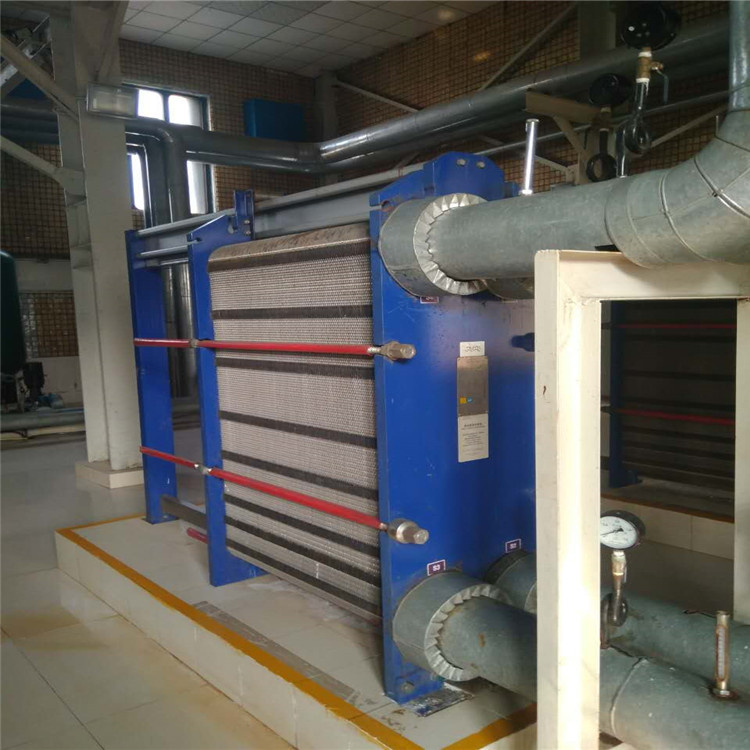
详情描述
Chemical cleaning descaling process:
Recirculating Closed Circuit Cleaning
Recirculating cleaning utilizes two original parallel deslagging pipelines to form a loop, creating a recirculation system with the cleaning pump station. A certain concentration of acidic solution is added, allowing it to circulate and clean within the sludge water pipes. As the acid washing decreases to a certain level, the solution is continuously replenished with more acid. For short-distance single sludge water pipelines, if conditions permit, a temporary pipeline can be laid to form a recirculation loop for cleaning. This process must be carried out while the system is shut down, and it is complex and costly.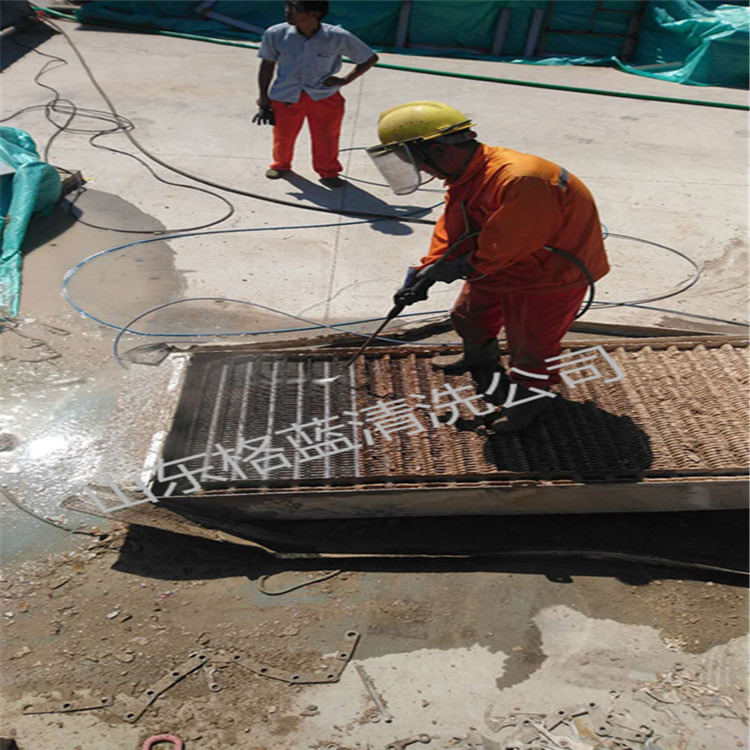
Open Road Cleaning
No two ash pipes should form a loop during cleaning; only a single ash pipe should be used for open-path cleaning. The method involves connecting one end of the ash pipe to the cleaning unit and continuously preparing a certain concentration of cleaning solution in the mixing tank, then injecting it into the ash pipe continuously or intermittently. This process requires additional cleaning equipment during shutdown, which increases costs.
Material Scale Cleaning - Shandong Linyi Yishui
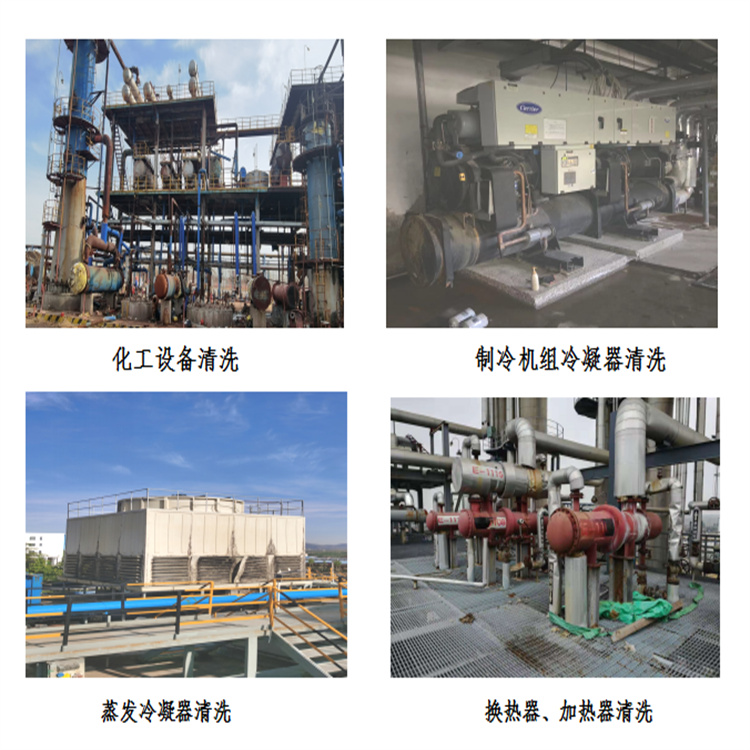
Continuous operation cleaning
The process involves continuously injecting a certain amount of acidic solution while operating the ash conveying pipes, simultaneously introducing a specific quantity of ash conveying pipe cleaning inhibitor and pipeline descaling agent. This is an open-circuit cleaning method. The primary function of the cleaning aid is to promote the reaction between the acidic solution and the ash scale at a certain concentration and flow rate, while also enhancing its solubility in water and reducing the occurrence of air blockage, ensuring the quality of ash pipe cleaning.
The procedure is as follows: Before cleaning, first estimate the required acid amount based on the total scale in the pipeline. Then, calculate the acid addition rate and the flow rate of the descaling agent and pipeline cleaning agent based on the sludge water flow rate and acidity. During cleaning, take a sample at the front end of the sludge pipe every 30 minutes to test the acidity and strictly control it by adjusting the acid flow rate. In the later stage of cleaning, take a sample at the end of the sludge pipe every 15 minutes to test the pH value. When the pH value reaches a certain level and remains unchanged for 30 minutes, the cleaning can be considered complete.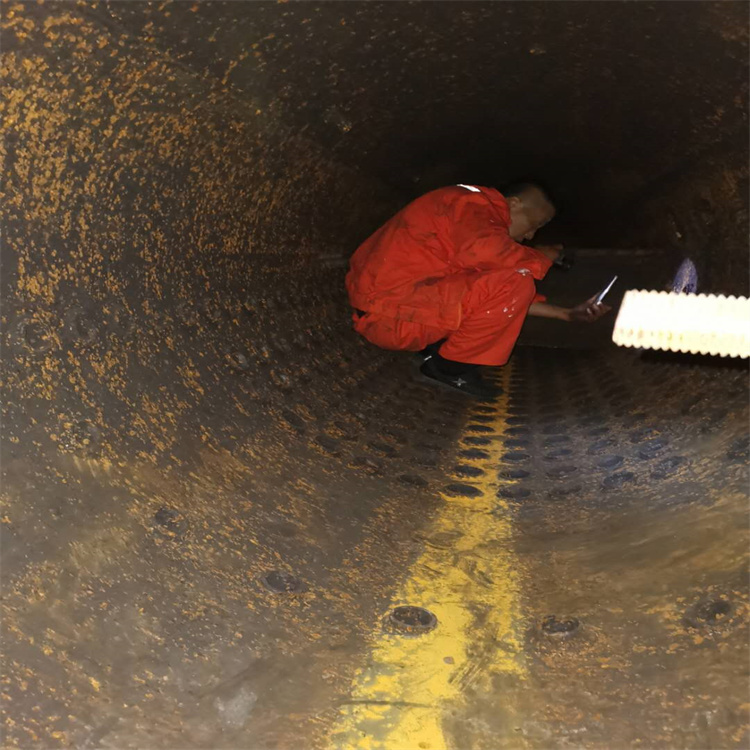
(2) Classified by physical properties, there are two types: water scale that is firmly adhered to the pot shell and tube walls, and sediment that is loosely textured and easy to dislodge.
Lime scale primarily forms due to the salts, such as calcium and magnesium, present in the boiler feed water. Upon heating, these salts precipitate and adhere to the metal surface. Lime scale has a very low thermal conductivity, about 2 to 5 times that of ordinary steel. When lime scale accumulates on the boiler's heating surface, it severely impairs heat transfer efficiency and affects the boiler's performance; it can also cause metal materials to burn due to local overheating, potentially leading to burst pipe accidents; it accelerates galvanic corrosion, causing pipeline lime scale corrosion, and speeds up the deterioration of the heating surface. Once lime scale forms, it should be removed promptly using mechanical or chemical methods.
Heat Exchanger & Refrigeration Equipment Cleaning - Choose Green Chemical for Reliability


