






详情描述
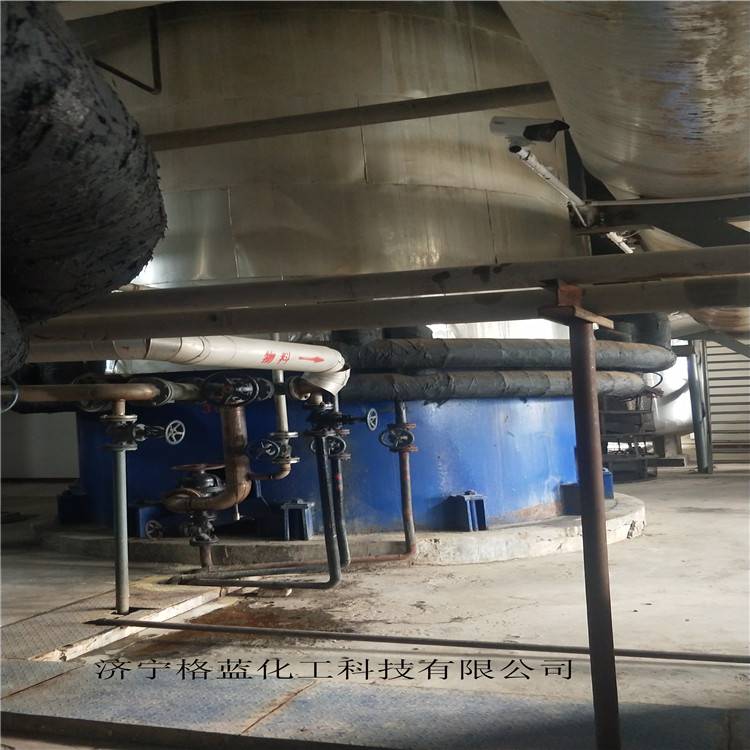
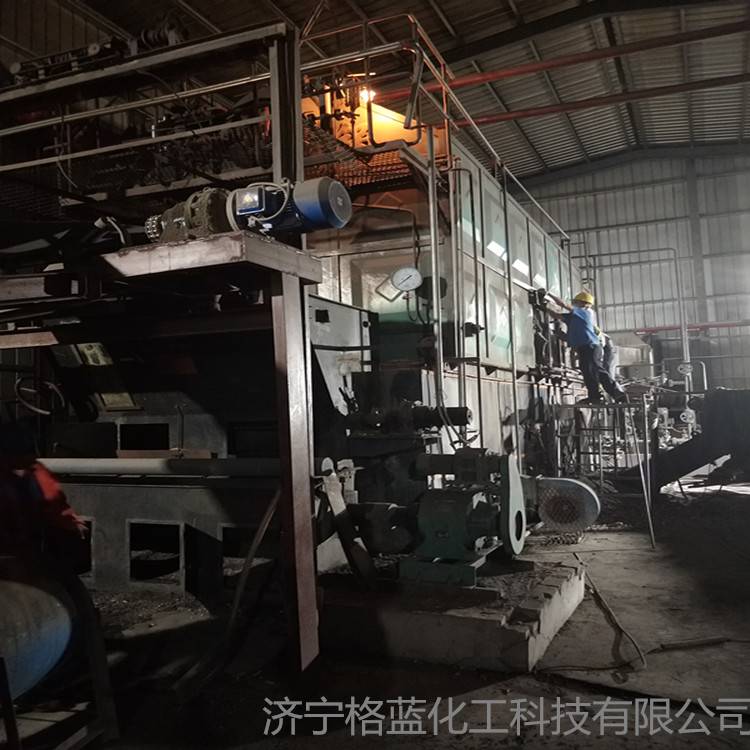
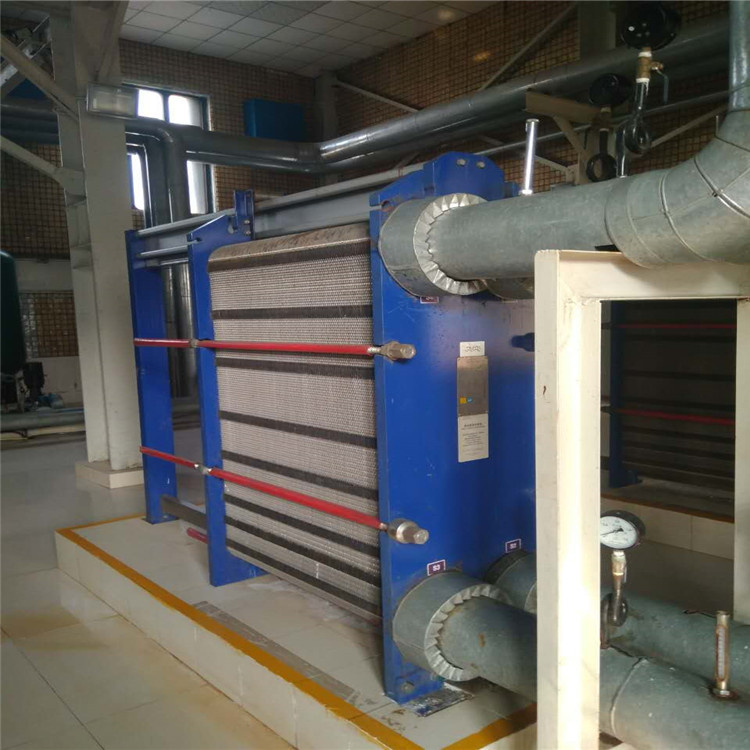
Boiler acid cleaning is widely applicable for scaling removal in electric boilers.Fuel boilerScale removal, coal-fired boiler scale removalBoiling Water HeaterScalpingHeating boiler、Scale removal for steam boilers and plate heat exchangers, etc.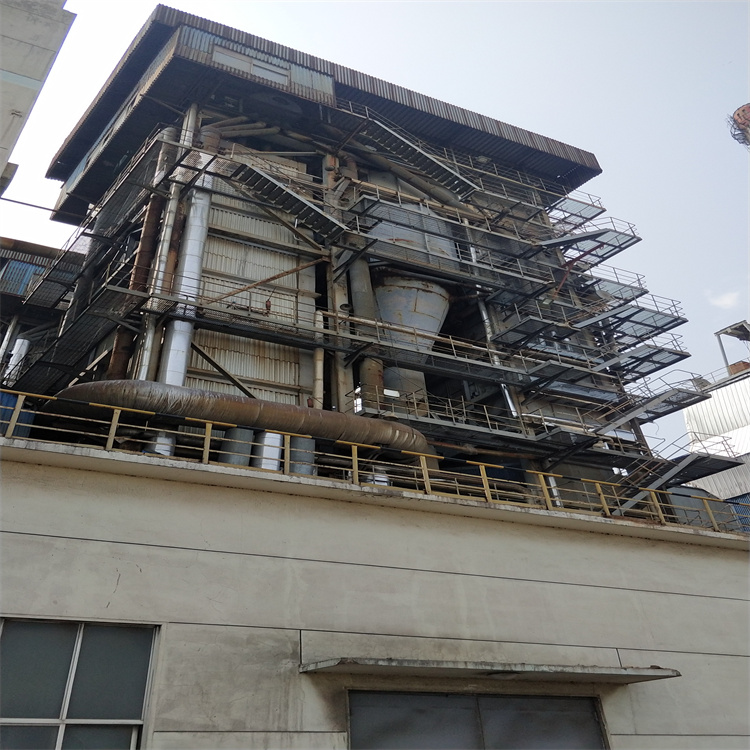 Hard scale usually adheres to the surface of boilers or pipelines. Firstly, hard scale has poor thermal conductivity, leading to a deterioration in heat transfer on the heating surface, which consequently wastes fuel or electricity. Secondly, if hard scale adheres to the inner wall of the boiler, it can also increase the risk of boiler explosion or pipe burst due to thermal expansion and contraction and uneven stress distribution. Lastly, during the bonding of hard scale, it often attaches a large amount of heavy metal ions. If the boiler is used to hold drinking water, there is a risk of excessive heavy metal ions dissolving in the drinking water.
Boiler Cleaning Step 1: Firstly, understand the structure, material, and heat exchange method of the boiler. There are dozens of types of boilers used in the market, each with different heat exchange methods, structures, and materials. Different cleaning methods should be employed for different structures and materials. Analyze and test the water quality and scale composition in various regions. Based on different materials and scales, formulate scientific and reasonable cleaning plans.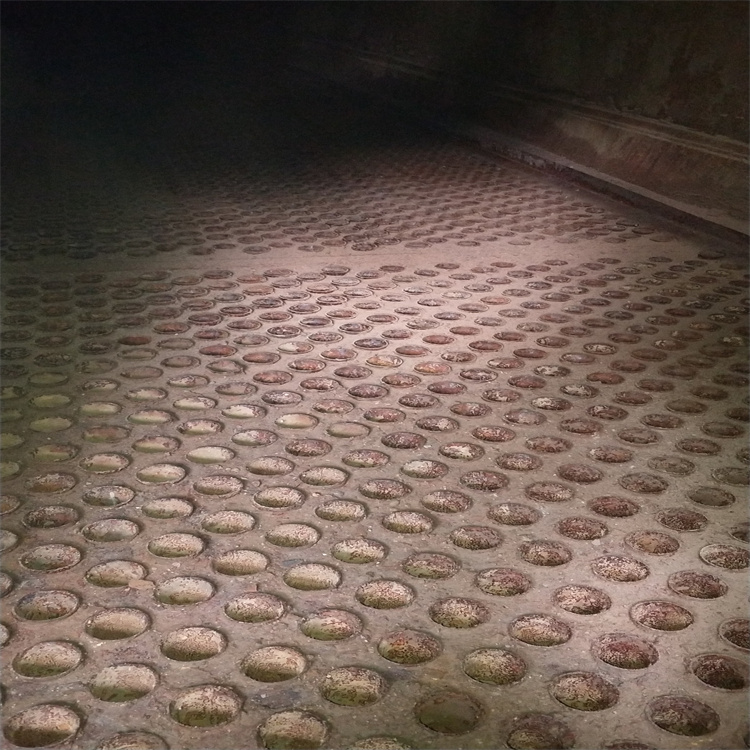 Boiler cleaning ensures efficient and safe operation of internal components, effectively eliminating potential hazards. Post-cleaning, it significantly reduces the workload on key parts like pumps and heat exchangers, minimizing wear and tear, and lowering the failure rate. Regularly cleaning the boiler every two years can extend its lifespan by 3-5 years. It also enhances the boiler's heating efficiency and reduces fuel consumption. Experiments show that after cleaning, boilers can save up to 25-30% of energy compared to before.
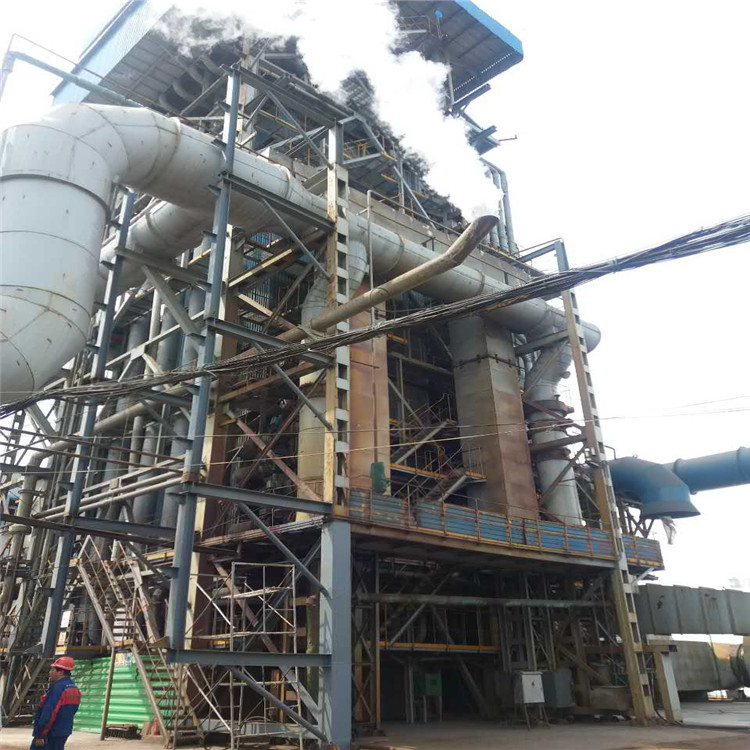 A boiler is a heat exchange device, which forms scale during the heating and continuous injection of cold water. The scale accumulates over time, significantly reducing the boiler's heat exchange efficiency. This is mainly manifested by increased gas consumption, insufficient heating, fluctuating hot water temperatures, and reduced hot water volume. In severe cases, it can lead to the destruction of the boiler's inner shell. Therefore, it is necessary to clean and maintain any gas boiler after two to three years of use.
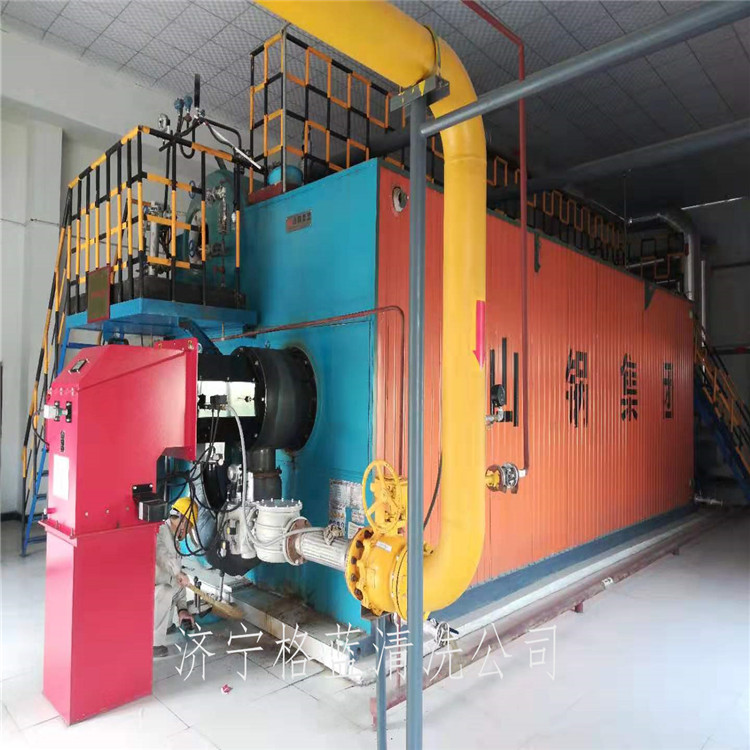
Boiler Cleaning Critical Work Procedure Step: Scale Cleaning. Add the prepared scale cleaning agent in proportion to the circulating water in the cleaning tank, and proceed with the boiler cleaning and scale removal. Determine the cleaning cycle duration based on the amount of scale, and once all scale is confirmed cleaned, proceed to the next cleaning step.
Step 2: Clean with Clear Water. After connecting the cleaning equipment and boiler, circulate clean water for 10 minutes. Check the system status for leaks and simultaneously remove surface rust.
Step 3: Corrosion Prevention Cleaning. Add surfactant and release agent in proportion to the circulating water in the cleaning tank, and circulate clean for 20 minutes to separate scale from the components being cleaned. Simultaneously, apply corrosion prevention treatment to surfaces without scale to prevent the cleaning agent from corroding the cleaning parts during descaling.
Step 4: Passivation Coating Treatment. Add passivation coating agent and apply passivation coating treatment to the boiler cleaning system, to prevent corrosion of pipelines and components and the formation of new rust.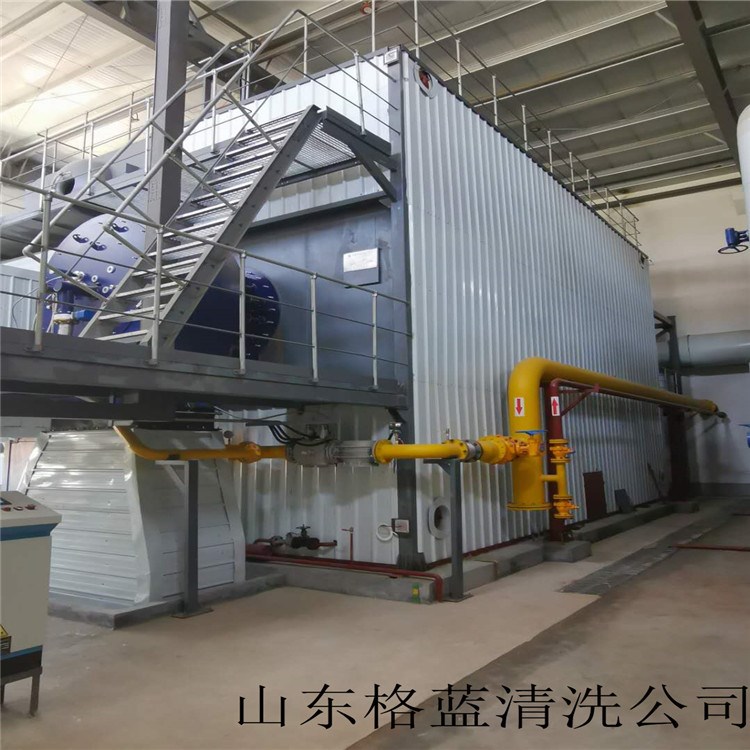
Jining Gelan Chemical Industry, boiler pickling manufacturer, offers pickling and passivation, pre-film treatment to protect against boiler corrosion and extend its service life; regular maintenance of boilers, cleaning scale, rust, etc.


