

The Speedy Separation Biochemical Treatment Process: The Speedy Separation Biochemical Treatment technology combines the principle of "flow separation" from fluid mechanics with the O/A biofilm technology of immobilized microorganisms, creating a new type of wastewater treatment technology, particularly suitable for the treatment of wastewater with medium to low pollution levels. This technology has been successfully applied in industrial wastewater treatment, domestic wastewater treatment, community water reuse treatment, and comprehensive management of landscape water bodies.
The rapid separation biochemical pool utilizes a unique solid-liquid-gas three-phase motion, which can operate under no pressure and with only slight water flow. Through the interaction of aeration and the special structural filling material known as rapid separation biochemical balls, the water flow field repeatedly generates velocity differences. This causes suspended particles in the wastewater to concentrate from the fast-flowing liquid water towards the slower-flowing solid-liquid interface, achieving solid-liquid separation. This principle solves a major challenge in the wastewater treatment field: the separation of treated water and sludge microbial residence time. Residential community wastewater treatment
The rapid separation bio-sphere filled in the rapid separation pool undergoes varying aerobic and anaerobic environments during operation. Pollutants entering the rapid separation pool concentrate within the bio-sphere's aggregate, undergoing anaerobic hydrolysis and acidification before being released, followed by aerobic decomposition, yielding excellent denitrification and phosphorus removal effects. The sludge within the pool is continuously processed through rapid separation, leading to decomposition and digestion, thus resulting in low suspended solid concentrations in the treated effluent. This method eliminates the need for sedimentation ponds and sludge treatment, featuring a simple process, low investment, and operating costs. Rural domestic wastewater treatment project
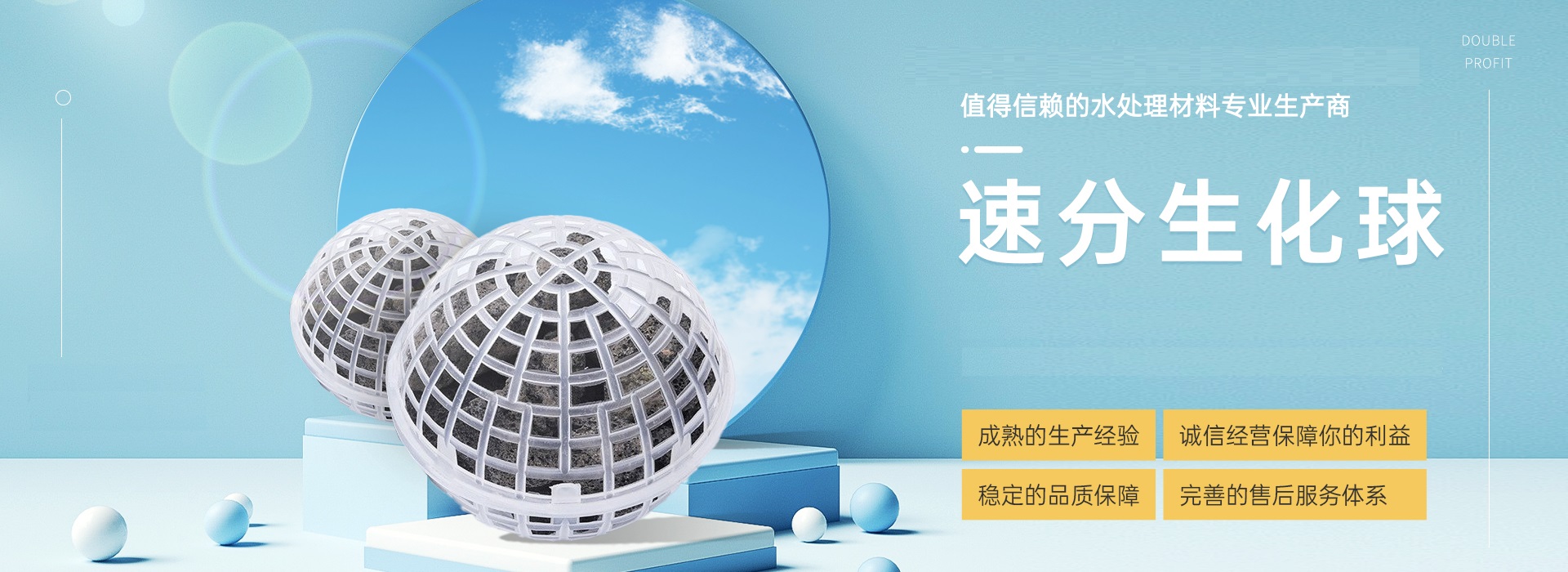
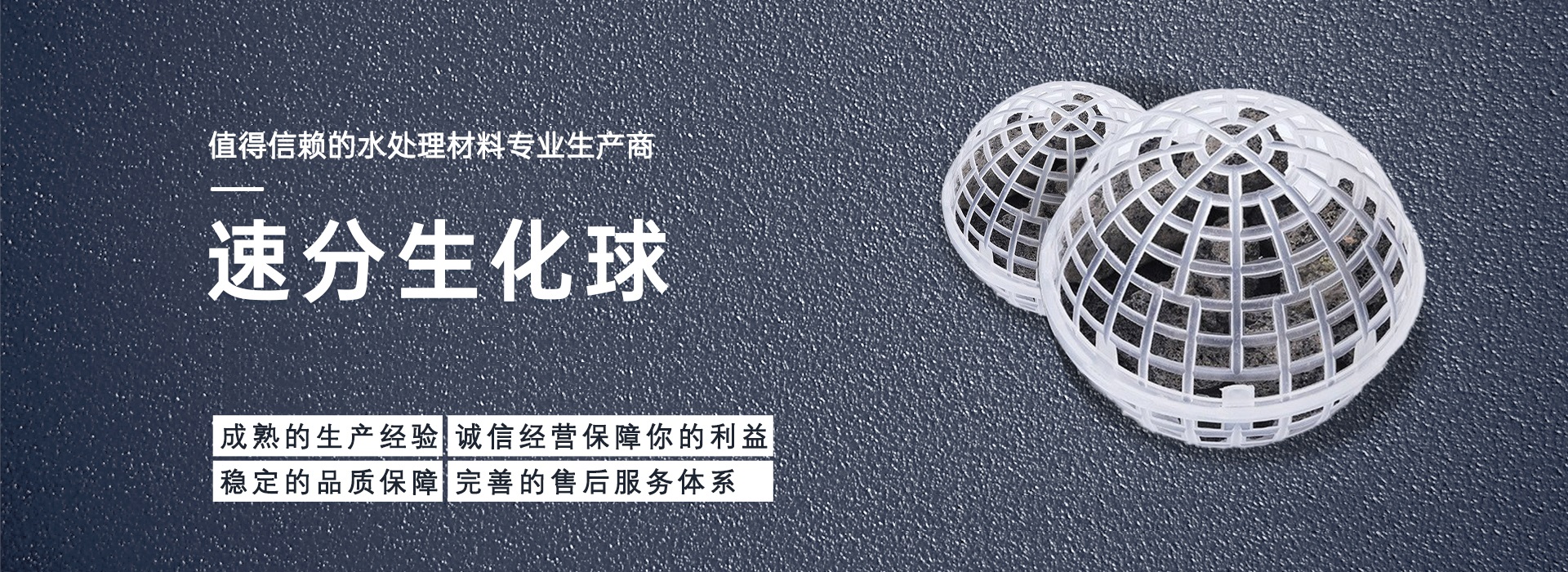
The core of the rapid separation bio-treatment technology is the "rapid separation bio-bead," which serves as a bio-carrier filled inside specially designed rapid separation bio-treatment pools. The biofilm attached to it is the main active substance of the bio-treatment system.
The Speedy Separation Bio-Sphere is crafted from inorganic materials and is designed for a service life of 30 years without the need for replacement, significantly reducing the costs associated with frequent replacement and maintenance compared to traditional biological media. Community residential wastewater treatment
Characterized by advanced technology.
Integrating the theory of fluidization with biological treatment technology, the newly developed wastewater treatment process features a unique gas-liquid-solid three-phase movement mode and its corresponding control parameters, which are essential for achieving an effective fluidization action. Patent Certificate for Domestic Wastewater Treatment Equipment
Quick startup, long lifespan
Crafted from natural inorganic materials through special processing techniques, this product boasts a lifespan of over 30 years. It provides a habitat for the fixed propagation of microorganisms and facilitates the formation of flowing phenomena. The surface modification technology makes it easier for microorganisms to attach to the surface of the spheres, thus enabling a rapid start-up of the biological system and flexible operation without the need for introducing strains or culturing and domesticating bacteria.
No sludge
Longer biological chains can be formed along the water flow in the system. At the front end, aerobic bacteria are present, with protozoa appearing in the middle section, and bacteria, fungi, protozoa, and metazoans at the back end. Advanced organisms feed on lower ones, resulting in less sludge production, achieving almost no sludge discharge, without the need for sludge recycling, and without subsequent secondary sedimentation tanks or sludge disposal systems.
Odorless
Conventional anaerobic-aerobic biological systems can produce unpleasant odors, severely impacting the surrounding air environment. This is due to the large amounts of methane and hydrogen sulfide gases produced during anaerobic decomposition, which can escape from water when not properly sealed. However, in the rapid decomposition system, the anaerobic layer is located within the aerobic layer. The gases produced during anaerobic decomposition are absorbed and utilized by aerobic bacteria as they pass through the aerobic biological layer. Sulfides are fixed within the aerobic bacteria, while methane and other organic gases are further decomposed into odorless inorganic gases and water, resulting in no bad odors.
High degree of treatment, excellent water quality output
Microorganisms are immobilized on the carrier surface, resulting in an excellent system for deammonification of nitrogen, with a removal rate exceeding 90%. The total nitrogen removal rate is over 85%, the COD removal rate is greater than 85%, and the BOD removal rate is over 90%. Additionally, the system has strong resistance to shock loads, ensuring stable treatment effects.
Simple maintenance management, low operational costs
The system boasts a simple process, minimal equipment, and automated operation via PLC control, making it easy to manage and operate. True unattended operation can be achieved during normal equipment operation, and it features low running costs.
