



- AllProduct Category


Recommended Products
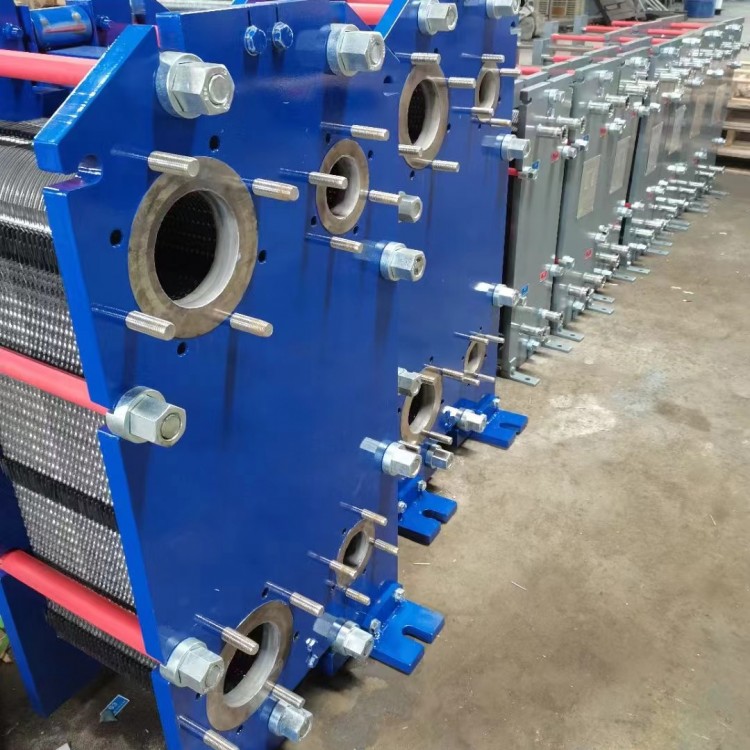
Plate Heat Exchangers, Demountable Spiral Plate Heat Exchangers

Waste Gas Heat Recovery Heat Exchanger, Waste Gas Heat Recovery Heat Exchanger, Environmental Protection Field, Heat Exchange Equipment, 3

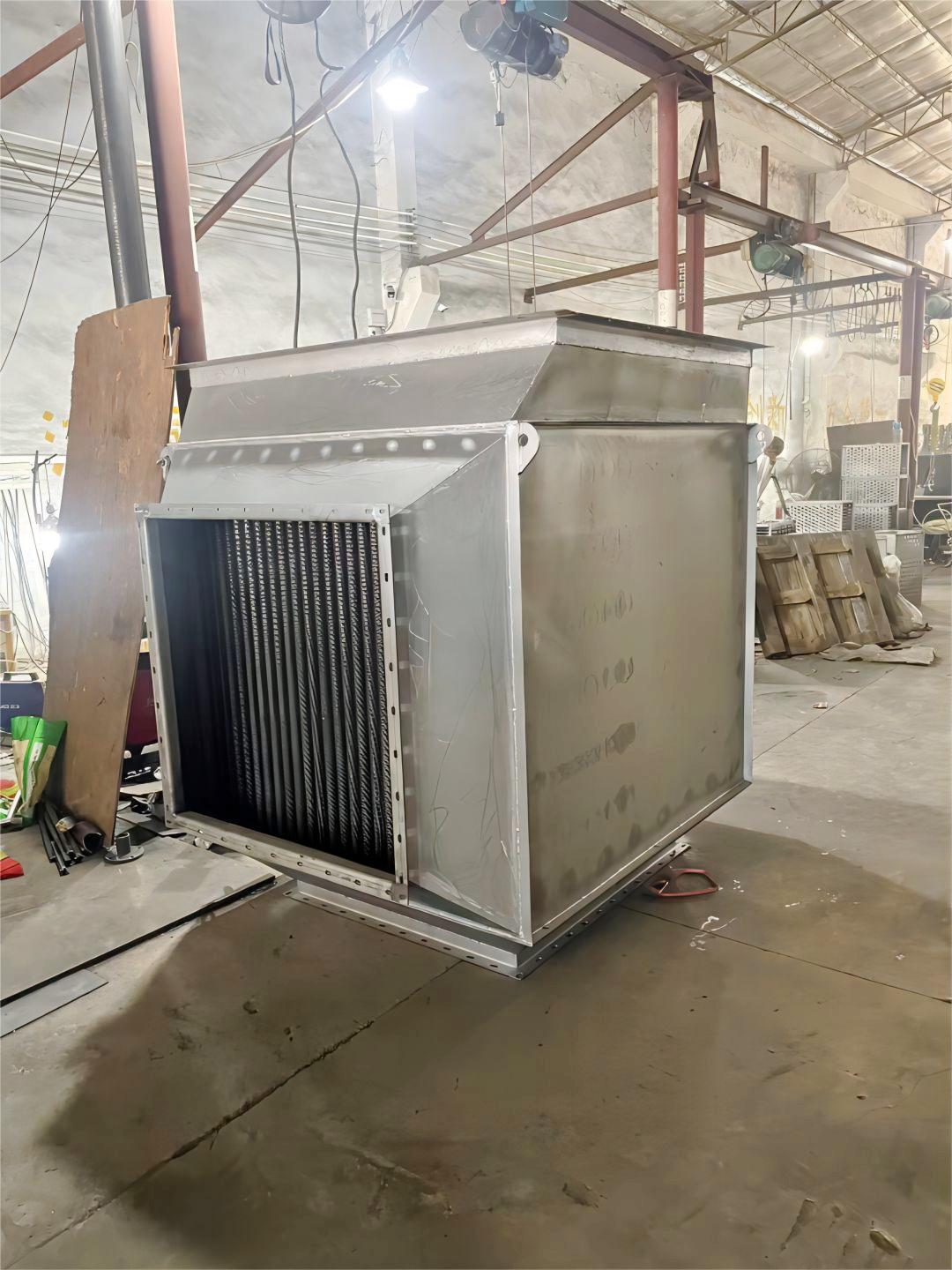
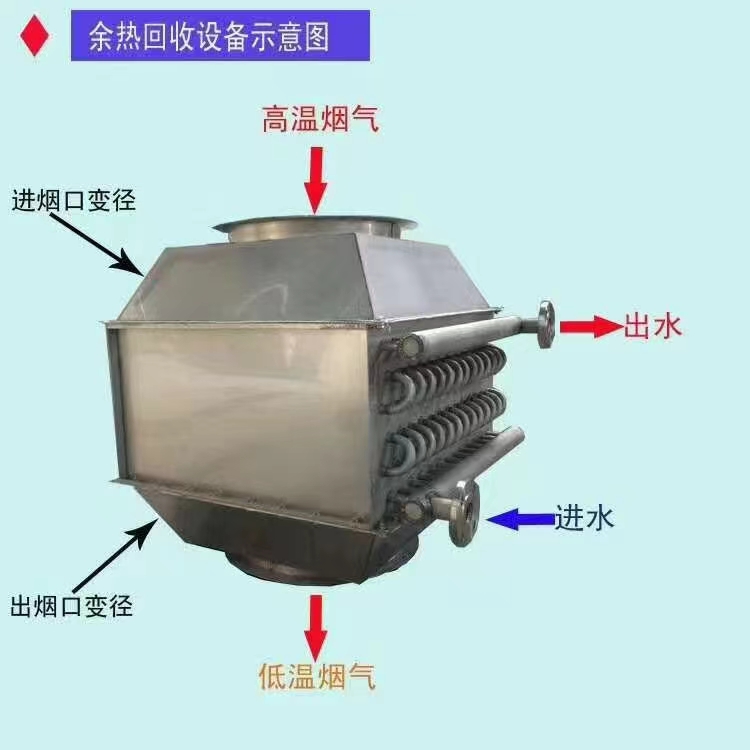
Waste Gas Heat Recovery Heat Exchanger | Environmental Protection Field | Heat Exchanger Equipment | 304 Stainless Steel Energy-Saving Device


详情描述
The air heat exchanger features the following characteristics:
High heat exchange performance
1. Large heat exchange area; the fins are securely welded to the base pipe using high-frequency welding, significantly increasing the heat exchange area. The presence of fins greatly enhances the contact area between air and the heat exchanger, allowing for more heat exchange within a unit of time, thereby significantly improving the heat exchange efficiency.
2. Excellent thermal conductivity; high-frequency welding ensures a tight connection between fins and the base pipe, resulting in low thermal resistance. Heat is rapidly and efficiently transferred from the base pipe to the fins, then to the air, minimizing loss during the heat transfer process and enhancing heat exchange efficiency further.
II. Compact Structure
1. Compact in design; due to high heat exchange efficiency, the high-frequency welded air heat exchangers are relatively smaller in size, with a compact structure and minimal space requirement. This offers a significant advantage in spaces with limited room, such as small factories, laboratories, and ships.
2. Easy to install; its compact structure design simplifies the installation process, adapting to various installation environments and space requirements, thereby reducing installation difficulty and costs.
Three, strong adaptability
Wide temperature range adaptability; operates normally across a broad temperature spectrum, maintaining excellent heat exchange performance in both high and low-temperature environments. For instance, in high-temperature conditions such as petrochemical plants and power stations, as well as scenarios requiring low-temperature cooling, high-frequency welded air heat exchangers can perform effectively.
2. Good medium adaptability; well-suited for various mediums such as steam, hot water, heat transfer oil, and air, catering to heat exchange requirements under diverse operating conditions.
High mechanical strength
1. Robust Welding; High-frequency welding technology ensures a strong bond between the fins and the base pipe, capable of withstanding significant mechanical stresses and vibrations, thus preventing issues like fin loosening or falling off, guaranteeing the long-term stable operation of the heat exchanger.
2. High-pressure resistance; boasts excellent pressure-bearing capabilities, capable of withstanding certain pressures and impacts, suitable for systems with stringent pressure requirements, such as high-pressure gas heat exchange in industrial production.
Five, significant energy-saving effect; high energy efficiency heat exchange performance reduces the energy consumption required for the same heat exchange task, achieving the goal of energy conservation. Particularly during long-term operation, the energy-saving effect is even more pronounced, enabling substantial savings in energy costs for users.
Six. Long lifespan
High-quality materials; typically made from superior steel and stainless steel, offering excellent corrosion and wear resistance, capable of withstanding erosion from air and medium contaminants, thereby extending the lifespan of the heat exchanger.
2. Process Assurance; Strict manufacturing processes and quality control ensure the heat exchanger's quality and performance stability, allowing for a longer service life under normal use and maintenance.
Seven, Low maintenance costs; simple structure, reliable operation, and low likelihood of failure reduce maintenance workload and costs. Even when maintenance is required, due to its compact design, disassembly and installation are relatively easy, saving maintenance time and expenses.
询价单


