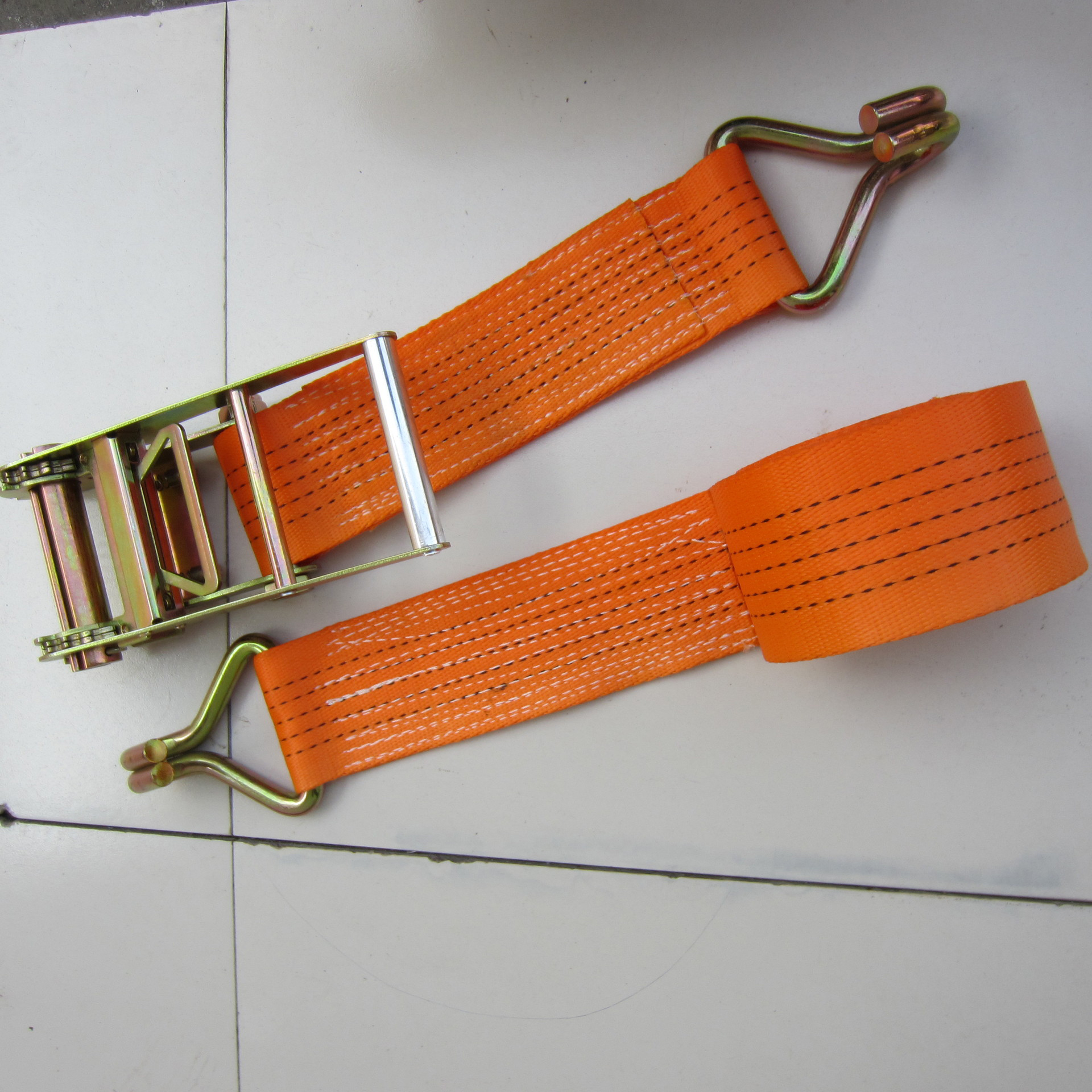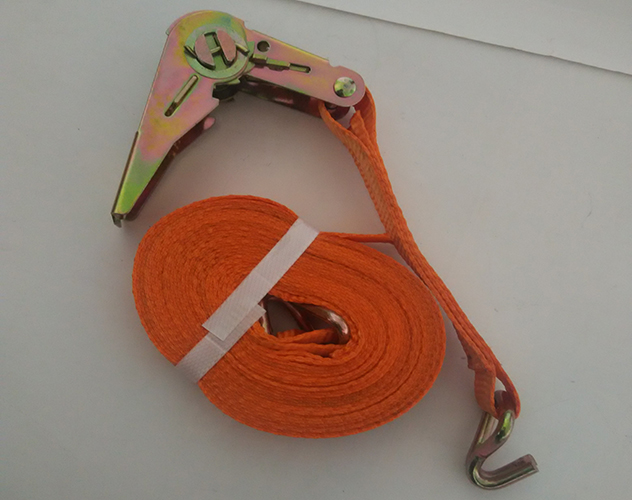


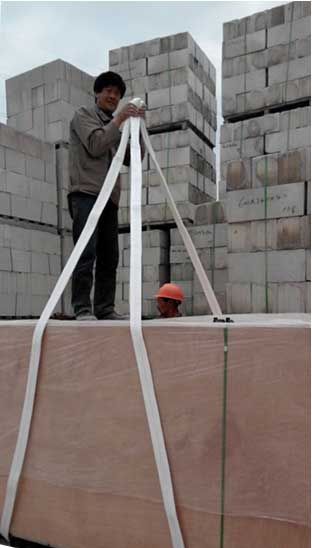
Lifter Rope Netting Factory produces plywood lifting straps, binding straps, disposable flat lifting ropes, cut-resistant lifting straps, plywood lifting straps, plywood lifting and transfer straps, plywood handling during transfer poses a challenge. The strength of the wire ropes commonly used in daily operations, however, can cause marks and pulling that damage plywood, making export handling and lifting difficult. Lifter Rope Netting Factory utilizes high-strength nylon webbing and advanced industrial technology to create specialized plywood lifting straps for export companies, including disposable plywood lifting straps. The plywood lifting straps are woven from high-strength fiber materials on a weaving machine and then stitched with industrial sewing machines. The most commonly used types are ring-shaped flat lifting straps and two-end buckle flat lifting straps. Depending on different environmental conditions, straps made from various fiber materials or special fibers can be selected, and different processing and stitching techniques can be used to meet various usage requirements. Currently, the main materials used are high-strength polyester, nylon, and polypropylene. Each flat lifting strap can lift up to 40 tons individually, with a coefficient of 4 to 8 times. They are both lightweight and sturdy. Flat lifting straps are mainly made of nylon fibers (polyamide synthetic fibers), polyester fibers (polyester synthetic fibers), and polypropylene fibers (polypropylene synthetic fibers). Each has its unique properties and is suitable for different environments, but lifting straps of different materials should not be mixed. 1. Lightweight and soft: weighs only 25% of the same metal lifting equipment, making it easy to handle, transport, and store. It does not damage the surface of the lifting item (including the paint layer) and poses no harm to the human body. 2. Stable and reliable: during use, it has shock absorption, corrosion resistance, aging resistance, non-conductivity, and no sparks in flammable and explosive environments. The elongation under rated load is 1.6%, and the tensile characteristics are close to those of wire ropes. 3. The condition of the lifting strap is easily visible, and daily inspections are straightforward and simple. A well-looking lifting strap can be considered in good condition. 4. Synthetic fiber lifting straps are soft and easy to handle. 5. Corrosion-resistant and non-conductive.