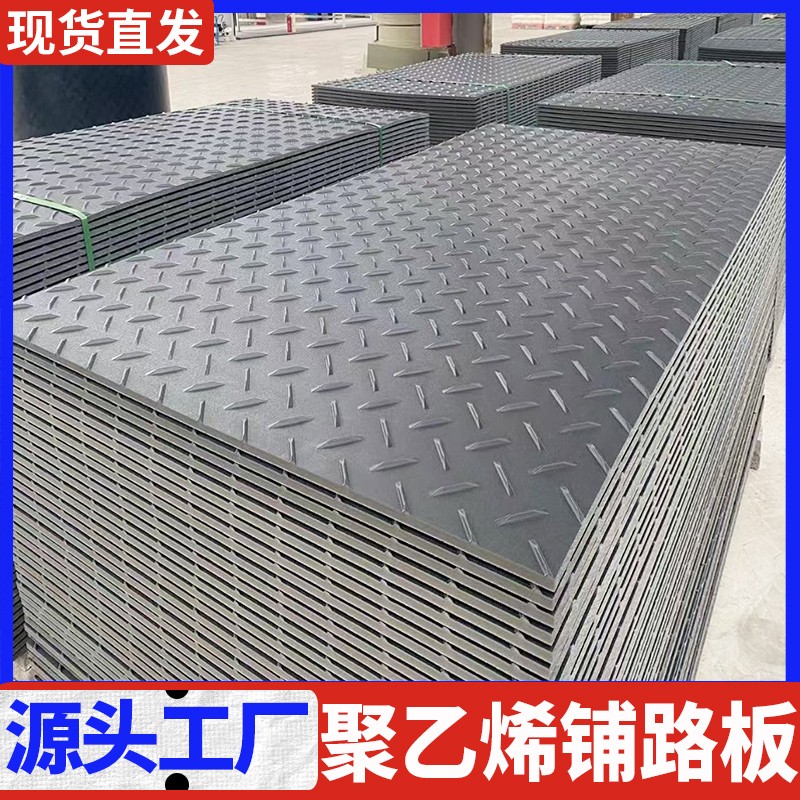
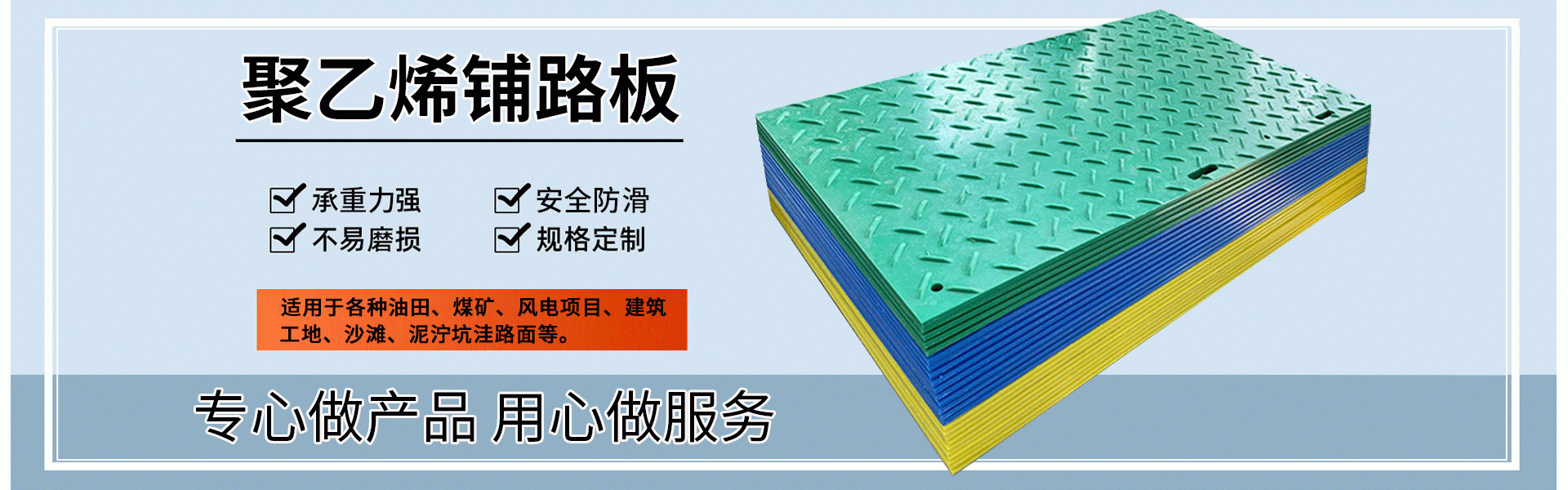
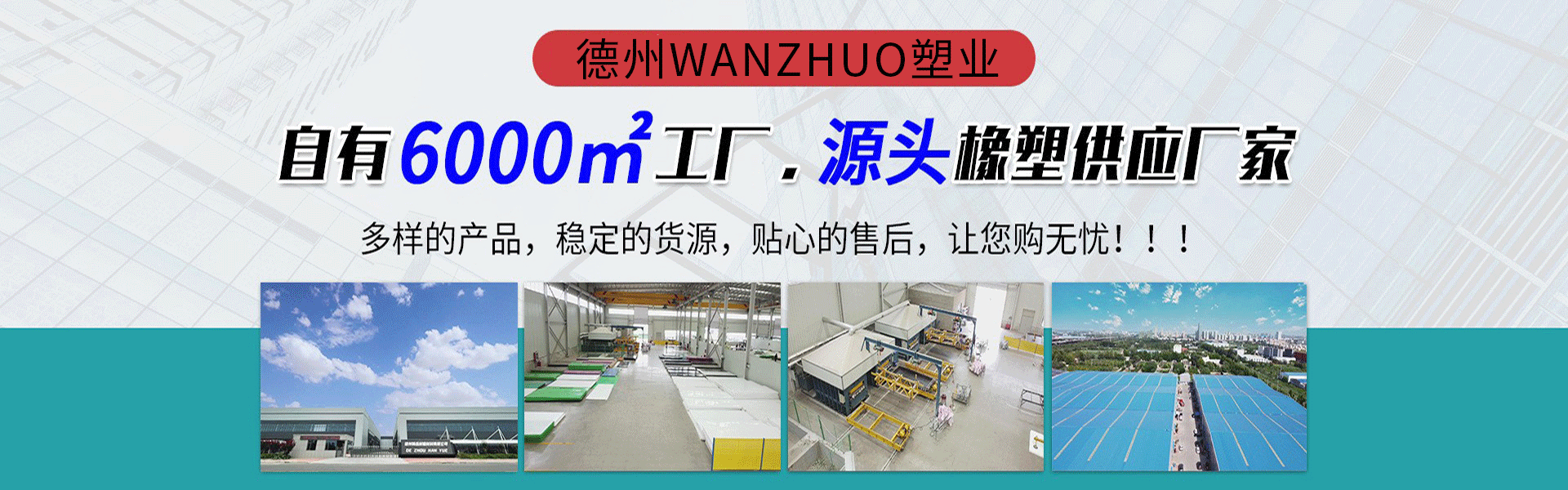





Engineering-grade Eco-friendly Polyethylene Paving Sheets: Advantages and Applications
As global awareness of environmental protection increases, the engineering industry is continuously seeking more eco-friendly and sustainable solutions. Among them, eco-friendly polyethylene paving mats for engineering applications, as a new type of eco-material, are gaining widespread attention and usage. This article will detail the advantages, performance, application scenarios, and actual application effects of eco-friendly polyethylene paving mats for engineering, and look forward to their future development trends.
Background Introduction
In traditional engineering, the use of non-environmentally friendly materials such as cement and steel has led to numerous environmental issues. To address this, eco-friendly polyethylene paving mats for engineering have emerged. These mats are primarily made of polyethylene (PE), featuring lightweight, high strength, corrosion resistance, and easy recyclability, effectively reducing the environmental impact of engineering projects.
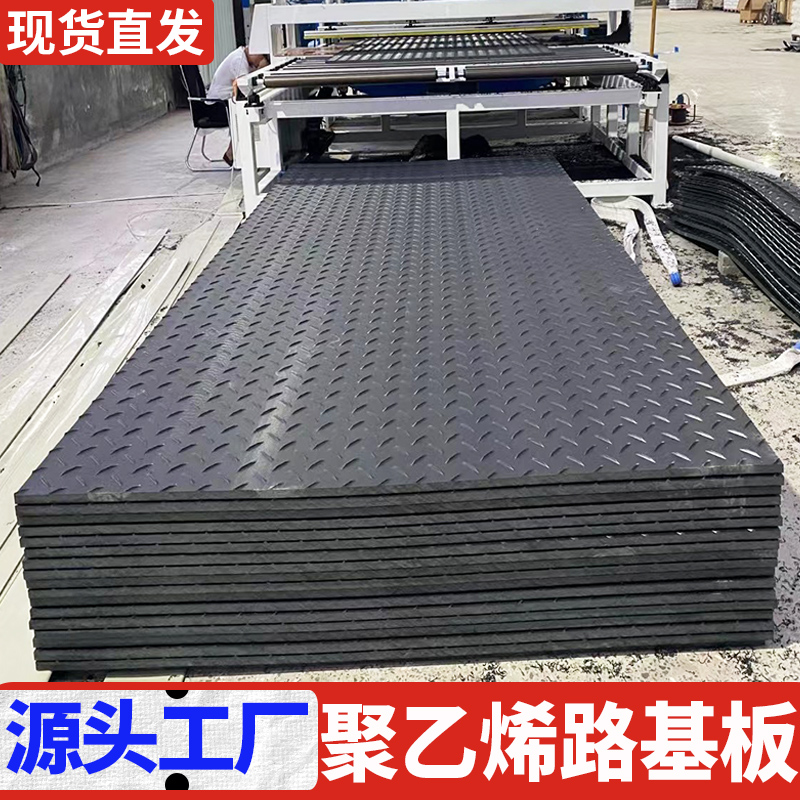
II. Features and Performance
Lightweight: Compared to traditional materials like cement and steel, polyethylene sheeting is much lighter, making transportation and installation easier.
Corrosion-Resistant: Polyethylene materials offer excellent corrosion resistance, capable of withstanding the侵蚀 of various chemicals, thereby extending the service life of the pads.
High Strength: Despite its lightweight nature, the polyethylene mat board offers strength and load-bearing capabilities that match traditional materials, ensuring the smooth progress of the project.
Easy Maintenance: Polyethylene mats are durable, cost-effective to maintain, and user-friendly.
III. Usage Scenarios
Engineering-grade eco-friendly polyethylene paving pads are suitable for various construction scenarios, such as construction sites, roadwork, and bridge construction. In diverse complex terrains and harsh environments, these polyethylene pads provide stable and reliable support and protection for projects. Moreover, due to their environmental-friendly characteristics, the polyethylene pads also
Utilized in marine engineering and river/lake management sectors to minimize environmental damage.
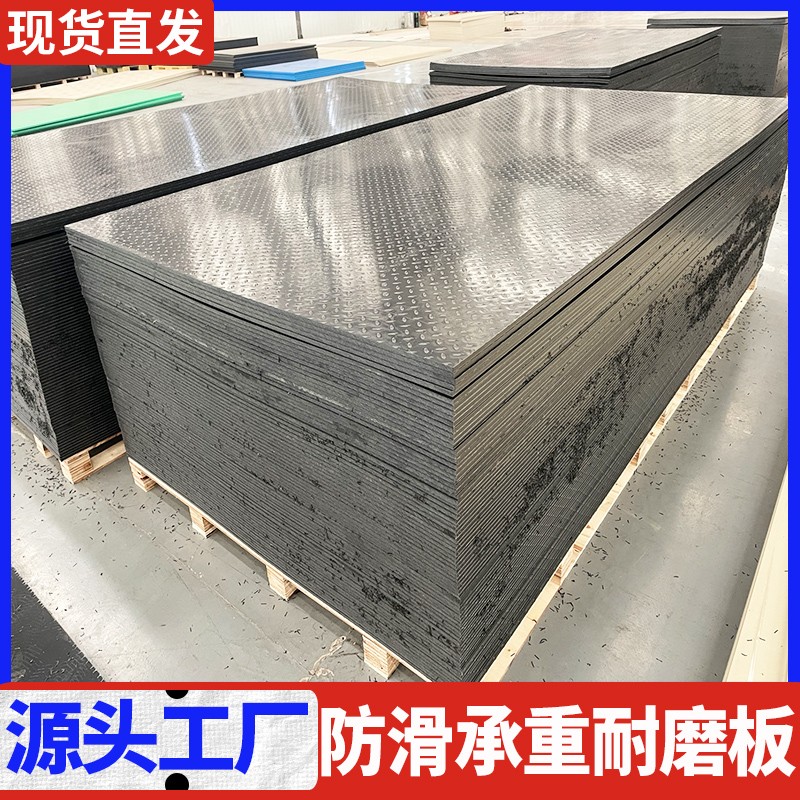
Actual Application
In the city's road expansion project, engineering-grade eco-friendly polyethylene road mats have been utilized. Compared to traditional cement materials, these mats significantly reduce noise and dust during installation, effectively improving the construction environment. Moreover, due to their lightweight and easy transportability, construction efficiency is greatly enhanced. Throughout use, the mats exhibit excellent corrosion resistance and load-bearing capacity, providing robust support for the project's smooth progress. Additionally, the project aligns with sustainable development standards due to the use of recyclable materials.
V. Conclusion
Engineering-grade eco-friendly polyethylene paving mats, as a new type of green material, boast significant advantages and broad application prospects. Their lightweight, corrosion-resistant, high-strength, and eco-friendly features make them play a crucial role in various engineering projects. With the continuous advancement of technology and the increasing awareness of environmental protection, engineering-grade eco-friendly polyethylene paving mats are expected to see wider application and development in the future. Meanwhile, enhancing research and development efforts and further expanding their application fields will also be a key direction for future development.