
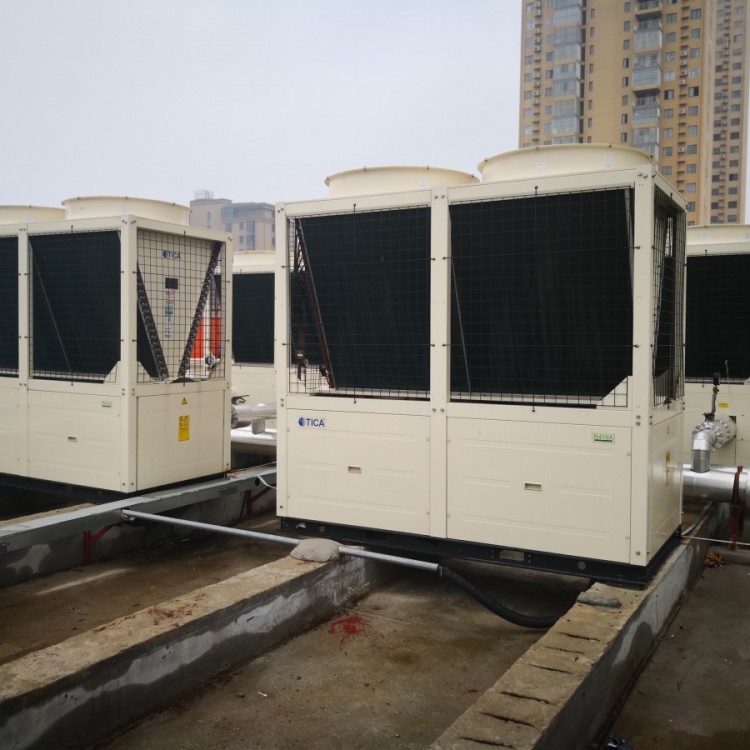
 Air Conditioning Unit Noise Control Company, Cooling Tower Soundproofing and Noise Reduction Unit, Factory Boundary Noise Environmental Protection Enterprise
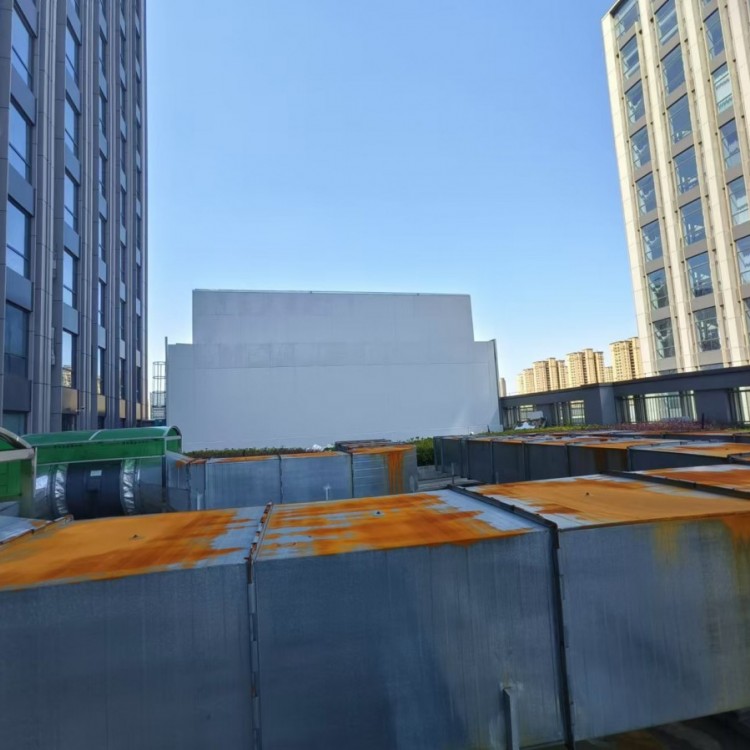 Hotel Cooling Tower Noise Control Company, Central Air Conditioning Soundproofing and Noise Reduction Enterprise, Equipment Machine Room Sound Insulation and Vibration Reduction
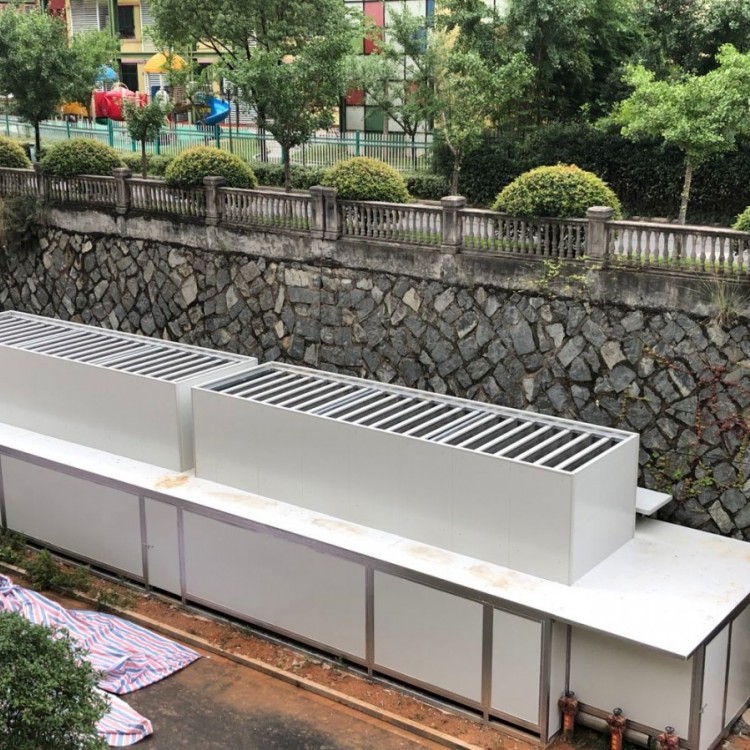 Office Soundproofing and Noise Reduction Company for Office Buildings, Environmental Protection Unit for Air Conditioning Noise Control
 Factory Boundary Noise Control Company, Equipment Soundproofing and Noise Reduction, Environmental Protection Unit, Air Conditioning Cooling Tower Noise Control Enterprise
Product Details





产品Price 88.00/Set
最小起订Quantity:1 Set 供货总Quantity: 100 Set


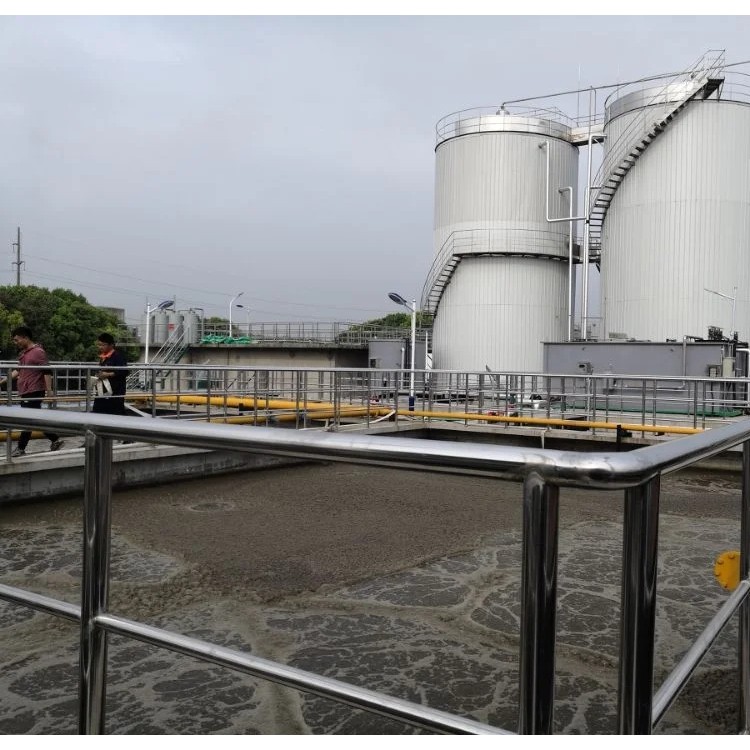 Textile Wastewater Treatment Company, Oil Contaminated Wastewater High COD Treatment Unit, Esterification Sewage Treatment Enterprise
¥88.00
Textile Wastewater Treatment Company, Oil Contaminated Wastewater High COD Treatment Unit, Esterification Sewage Treatment Enterprise
¥88.00
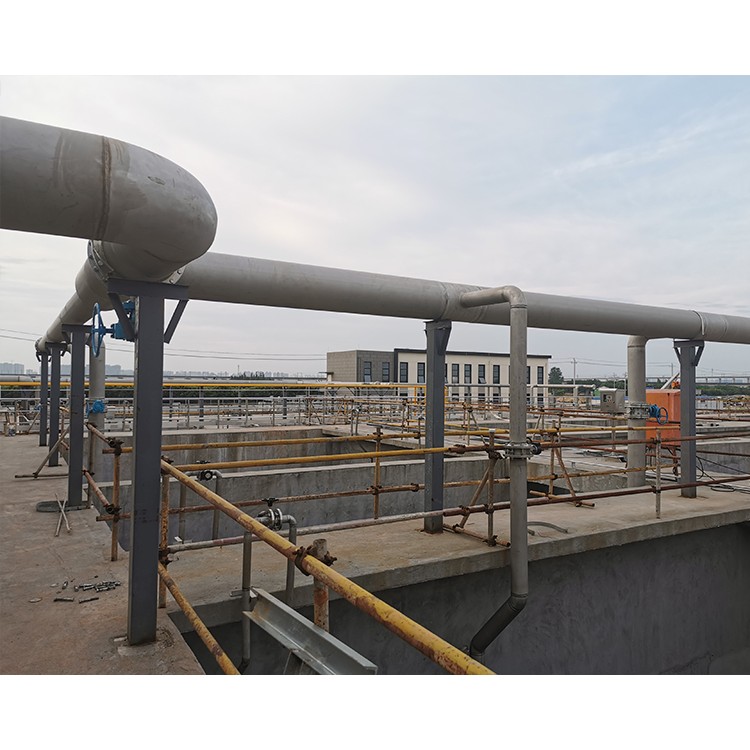 Food processing plant wastewater treatment, food additive wastewater treatment, environmental protection wastewater treatment, water treatment enterprise
¥88.00
Food processing plant wastewater treatment, food additive wastewater treatment, environmental protection wastewater treatment, water treatment enterprise
¥88.00
 Activated Carbon Adsorption Box Manufacturer, Direct Supplier of Adsorption and Desorption Equipment, Adsorption Equipment Manufacturing Company
¥88.00
Activated Carbon Adsorption Box Manufacturer, Direct Supplier of Adsorption and Desorption Equipment, Adsorption Equipment Manufacturing Company
¥88.00
Cooling Tower Noise Control Company | Enterprise Solving Factory Boundary Noise Exceedance and Disturbance Issues | Duct Fan Pump Soundproofing and Noise Reduction Manufacturer Cooling Tower Noise Reduction Equipment, Specialized Factory Boundary Noise Control, Silent Enterprise Choice, Fan and Pump Soundproofing System, Eco-Friendly Noise Reduction Solution, Factory Boundary Noise Compliance, Cooling Tower Noise Control Expert, Silent Fan and Pump, Quality Service Assurance, Professional Noise Control Company, Cooling Tower Pump Silent Upgrade, Factory Boundary Noise Control First, Fan and Pump Soundproofing and Noise Reduction, Eco-Friendly Silent Cooling Tower Equipment, Noise Control Expert, Double Quality Service Assurance, Professional Noise Reduction Equipment, Cooling Tower Pump Silent Retrofit, Eco-Compliant, Noise Control Solution, Fan and Pump Soundproofing System, Factory Boundary Noise, Cooling Tower Noise Control, Silent Pump, Eco-Friendly Noise Reduction First, Silent Fan and Pump, Noise Control Expert, Factory Boundary Noise Compliance Assurance Cooling towers primarily rely on mechanical ventilation for cooling the circulating hot water. Pumps send the circulating hot water to the water distributor, which sprays it out. The water then trickles down over the packing and falls into the sump. Fans draw in cold air, which comes into contact with the dripping hot water, facilitating heat exchange and cooling the water. The noise sources in a cooling tower consist of the following components: (1) Fan intake and exhaust noise (primary noise source) (2) Spraying noise (primary noise source) (3) Fan reducer and motor noise (4) Cooling tower pump, piping, and valve noise Primarily, the noise concerns are the intake and exhaust noise of the fan, as well as the spray noise. The fan radiates noise through its intake and exhaust ports and the tower body. The exhaust port noise is approximately 5-10 dB(A) higher than the intake port noise, with a frequency spectrum characterized by a continuous band dominated by mid-to-low frequencies. The spray noise, produced when the recirculating hot water falls from the spray device and impacts the accumulated water in the water collection pan at the base of the tower, is a high-frequency noise. The intensity of the spray noise is related to the height of the spray and the water flow rate per unit time. Our company conducted noise measurements around the cooling towers of a hotel in Hangzhou, Zhejiang, which have a total of 6 exhaust outlets. When four exhaust vents are operating, the noise level at one meter from the equipment is 75.2 dB(A). Our company specifically designed a high-performance soundproof room below the exhaust outlet of the cooling tower. The dimensions of the soundproof room are: 17.2m x 7.2m x 7.4m. The sound-insulating panels of the cooling tower acoustic room are 100mm thick, consisting of a 0.8mm aluminum perforated panel, protective fabric, 95mm thick sound-absorbing cotton, a 5mm damping layer, and a 0.6mm thick soundproofing panel. The noise-reducing shell of the cooling tower exhaust muffler features an acoustic insulation panel thickness of 100mm, composed of 0.8mm aluminum perforated panel + protective fabric + 95mm thick acoustic cotton + 5mm damping layer + 0.6mm thick soundproofing panel. The acoustic insert thickness of the cooling tower exhaust silencer is 100mm, constructed with 0.8mm aluminum perforated plate + protective fabric + 100mm thick sound-absorbing cotton + protective fabric + 0.8mm aluminum perforated plate.
When all four exhaust vents are operating, the noise level at one meter from the vent is 80.8 dB(A).
When four exhaust vents are operating, the noise level at a distance of one meter from the windows of sensitive residents on the side is 65.2 dB(A).

Phone Consultation