


Product Introduction:
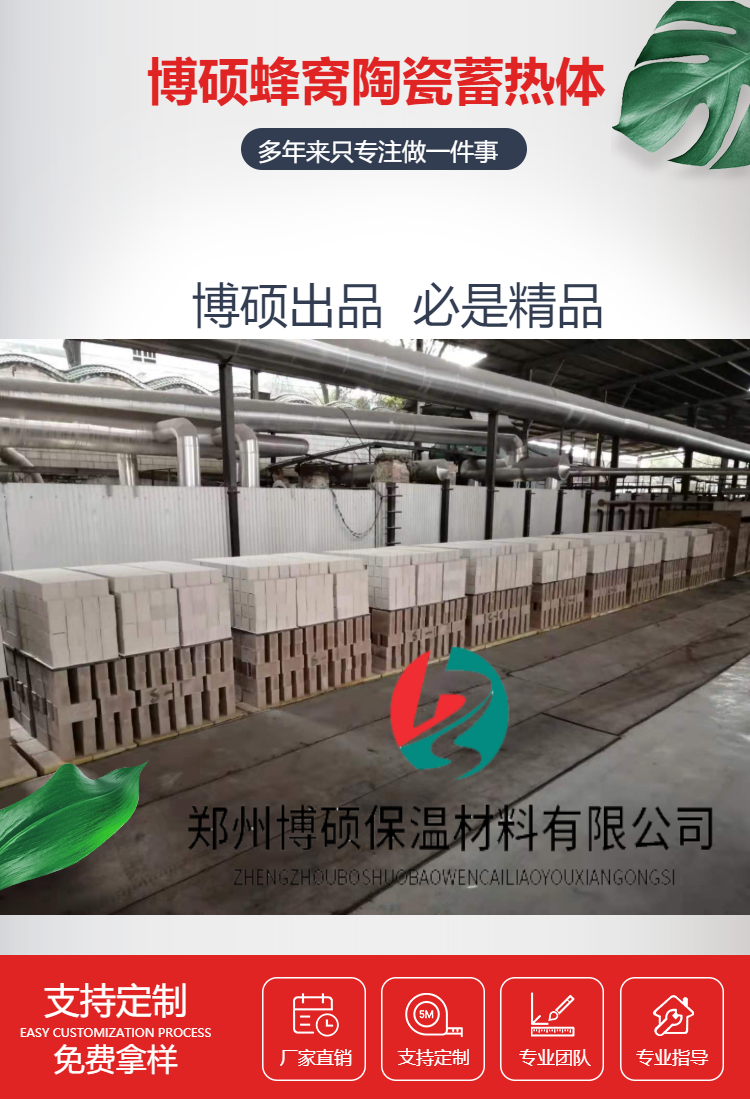
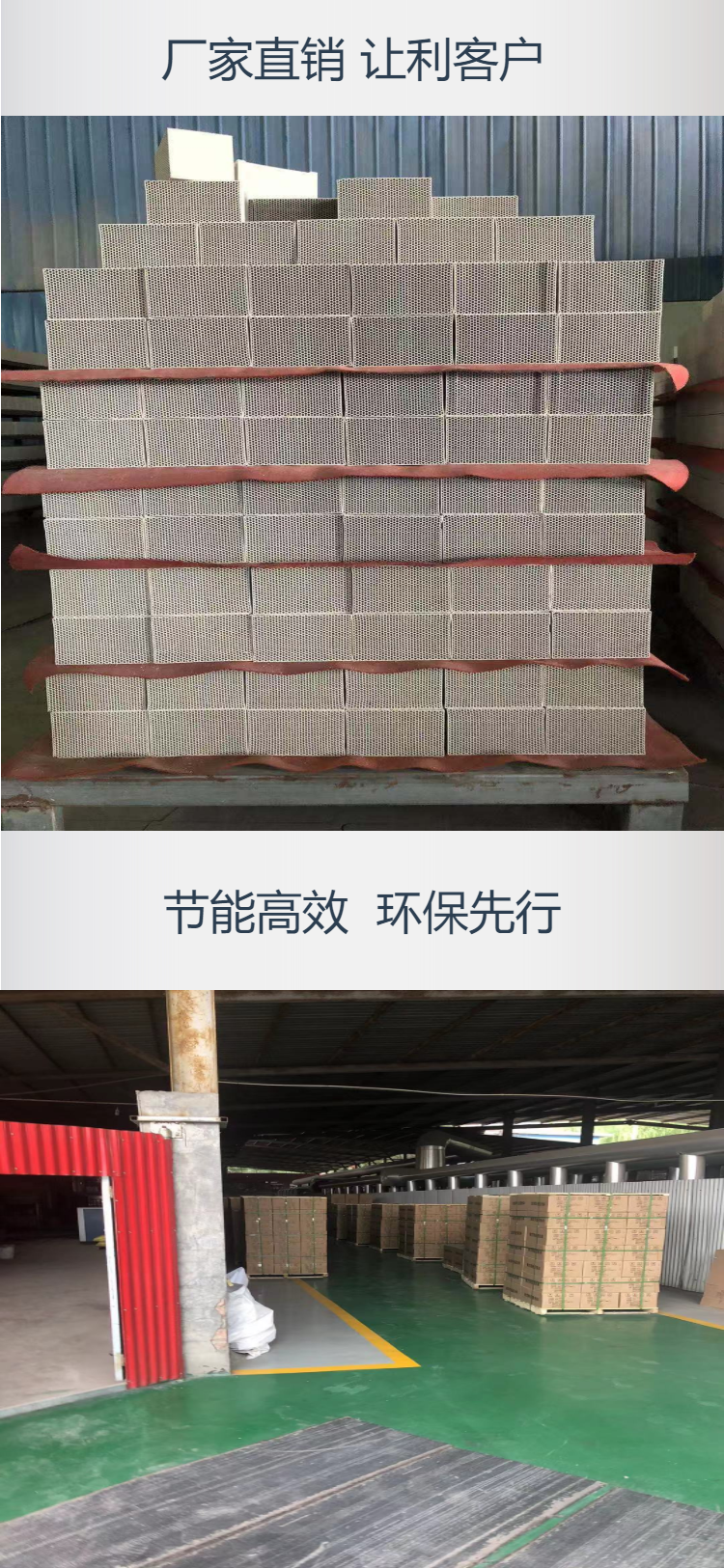
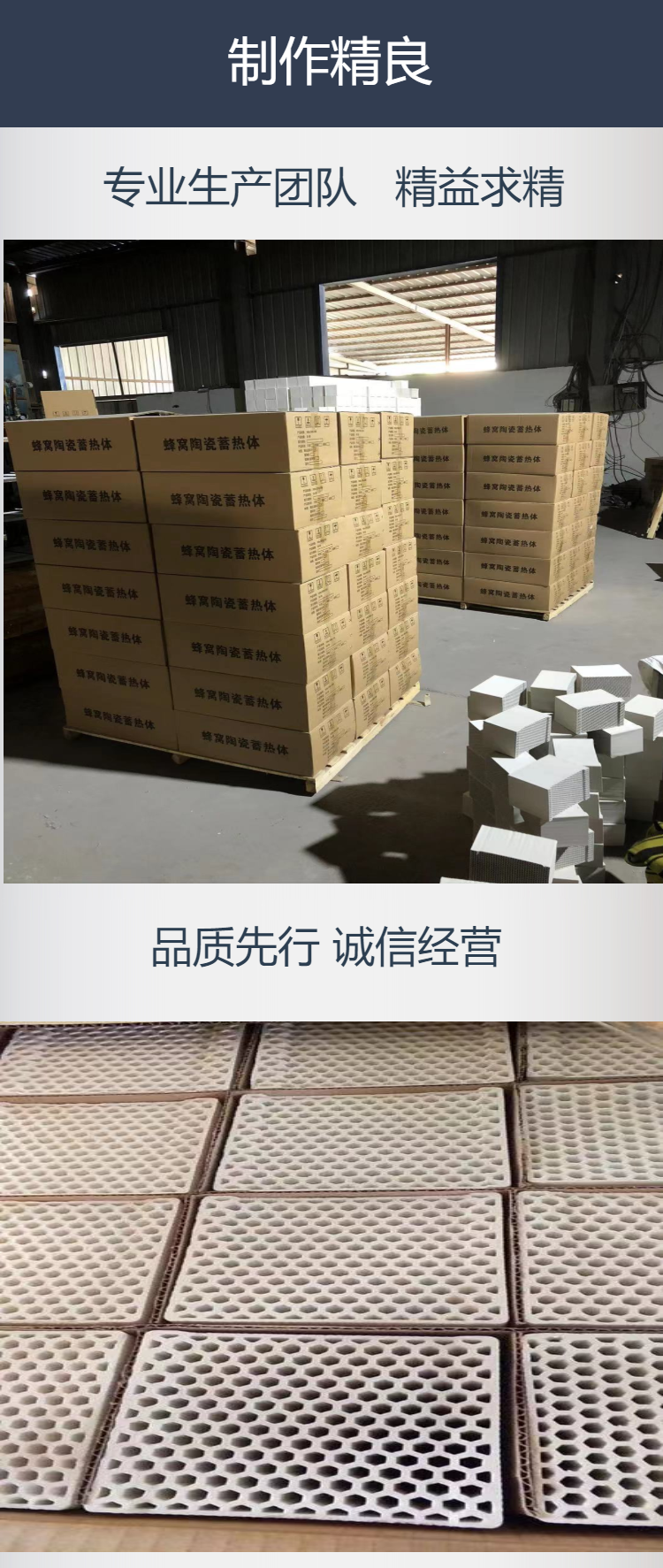
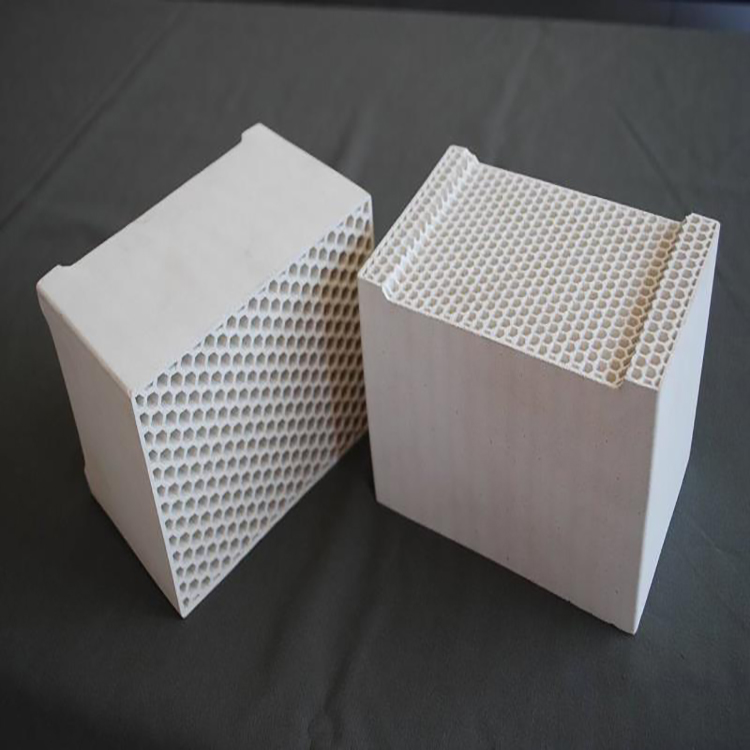
Cellular ceramic heat storage bodies are currently widely used in industrial thermal equipment energy-saving technologies. The honeycomb heat storage bodies are designed for the actual combustion conditions of heating furnaces and can adapt to the low control levels of most heating furnaces. The ceramic heat storage bodies offer high-performance heat storage capabilities.
Product Description:
High-performance honeycomb-type heat storage elements are designed for the actual combustion conditions of our country's heating furnaces, capable of adapting to the low control levels and poor combustion conditions commonly found in our country's heating furnaces. In the heat exchange process of the high-performance honeycomb-type heat storage elements, the larger the product of the heat storage element's mass density and specific heat capacity, the greater the heat storage and release capacity of the element. Additionally, considering the reversing cycle and service life, as well as the unit volume heat exchange area, these parameters must be comprehensively evaluated to complete the selection of heat storage heat exchange technology. More frequent reversing also affects the service life of both the honeycomb-type heat storage elements and the reversing equipment. The heat storage elements have the advantages of low pressure loss, large specific surface area, and fast heat transfer rate. Theoretically, a heat storage combustion system using high-performance honeycomb-type heat storage elements is more conducive to改造 existing furnaces and achieves higher heat recovery efficiency.
If the honeycomb heat storage body has strong adaptability and a long service life, it will undoubtedly promote the wide application of heat storage heat exchange technology in industrial furnaces.
1. High耐火Degree: For regenerative combustion systems, the preheating temperature efficiency of the combustion air or (and) gas is high, typically reaching levels only 100~200℃ below the flue gas temperature. Therefore, the regenerative body operates under high temperatures for extended periods, necessitating a high refractory requirement. For general small billet heating furnaces, the flue gas temperature ranges from 1,250~1,300℃, while for high-temperature large billet heating furnaces, it can reach up to 1,400℃ or even higher. This illustrates that different application conditions have varying requirements for the refractory material of the regenerative body.
2. Thermal Shock Stability: Based on the heat exchange process within the heat storage chamber, the heat storage medium operates under conditions of repeated heating and cooling for an extended period. The surface and internal temperatures of the medium undergo periodic changes over time. If the thermal shock stability of the heat storage medium does not meet certain requirements, it may fracture under the frequent thermal expansion and contraction, blocking the airflow channels and increasing pressure loss. This can affect the heat exchange efficiency of the heat storage chamber, and in severe cases, may cause the heat storage chamber to fail to operate normally, necessitating the replacement of the heat storage medium. According to the properties of refractory materials, the higher the density, the greater the thermal expansion coefficient, and the poorer the thermal shock stability. Additionally, materials with high density are generally denser and have greater heat storage capacity. Therefore, when selecting the formula for heat storage materials, it is important to maximize density while ensuring the thermal shock stability of the material.
3. Structural Strength: The heat storage chamber is assembled from layered and staggered individual heat storage bodies. Under actual high-temperature working conditions, the lower heat storage bodies must bear the weight of the upper layers and themselves. Therefore, it is essential for the heat storage bodies to possess adequate high-temperature compressive strength and resistance to creep. Otherwise, deformation and fracturing of the heat storage bodies may occur, increasing the gas flow resistance and reducing heat exchange efficiency, potentially affecting the safe operation of the heat storage combustion system. Additionally, under the high-velocity scrubbing action of high-temperature dusty gases, the heat storage bodies are prone to wall erosion and defect flaking, so they must exhibit high high-temperature structural strength and softening temperature under load. Experience shows that the long-term working temperature of refractory materials is generally about 100°C lower than their softening temperature under load.
4. Refractoriness, due to the presence of iron oxide dust in the furnace gas of the heating furnace.