
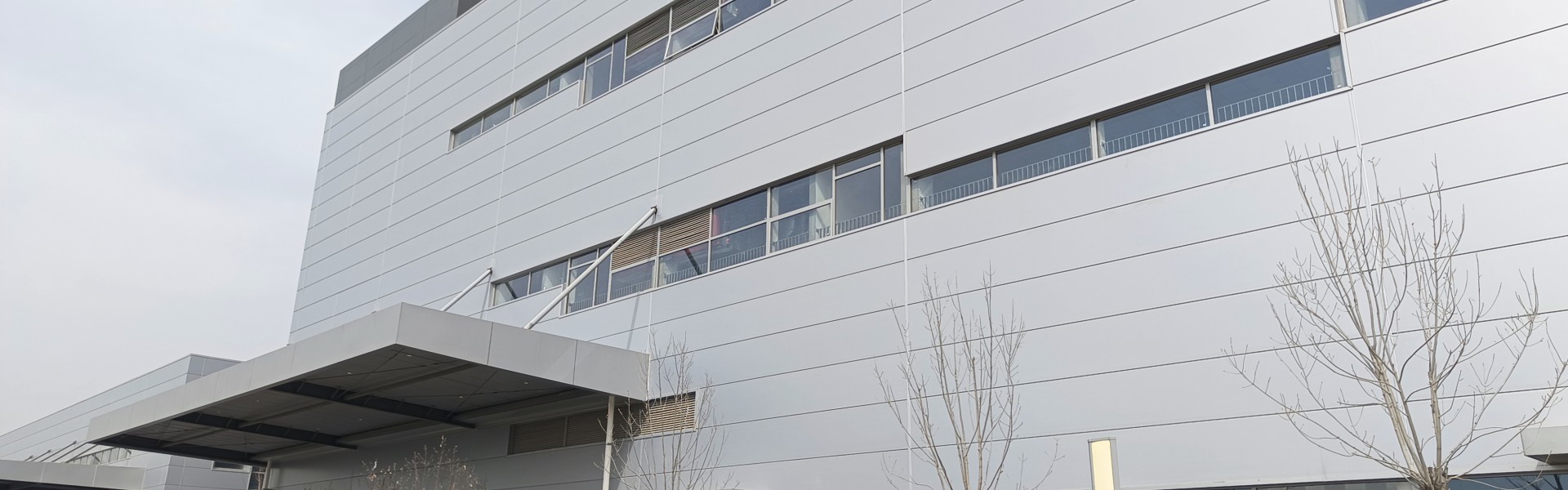
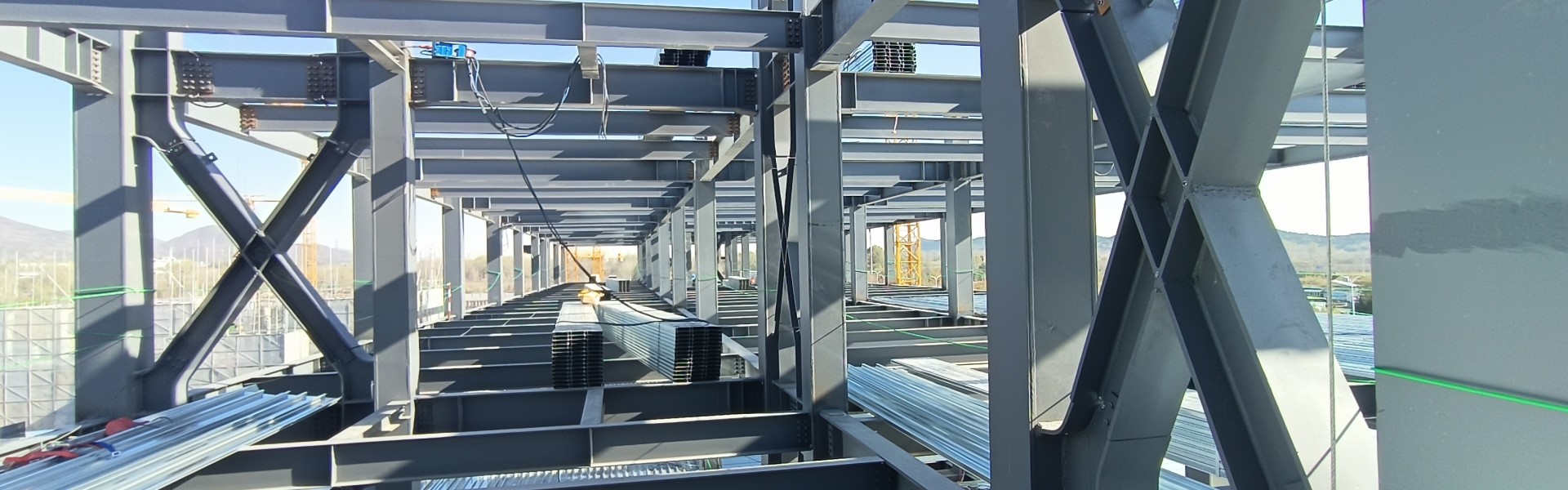
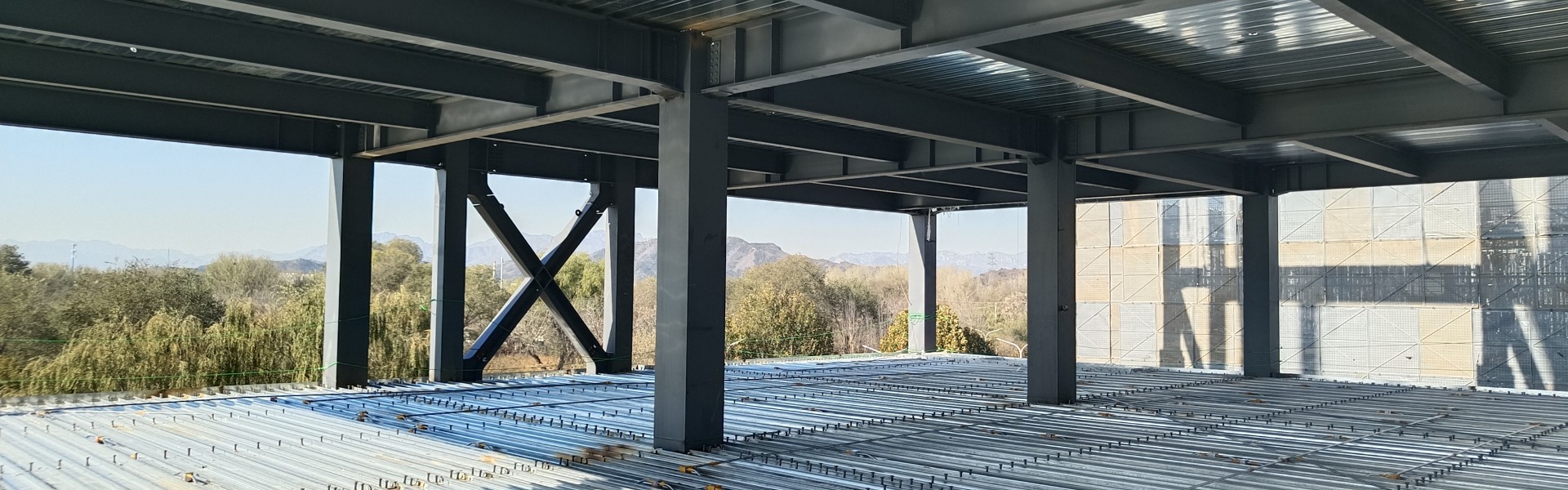
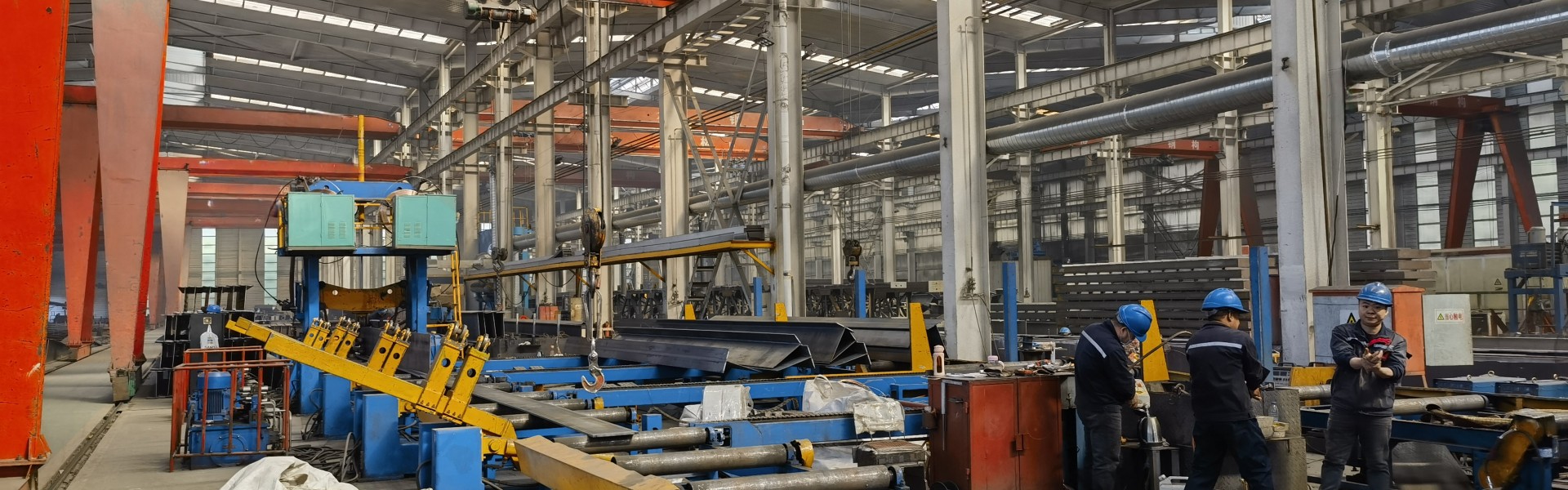
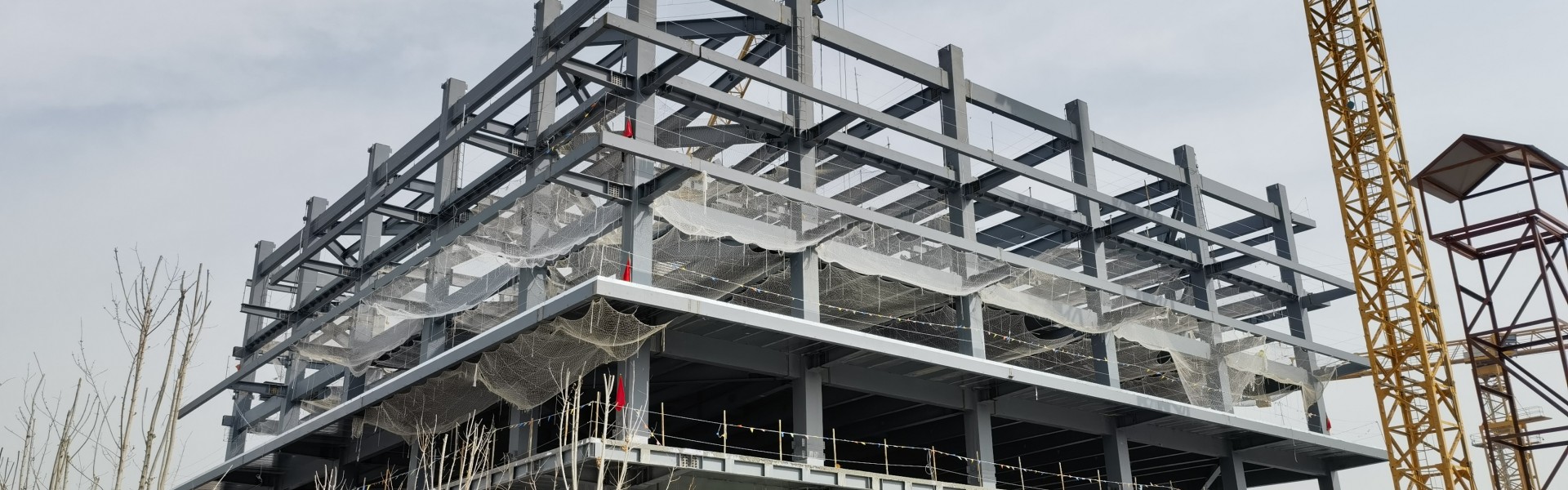

One, if there are gutters, the hanger cannot be designed to be flush against the column, otherwise it may lead to the inability to install downspouts. Additionally, the placement of the gutter downspout, hanger, and inter-column supports must be carefully considered; otherwise, they may either hit the hanger or the inter-column supports.
Secondly, the placement of the basket bolt on the horizontal support should be reasonable and not overly deviated from the main beam. The primary consideration should be ease of installation. Otherwise, workers may have to twist the basket bolt while extending their bodies or use a ladder after the purlins are installed, either way, it can be quite cumbersome.
Tightening the joist bolts in the basket pattern is highly inadvisable. Additionally, consider the placement of the corner supports and avoid placing them where they interfere with the horizontal bracing.
Don't consider factors like "tensile edge and compressive edge" selectively when drilling holes in the tensile holes of joists, creating holes with unequal top and bottom margins. This is because it's easy to install them upside down during assembly, which can actually be detrimental.
Four, the corner boards for windows and doors cannot be generalized, as during construction, you cannot ensure that the boards are positioned on the crest or trough of the corrugated panels.
When undertaking large-scale projects, the detailed drawing number must consider the ease of production, shipment, and installation.
Six, be sure to understand the true meaning of the "load and other data" provided by Party A, as Party A often lacks understanding of such technicalities. We need to think from their perspective; once the preliminary work is done well, the subsequent tasks become much more manageable.
Seven, the positioning of high-strength bolts should be reasonable, considering the construction space for tensioners and torque wrenches. Avoid situations where, due to limited space, the tensioners and torque wrenches cannot be properly positioned, leading to the inability to break the梅花heads of high-strength bolts or tighten the bolts securely.
Eight, when possible, use an up-and-down symmetrical bolt arrangement for high-strength bolted connections. There was a case where there were four bolts above and six below the middle connection, and the workshop workers accidentally reversed some of them during assembly, resulting in a mismatch on-site.
Nine: If light steel structure is to be paired with maintenance brick walls, it is crucial to coordinate with the construction unit and civil engineering contractor in advance. This is because it involves both civil engineering and steel structure aspects. The brick walls in civil engineering may not be perfectly straight, and the waterproofing of the color steel panels cannot be neglected.
The gaps between the color steel sheets and brick walls vary in size, making it challenging to properly handle the water-proofing at the junctions. Builders should be mentally prepared for this.
Ten, anchor bolts are usually buried by the civil construction unit, and the steel structure manufacturer provides the drawings. Sometimes, they can rotate the position of the anchor bolts by 90 degrees, and by the time of re-inspection, it's too late; it's not uncommon to have size deviations with offsets of 50~100mm. Therefore, during construction...
Be sure to remind that there is a written basis for the disclosure (self-protection, perhaps?).
Eleven, the connection between wind-resistant columns and steel beams should preferably be made using spring plates, as the beams in the middle span tend to sag downwards significantly after installation. If the beams of the gable walls are connected to the wind-resistant columns with bolts, it will result in an uneven roof surface.
Twelve, it is crucial to carefully check the roof rafter layout and the detailed steel beam drawings, as it is common to find discrepancies in the number of rafters between the roof rafter layout and the steel beam detailed drawings.
Thirteen: The node plate lacks stiffeners, and even the designer didn't include them, leading to deformation during subsequent welding.
During the construction of the tie rod connection plate, Liang Zhu failed to extend the holes adequately. In some areas, the tie rod connection plate is too long, resulting in insufficient space, making it impossible to fit the tie rod due to its length. This issue is commonly encountered in some secondary beam structures.
During the construction of a lintel window, the reinforcing rib of the lintel board is oriented towards the window. Therefore, the lintel window cannot pass through this rib. Additionally, when installing lintel beams with lintel windows, it is recommended to use countersunk screws as much as possible.
Sixteen: The upper bar windows near the door frame are too close, leaving no space for an awning.
Seventeen: The tension bars between the upper and lower adjacent joists of the window frame were not properly arranged, resulting in a conflict between the ends of the tension bars and the window frame.
Eighteen: Minimize the types of steel plates and high-strength bolts to consider the material testing costs. Especially when working at a remote location, some site supervisors may not acknowledge the tests conducted by the factory. Would you like to coordinate this matter?
Do not design the connection plates for joists as squares, as they are prone to be misassembled in the workshop.
Twenty, Not insulating the inner trench creates a "cold bridge" inside, leading to phenomena such as dripping and condensation. It is advisable to apply anti-condensation paint under the gutter or spray a polyester insulating layer, or perform other insulating treatments.
Twenty-one: If the roof panels use a sandwich panel, it is estimated that they will leak within half a year (if the span is slightly larger). Inspection revealed several cracks in the outer layer of the roof panels, as the thermal expansion and contraction under repeated sun exposure was not considered.
News Center Co., Ltd.
