
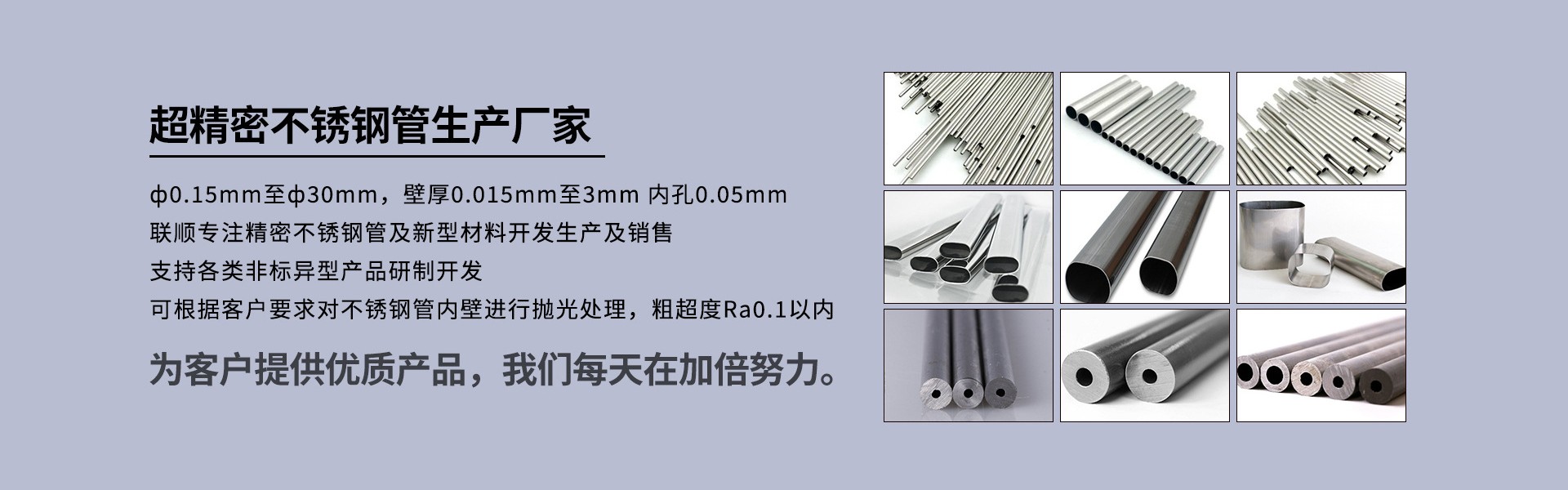
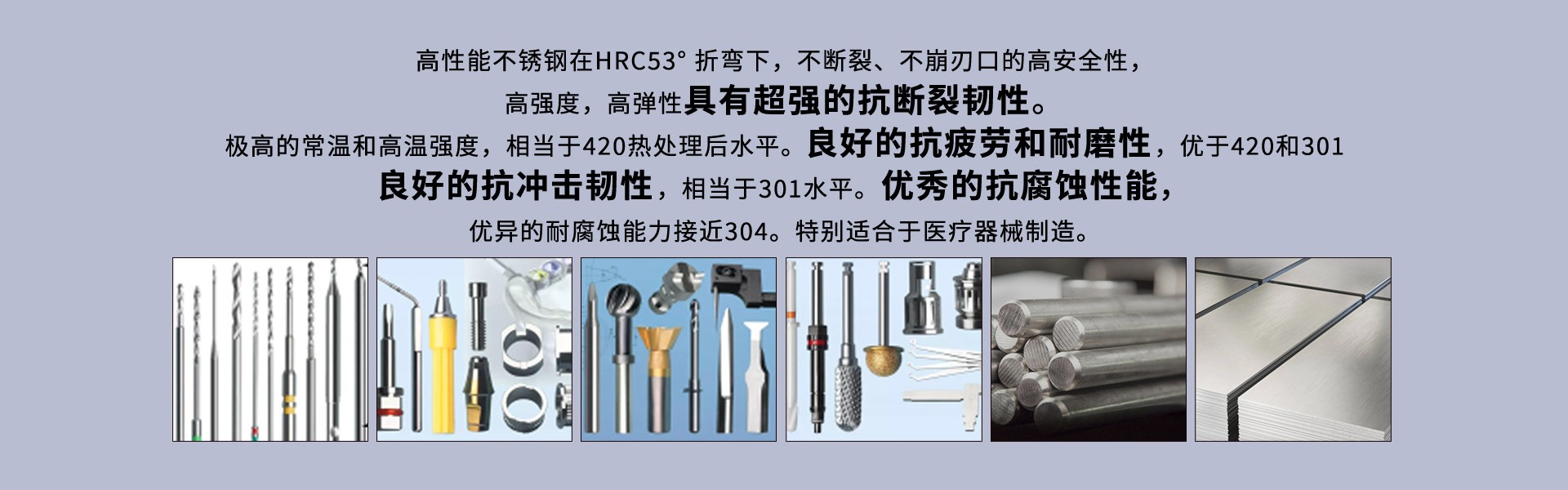


All metals react with oxygen in the atmosphere, forming an oxide layer on the surface. Unfortunately, the iron oxide formed on ordinary carbon steel continues to oxidize, causing rust to spread and create holes. Paint or electroplating with oxidation-resistant metals (such as zinc, nickel, and chrome) can ensure the surface of the carbon steel. However, as is known, this protection is merely a thin film, and if the protective layer is damaged, the underlying steel will begin to rust.
Stainless steel, also known as acid-resistant steel, is a type of steel that resists corrosion from mild corrosive media like air, steam, and water, as well as from chemical agents like acids, alkalis, and salts. In practical applications, steel that resists corrosion from mild media is commonly referred to as stainless steel, while steel that resists chemical media corrosion is called acid-resistant steel. Due to their differences in chemical composition, the former is not necessarily resistant to chemical media corrosion, whereas the latter generally possesses corrosion resistance. The corrosion resistance of stainless steel depends on the alloying elements present, with chromium being the fundamental element that imparts corrosion resistance. When the chromium content in the steel reaches approximately 1.2%, it reacts with oxygen in the corrosive medium to form a very thin oxide film (self-passivating film) on the steel surface, which prevents further corrosion of the base stainless steel tube. Besides chromium, commonly used alloying elements include nickel, molybdenum, titanium, niobium, copper, and nitrogen, to meet the requirements of various applications for the structure and properties of stainless steel.
Stainless steel tubes are typically categorized by their matrix structure:.
1. Ferritic stainless steel, containing 12% to 30% chromium, exhibits enhanced corrosion resistance, toughness, and weldability as the chromium content increases, and has superior resistance to chloride stress corrosion compared to other types of stainless steel.
2. Austenitic stainless steel, containing over 18% chromium, approximately 8% nickel, and trace amounts of molybdenum, titanium, nitrogen, and other elements, boasts excellent comprehensive properties and is resistant to corrosion by a variety of media.
3. Austenite-ferrite dual-phase stainless steel, combining the benefits of both austenitic and ferritic stainless steels, and exhibiting superplasticity.
Martensitic stainless steel is highly strong but has poor ductility and weldability.
5. Precipitation-hardened stainless steel boasts excellent formability and good weldability, making it suitable for use as ultra-high-strength material in the nuclear, aviation, and aerospace industries.
The steel grades are categorized by their composition as Cr-series (SUS400), Cr-Ni-series (SUS300), Cr-Mn-Ni (SUS200), and stainless steel seamless tube factory's precipitation hardening series (SUS600).
Step one: Prepare the tools and materials, check if the specifications of the pipe fittings and pipes match, and ensure the tools are compatible stainless steel plumbing tools.
Secondly, for pipe cutting, pipes with a diameter of 15-50mm should use stainless steel professional cutters. Rotate twice, then slightly tighten the blade and rotate twice more until the pipe is cut. Do not rely on personal strength to lock the blade and cut the pipe in one go, as this may damage the pipe end, making it impossible to insert fittings or injure the rubber gasket. For pipes with a diameter of DN65 or more, always use a hand grinder to remove burrs on the inside and outside of the cut, and create an appropriate external bevel to prevent injury to the sealing ring.
Insert the connection.
Before inserting the pipe fittings, make a deep marking line on the pipe material to prevent them from being pressed in improperly.
Completely remove all internal and external oil污 and debris from the tube end to maintain the cleanliness of the inner tube of the insertion fitting.
Ensure that the sealing rings of the piping components are intact and clean, that they are properly positioned, and that any dirt is thoroughly cleaned away. If the sealing rings are damaged, they must be replaced.
Ensure that the fitting is aligned directly with the pipe and inserted slowly, especially for those that are tighter.304 Stainless Steel PipePlease soak the pipe fittings and seals in clean water before inserting.
6-meter-long steel pipes are mechanically cut at both ends, with sharp tips to prevent damaging the sealing ring of the pipe fittings upon direct insertion. It is required to first cut off a small section from both ends using a cutting tool or grind off the sharp edges with an angle grinder before inserting and clamping the pipe into the fitting.
Four, during the clamping operation, the clamp jaws must be placed perpendicular to the axis of the pipe fittings, and the pipe fitting's bulge ring should be inserted into the groove of the clamp jaws. For safety precautions, operators must stand on the axis of the pipe and not on the left or right sides of the clamp head. Note:.
1) The manual clamp tool features upper and lower fixed modules for the clamping jaws, set at a constant pressure output of 50MPA. The detection standard is to observe the seam of the upper and lower jaws upon one to two presses.
2) The electric large-scale clamping tool is driven by a 220V power motor for cylinder clamping. It is crucial to ensure that the oil pipes and quick connectors are not contaminated. Otherwise, debris entering the oil circuit system can affect the normal operation of the tool. After connecting the main unit and the hydraulic cylinder, turn on the power first and then tighten the pressure relief valve. Wait until the pressure gauge reaches approximately 45MPA or the main unit automatically releases pressure, then open the pressure relief valve. After that, turn off the power and wait for the system to be fully depressurized before removing the clamp head.
