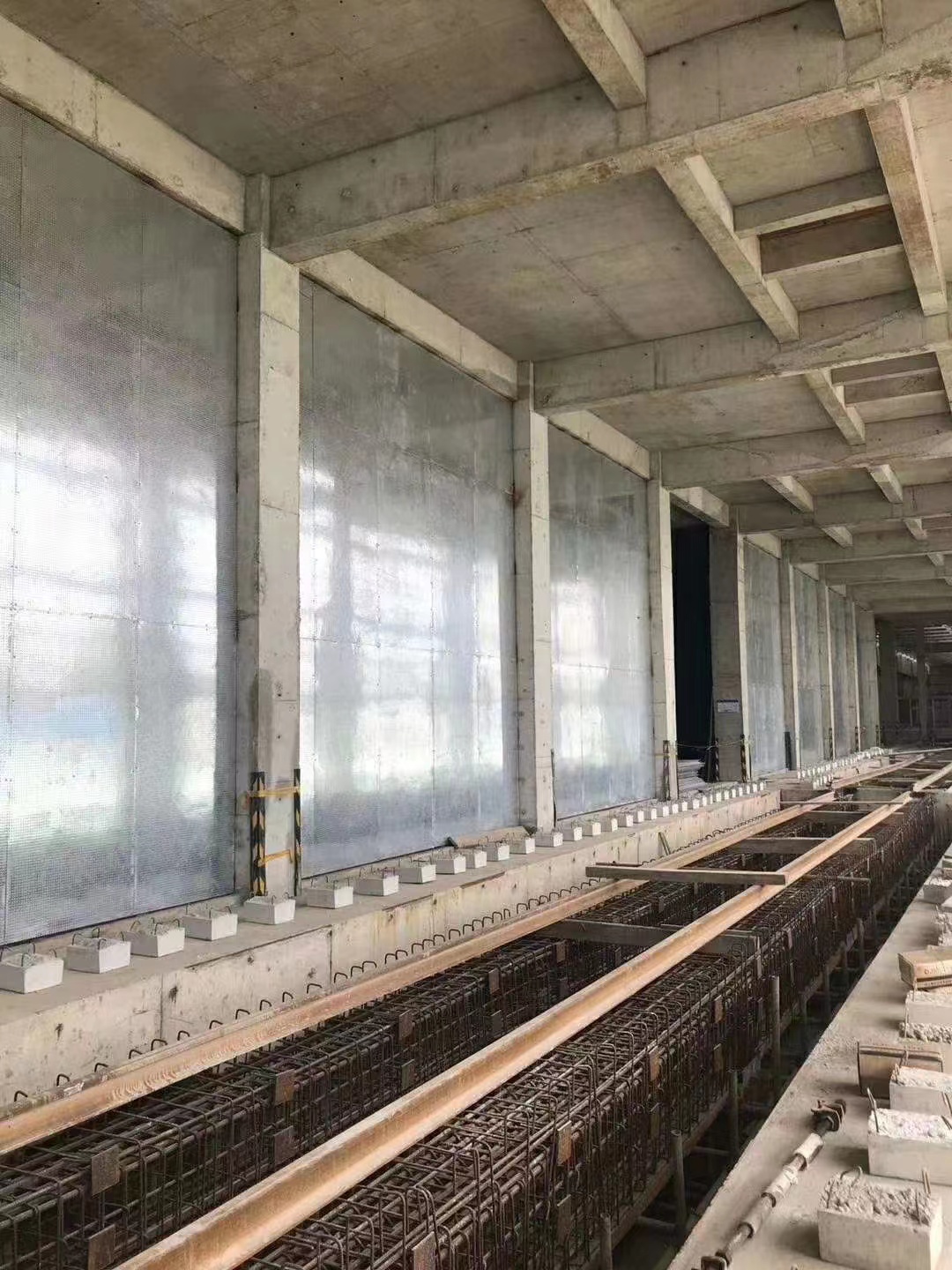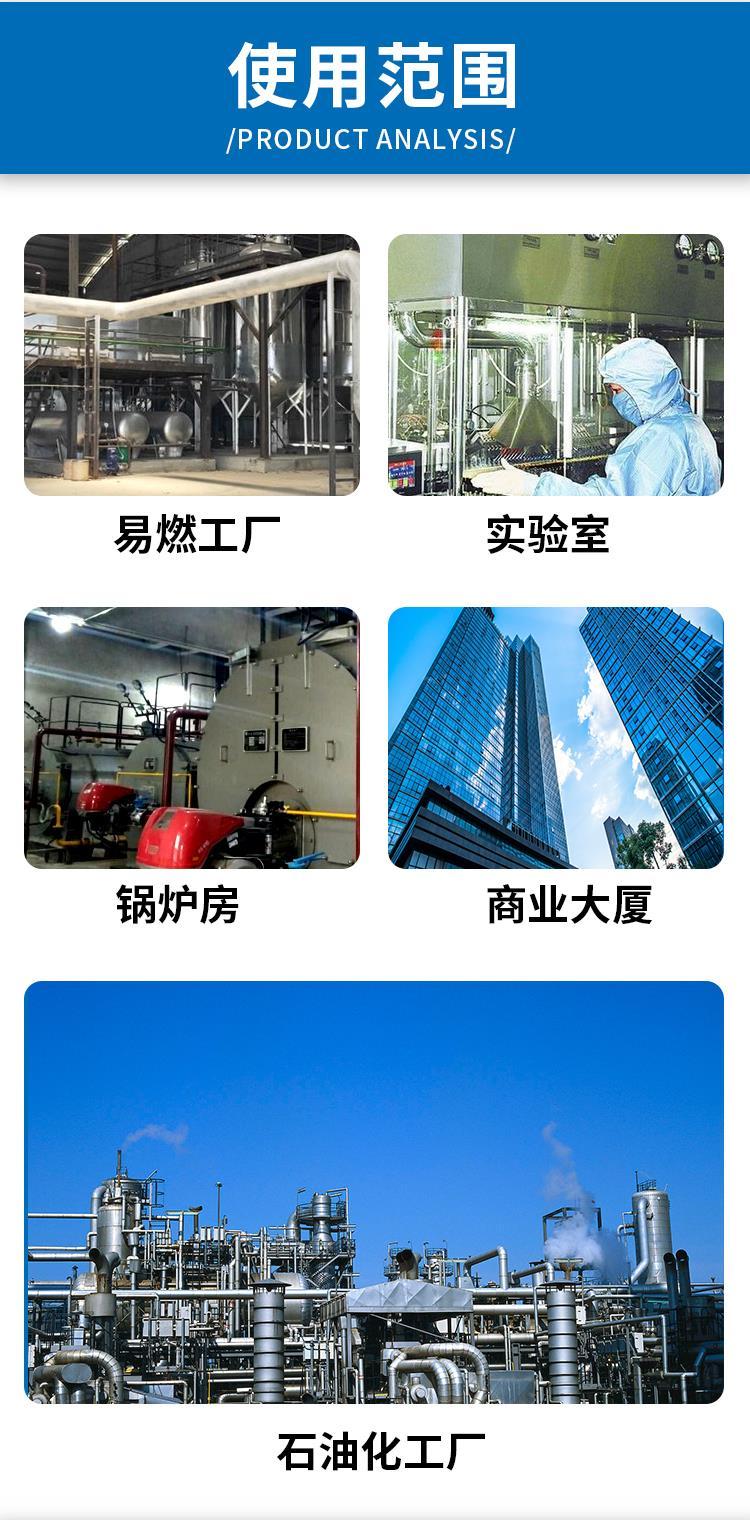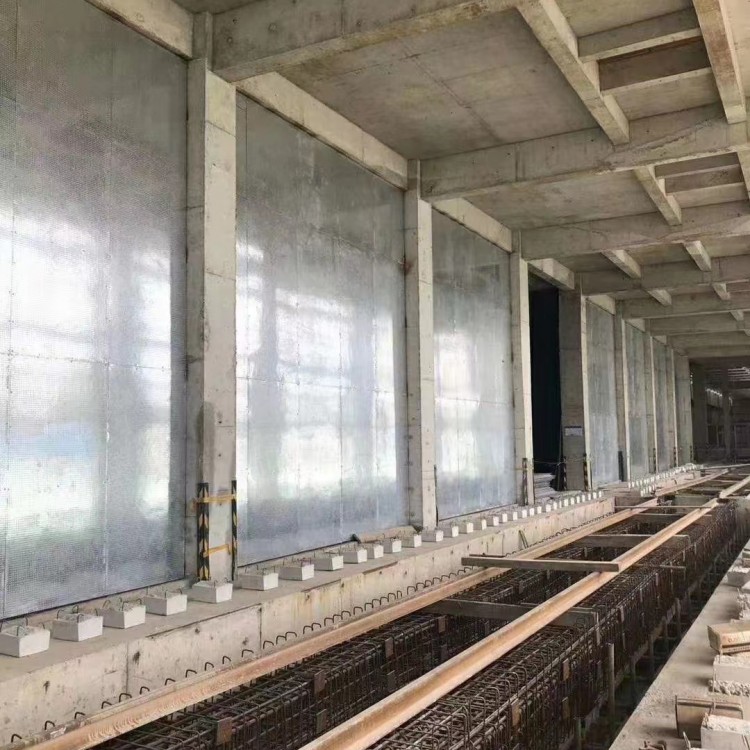


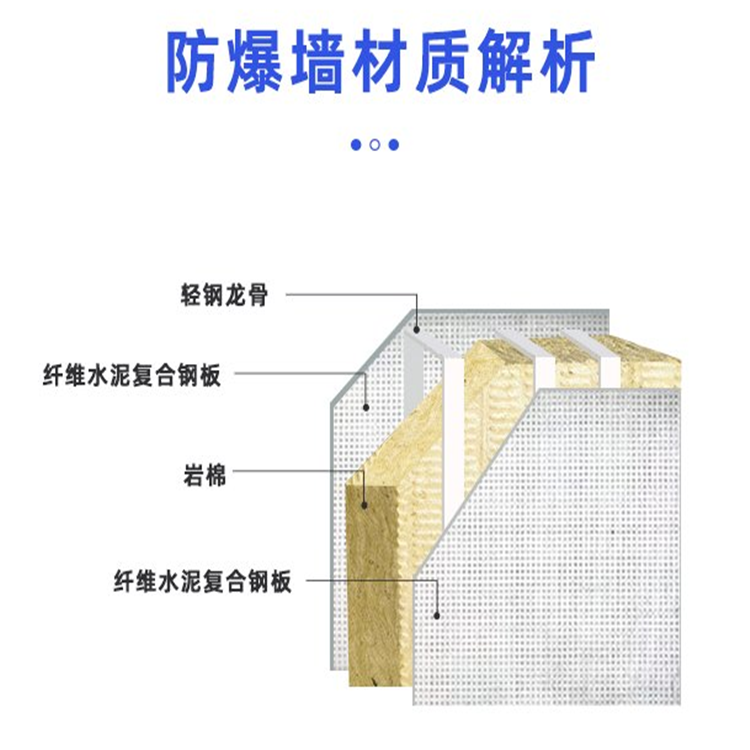
Explosion-proof Wall JOESCO Wall HESCO WALL, capable of withstanding the impact waves of explosions.
A wall that can limit the destructive effects of an explosion to a certain area.
Explosion-proof wall classification
Reinforced concrete blast-resistant walls, steel plate blast-resistant walls, H-beam blast-resistant walls, brick blast-resistant walls, flame-retardant blast-resistant walls
Reinforced concrete blast-proof walls feature sturdy wire binding at the intersections of the steel bars, with wall thickness typically ranging from 30 to 40 cm; the thicker foundation should be buried underground to a depth greater than 1 meter.
The explosion-proof wall should withstand an impact pressure of 3 MPa.
Between equipment with explosive hazards and equipment without explosive hazards,
As well, anti-explosion walls by Josher or other barriers should be set up around equipment with significant hazards.
Other Names: Explosion-Proof Wall, Flood Barrier, Riot Control Wall
Explosion-proof wall design
1. Explosion-proof walls should be made of non-combustible materials and should not be used as load-bearing walls. Their fire resistance should not be less than 4 hours.
2.防爆 walls can be constructed with reinforced brick walls. When there are many production personnel in adjacent rooms or the equipment is particularly valuable, it is advisable to use cast-in-place reinforced concrete walls.
3. Reinforced brick wall thickness should be determined by structural calculations, but it should not be less than 240mm. The brick strength should not be lower than MU7.5, and the mortar strength should not be lower than M5.
Reinforcement Configuration: Place 3Φ6-10 horizontal reinforcing bars through the full length at intervals of 500mm along the height of the wall.
The ends should be tied or welded to embedded rebars in the reinforced concrete frame or column. When the length and height of the brick wall exceed 6 meters,
Reinforced concrete intermediate columns and beams should be installed, and reinforcement should be arranged according to the structure. The concrete strength grade should not be lower than C15.
The end should be connected to the roof beams, frames, and truss columns; the thickness of the reinforced concrete explosion-proof wall should not be less than 180mm.
The concrete strength grade should not be less than C20, and the steel section area is determined by the structural calculation; it is not advisable to drill holes or leave gaps in the explosion-proof wall.
When necessary for the passage of process pipes, cables, etc., the holes should not exceed Φ200mm in diameter, and reinforcing steel should be installed around the hole edges. The holes should be filled and sealed tightly.