


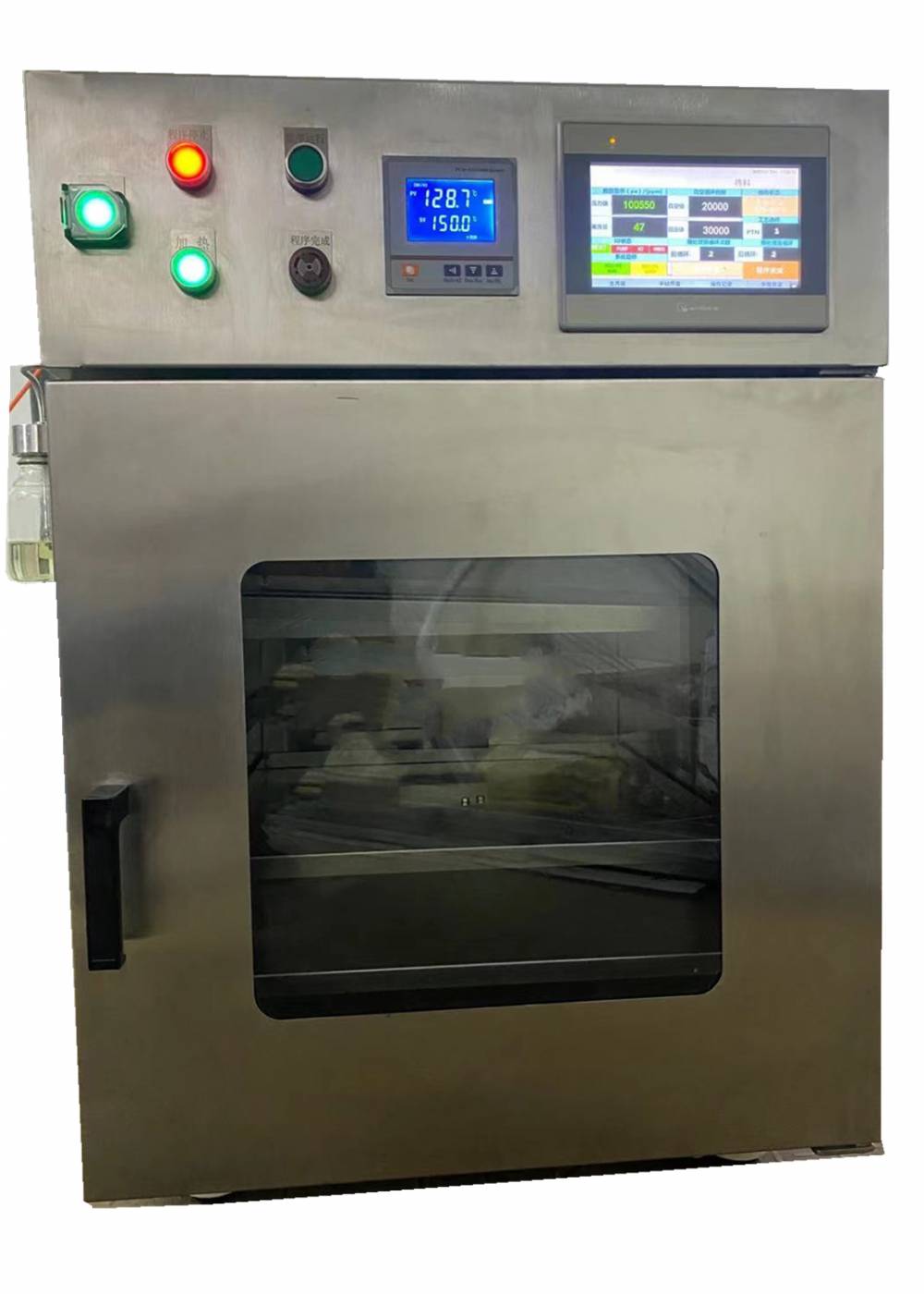
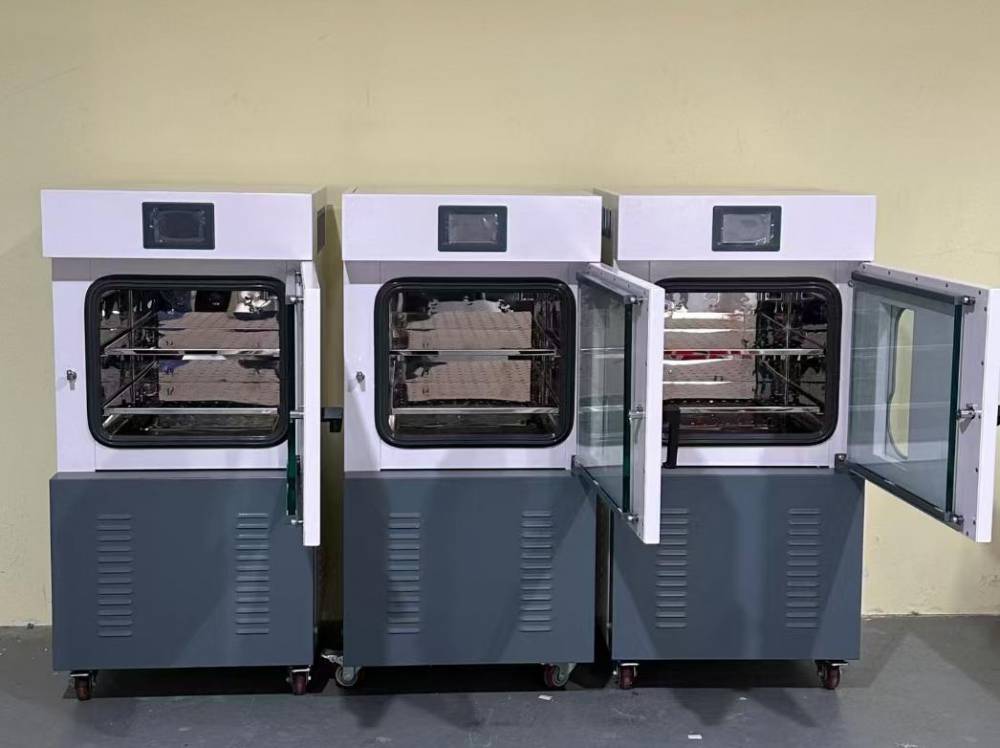
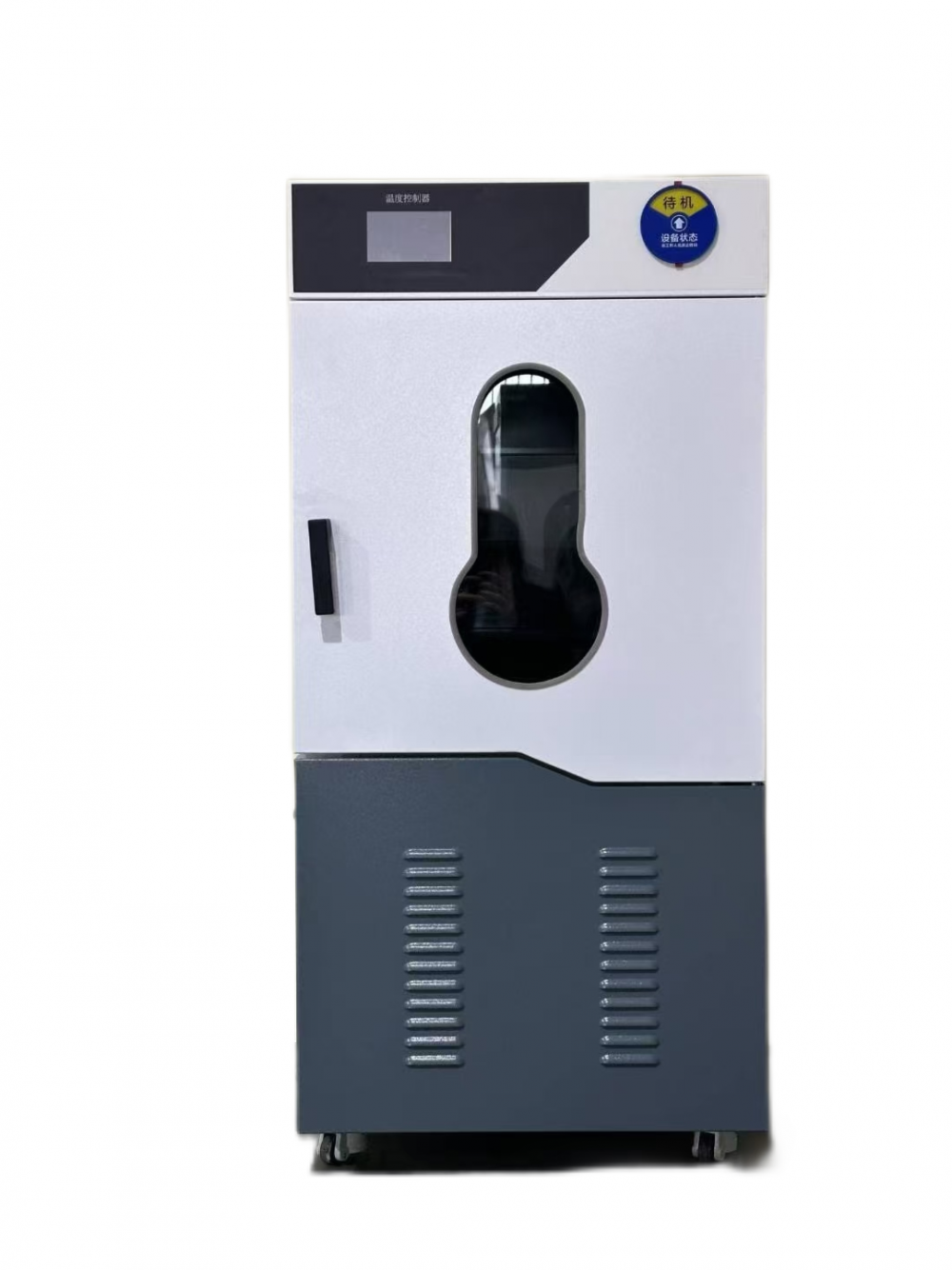
Superhydrophobic Surface Treatment Equipment, Material Superhydrophobic Treatment System, and the Importance of Automated HMDS Pretreatment Machine
Surface hydrophobic treatment equipment is a technology that improves the surface properties of objects, making them hydrophobic, meaning they are not easily wetted by liquids. Through surface hydrophobic treatment, a special coating or nanostructure forms on the object's surface, causing liquids to bead up and roll off upon contact, thereby reducing the contact area with the surface and achieving purposes such as reducing adhesion, anti-pollution, and anti-corrosion.
Superhydrophobic Treatment Equipment, Material Superhydrophobic Treatment System, Applications of Automated HMDS Pretreatment Machines
Textiles
Surface hydrophobic treatmentHMDS Pretreatment SystemCan be applied to textiles to provide water-resistant, oil-repellent, and stain-resistant properties. By altering the surface characteristics of textiles, liquids can form spherical droplets that roll off without penetrating the fibers.
2 Electronic Devices
Surface hydrophobic treatment can be applied to electronic devices to enhance their resistance to pollution and corrosion. After hydrophobic treatment on the surface of electronic devices, it can effectively prevent the accumulation of water, dust, and other substances, thereby extending the service life of the equipment.
3 Automotive Coatings
Surface hydrophobic treatment can be applied to automotive coatings to enhance the aesthetic appeal of the vehicle and minimize the impact on aerodynamic performance. By making the automotive coating hydrophobic, it reduces the adhesion of liquids on the vehicle surface, thereby lowering aerodynamic resistance.
4 Building Materials
Surface hydrophobic treatment can be applied to building materials to enhance their anti-pollution and self-cleaning capabilities. By altering the surface properties of building materials, it reduces the adsorption of pollutants, keeping the surface clean.
5 Semiconductor Processes
Commonly used in integrated circuit photolithography processesHMDS Vacuum OvenThe wafer substrate is subjected to an adhesive treatment to enhance the adhesion between the photoresist and the substrate. In actual production, HMDS is often atomized and treated under specific temperature and pressure conditions to alter the hydrophilicity of the wafer surface, converting it from hydrophilic to hydrophobic.
6-nanometer imprinting demolding process
Manufacturing of cost-effective, high-reusability, and tunable micro-nano-sized hard templates for nanoimprint lithography on a large scale. A release agent (anti-stick coating) is vacuum deposited on the surface. By replicating the micro-nano structure of anodized aluminum templates onto the photoresist surface using UV nanoimprint or thermal nanoimprint technology, you can obtain these affordable, high-reusability, and tunable micro-nano-sized hard templates for nanoimprint lithography on silicon or quartz substrates.
