


Material properties undergo a series of changes under ultra-low temperatures, primarily including alterations in conductivity. At ultra-low temperatures, material conductivity changes, with some materials becoming superconductors, exhibiting zero resistance. The coefficient of thermal expansion also changes, becoming extremely small under ultra-low temperatures, indicating minimal thermal expansion of materials at these conditions. Strength and hardness changes are observed as well; certain materials see a significant increase in strength and hardness at ultra-low temperatures, making processing and treatment more challenging. Chemical reactions are also affected, with reaction rates becoming very slow under ultra-low temperatures. This means it takes longer for chemical reactions to complete, but it can also be advantageous for certain reactions.
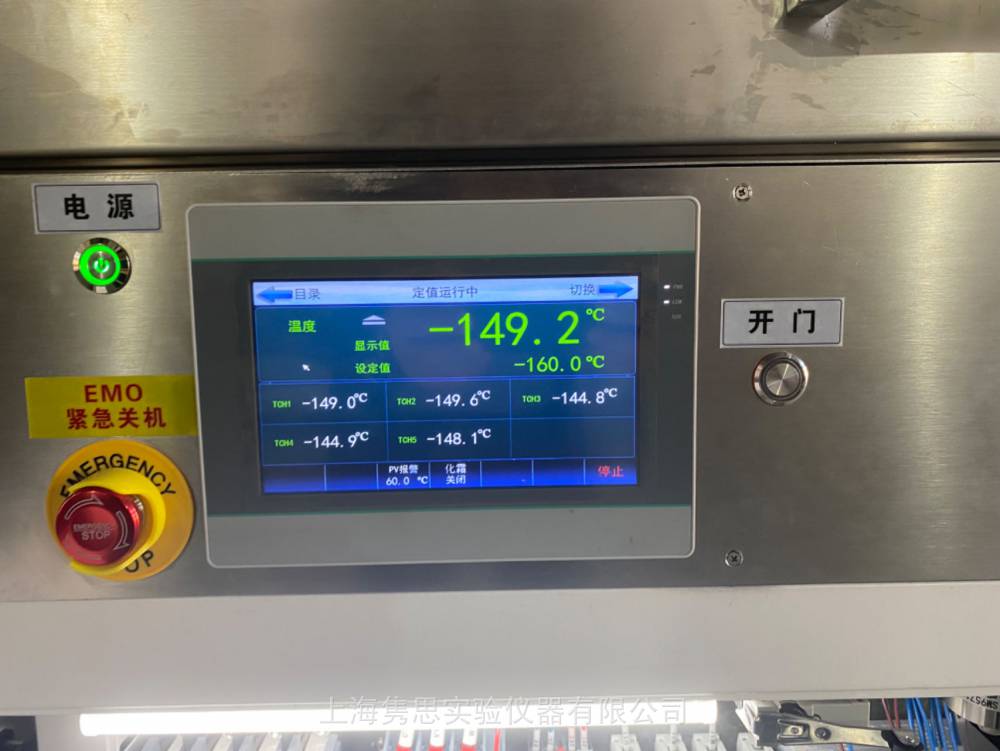
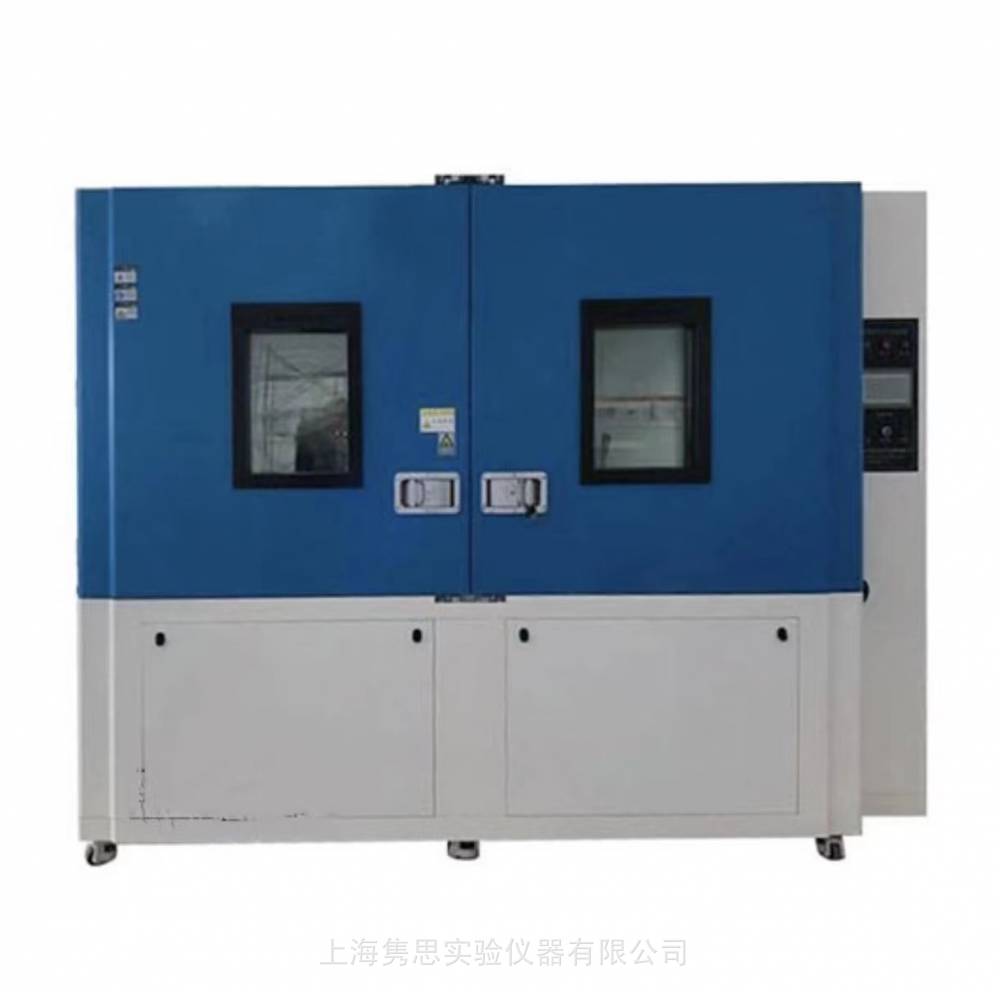
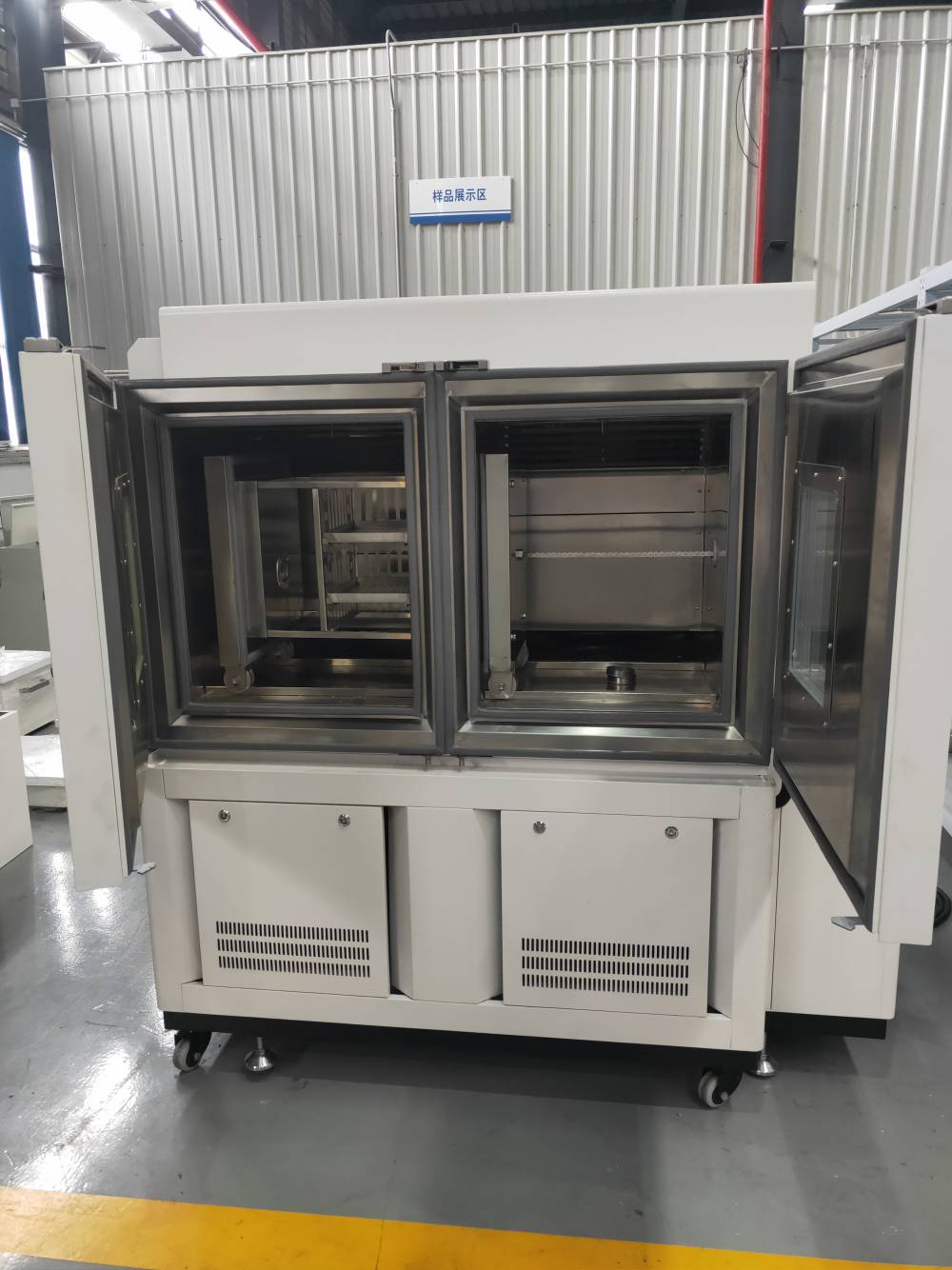
Special equipment and technology are required for material testing under ultra-low temperatures.Mechanical -150°C Low Temperature Test Chamber -120°C High and Low Temperature Box Non-Liquid Nitrogen Ultra-Cooling Test ChamberIt is a laboratory capable of maintaining ultra-low temperature environments. The equipment achieves temperatures as low as -150 degrees Celsius through mechanical refrigeration, without the need for liquid nitrogen assistance. At ultra-low temperatures, the measurement of thermodynamic properties is highly significant for studying material phase transitions and changes in thermodynamic characteristics.
Mechanical -150°C Low Temperature Test Chamber -120°C High and Low Temperature Box Non-Liquid Nitrogen Ultra-Cold Test ChamberTechnical Performance:
Content Volume: 100~1,000L
Temperature Range: -160℃ to 150℃
Temperature Control Accuracy: ±0.5℃
Uniformity: ±2℃
Cooling Method: Mechanical Compression Refrigeration
Equipped with temperature programming, temperature data storage, and export capabilities, featuring USB and Ethernet interfaces.
Insulation Material: High-density rigid Polyurethane foam, insulation thickness of 200mm
Mechanical -150°C Low Temperature Test Chamber -120°C High and Low Temperature Chamber Non-Liquid Nitrogen Ultra-Cooling Test ChamberApplication Background:
The core of ultra-low temperature testing is temperature control, as the purpose of the test is to assess and analyze material properties within a specific temperature range. In ultra-low temperature testing, the precision of temperature control is crucial for the accuracy and reliability of the experimental results. At ultra-low temperatures, the ambient temperature is extremely low, and poor control can lead to significant errors. Therefore, high-precision temperature controllers and sensors must be used during the experiment to ensure accuracy.
Low-temperature material testing research is a challenging and promising field. This article analyzes its overview, challenges, and prospects, and demonstrates its application potential through case studies. In the future, continuous breakthroughs in technology, advancement of new testing techniques, and active expansion of application areas are needed to drive the development of materials science.
