


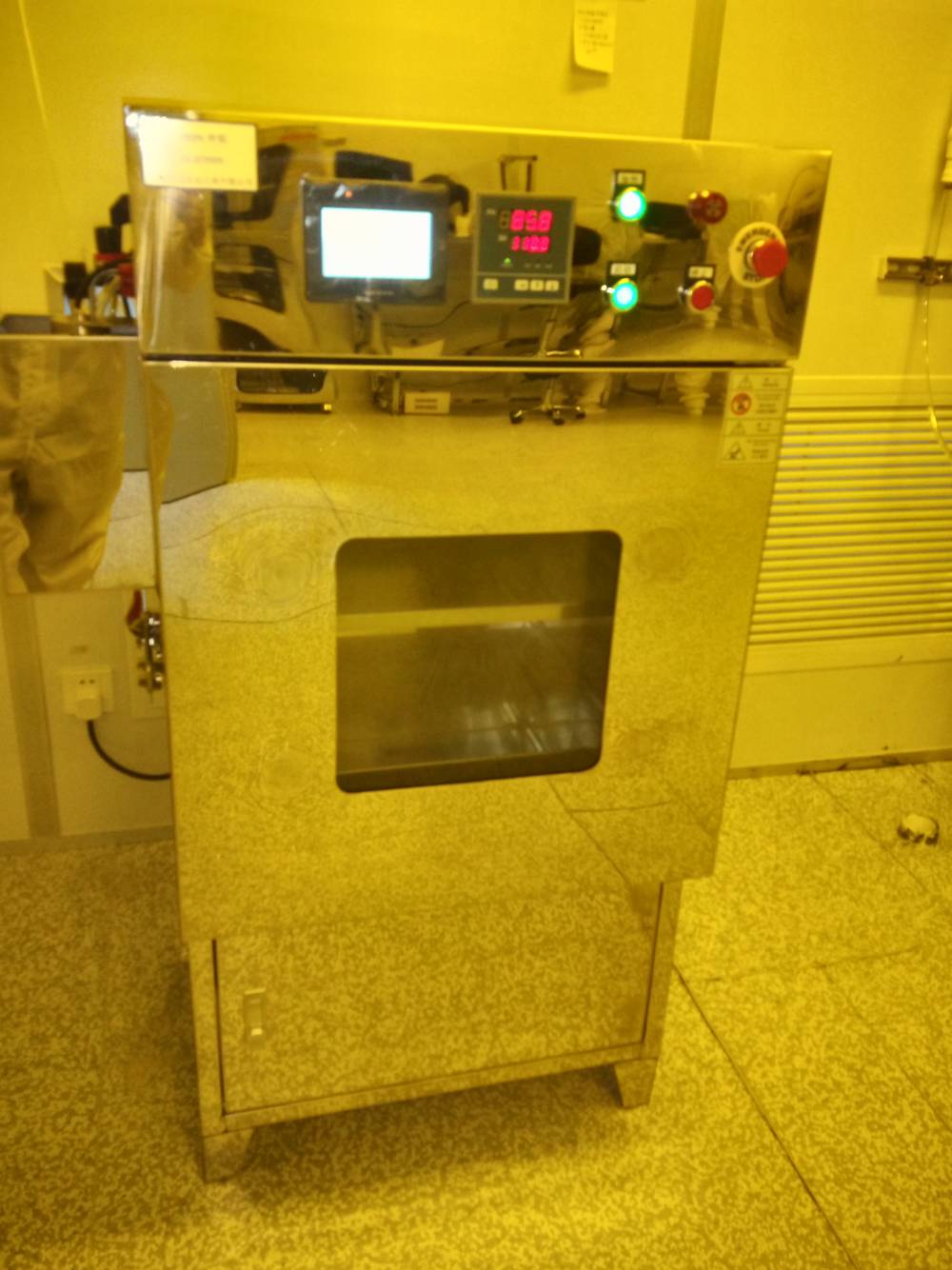
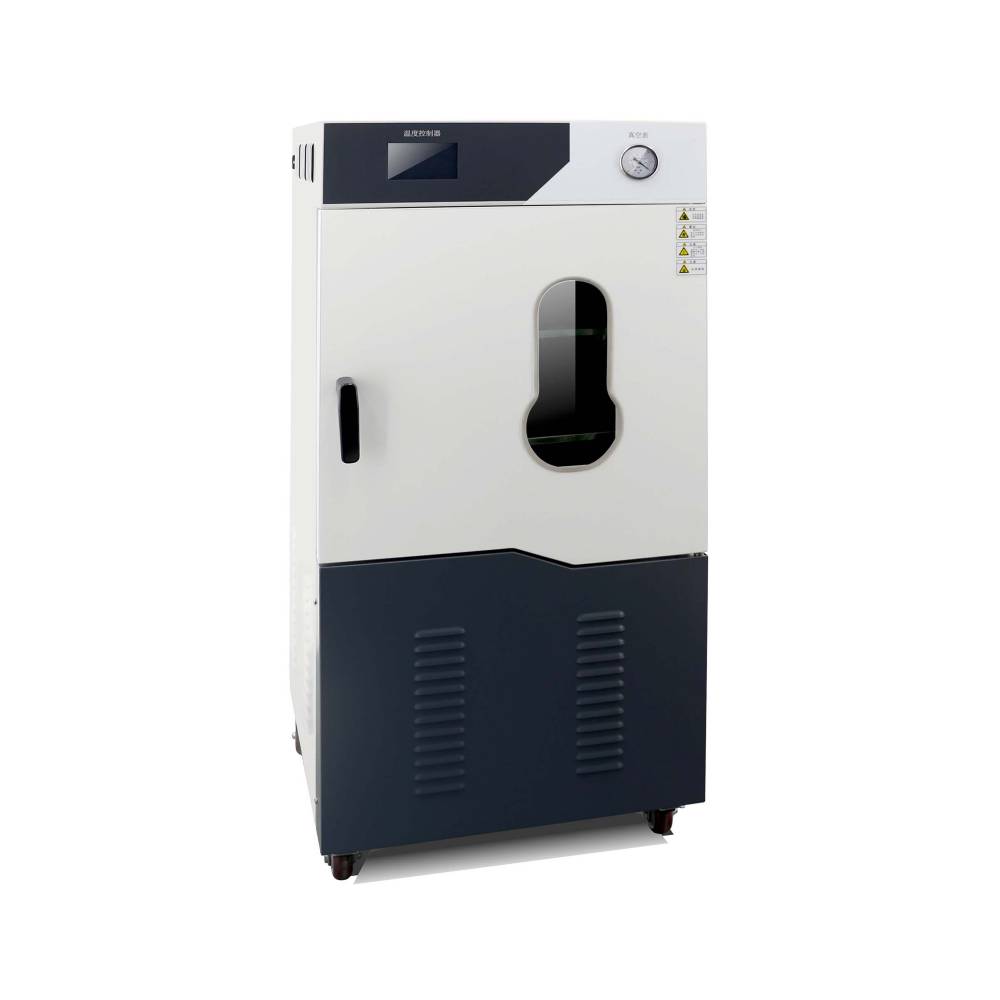
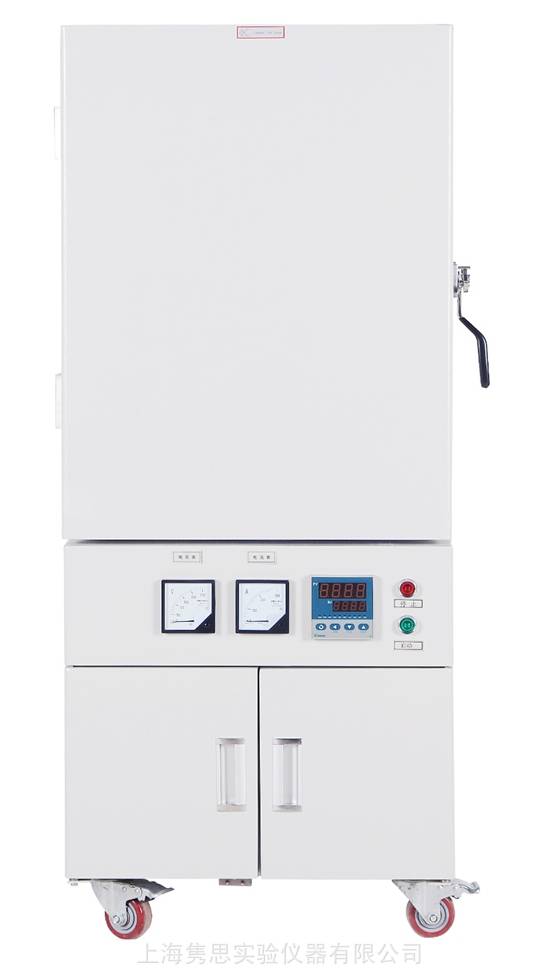
Reversed Vacuum Oven, Image Inverted Ammonia Furnace, Limage Inversion Oven Application
Image inversion is a technique usedNatural rubberAndDark marketMasking templates are used to create island area processes.
InExposureFor small-sized graphics, we tend to use a positive rubber. It is suitable for use with a dark field mask.HoleDark field mask templates are mostly used.ChromiumCoverage, as chrome is not as fragile as glass, defects are less prevalent.PolishedLess common. However, some mask templates are used to expose island areas. Instead of holes, for example, island patterns are present on metal layer mask templates.
At the end of the exposure, the image in the photoresist is the inverse of the desired image, meaning that if polishing follows...DeveloperIf so, holes rather than islands will be formed.
Reversal Vacuum Oven, Image Inversion Ammonia Furnace, Performance of Limage Inversion Oven
Size (Customizable) | 300×300×300(mm) 450×450×450mm, customizable |
Material | The inner box is made of SUS304 stainless steel, while the outer box is constructed from high-quality cold-rolled steel with electrostatic powder coating. |
Temperature Range | RT+50-200℃ |
Temperature resolution | 0.1℃ |
Temperature fluctuation | ≤±1℃ |
Operation Mode | Human-Machine Interface |
Rising rate | ≤5℃/min |
Gases | 2-line gas supply |
Vacuum Level | 0.1~100KPa |
Reversed Vacuum Oven Image Reversed Ammonia Furnace Image Inversion Oven
Widely applied in many fields. For instance, in the automotive industry, it can be used for sheet metal heating, quenching, annealing, and welding processes; in the electronics industry, it can be utilized for annealing and etching processes in semiconductor device manufacturing; and in the aerospace industry, it is suitable for heat treatment of aircraft engines and spacecraft materials.
