


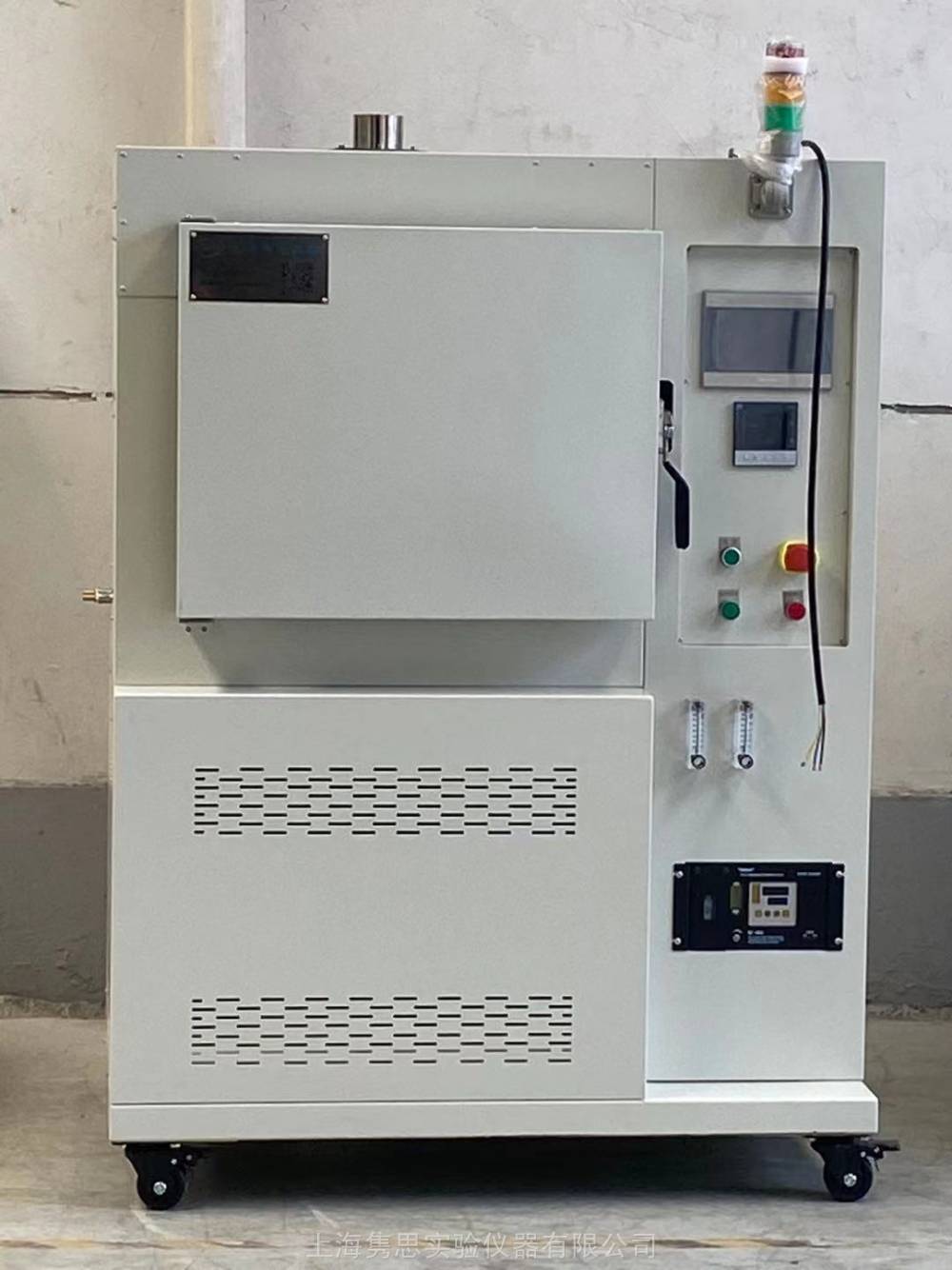
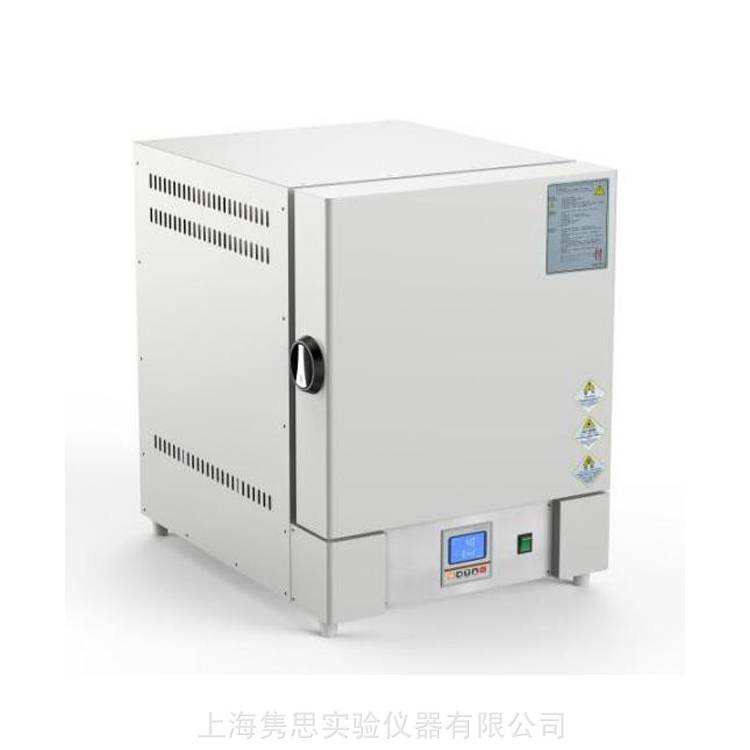
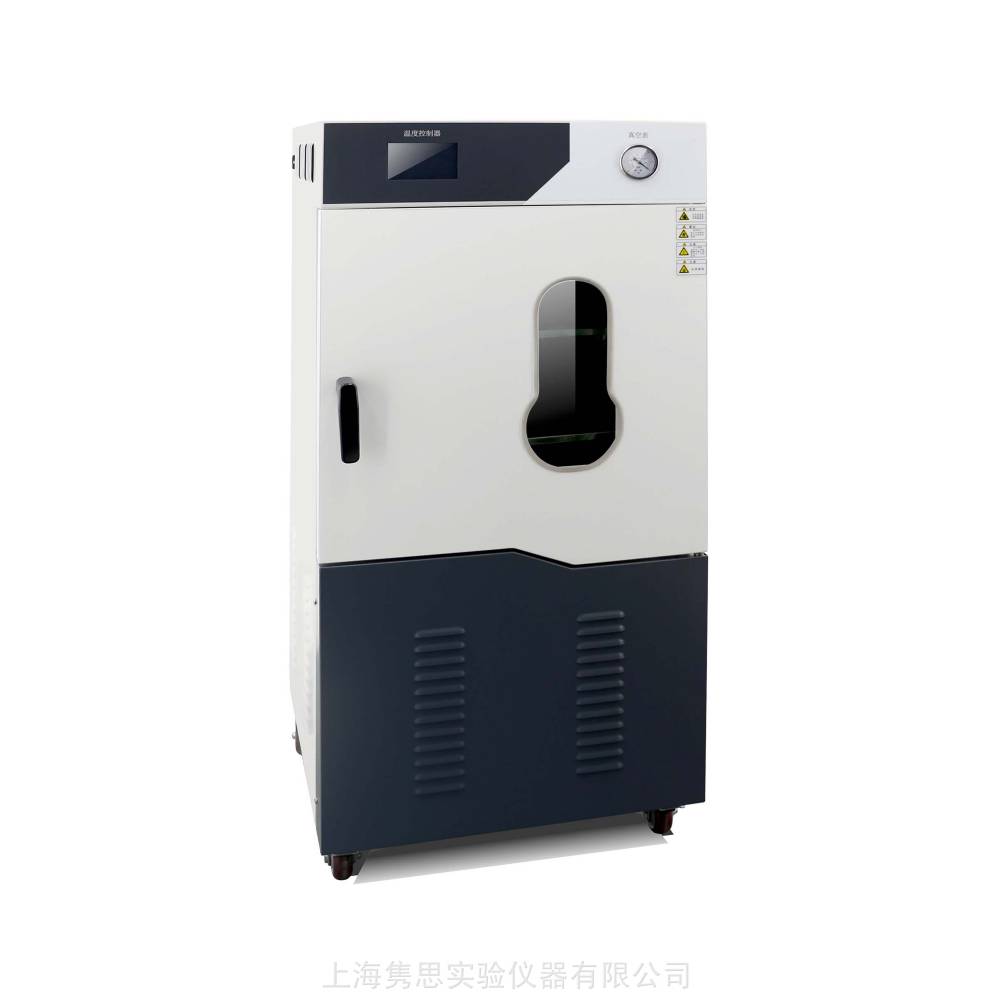
Hexamethyldisilazane (HMDS) Surface Treatment Equipment - HMDS Pretreatment OvenThe role of
The surface treatment process for Hexamethyl Disilazane (HMDS) is known as "adsorption" treatment prior to the spin-on substrate. In photolithography, substrates such as sapphire, gallium nitride, and even precious metal films are commonly used. However, the adhesion between these substrates and the photoresist is often not ideal, which can lead to issues like "cracking" or "bubbling" during subsequent photolithography development. Therefore, it is necessary to improve this through process techniques, which we refer to as adsorption treatment or adhesive assistance.
Hexamethyldisilazane (HMDS) Surface Treatment Equipment - HMDS Pretreatment OvenPerformance
HMDS Low-Level Alarm
Automatic吸取HMDS
Automatically Add HMDS:
HMDS Leak Alarm
HMDS Gas Pipeline Heating System
Parameter Recording Function:
Temperature and Program Interlock Function:
Volume sizes: 350*350*350/450*450*450/600*600*600 (mm) customizable
Temperature Range: RT+10-250℃
Vacuum Degree: ≤133 Pa (1 Torr)
Control System; Human-Machine Interface + PLC
Shelf Levels: 2 Layers
HMDS Control: Adjustable quantity of HMDS addition
Vacuum Pumps: Oil-Free Vortex Pump
IncorrectHexamethyldisilazane (HMDS) Surface Treatment Equipment - HMDS Pretreatment OvenMethod
If the HMDS liquid is directly spin-coated onto the substrate, the HMDS layer can only serve as a physical adhesive layer and does not enhance adhesion. Moreover, the HMDS layer releases ammonia during the pre-bake process, which inhibits the development process by entering the crosslinked photoresist layer near the substrate.
