


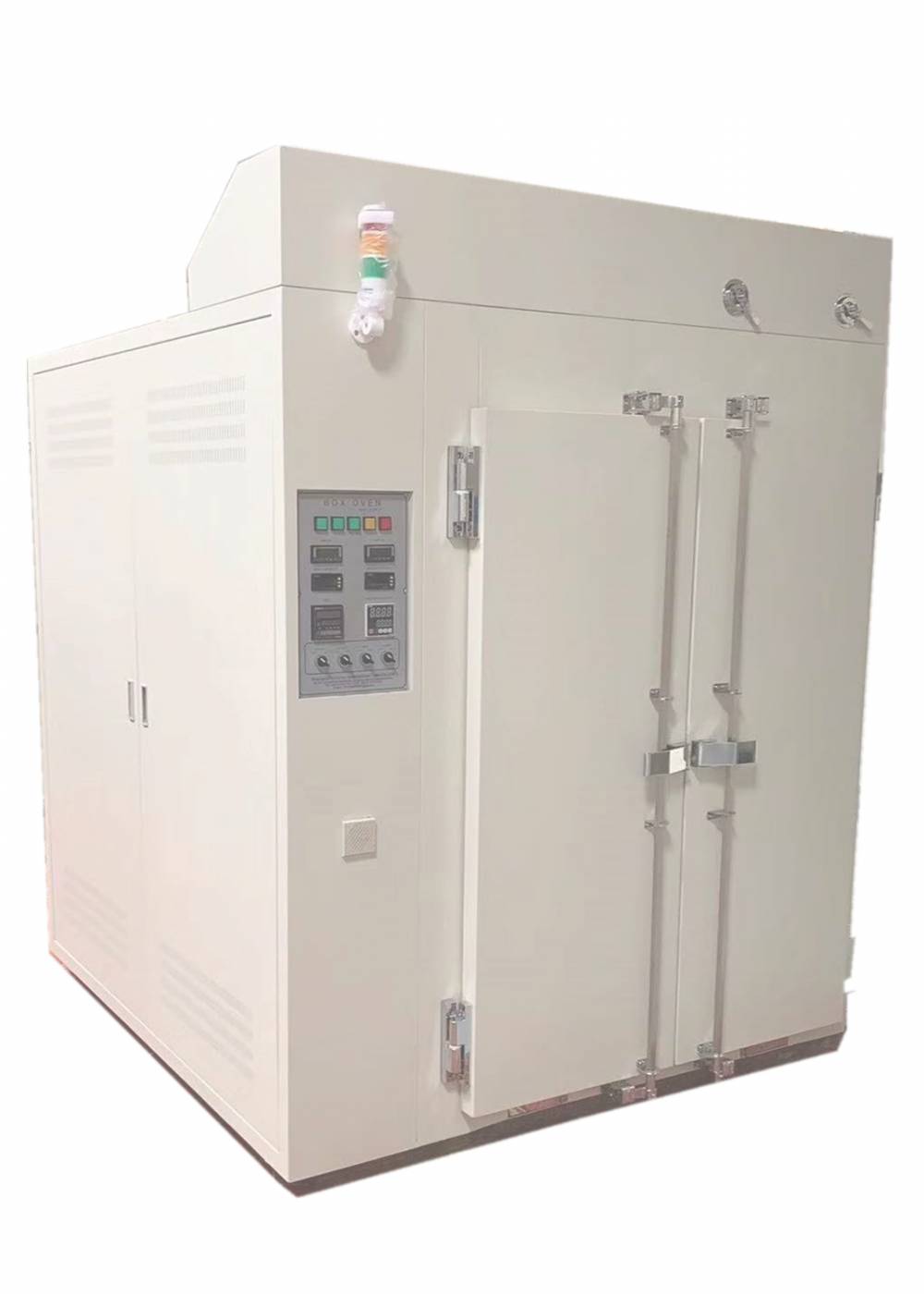
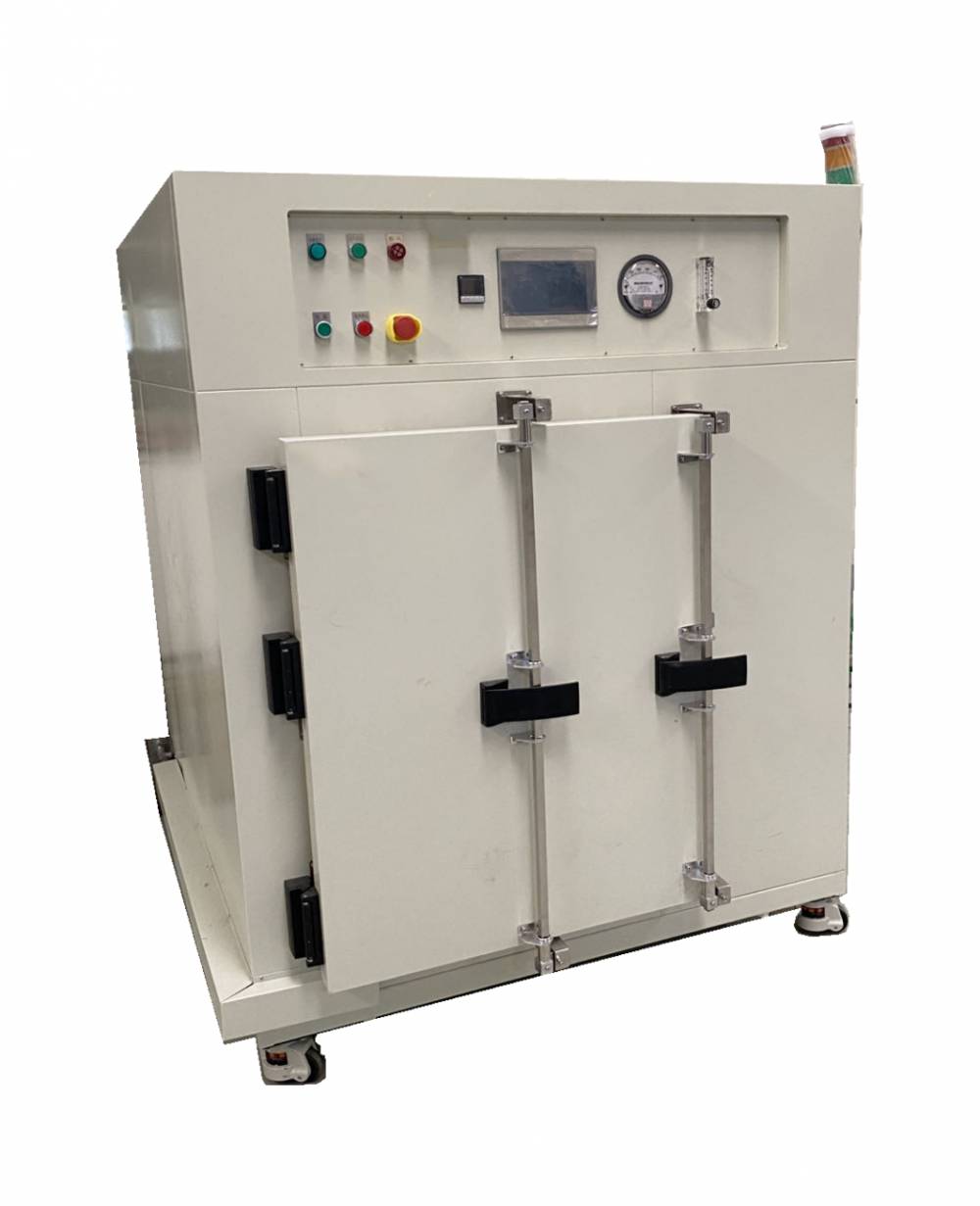
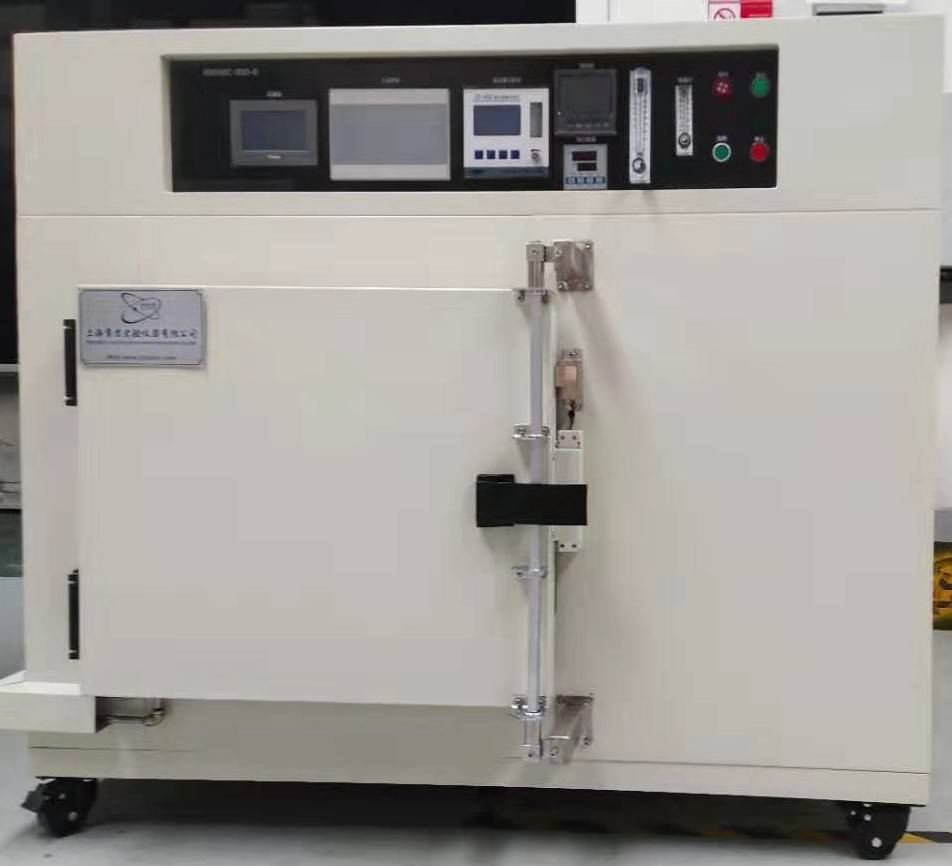
LCP heat treatment oven, applications of LCP fiber nitrogen drying oven
Thermally induced liquid crystal polymer (LCP) is a significant polymer type, typically a fully aromatic molecule containing a variety of heteroatomic bonds, including ester and/or amide ester bonds. Upon heating to a sufficiently high temperature, LCP melts to form a liquid crystal melt phase (often referred to as "anisotropic phase") rather than an isotropic melt phase. Generally, LCP is composed of linear molecules ("rigid rods") that arrange themselves to form the required liquid crystal sequence. Therefore, LCP is characterized by a low melt viscosity, thereby enhancing its performance and processability.
LCP heat treatment oven, characteristics after LCP fiber nitrogen oven treatment
LCP materials exhibit uniform properties and stable electrical characteristics with minimal fluctuations.
High thermal resistance for welding
Compared to PI film, it features a lower dielectric constant and dielectric loss factor.
Compared to PI film, it has a lower water absorption rate and moisture vapor transmission rate.
Maintains stable electrical properties and good dimensional stability in high-humidity environments.
Directly heat bonded with foil and other materials, easy to drill, bend-resistant, and highly formable.
LCP Nitrogen Drying Oven Performance
Temperature Range: RT+20 to 350℃
Temperature Deviation: ≤±1.5%℃
Rise Rate: ≥0-8℃/min
Vacuum Degree: 10 Pa
Working Dimensions: D800×W800×H800mm, D1000×W1000×H1000mm, D1500×W1500×H1500mm, Custom Sizes Available
Power: AC 380V/50Hz
Operation Method: Human-Machine Interface + PLC, Automatic Control, Programmed Operation
Inlet: φ10mm N2 inlet, flow meter control/adjustable
Vacuum pump: Dry pump
Safety Protection Features: Over-temperature protection, motor overheat protection, overcurrent protection, electromagnetic door lock (prevents door opening at high temperature), tri-color light indicator.

