


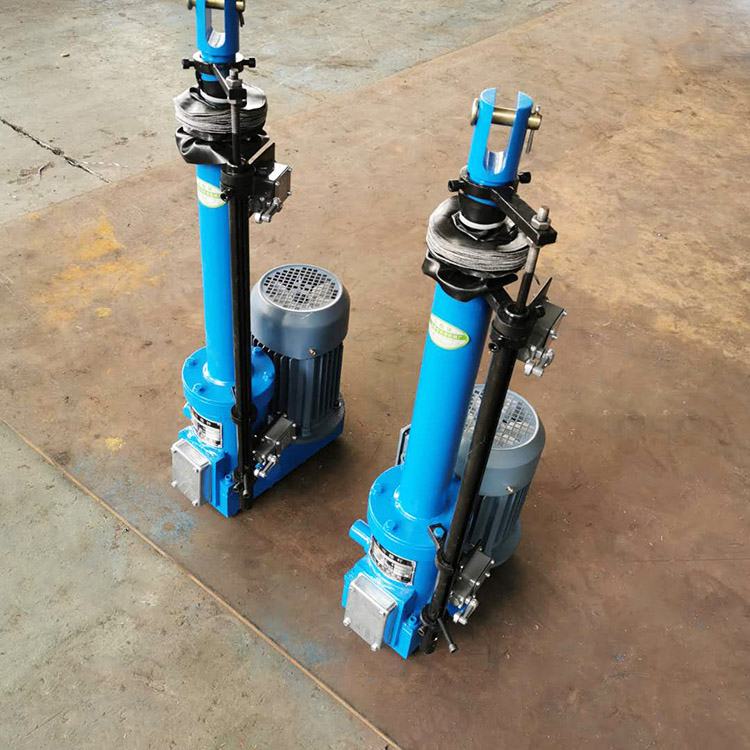

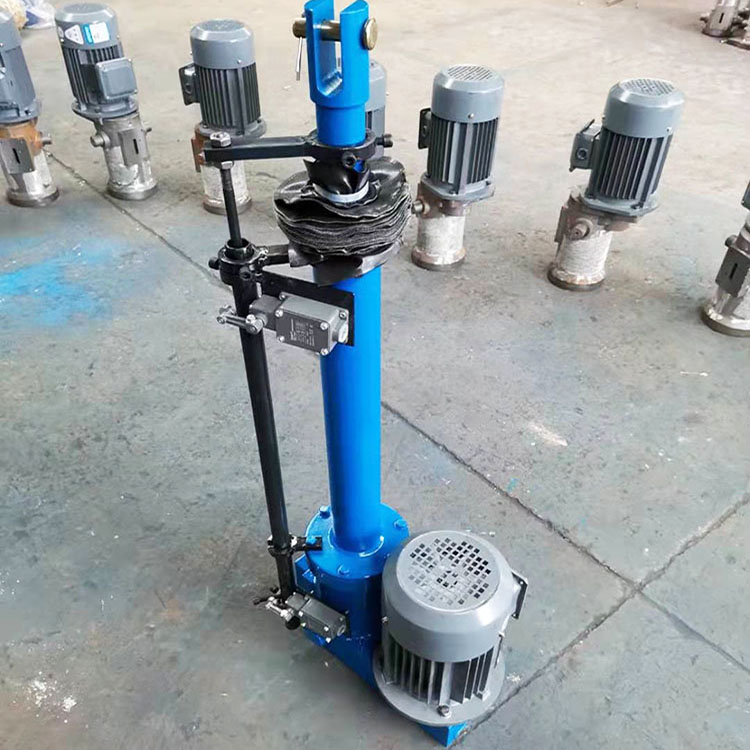
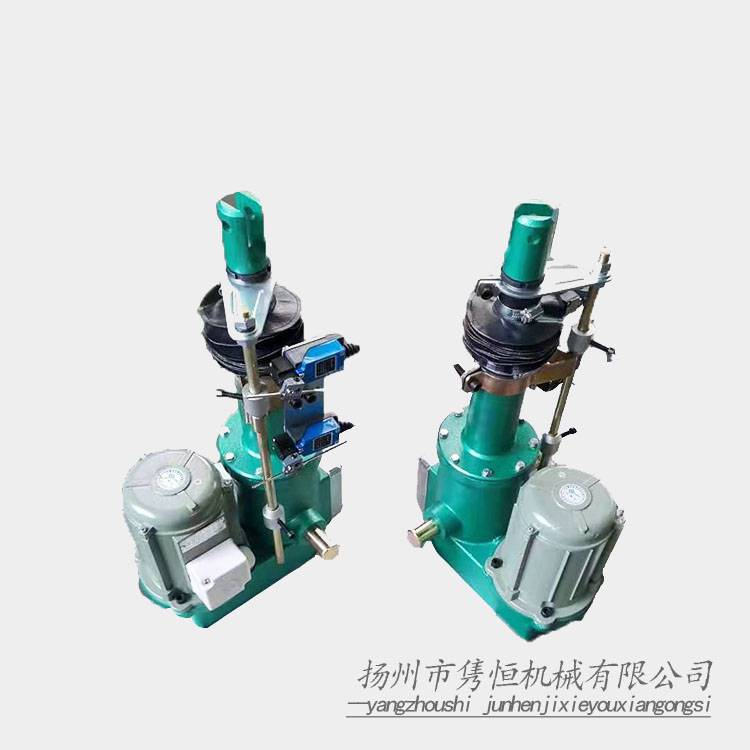
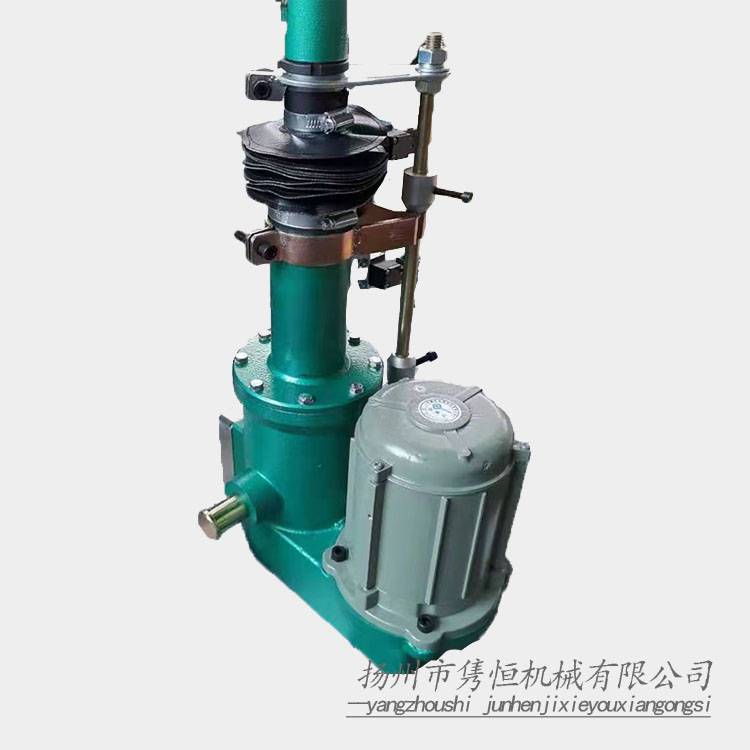
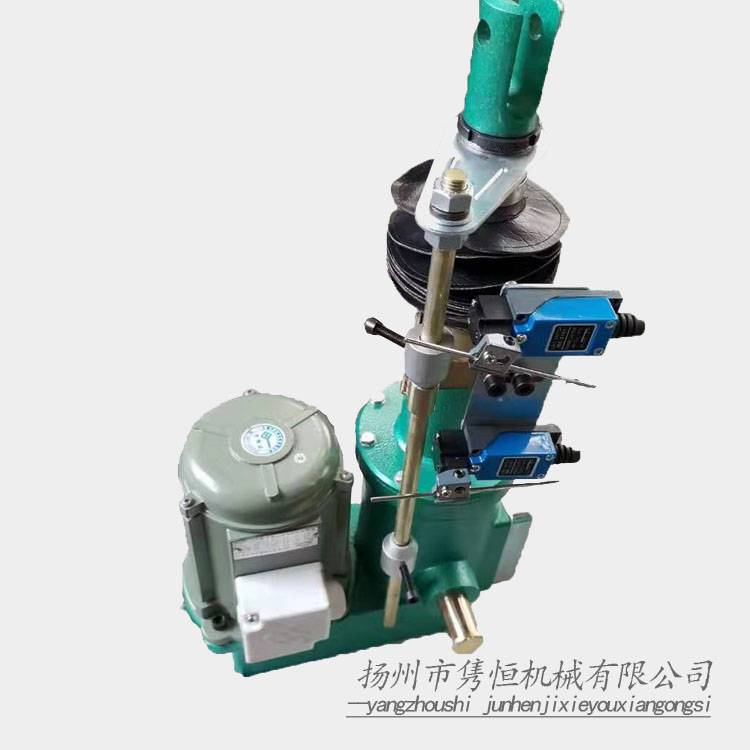
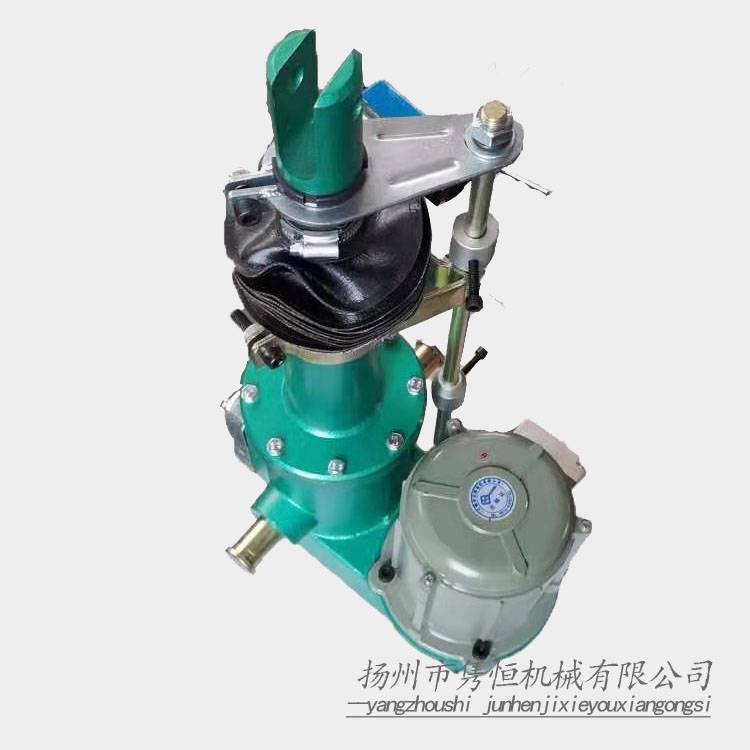
The electric push rod is composed of a drive motor, reduction gears, screw, nut, guide sleeve, push rod, sliding seat, spring, housing, turbine, and micro-motion control switches, etc.
An electric actuator is a new type of electric executive mechanism, consisting of a motor, push rod, and control unit, which is a new type of linear executive mechanism capable of remote and centralized control. The electric actuator moves back and forth within a certain stroke range, with standard strokes typically at 100, 150, 200, 250, 300, 350, 400mm, and special strokes can be customized according to different application requirements. Electric actuators can be designed with different thrusts based on varying application loads, generally reaching up to 6000N, with an unloaded operating speed of 4mm to 35mm/s. They are powered by a 24V/12V DC permanent magnet motor, converting the motor's rotational motion into a linear reciprocating motion. They propel a linkage mechanism to perform switching tasks such as wind gates, valves, gates, and baffles. Using electric actuators as executive mechanisms not only reduces the need for air source devices and auxiliary equipment required for pneumatic executive mechanisms but also reduces the weight of the executive mechanism. Pneumatic executive mechanisms require a certain amount of air pressure throughout the control operation, although low-consumption amplifiers can be used, the cumulative gas consumption is still substantial over time. Electric actuator executive mechanisms require power only when changing the control opening, and power can be disconnected once the desired opening is achieved, thus offering significant energy-saving advantages over pneumatic executive mechanisms. They are widely used in the opening and closing of wind gates, valves, gates, and other mechanisms in power, chemical, metallurgical, mining, light industry, transportation, and shipping sectors for operations such as material handling and flow control. They are increasingly being used to replace manual mechanisms, hydraulic valves, and automatic transmission mechanisms.
