


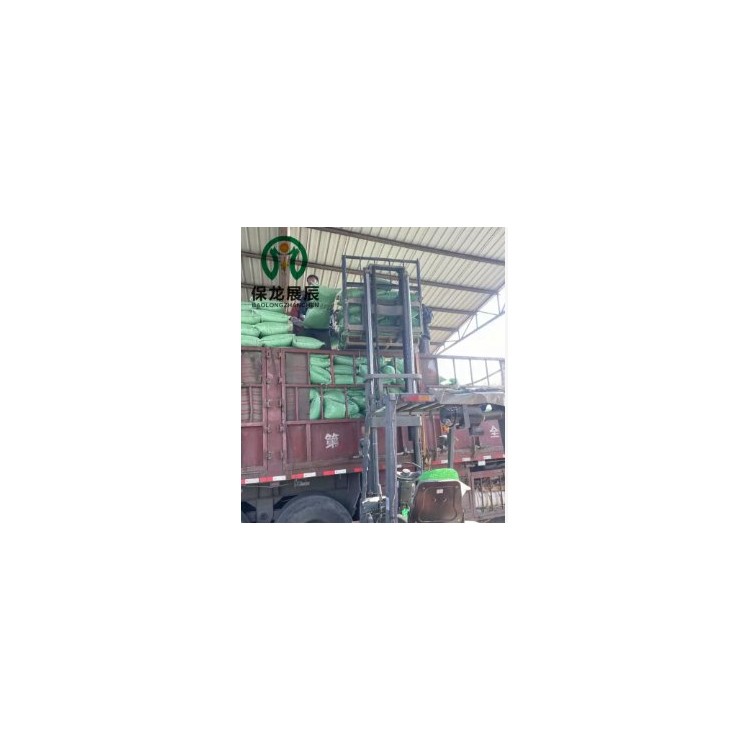
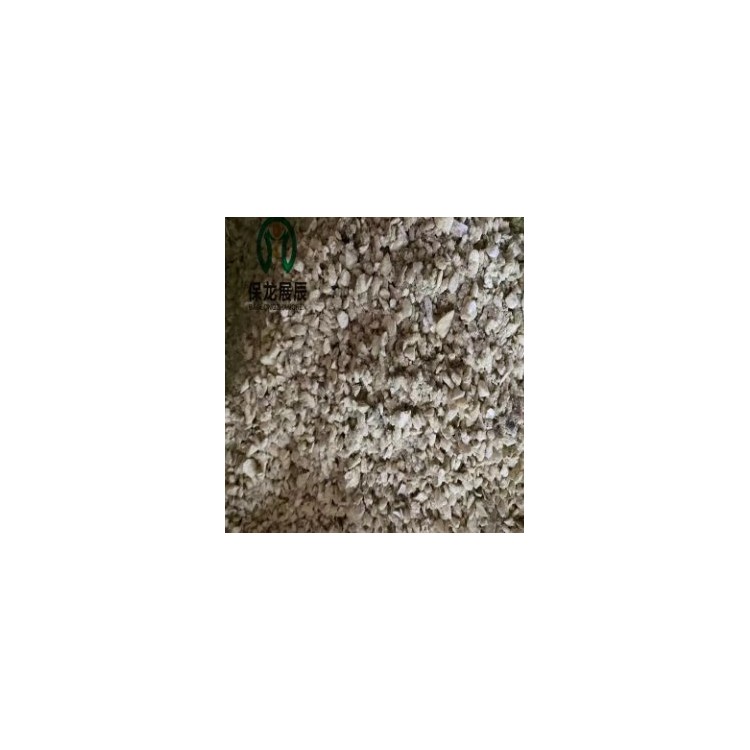
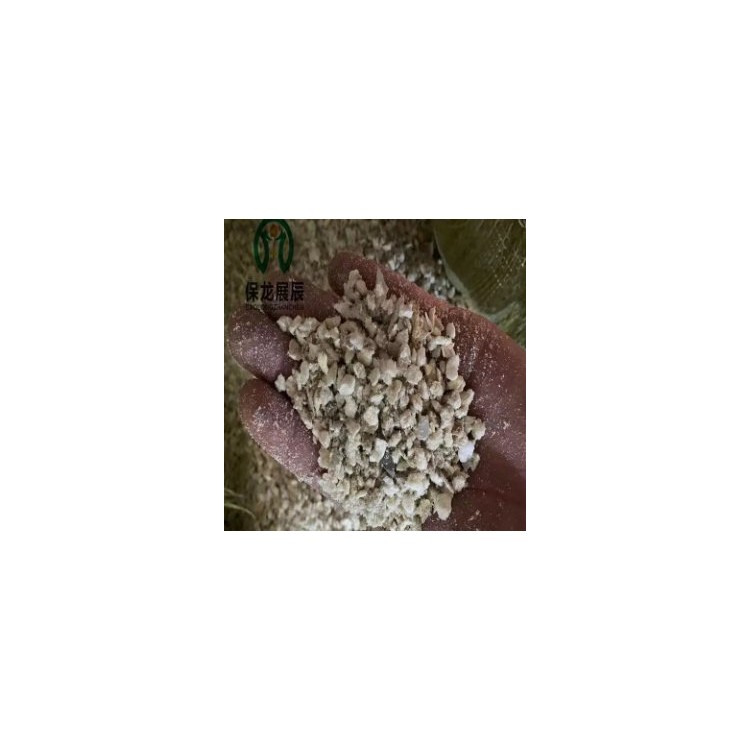
New Type Dry Mixed Composite Lightweight Aggregate Concrete, Good Spacing Quality
Composite lightweight aggregate subbase material mixing method: Insulating mortar should be applied with low-speed mechanical mixing, and mixed in a low-speed mixer for no more than 5 minutes. The mortar consistency should be controlled around 70mm, adjusting according to the water absorption of the base material. In hot weather, the base material absorbs water quickly, so the mixture should be slightly thinner to prevent excessive water absorption from the base material, which can cause the composite lightweight aggregate subbase material to lose moisture, affecting the hydration reaction of cement, leading to low density, strength, and bonding. Use the mixed composite lightweight aggregate subbase material as soon as possible. Poor wall treatment, floating dust, or rapid water absorption of the wall can cause hollowing of the concrete subbase. Solution for composite lightweight aggregate subbase: Before construction, remove surface dust, oil, and debris from the base material, ensuring a clean working surface. If there are different agents on the base material, appropriate interface treatment is required; the appropriate thickness for single-coat application should be maintained.
In the hot summer, excessive thickness can easily lead to cracking. The solution is to apply a single coat with an appropriate thickness, design materials with a thickness of 3m or more for composite lightweight aggregate concrete bedding, and it is recommended to construct in two layers with each layer not exceeding 3m. This ensures a firm bond with the base layer and requires watering maintenance.
No segregation during pumping; otherwise, coarse aggregates will not float in the mortar, causing contact and increased frictional resistance. If this exceeds the pumping pressure, it will lead to pipeline blockage. Increased pressure on concrete will significantly alter its quality. The distance pumped and the volume per unit time are affected by; the frictional resistance between concrete and the pipeline wall should be minimal, and the pumping pressure should be appropriate. Otherwise, in most cases, the requirements for pumping concrete are...
First, apply expanded perlite thermal mortar or common mortar to the height of each control point on the roof, using cement expansion. Then, based on the established control points, draw lines to lay the expanded perlite thermal mortar as a loose thermal layer, accounting for 130% of the compression ratio (which refers to the thickness of the loose thermal layer on the roof versus the compacted thickness). This forms the slope. After the loose layer is applied, press and level it with wooden bars, then compact it to the planned thickness. Lay the thermal insulation. New dry-mixed composite lightweight aggregate concrete - good for insulation quality.
Dry mixed composite lightweight aggregate concrete base product features, application methods, and precautions:1Easy to mix, just add water and stir.2The construction is simple, and it can be handled using trowels, spackle knives, and similar masonry tools.3Strong coating adhesion, high compressive strength, frost and thaw resistance, salt corrosion resistance, non-toxic, non-corrosive.4Excellent plasticity, suitable for roof and floor operations.5Maintains integrity at the base level, with excellent durability.6Operable under damp sublayers
