


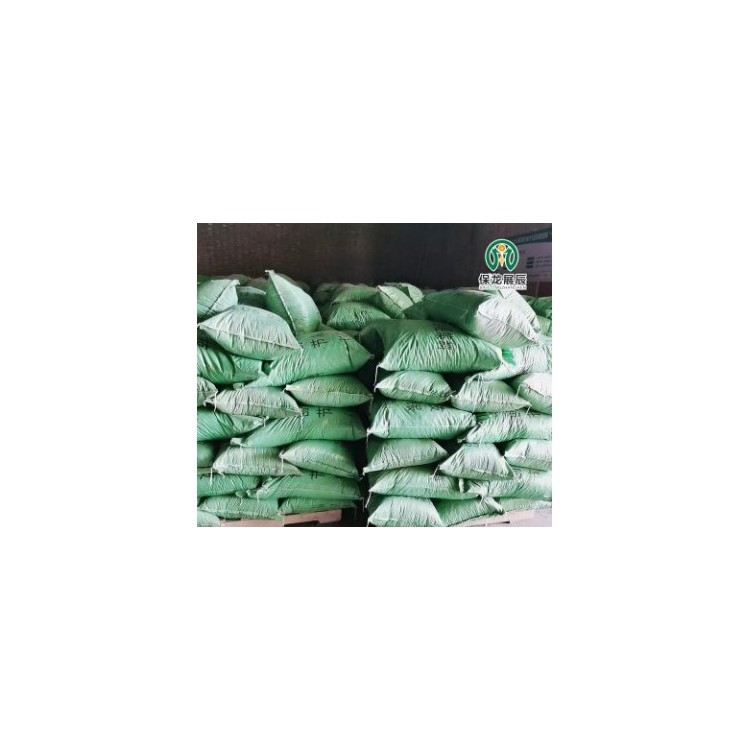


Noise Reduction and Fireproof Lightweight Aggregate Concrete - Where to Find
Construction Method:
Substrate Treatment: Prior to laying the composite lightweight aggregate bedding concrete, treat the concrete floor substrate. Use a chisel to remove loose cement and mortar adhered to the substrate, then scrub off the cement slurry with a wire brush, and finally sweep it clean with a broom.
Locate high elasticity level control line: Measure the subfloor level from the 100cm horizontal level line on the wall, and if possible, mark it on all four walls.
Stirring: First, add an appropriate amount of water to the mixer, then add one bag of pre-mixed layering powder, stir to form a uniform slurry. Next, add one bag of inorganic lightweight aggregates, continue stirring to create a uniform concrete mixture, and it is ready for application. Where to find noise reduction and fire-resistant lightweight aggregate concrete?
Laying, tamping, or rolling: Spread the mixed composite lightweight aggregate sub-base concrete with a shovel, leveling it with the finished leveling blocks to be 3mm higher than the leveling pile. Then, compact it using a flat vibratory tamper. For thinner thicknesses, lightly press with a shovel and a special wooden trowel as you lay, and immediately level with a long bar. Smooth with a wooden trowel, completing all operations within 3 hours.
Where to find noise reduction and fireproof lightweight aggregate concrete?
Lightweight concrete bedding is made by mixing pre-mixed bedding powder and inorganic lightweight aggregates with water on the construction site. It is primarily used for floor bedding, kitchen and bathroom bedding, moisture-proof layer, and slope leveling layer, featuring low cost, lightweight high strength, thermal insulation, and simple construction.
Pre-mixed subbase material is a dry blended powder made from cement, fly ash, various cementitious materials, and porous rock in a factory. The porous rock is in a blocky form, so the bagged finished powder contains blocky materials. Composite lightweight aggregate is composed of inorganic lightweight aggregates and is mixed with pre-mixed subbase powder and water on-site to form composite lightweight aggregate subbase concrete.
Composite lightweight aggregate bedding concrete boasts outstanding advantages such as light weight, thermal insulation, environmental friendliness, good construction performance, quantitative packaging without on-site weighing, simple mixing process, and high compressive strength. The porous rock has a higher hardness than ceramic sand, similar in weight, and due to its excellent thermal insulation properties, it is a great substitute for traditional ceramic sand (clay ceramic sand and shale ceramic sand have been restricted due to reasons such as consuming a large amount of energy during production and causing pollution).
1 Lightweight: Dry density of 400-700 kg/m3, equivalent to 1/5 of ordinary cement concrete, suitable for floor subbase, roof slope leveling, significantly reducing structural weight, thereby lowering the overall structural cost. The surface can bear loads and can be laid with drainage slopes according to usage requirements, greatly facilitating design and construction.
2. Thermal Insulation: Thermal conductivity of 0.08-0.25 W/(m·K), thermal resistance 20-30 times that of ordinary concrete.
3 Low Resilience Damping: The inorganic lightweight aggregates provide excellent absorption and dispersion of impact loads.
4 Compressive Strength: 1.0-7.5 Mpa compressive strength.
5. Sound Insulation: The inorganic lightweight aggregates (perlite or vitrified microspheres) in the composite lightweight aggregate concrete have a strong attraction capability, five times that of ordinary concrete, and possess effective sound insulation properties.
6 Fire Resistance: The composite lightweight aggregate concrete meets the fire resistance A grade and conforms to the fire acceptance standards.
7 Environmental Protection: Composite lightweight aggregate concrete is made from cement, fly ash, porous rock, and inorganic binding materials, free of harmful substances like benzene, and meets national environmental protection standards. The porous rock is naturally formed, not artificially produced, embodying true environmental protection.


