

Cleanroom engineering is a discipline that involves removing airborne particulates, harmful gases, bacteria, and other pollutants from a specific space, and controlling indoor temperature, cleanliness, pressure, airflow speed and distribution, noise vibration, and lighting, as well as static electricity within a required range. The specially designed rooms in cleanroom engineering can maintain the original set cleanliness, temperature and humidity, and pressure requirements regardless of changes in the external air conditions.
The purification process involves air flow through a purification principle, initial purification, air conditioning, medium efficiency purification, fan-assisted air distribution, through ducts, high efficiency purification at the风口, blowing into the room to remove dust, bacteria, and other particles, and then through the return air louvers. This initial purification process is repeated to achieve purification. Different purification engineering projects have different objectives and applications, resulting in varying components. However, the main components of a purification project typically include:
1. Enclosure Structure System: Simply put, it consists of the roof, walls, and floor, which form the six surfaces of a three-dimensional enclosed space. To elaborate further, this includes doors, windows, decorative arcs, and more.
2. Electrical System: Comprising lighting, power, and low-voltage systems, which include purification lamps, outlets, electrical cabinets, wiring, surveillance, and telephones, etc.
3. Ductwork System: Includes supply, return, fresh air, exhaust ducts, terminal devices, and control units.
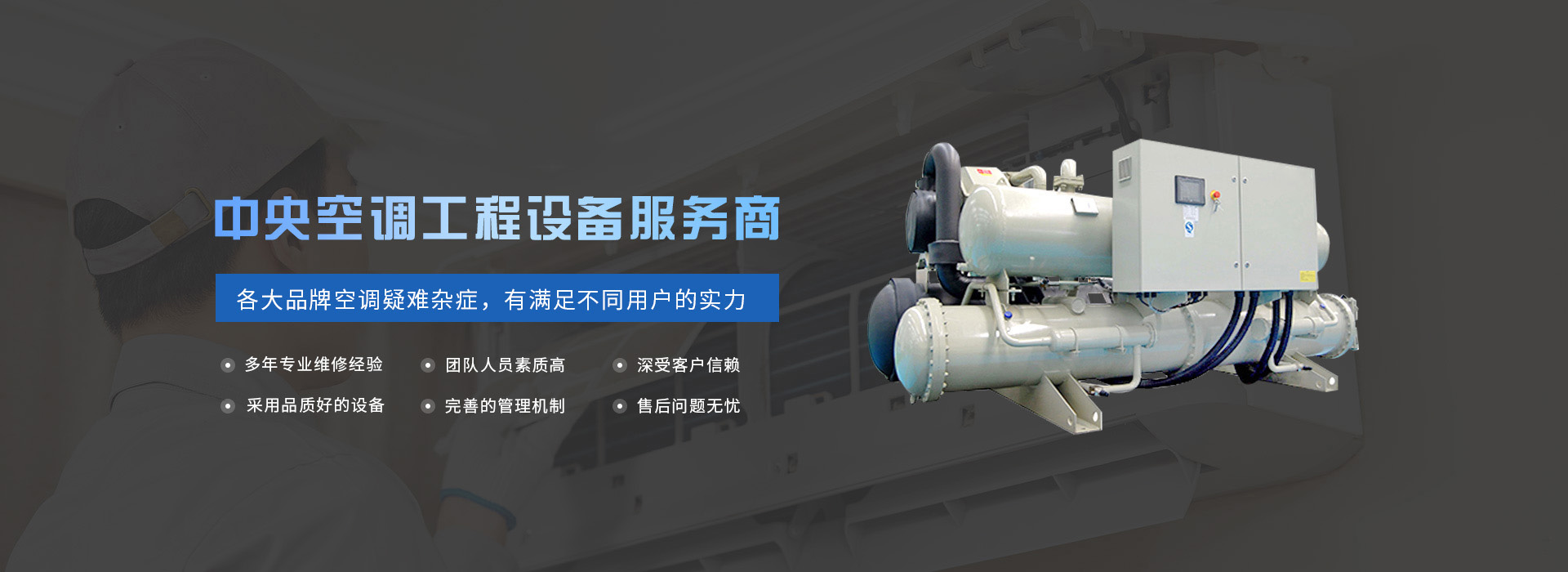
4. Air Conditioning System: Includes chilled (hot) water units (comprising pumps, cooling towers, etc.) or air-cooled pipeline units, piping, and modular air purification air handling units (including mixing section, pre-efficiency section, heating/cooling section, dehumidification section, pressurization section, medium efficiency section, static pressure section, etc.).
5. Self-regulating Systems: Including temperature control, air volume and pressure control, sequence and timing control, etc.
6. Water Supply and Drainage System: Water supply, drainage pipes, facilities, and control devices, etc.
7. Air Filtration Systems: Primary and secondary high-efficiency filters.
8. Clean Floors: Generally, epoxy resin clean floors are used.
9. Other Purification Equipment: Including ozone, ultraviolet lamps, air showers (such as cargo air showers), pass-through windows, clean benches, and interlocked auxiliary equipment for purification.
