


Lifting equipment malfunction
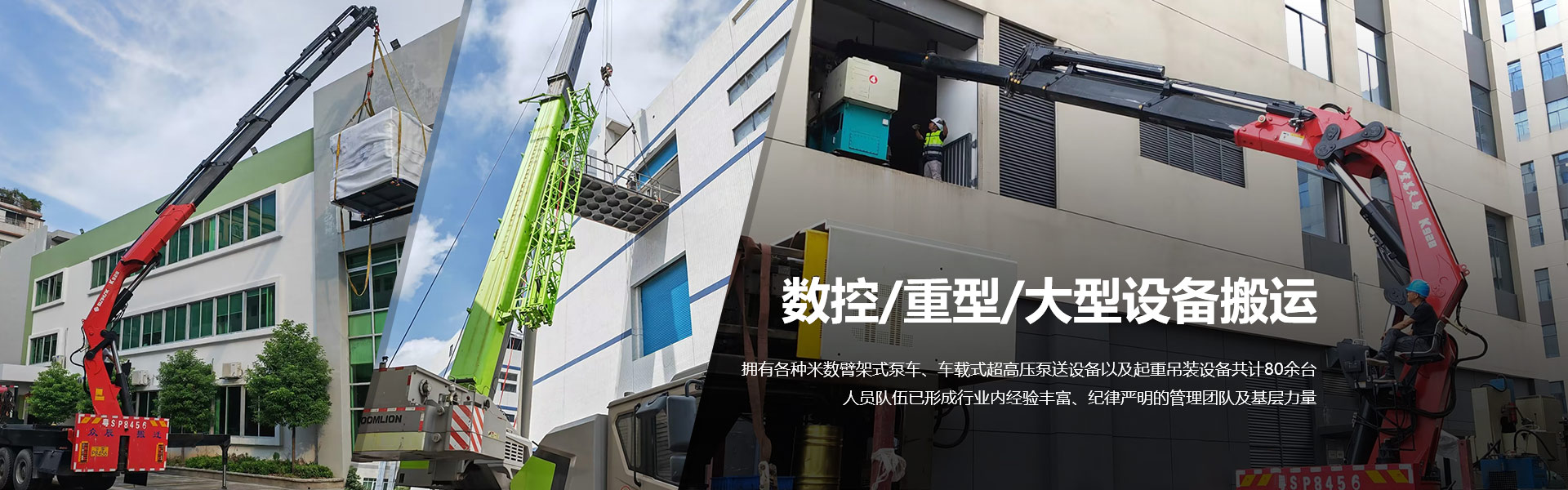
Uncontrolled lifting equipment is a relatively common dangerous situation during equipment lifting operations. Typically, it is caused by improper operation or inherent defects in the lifting equipment itself. To prevent such occurrences, the following measures must be taken:
During the hoisting process, there must be a designated person in charge, and operations must be strictly conducted according to the hoisting plan.
Prior to the lifting operation, it is mandatory to inspect the lifting equipment to ensure it is in perfect condition without any damage.
(3) Remain alert during the lifting process to prevent fatigue driving.
(4) Select the appropriate lifting equipment based on actual conditions to ensure the safety of the lifting process.
2. Equipment tilting or toppling
Equipment tilting or toppling is a common hazard during lifting operations. This is primarily due to unstable equipment center of gravity or wind influence. To prevent and avoid such incidents, the following measures should be taken:
Prior to the equipment hoisting, it is essential to fully understand the structure and characteristics of the equipment to determine the hoisting method and the tools to be used.
(2) During the lifting process, it is crucial to align the lifting point of the equipment with its center of gravity to prevent the equipment from becoming unbalanced or tilted.
(3) Ensure the surrounding area is clear and free of obstructions and utility poles during the hoisting process.
During the lifting process, a designated person must be on-site to supervise the equipment's condition and promptly adjust its center of gravity to prevent tipping.
3. Winch Breakage
Rope breakage is a particularly dangerous situation during equipment hoisting. During the hoisting process, the rope endures immense weight and tension; if it's substandard or damaged, it can lead to rope breakage. To prevent such occurrences, the following measures must be taken:
Before hoisting, it is mandatory to inspect the hoisting ropes to identify any damaged or broken sections.
(2) Select appropriate lifting slings and supports based on the equipment's weight and lifting height.
During the lifting process, we strictly adhere to safety operation procedures to maintain stable cable tension to prevent cable breakage.
If a hoist rope is found to be broken during the lifting process, the operation must be immediately halted, replace the rope, and ensure the safety of the lifting operation.
