

Material Form
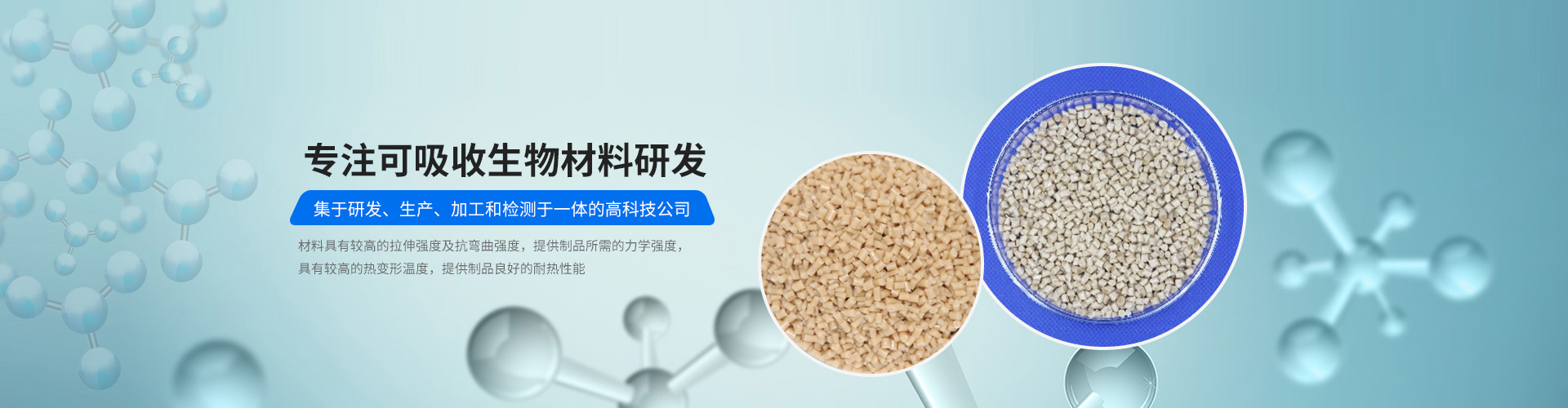
The primary difference between injection molding and extrusion materials lies in their form before processing. Injection molding materials are typically granular, as they undergo a high-temperature, high-pressure melting process in the injection molding machine, transforming them into a plastic fluid. In contrast, extrusion materials are in the form of a continuous strip, as the extrusion process results in a uniform liquid being continuously extruded from the die.
II. Differences in Production Processes
Injection molding and extrusion processes also differ. Injection molding involves injecting molten plastic into a mold under specific injection pressure and time, allowing it to cool and solidify into a shaped plastic product. On the other hand, extrusion is a process where molten plastic material is extruded through an extruder, stretched by pulling rollers, and formed into the desired shape and size.
III. Different Processing Effects
Injection molding and extrusion processes also yield different finishes. Since injection molding involves melting the plastic and then injecting it, the finished product has a smoother surface and can produce extremely fine details. In contrast, extruded products do not have the same level of surface smoothness and fineness as injection-molded items. Additionally, creating complex shapes and smaller dimensions in the extrusion process is relatively challenging, while injection molding can achieve this.
Four: Different Application Fields
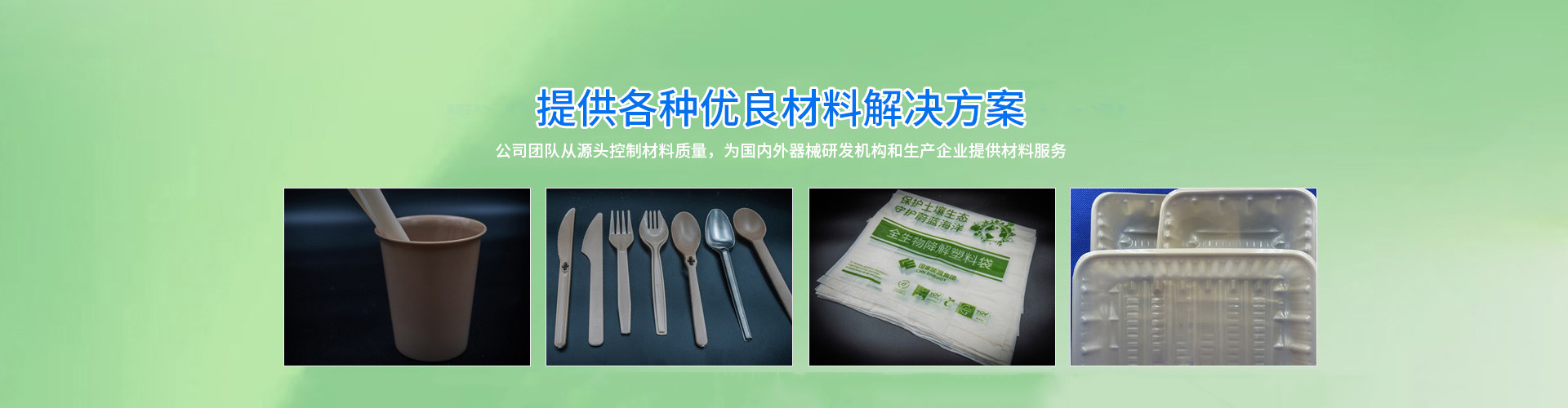
Injection molding and extrusion have different applications. Injection molding is primarily used for producing precision plastic components and large-sized plastic products, such as car parts, electronic components, furniture, toys, etc.; while extruded products are commonly used in the production of light industrial products like pipes, cables, sheets, strips, packaging materials, and plastic films.
In summary, injection molding and extrusion are two primary plastic processing methods, differing in material form, production processes, processing effects, and application fields. Depending on various needs and uses, different processing methods can be chosen to achieve better product quality and production efficiency.
