

Extrusion, injection molding, and blow molding are among the primary methods for producing plastic products. This article will introduce the process and advantages/disadvantages of injection molding.
Principles of Injection Molding Process
Injection molding involves adding granular or powdered materials to the hopper of an injection machine, where they are heated and melted into a fluid state. Under the force of the machine's screw or plunger, the material is then injected through the nozzle and into the mold cavity, where it hardens and takes shape. Factors affecting the quality of injection molding include injection pressure, molding time, and molding temperature.
Benefits of Injection Molding
Short molding cycle, high production efficiency, and easy to automate.
2. Plastic components with complex shapes, precise dimensions, and metal or non-metal inserts.
3. Product quality is consistent.
4. Wide Range of Application
III. Disadvantages of Injection Molding
Injection molding equipment is priced higher.
2. The injection mold structure is complex.
High production costs, long production cycles, not suitable for producing plastic parts in small or single batches.
Section 4: Applications of Injection Molding
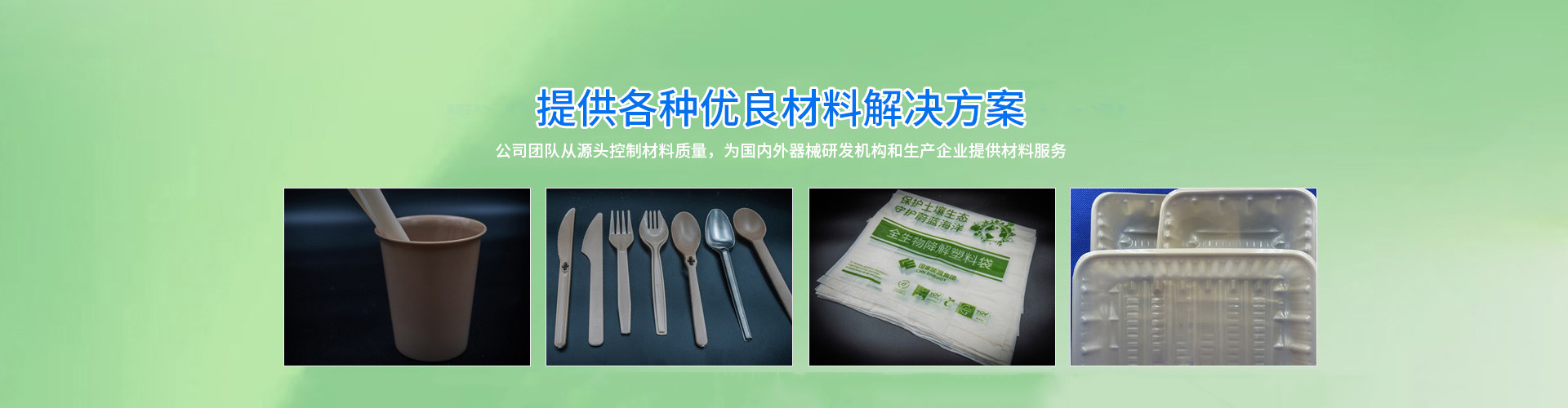
The application scope of injection molding is extremely wide. Common kitchenware, trash bins, bowls, buckets, kettles, tableware, electrical equipment casings, hair dryers, vacuum cleaners, food processors, toy cars, car parts, tables, and a variety of industrial products are all injection molded items.
