
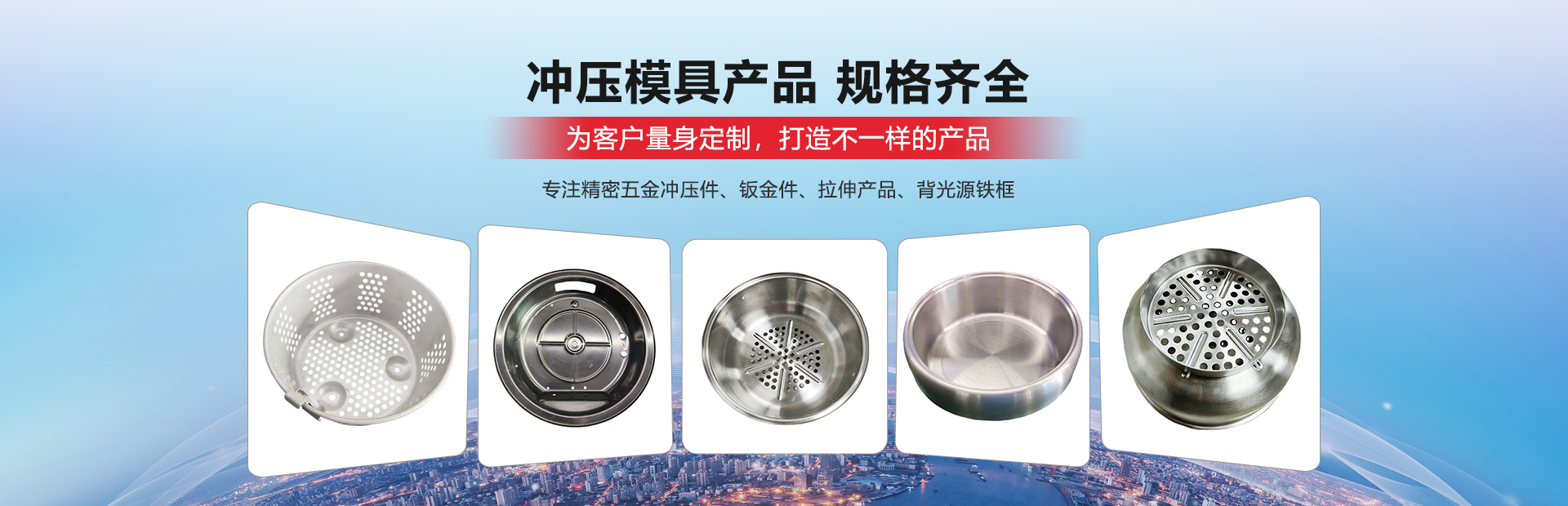

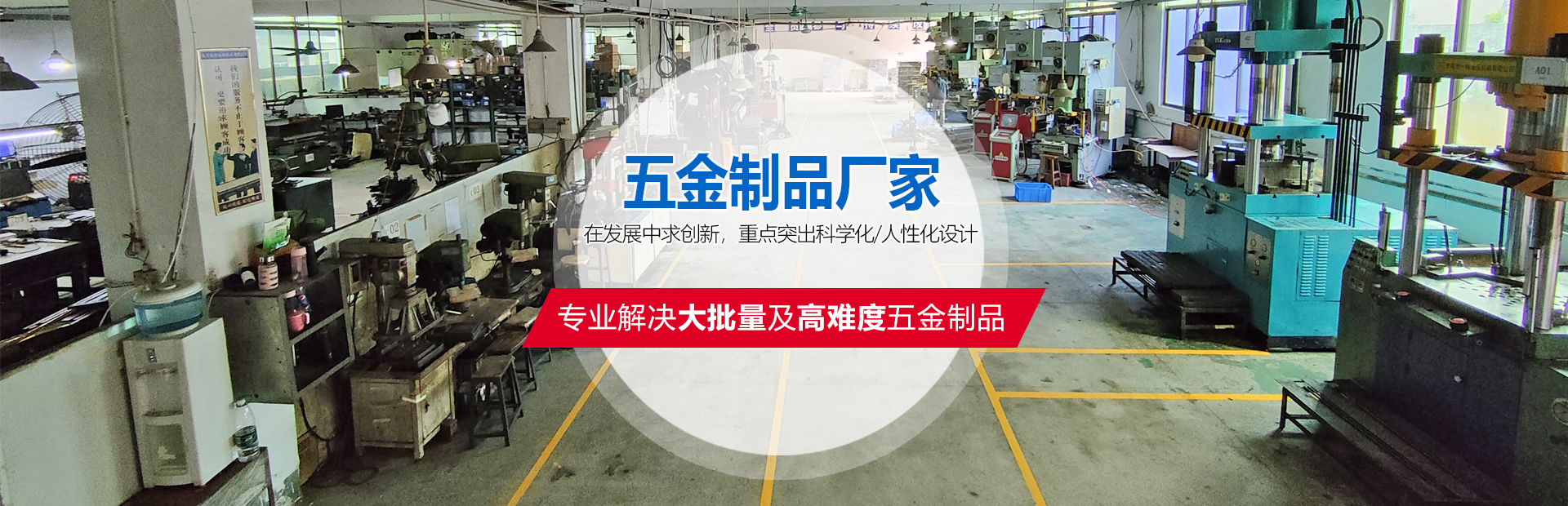

Hardness testing of metal stamping parts is conducted using a Rockwell hardness tester. Small, complexly shaped stamping parts can be used to test surfaces with very limited flatness, which cannot be measured on standard desktop Rockwell hardness testers.
The processing of metal stamping parts includes processes such as blanking, bending, deep drawing, forming, and finishing. The main materials used in the processing of metal stamping parts are hot-rolled or cold-rolled (primarily cold-rolled) metal sheet materials, such as carbon steel plates, alloy steel plates, spring steel plates, galvanized plates, tin-plated plates, stainless steel plates, copper and copper alloy plates, and aluminum and aluminum alloy plates.
The PHP series portable Rockwell hardness tester is suitable for testing the hardness of these stamping parts. Alloy stamping parts are commonly used components in the fields of metal processing and mechanical manufacturing. The processing of stamping parts involves the use of molds to separate or shape metal sheets. Its application range is extensive.
The hardness testing of stamping materials is primarily to determine if the annealing degree of the purchased metal sheets is suitable for the upcoming stamping process. Different stamping processes require different hardness levels of sheets. Aluminum alloy sheets for stamping can be tested with the Vickers hardness tester, and when the material thickness exceeds 13mm, the Brinell hardness tester can be used instead. Pure aluminum sheets or low-hardness aluminum alloys should be tested with the Brinell hardness tester.
In the stamping industry, stamping is sometimes also referred to as sheet metal forming, but there is a slight distinction. Sheet metal forming refers to the general term for the forming methods using sheet materials, thin-walled pipes, and thin sections as raw materials for plastic processing. In this case, deformation in the thickness direction is generally not a primary consideration.
